

Conflict Extends to Azerbaijan's Nakhchivan Exclave
The ongoing war in the Middle East has extended beyond traditional battle lines, reaching Iran's northern border. Azerbaijan reported that Iranian drones struck its Nakhchivan exclave on Thursday, targeting critical infrastructure and civilian areas.
The airport terminal in Nakhchivan was hit by a drone strike. Additionally, a drone exploded near a school, causing injuries to civilians, and another drone was intercepted and shot down by Azerbaijani forces.
Official Response from Azerbaijan
Azerbaijan's President Ilham Aliyev strongly condemned the attacks, labeling them an "act of terror." He demanded a formal explanation and apology from Tehran and ordered Baku's armed forces to remain on high alert in response to the incident.
President Aliyev also addressed the issue of Iran's ethnic Azerbaijani population, a topic that is particularly sensitive for Tehran.
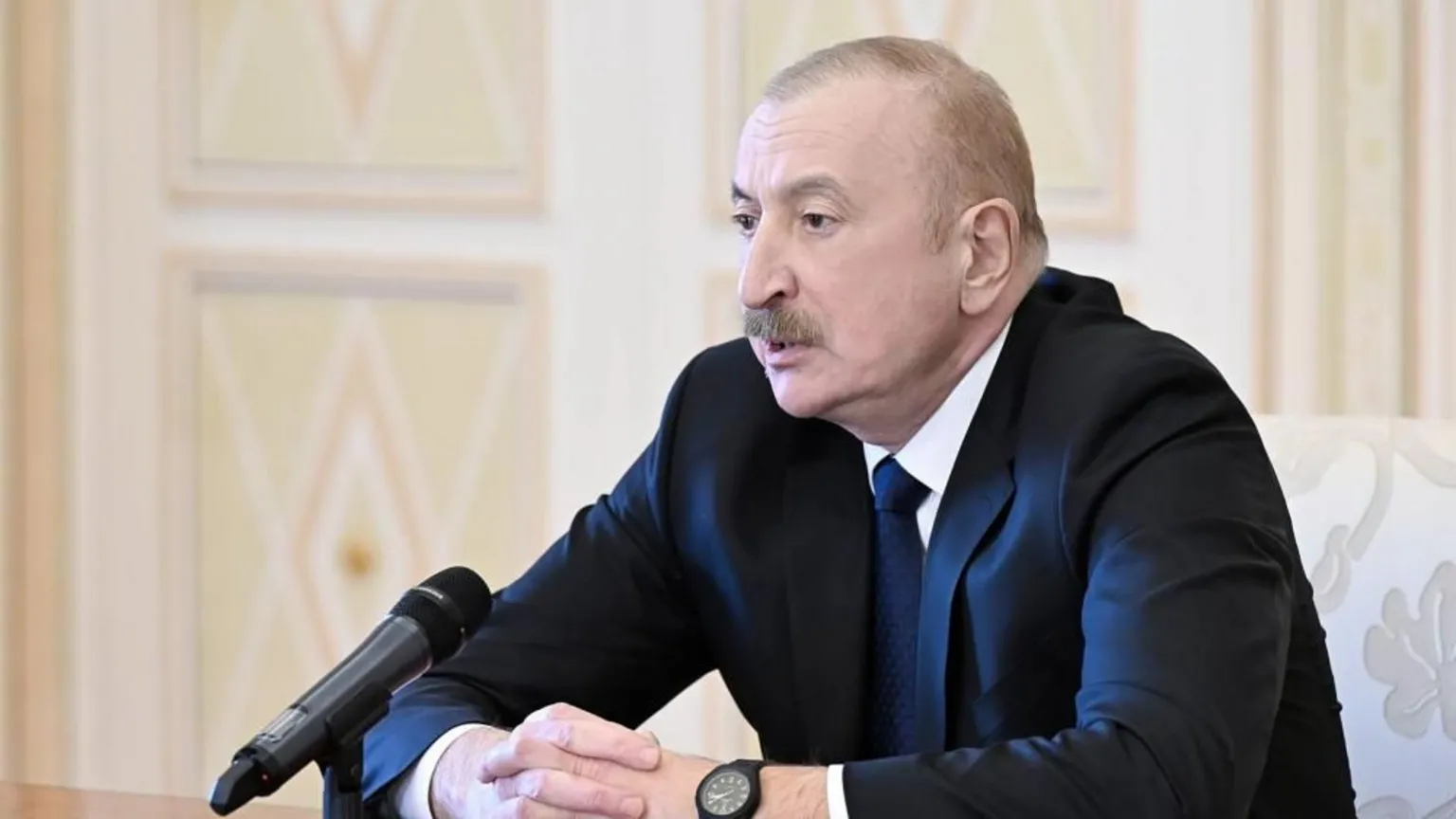
"The Iranian forces behind the strike were ugly, cowardly and disgusting," Aliyev stated, marking his most forceful public denunciation of Tehran since assuming office.
Iran's Denial and Counterclaims
Iran has denied any involvement in the drone strikes on Nakhchivan. Iranian officials have suggested that the attack might have been a false-flag operation orchestrated by Israel.
Geopolitical Context of Azerbaijan
Azerbaijan is a strategically significant Caspian country bordered by Russia, Iran, Armenia, and Georgia. The conflict's spillover into Azerbaijani territory draws the country closer to the center of a broader regional confrontation.
Nakhchivan is an isolated Azerbaijani territory bordered by Iran, Turkey, and Armenia, making it particularly vulnerable during times of conflict.
Ethnic Azerbaijani Population in Iran
President Aliyev's remarks extended beyond the immediate military incident to address the ethnic Azerbaijani community in Iran, estimated to number between 20 and 25 million. This group constitutes Iran's largest minority and is concentrated in the northwest region along the Azerbaijan border.
Tehran regards the identity and political affiliations of its Azerbaijani minority as highly sensitive issues. The Iranian government views any assertion of Azerbaijani identity beyond its borders as a potential threat to national unity.
Aliyev's explicit reference to Iranian Azerbaijanis as a "place of hope" for independent Azerbaijanis marks a departure from Baku's usual cautious approach to this delicate subject and appears to be a calculated political message.
Iran is currently facing significant internal challenges, including unrest and political uncertainty. Aliyev's statement can be interpreted as a warning to Tehran that any military or diplomatic pressure on Azerbaijan could provoke a response affecting Iran's internal stability.
Iranian Azerbaijanis have long reported restrictions on cultural rights, including the denial of education in their native language. Several Azerbaijani activists, journalists, and language advocates are imprisoned in Iran on charges such as "propaganda against the regime" and "conspiracy against national security."

This community holds political significance. Recently, the exiled Iranian crown prince, Reza Pahlavi, has called on Iranian Azerbaijanis and other ethnic minorities to rise against the regime.
Historical and Political Background
Iran's current president, Masoud Pezeshkian, is an ethnic Azerbaijani, and the late Ayatollah Ali Khamenei—killed in the initial US-Israeli strikes on Saturday—was also reportedly of Azerbaijani descent. Historically, several Iranian shahs were ethnic Azerbaijanis, including Shah Ismail Khatai, who in the 16th century used Azerbaijani as the primary language at his palace, highlighting the significant influence of Azerbaijani culture on the Iranian state.
Despite this shared heritage and their common Shia faith, Iran and Azerbaijan have diverged politically. Relations have deteriorated further following Azerbaijan's military successes in the 2020 and 2023 Karabakh conflicts, which were supported by Turkish and Israeli weaponry.
Iran perceives Azerbaijan's close defense partnership with Israel as a serious threat. Iranian officials and media have accused Azerbaijan of facilitating Israeli intelligence operations along Iran's northern border, allegations that Baku denies.
Azerbaijan's ties with Israel extend beyond security cooperation. Israel depends significantly on Azerbaijani oil, and the two countries maintain close political and intelligence collaboration. Tehran views this partnership as central to its suspicions about Azerbaijan.
Regional Tensions and Historical Mistrust
Azerbaijan resents Iran's political and military support for neighboring Armenia, interpreting it as direct interference in a conflict critical to its national security. This history of mistrust frames Azerbaijan's interpretation of Tehran's actions, including the recent drone strikes.
Iran opposes the creation of a land corridor connecting Azerbaijan to its Nakhchivan exclave and has consistently objected to Armenia potentially facilitating such a connection.
Energy Infrastructure and Strategic Importance
Azerbaijan is a major energy supplier, with its crude oil transported via a 1,768-kilometer (1,100-mile) pipeline running from Baku on the Caspian Sea through Georgia to Turkey's Mediterranean coast. This pipeline carries over one million barrels of oil daily and provides Europe with a vital supply route that bypasses Russian and Iranian territory.
The pipeline also supplies a significant portion of Israel's oil needs. Consequently, it is considered a potential target for Iran, and any threat to its security could raise concerns in global energy markets.
Official Positions and Future Implications
Both Iran and Azerbaijan deny seeking escalation. President Aliyev has stated that Azerbaijan "will not participate" in military operations against Iran, while Tehran continues to reject responsibility for the drone attacks.
However, Aliyev's public reference to Azerbaijan as a "place of hope" for Iranian Azerbaijanis introduces a new and potentially unpredictable factor into the regional dynamics.
Aliyev has emphasized that he was the only foreign leader to visit an Iranian embassy to express condolences following the death of Khamenei and personally assisted in evacuating Iranian embassy staff from Lebanon upon request.
"Now, he says, Iran has repaid those gestures with drone strikes on Azerbaijani territory," Aliyev remarked, describing the attacks as a profound betrayal.


