

Oil Facility Strikes Cause Smoke and Pollution Over Tehran
Smoke plumes resulting from strikes on oil depots and refineries drifted across Tehran on Monday, as satellite images revealed, while the World Health Organization (WHO) cautioned that attacks on oil infrastructure could pose significant health risks to local residents.
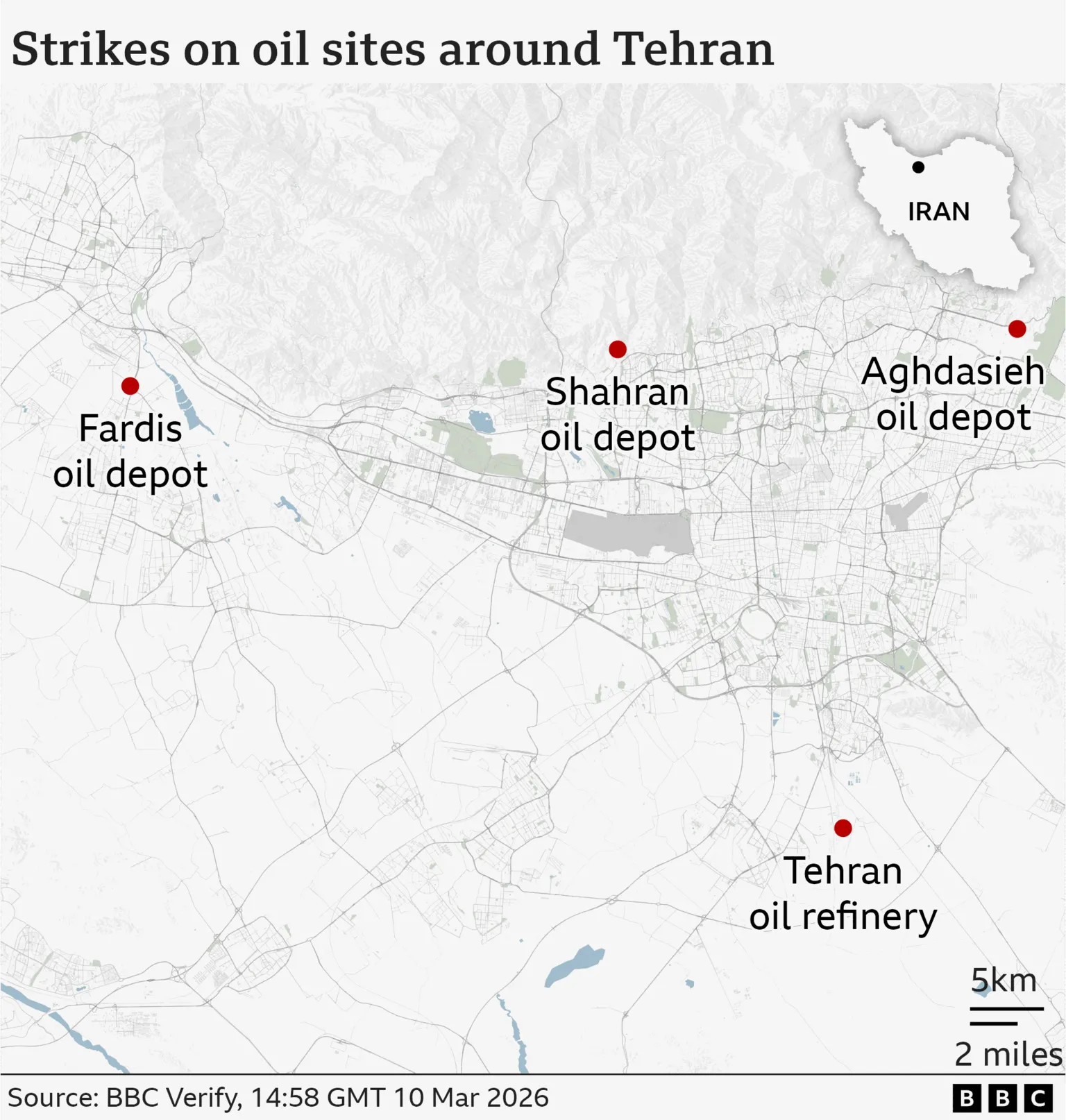
Since the onset of US-Israeli attacks on Iran on 28 February, at least four oil facilities near the capital have been confirmed as targets.
Residents reported that smog and pollution obscured the Sun and emitted a strong burning odor in parts of the city. Experts have warned that the volume and variety of pollutants released could be "unprecedented."
The surge in air pollution appears concentrated near the damaged oil sites around Tehran, a city with nearly 10 million inhabitants and millions more in surrounding areas.
Satellite Images Show Ongoing Fires at Oil Facilities
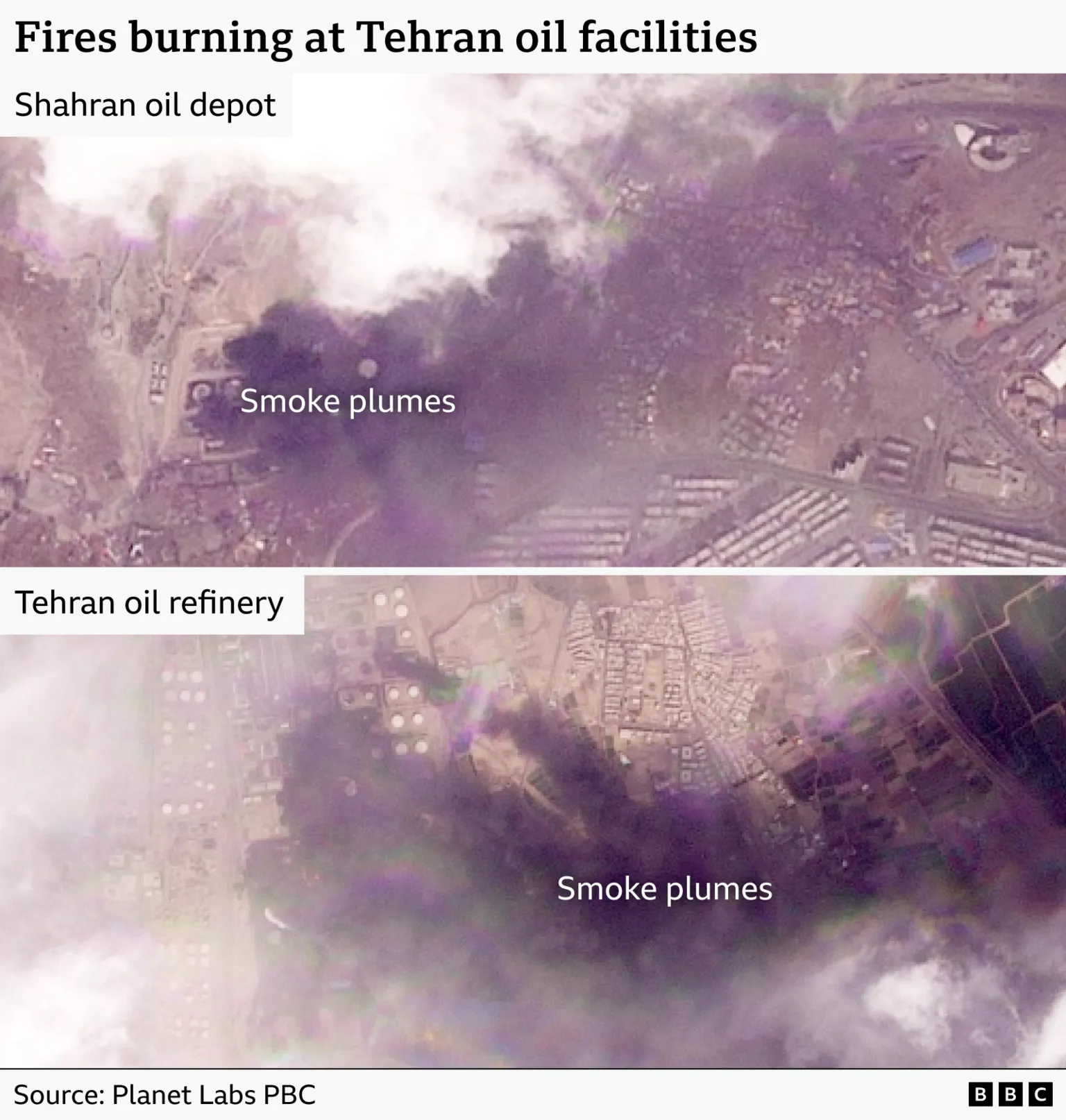
Satellite images captured on 9 March and analyzed by BBC Verify show two major oil facilities in Tehran still ablaze following reported air strikes overnight on Saturday.
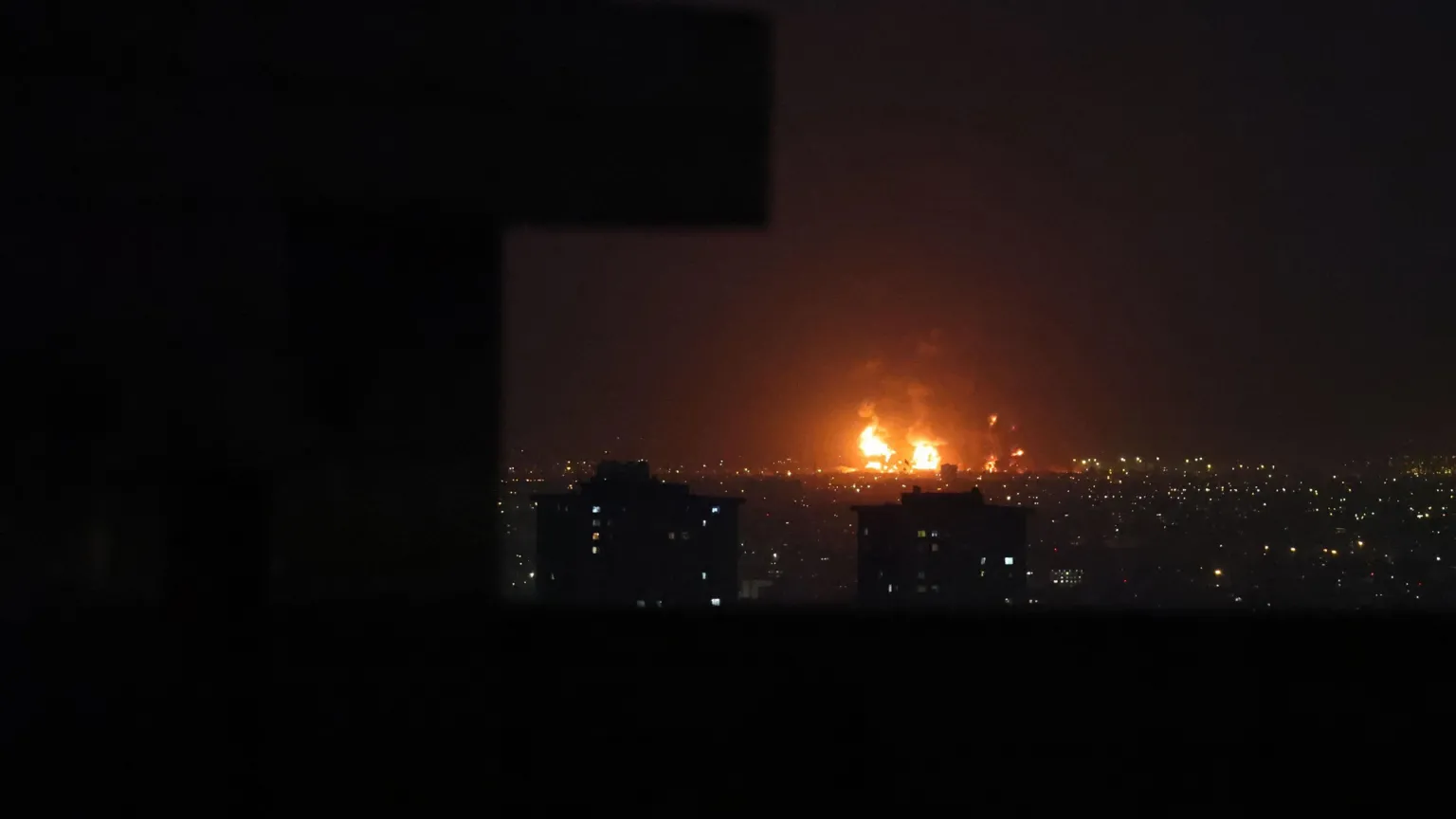
The images depict smoke emanating from the Shahran depot in the north-west and the Tehran oil refinery in the south-east of the city. Verified footage from immediately after Saturday's strike displayed large fireballs illuminating the refinery's night sky.
Due to the combination of cloud cover and smoke plumes from ongoing fires, assessing the full extent of damage at the affected oil facilities remains challenging.
Photographs taken at Shahran on Sunday morning showed emergency personnel inspecting burned oil tankers, blackened buildings, and active fires.
Claims and Responses Regarding the Strikes
The Israel Defense Forces (IDF) stated on 7 March via a post on X that it had targeted "fuel depots" near Tehran, including a photograph showing damage to the Tehran oil refinery. BBC Verify provided the coordinates of this refinery and three other identified locations to both the IDF and the Pentagon for comment. While the Pentagon did not respond, the IDF denied conducting strikes at those sites. Clarification has been requested.
Pollution Risks from Oil Refinery Fires
Strikes on oil refineries can cause significant air pollution due to the complex mix of chemicals they contain.
Incomplete combustion of oil, occurring when oxygen is insufficient, can release carbon monoxide and soot particles instead of carbon dioxide and water.
Oil fires may also emit sulfur and nitrogen oxides, which can form acids upon dissolving in rainwater, along with other harmful hydrocarbons, metallic compounds, and oil droplets.
Assessing the Severity of Air Pollution
A woman in her 20s from Tehran described the situation:
"I can't see the Sun. There is a horrible smoke. It's still there. I'm very tired,"
She added that she could "smell the burning" caused by the attacks on oil facilities.
Accurate evaluation of air pollution levels is difficult due to the absence of ground-based measurements and challenges in interpreting satellite data affected by wind and cloud cover.
Nonetheless, scientists agree that the chemical mixture released from the damaged oil sites is both harmful and extreme, differing significantly from smog typically observed in cities such as Beijing or Delhi.

Dr Akshay Deoras, a research scientist at the University of Reading, commented:
"What has happened [in Iran] is definitely unprecedented because it's all coming in from missiles dropping in and airstrikes on oil refineries."
He noted that while many conflicts cause elevated dust and particle pollution, the "basket" of chemicals in this case is "definitely unusual."
Professor Eloise Marais, an atmospheric chemistry and air quality expert at University College London, concurred, stating that such pollution is typically seen only in "a very, very severe industrial accident where an entire refinery explodes."
Understanding 'Black Rain' and Its Causes
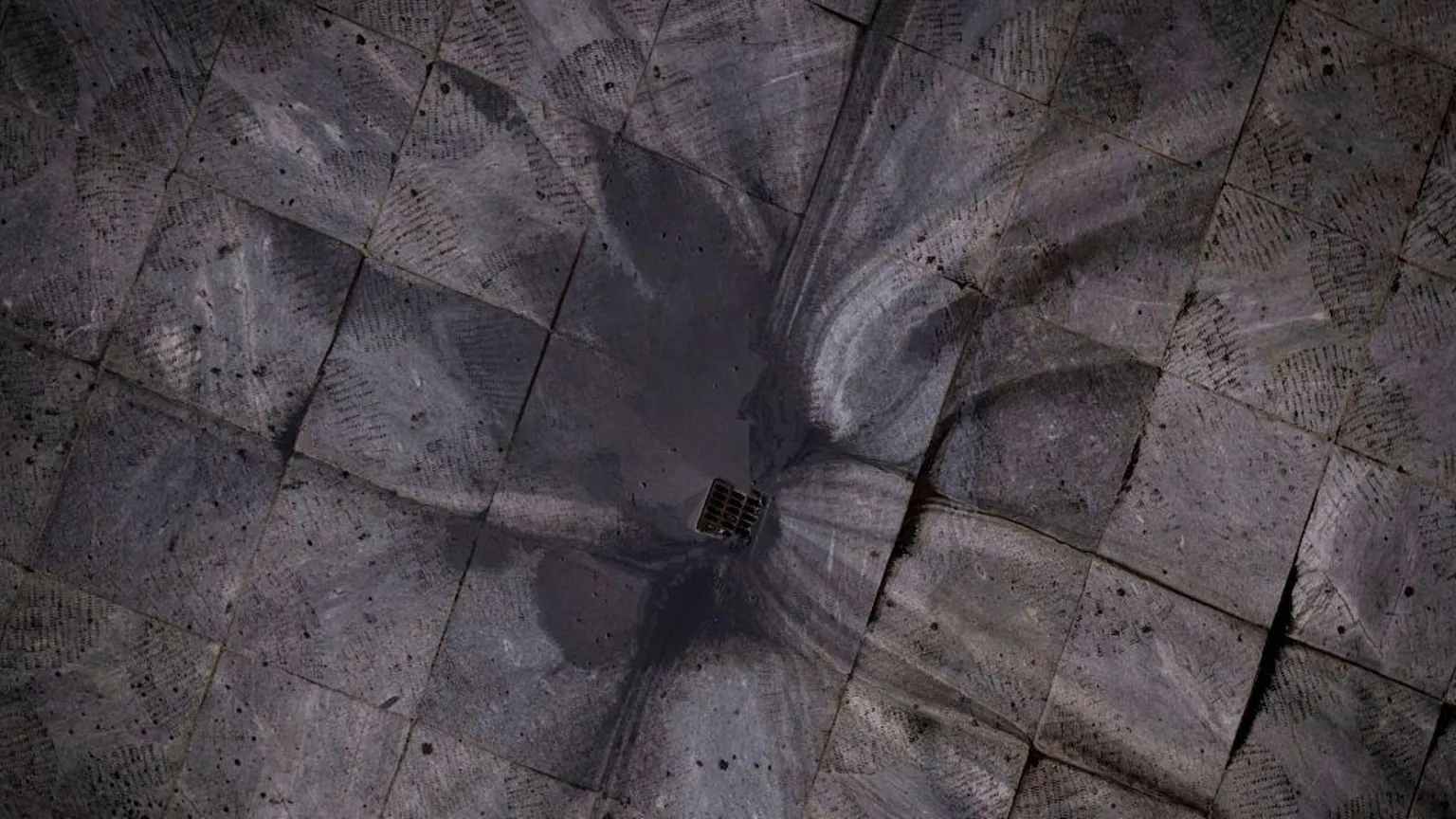
On Sunday, residents of Tehran reported experiencing downpours of "black rain."
Black rain is an informal term describing rainfall contaminated with pollutants, resulting in dark-colored precipitation.
While it is common for rainfall to wash pollutants from the air, black rain is rare and usually results from elevated levels of soot and other airborne pollutants, according to scientists consulted by BBC Verify.
Dr Deoras explained:
"The raindrops acted like little sponges or magnets, collecting whatever was in the air as they fell, which is why residents observed what's being described as 'black rain'."
It is also possible that some larger particles settled out of the air without rain.
Potential Health and Environmental Impacts
WHO Director-General Dr Tedros Adhanom Ghebreyesus expressed "great concerns" regarding the conflict's health impacts.
He stated that damage to oil facilities "risks contaminating food, water and air – hazards that can have severe health impacts especially on children, older people, and people with pre existing medical conditions."
Professor Anna Hansell, an environmental epidemiology expert at the University of Leicester, added:
"These very intense exposures of particulates have immediate impacts on the lungs,"
"But they can also have quite long lasting effects over many years afterwards, on both respiratory systems and increasing cancer risk."
Doug Weir, director of the Conflict and Environment Observatory, highlighted the unusual nature of the attacks, noting:
"What's unusual about Tehran is we haven't observed these attacks in such a densely populated area before."
"Often these oil field sites are quite far out in the countryside. People in Tehran are exposed to a huge range of substances in this black rain - not just oil,"
BBC Weather forecasts predict rain spells on Tuesday and again from Thursday, accompanied by stronger winds, which should aid in dispersing and washing away pollutants.
However, the risks posed by pollutants do not disappear with rainfall. Pollutants can enter rivers and waterways or settle on the ground, where drying and wind can resuspend them into the air.
This article has been updated to include a statement from the IDF received after initial publication.
Additional reporting by Ghoncheh Habibiazad, Paul Brown, Rollo Collins, Shayan Sardarizadeh, Farida Elsebai, and Daniel Wainwright.



