

Close Contest in Peru's Presidential Election
Peru's presidential election remains in a statistical deadlock, reflecting previous vote counts that have extended over several days or even weeks.
With approximately 94.9% of votes counted in the latest official tally, left-wing candidate Roberto Sánchez holds a slight lead at 50.10%, while right-wing contender Keiko Fujimori trails closely with 49.90%.
Fujimori initially led in early results and exit polls, but Sánchez has gained momentum since Sunday night as ballots from rural areas have been counted.
Fujimori is a long-standing figure in Peruvian politics, whereas Sánchez has campaigned on broad economic reforms. Key issues in the election have included concerns over crime and political instability.
The vote counting has entered its second day, but recounts are expected to be necessary to confirm the winner, a process that could take several weeks.
Peru's electoral authority, ONPE, has indicated that the full count is anticipated to be completed by July.
Early data from pollster Ipsos showed Fujimori dominating in the capital Lima, securing the urban vote and the coastal regions, while Sánchez performed strongly in rural areas and the mountainous Andes. Sánchez is expected to continue gaining as more rural ballots are tallied.
Votes from international polling stations, which are expected to favor Fujimori, have yet to be counted.
Sánchez expressed confidence but emphasized patience, stating,
"I am confident and optimistic, but we'll wait for 100% of the vote."
Fujimori also called for patience as her early lead diminished, saying,
"We're going to wait until the last [vote] and that's what I hope all Peruvians do."
Political Background and Campaign Promises
Sánchez has reiterated his intention to seek a "presidential pardon" for former left-wing president Pedro Castillo.
In the 2021 election, Castillo also faced Fujimori in a closely contested race that resulted in a protracted vote count lasting weeks. Castillo was later imprisoned after attempting to dissolve Congress and rule by decree, during which Sánchez served as a minister in his government.
Fujimori is among the most recognized figures in Peruvian politics and is running for office for the fourth time.
Her late father, Alberto Fujimori, served as Peru's president and was later jailed for crimes against humanity. Nonetheless, his supporters credit him with a firm crackdown on violent insurgencies and the implementation of social programs aimed at assisting some of the country's poorest populations.
Throughout her campaign, Fujimori embraced her father's controversial legacy, pledging a strong military response to organized crime, particularly targeting the rise in extortion cases in recent years.

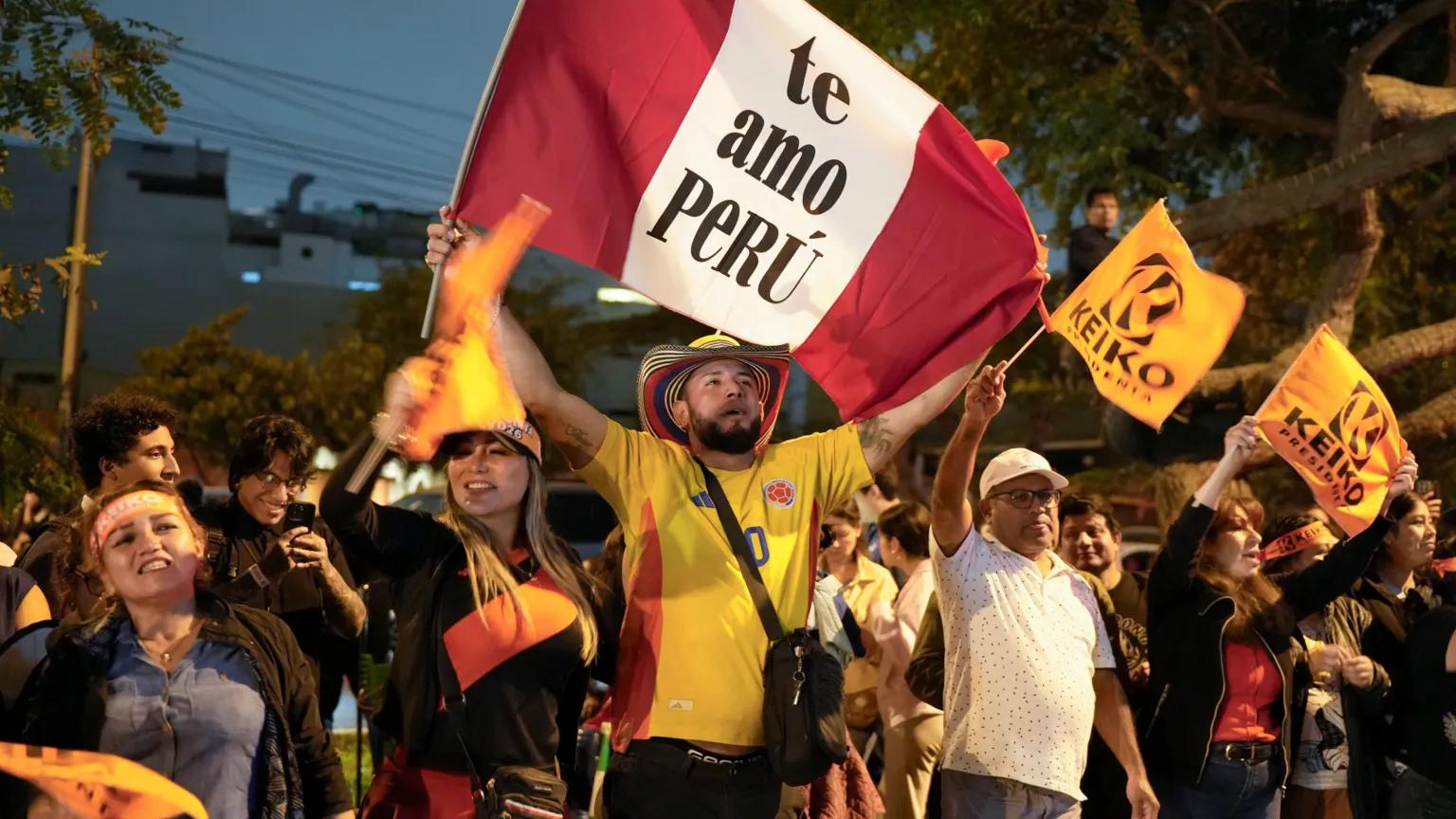
On election day Sunday, Fujimori began by having breakfast in San Juan de Lurigancho, a populous suburb of Lima characterized by impoverished neighborhoods on steep, dusty hillsides. She was greeted by supporters eager for selfies.
"She will fight crime like her father did years ago,"said supporter Alicia.
"It's about time a woman governed us, one who makes us feel valued,"added Catalina Solana Guamá.
"Previous presidents didn't remember towns like ours, our hillside where we live, the needs people have. Her father travelled around, walking through the mud and sludge here, I want her to go out, not to be an office-bound president, and to be for the people and fight like that,"Catalina said.
Catalina welcomed Fujimori's promise to deploy the military against crime, stating she wanted her to,
"fight against those criminals who are killing drivers and bus conductors."
"It's not right that we go out to work and don't know if we'll come back alive."
Another supporter, Jennifer, commented,
"Right now things are very bad, especially in this district of San Juan de Lurigancho, there's extortions and killings, she wants to fight that."
Sánchez's Reform Agenda and Support Base
Sánchez campaigned on comprehensive left-wing reforms targeting the state and economy, including increasing state involvement in Peru's natural resources, investing more in rural areas, reforming the tax system, and reviewing mining contracts.
He argues these measures are essential to address inequality and redistribute wealth derived from Peru's rich mineral reserves, including gold and copper. His policies have garnered support in rural regions but have unsettled financial markets.
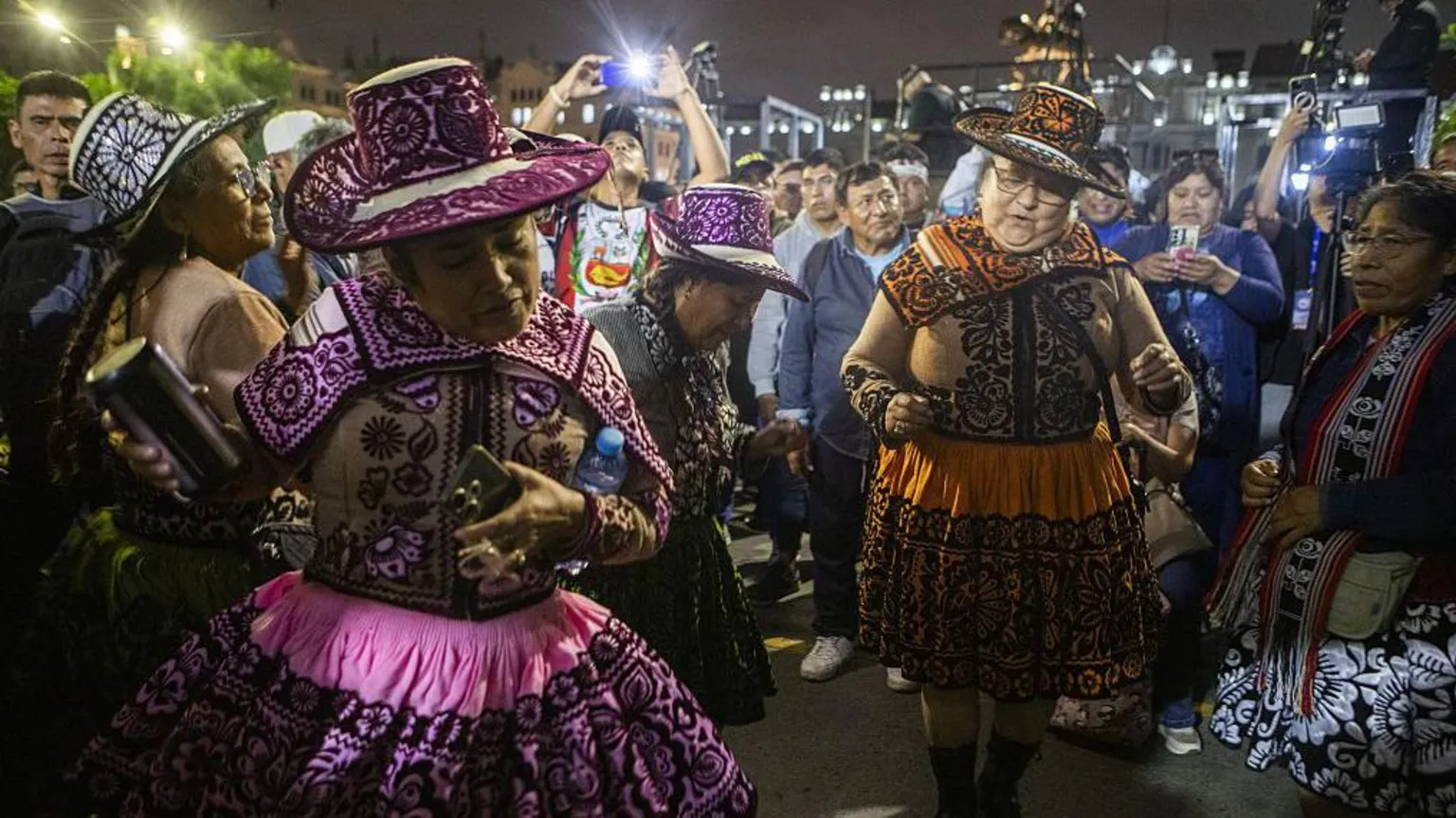
His supporters have been critical of Fujimori and her family's legacy. Giovanna, who waited in a crowd to hear Sánchez speak after the results, said,
"Fujimori's family had done a lot of damage to our country,"referencing Alberto Fujimori's forced sterilization program.
Some supporters indicated they would protest if Sánchez did not win.
"Our voices must be raised, if we have to rise up, at the very least I would do it,"Giovanna said.
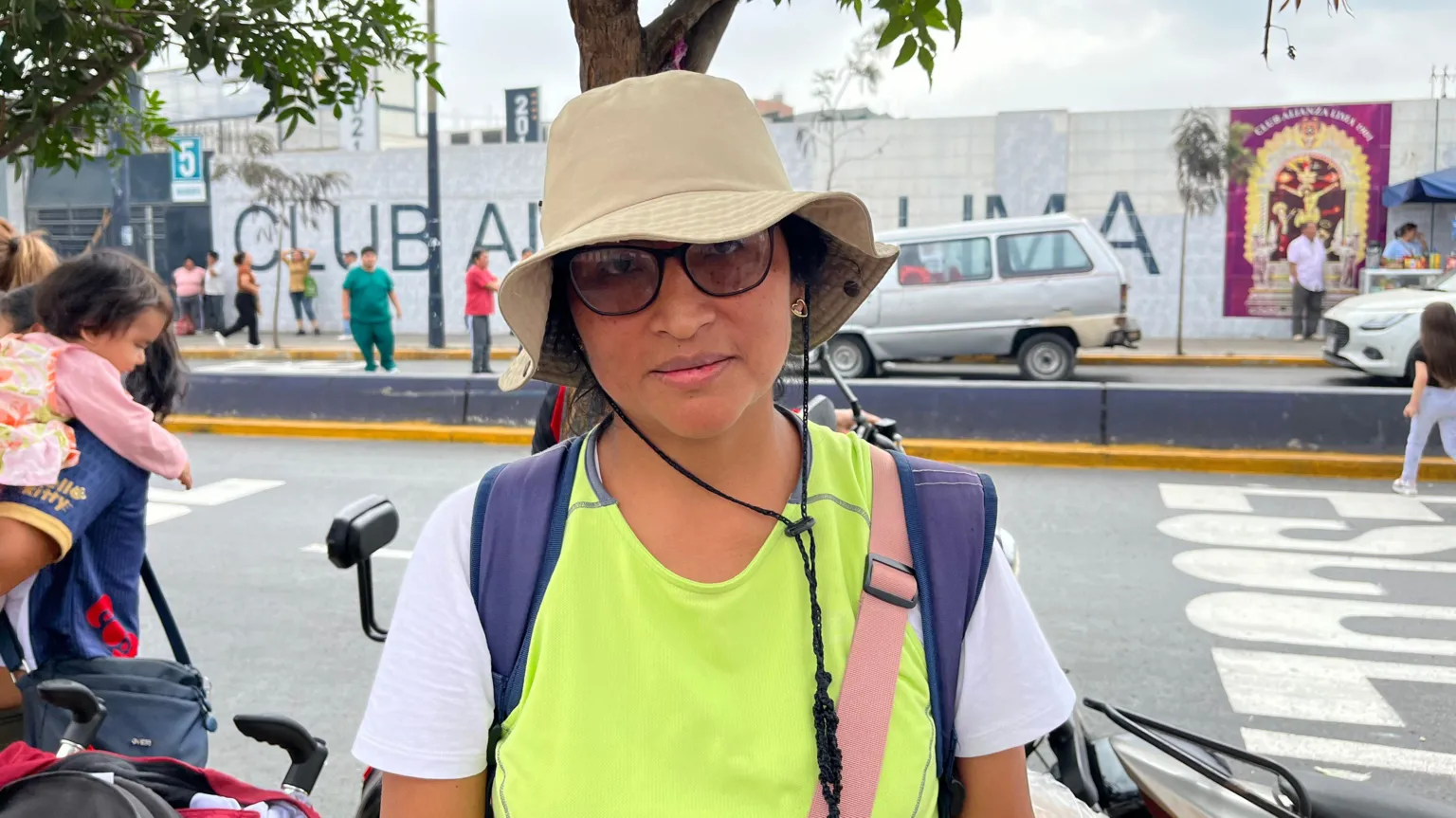
"Everyone is going to protest, we are going to go out into the streets, we voted for change,"said street vendor Hilda.
"Previously we voted for Pedro Castillo, but our president who was elected has been removed and is in prison. That's why we're voting for Sánchez."
Election Day and Voting Process
The first round of voting was marked by chaos, with accusations of fraud and threats from both camps after some polling stations experienced delays in receiving electoral materials.
However, election observers and ONPE reported that the second round voting proceeded without major issues.


