

Instagram Ends Ultra-Private Direct Messaging Feature
Instagram users will no longer have access to ultra-private direct messaging as the platform disables end-to-end encryption (E2EE) globally.
This removal marks a significant reversal by Meta, Instagram's parent company, which had previously promoted E2EE as the highest standard for user privacy.
E2EE ensures that only the sender and recipient can view messages, making it the most secure form of online messaging. However, it has faced opposition from campaigners who argue that it enables the dissemination of harmful content without the possibility of intervention by authorities.
Meta's decision has been met with approval from organizations such as children's charities but has drawn criticism from privacy advocates.
With E2EE disabled, Instagram will now have access to all direct message content, including images, videos, and voice notes.
In 2019, Meta committed to implementing E2EE across messaging services on Facebook and Instagram, stating that "the future is private." The rollout was completed on Facebook Messenger in 2023, and Instagram later introduced the feature as optional, with plans to make it the default setting.
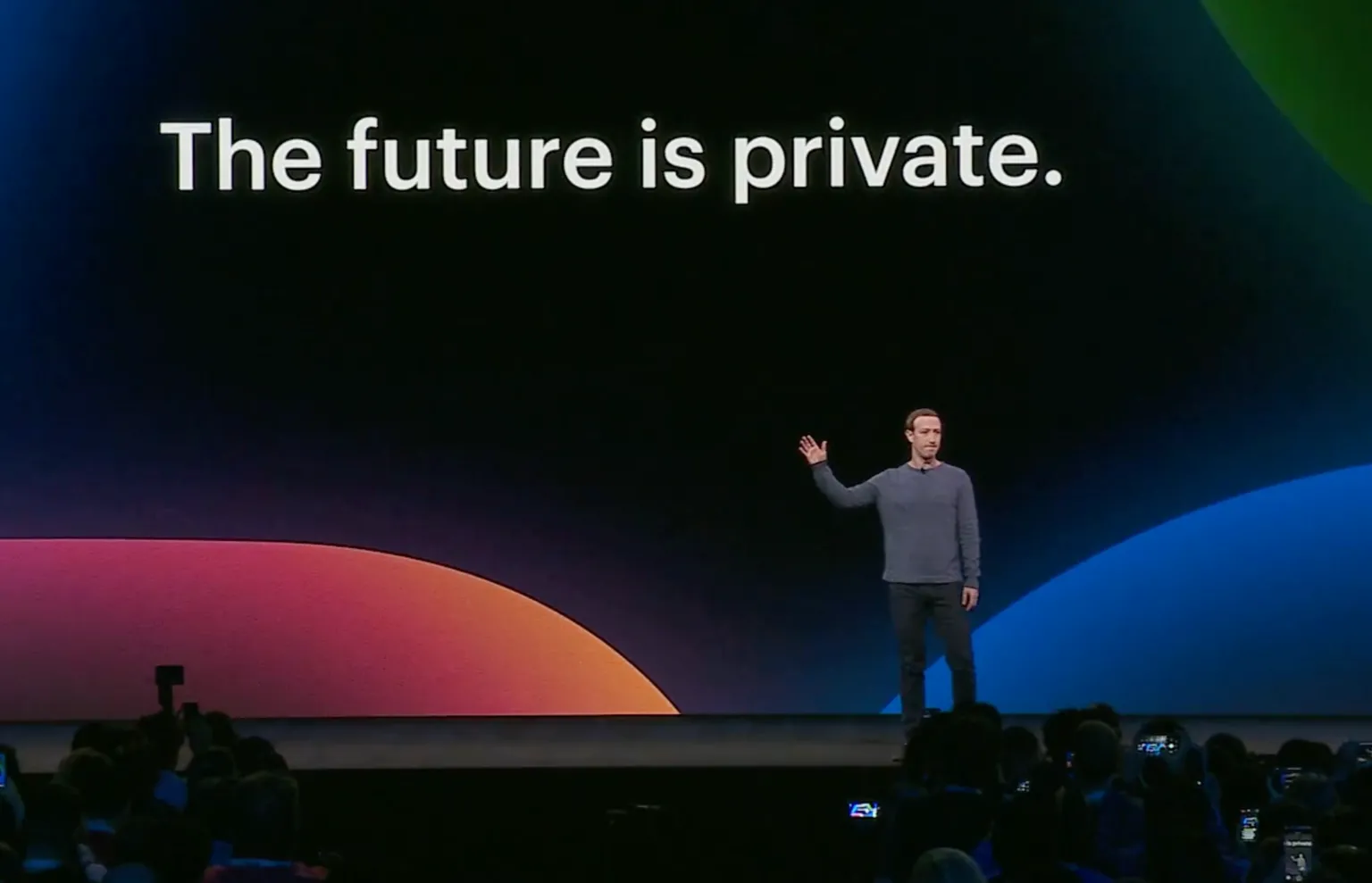
After seven years, Meta has decided not to extend E2EE as a default on Instagram, which will now provide only standard encryption.
Standard encryption allows internet service providers to access private content if necessary and is the common encryption method used by major online services such as Gmail.
Reactions from Child Protection Groups and Privacy Advocates
The decision has been welcomed by child protection organizations, including the NSPCC, which has long expressed concerns that E2EE could expose children to risks.
"We are really pleased," said Rani Govender from the NSPCC, adding that E2EE "can allow perpetrators to evade detection, enabling the grooming and abuse of children to go unseen."
Conversely, privacy campaigners view the move as a regression.
Maya Thomas from Big Brother Watch expressed disappointment, stating that E2EE is "one of the key ways children can keep their data safe online, so we're concerned that Meta may be caving to government pressure."
Years-Long Effort and Quiet Reversal
Since 2019, Meta has defended its plans amidst criticism while addressing the technical challenges of implementing E2EE on Facebook and Instagram.
The company did not publicly announce its decision to halt the Instagram rollout. Instead, it quietly updated Instagram's terms and conditions in March 2026.
The updated terms stated, "End‑to‑end encrypted messaging on Instagram will no longer be supported after 8 May 2026. If you have chats affected by this change, you will see instructions on how to download any media or messages you may wish to keep."
Meta informed reporters that the decision was influenced by low user opt-in rates for the feature.
However, experts note that optional features often experience low adoption due to the additional steps required for users to enable them.
Cybersecurity expert Victoria Baines, professor of IT at Gresham College, interprets the decision as indicative of a shift in Meta's stance on privacy.
"Social media platforms monetise our communications — our posts, likes and messages — so they can serve targeted advertising," Baines said. "And increasingly, companies like Meta are focusing on training AI models, for which messaging data can be extremely valuable. I think the decision is more complex."
Instagram has previously stated that direct messages are not used to train AI models.
Meta declined to provide further comments on its reversal regarding privacy, and Instagram CEO Adam Mosseri declined interview requests.
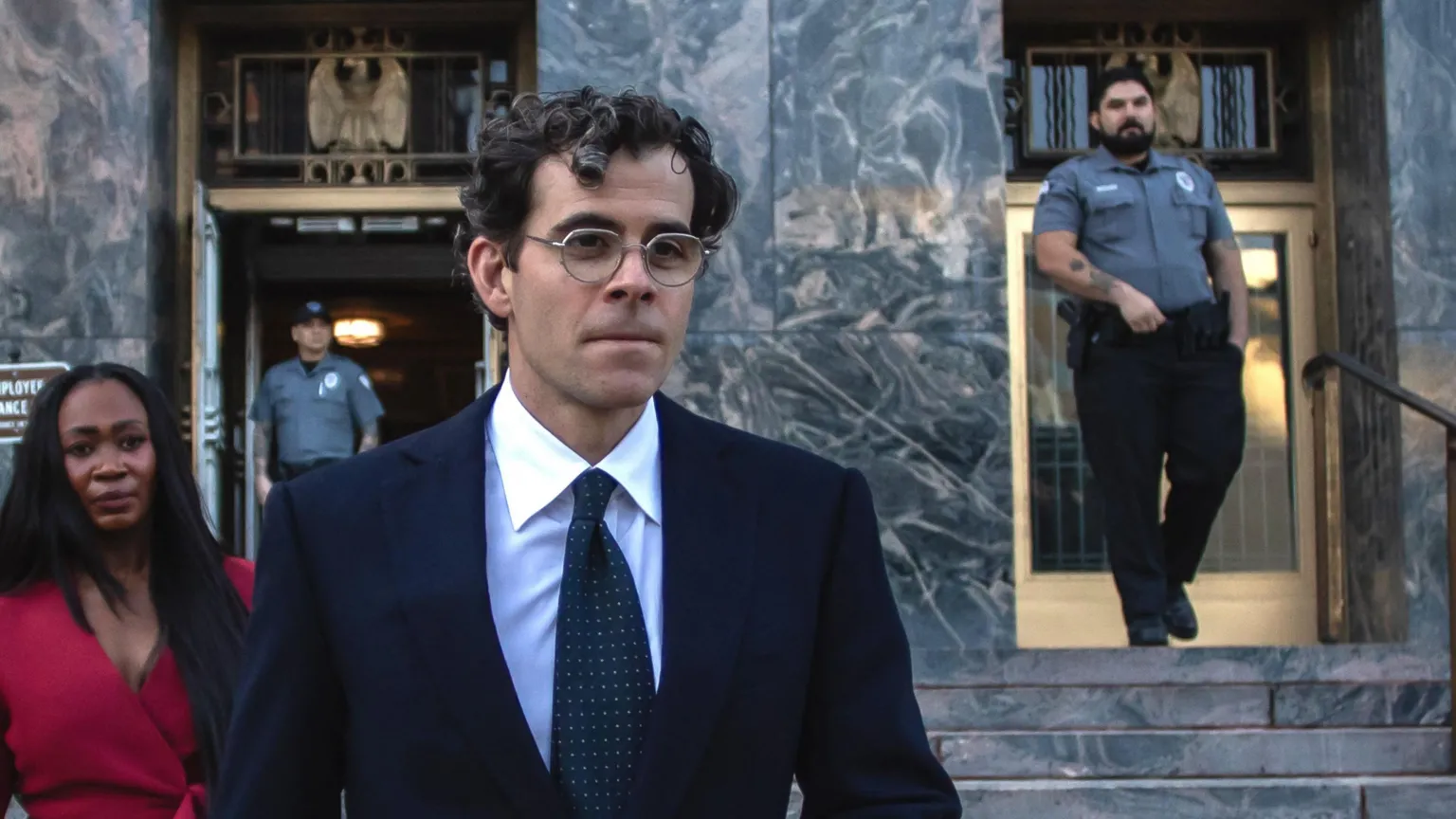
Last month, Meta informed staff that their clicks and activity on work devices would be collected as training data for the company's AI models.
Campaigners such as Big Brother Watch warn that Meta's decision could influence the broader social media industry.
Impact on the Spread of End-to-End Encryption
Until recently, the adoption of E2EE had been a clear trend among messaging platforms.
However, in March 2026, TikTok informed the BBC that it had no plans to implement E2EE for direct messages.
Two weeks later, Instagram updated its terms and conditions confirming it would not proceed with the E2EE rollout.
Analysts including Victoria Baines suggest these developments may slow the expansion of E2EE, potentially limiting it to dedicated messaging applications in the future.

for our Tech Decoded newsletter to follow the world's top tech stories and trends. Outside the UK? here.


