

Historic Treaty Ends Border Controls Between Spain and Gibraltar
The treaty eliminating border controls on the land frontier between Spain and Gibraltar came into effect at midnight, marking a significant milestone in relations between the two territories. This agreement ends the physical and administrative barriers that have separated the British overseas territory from Spain for over a century.
Spain and Gibraltar are celebrating the removal of the last frontier fence in western Europe following the signing of a post-Brexit deal. This agreement facilitates the free movement of residents, tourists, and the approximately 15,000 Spanish workers who cross daily into Gibraltar.
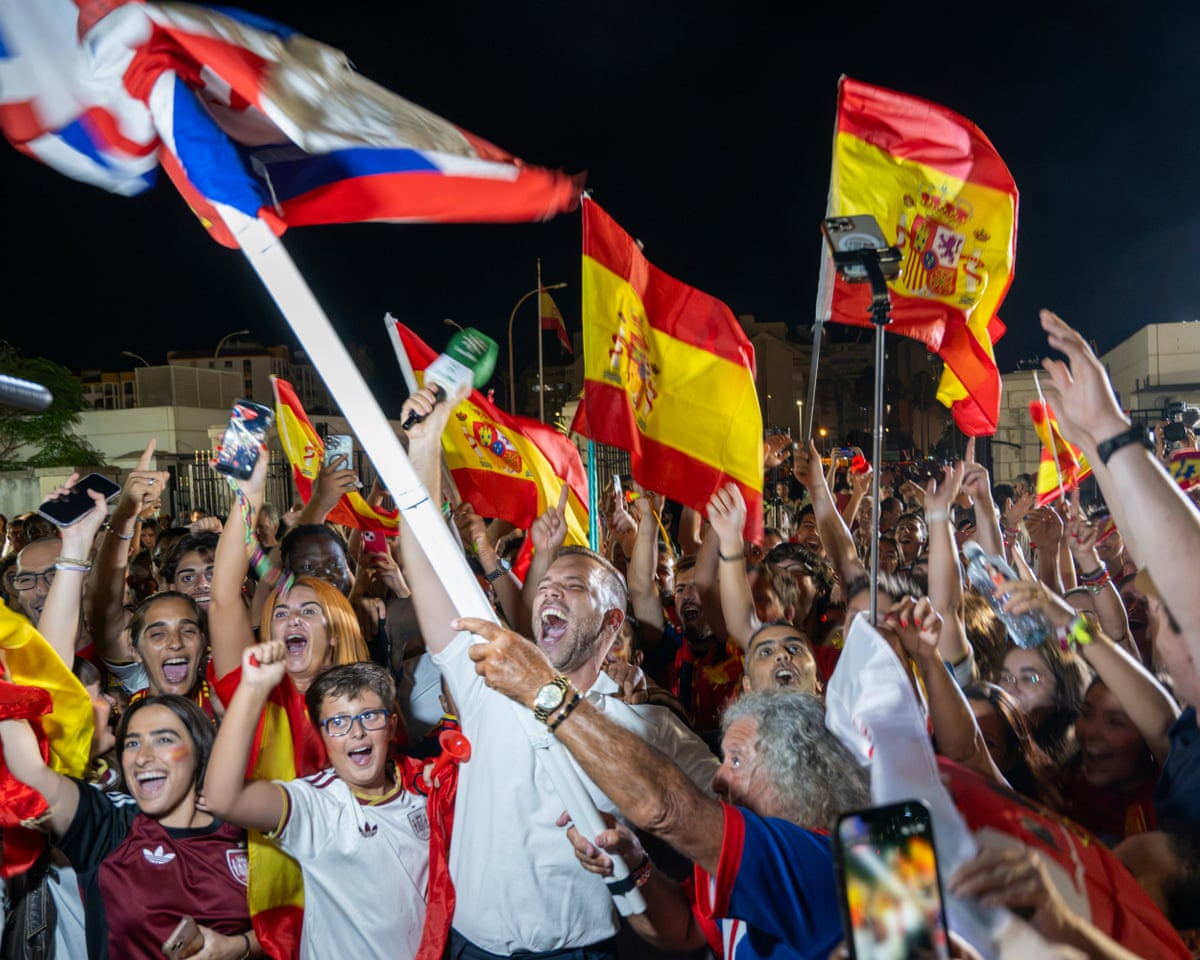
The deal was signed in Brussels on Tuesday and took effect at midnight, concluding more than four years of negotiations involving the UK, Spain, Gibraltar, and the European Union after the United Kingdom’s departure from the EU.
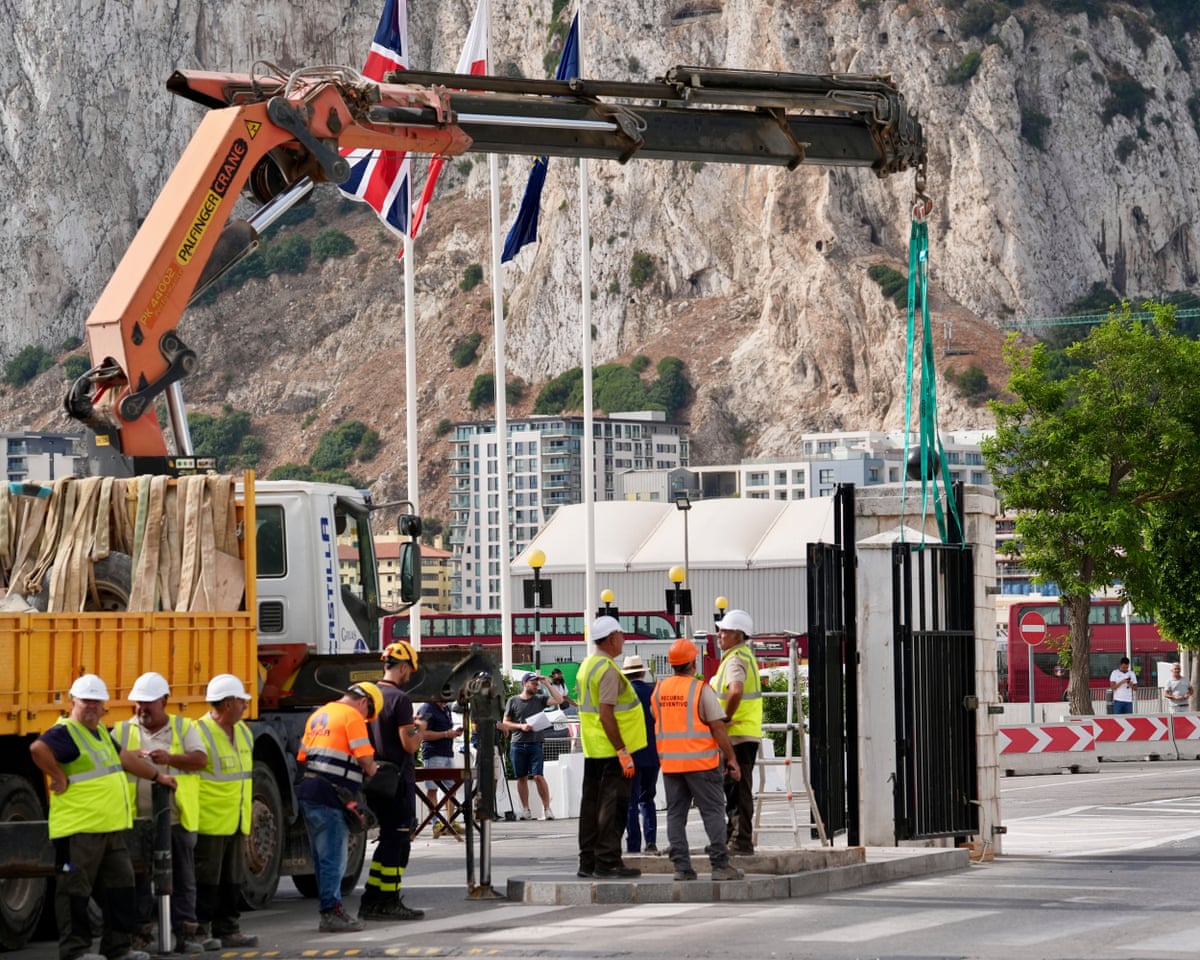
The treaty abolishes border controls and customs checks, creating a seamless frontier. It also assigns Spain responsibility for Schengen controls at Gibraltar’s airport and port. A notable outcome of the agreement is the removal of the border fence that has physically separated Spain and Gibraltar since 1908.
Significance of Gibraltar and the Border
Gibraltar, ceded to the British crown under the Treaty of Utrecht in 1713, has a population of approximately 40,000. The territory relies heavily on the daily influx of 15,000 Spanish workers. Gibraltar, often referred to as "The Rock," is also economically vital to the adjacent Campo de Gibraltar region in Andalucía, Spain.
Previously, border crossings were characterized by long queues during rush hours, especially during periods of political tension between Madrid and London.
Reactions from Officials
Spain’s Foreign Minister, José Manuel Albares, described the deal as a "historic agreement" that will promote mutual prosperity.

“We have just put an end to a long period of discord and opened the door to a new era of coexistence for two populations that lived apart and are now joining hands, three centuries later,” he said. “This is a historic agreement, an agreement for the future, which represents a huge leap forward in terms of stability and prosperity for the 300,000 Andalucíans in the Campo de Gibraltar.”
Gibraltar’s Chief Minister, Fabian Picardo, emphasized that the treaty does not affect the territory’s British sovereignty and heralds a new chapter of cooperation.
“The frontier that has so often divided and constrained our region will now become a place of cooperation and shared opportunity,” he said. “The daily lives of thousands of people will be made easier, our economy will be given greater certainty and Gibraltar’s future will rest on firm legal foundations.”
“We have reached this moment without surrendering who we are, without compromising our British sovereignty and without weakening the constitutional protections that define Gibraltar.”
UK Minister for Europe and North America, Stephen Doughty, called the treaty signing "a very special moment," while European Commissioner Maroš Šefčovič celebrated "shared prosperity and no more barrier for the 15,000 people crossing between Spain and Gibraltar daily."
Details of the Agreement and Future Implications
Under the treaty’s terms, Gibraltar will effectively become part of the EU’s Schengen free-movement area. British nationals flying into Gibraltar will be required to pass through the EU’s new Entry/Exit System (EES), which includes fingerprint and facial recognition scans. These procedures have previously caused delays at some airports.
“I am concerned [similar queues] could happen,” Picardo stated this week.
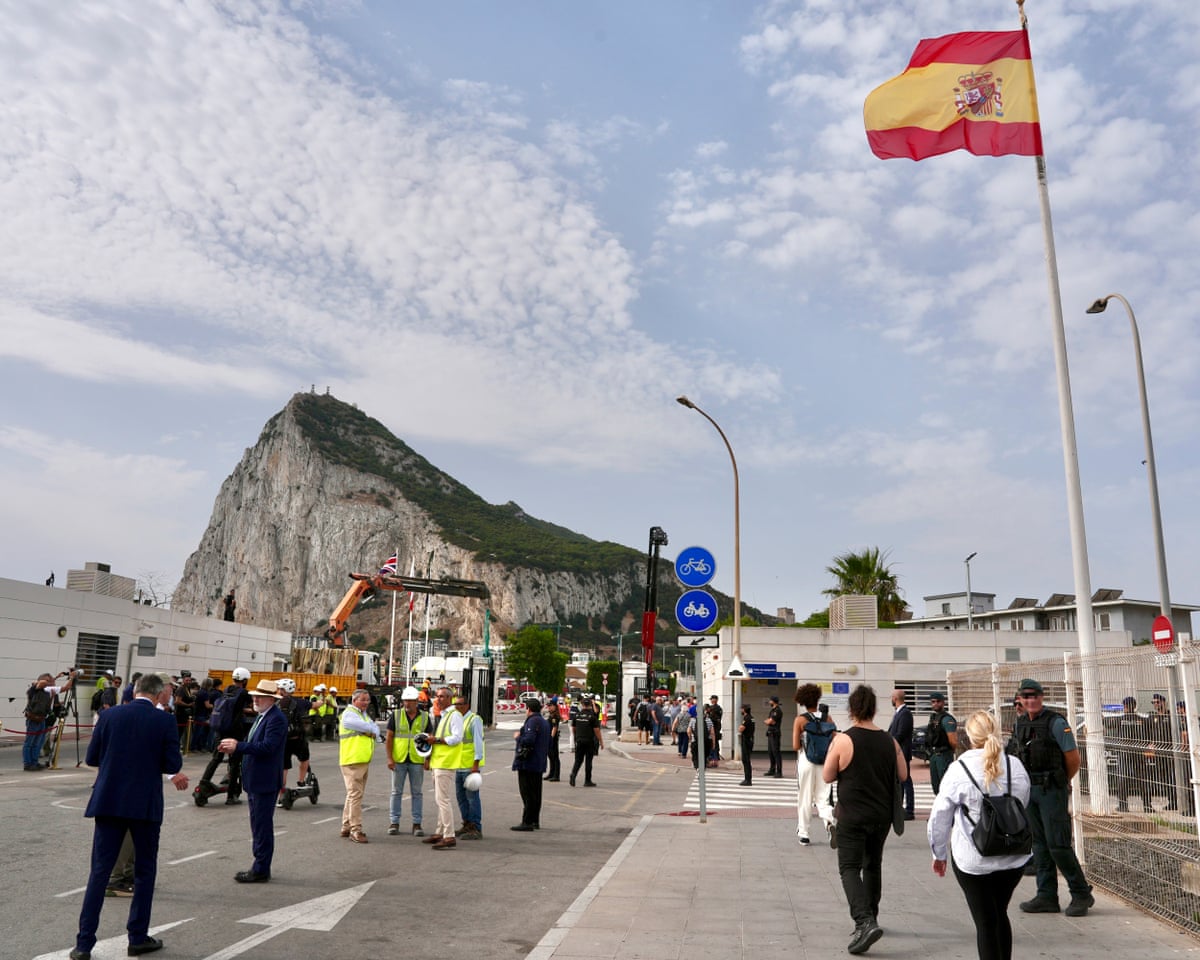
Spanish Prime Minister Pedro Sánchez is scheduled to visit the border town of La Línea de la Concepción on Wednesday to witness the removal of the last section of the border fence.
Historical Context and Negotiations
Spain has long sought the return of Gibraltar. The 2016 Brexit referendum prompted Spain’s then-conservative government to reconsider its approach.
“It’s a complete change of outlook that opens up new possibilities on Gibraltar not seen for a very long time,” said José Manuel García-Margallo, Spain’s acting foreign minister at the time, shortly after the referendum. “I hope the formula of co-sovereignty – to be clear, the Spanish flag on the rock – is much closer than before.”
This proposal was rejected by Gibraltar and the UK, leading to prolonged negotiations. Notably, over 96.6% of Gibraltar residents voted to remain in the EU.
The border between Spain and Gibraltar was completely closed in 1969 by the Spanish dictator Francisco Franco after Gibraltar approved a new constitution. This closure severed family ties and caused thousands of Spaniards to lose their jobs overnight. The border remained closed until 1982.


