

Scotland's prison population has been at record levels in recent years
Sweeping reforms to Scotland's justice system have been proposed by the Scottish government, aiming to reduce the number of people incarcerated and enable hundreds of prisoners to be released earlier. The prison population has reached unprecedented levels, prompting ministers to implement emergency measures in recent years to alleviate overcrowding.
The government has now initiated a consultation on permanent strategies to tackle this issue, including a proposal to encourage judges to avoid sentencing individuals to prison terms shorter than two years, an increase from the current threshold of 12 months.
Justice Secretary Neil Gray emphasized the urgency of these actions to maintain safe and effective prison operations.
The proposed measures build upon recommendations from the Scottish Sentencing and Penal Policy Commission aimed at addressing the rising prison population.
If approved by Members of the Scottish Parliament (MSPs), the plans would allow certain prisoners serving sentences longer than five years to be released automatically after serving two-thirds of their term, with the remainder served under community supervision.
Additionally, all inmates serving sentences up to five years would be classified as short-term prisoners, potentially qualifying them for release after serving 30% of their sentence. However, individuals convicted of sex offenses or domestic abuse would be excluded from these provisions.
The government is also considering the addition of temporary modular accommodation at existing prison sites to increase capacity.
Scotland, alongside other parts of the UK, has historically maintained one of the highest incarceration rates in Europe.
As of 19 June, Scotland's prison population stood at 8,515, exceeding the designed capacity of 7,805 as stated by prison authorities.
Recent Scottish government projections indicate that, without intervention, demand for prison places could rise to approximately 9,500 within the next decade.
Nearly a quarter is awaiting trial
Of the 8,515 individuals in Scottish prisons, just over 1,700 are detained while awaiting trial. To contextualize, Barlinnie, Scotland's largest prison located in Glasgow, houses around 1,400 inmates.
The proportion of remand prisoners increased due to the Covid-19 pandemic and has not returned to pre-pandemic levels.

BBC Scotland has previously reported on cases where detainees have waited years for their trials to commence. Court delays, partly attributable to the pandemic's impact, are the primary cause.
Last month, it was revealed that the backlog of trials in Scotland's highest criminal courts has nearly tripled, influenced by a rise in complex cases involving serious organized crime and historic sexual abuse.
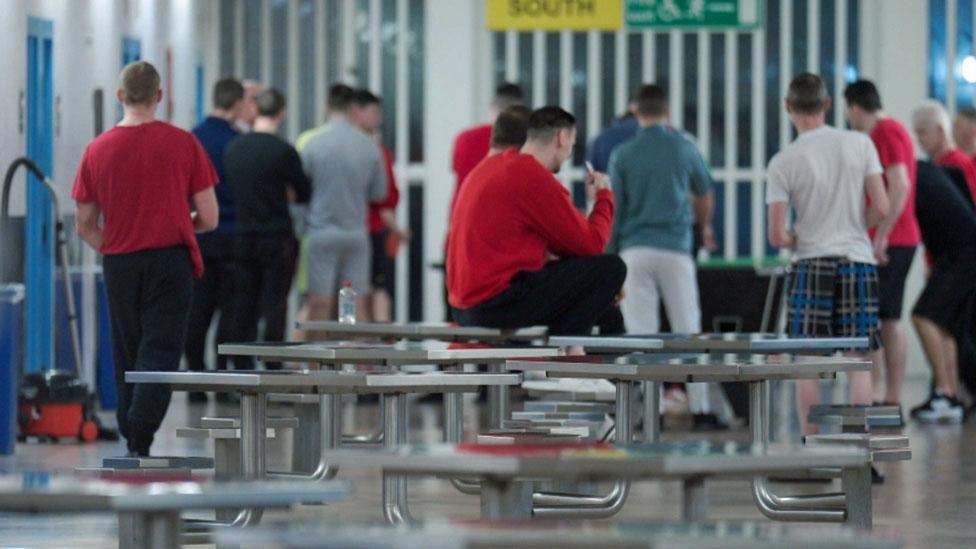
Longer sentences and fewer short-term prisoners
Reducing the short-term prison population has been a key objective of successive Scottish governments. This has been pursued through a longstanding policy discouraging prison sentences under 12 months.
Emergency measures have also been implemented recently to decrease the short-term inmate numbers. Since June 2024, over 1,400 prisoners have been released early in three waves of emergency releases.
Furthermore, the automatic release point for some short-term prisoners was lowered from 50% to 30% of their sentence.
Despite these efforts, the overall prison population has continued to rise, primarily due to a significant increase in longer-term prisoners, who now constitute 65.8% of the sentenced population.
This trend is partly driven by a 40% increase in average sentence lengths over the past decade.
The rise in long-term prisoners also reflects growing convictions for historic sexual offenses and serious organized crime, with approximately 660 inmates linked to serious organized crime gangs and many others associated with lower-level local gangs.
What is the prison service and government saying?
The Scottish Prison Service (SPS) has long warned that the current prison population levels are unsustainable.
Linda Pollock, the SPS's new chief executive, described the overcrowded conditions as "very serious." She stated:
"We've seen this in England and Wales and across Europe as well so we're not alone, but this is significantly impacting our ability to work with people, to be able to help them on the rehabilitation journey.
"The emergency releases have had an impact but we need further action if we want to be safe and we want to be sustainable."
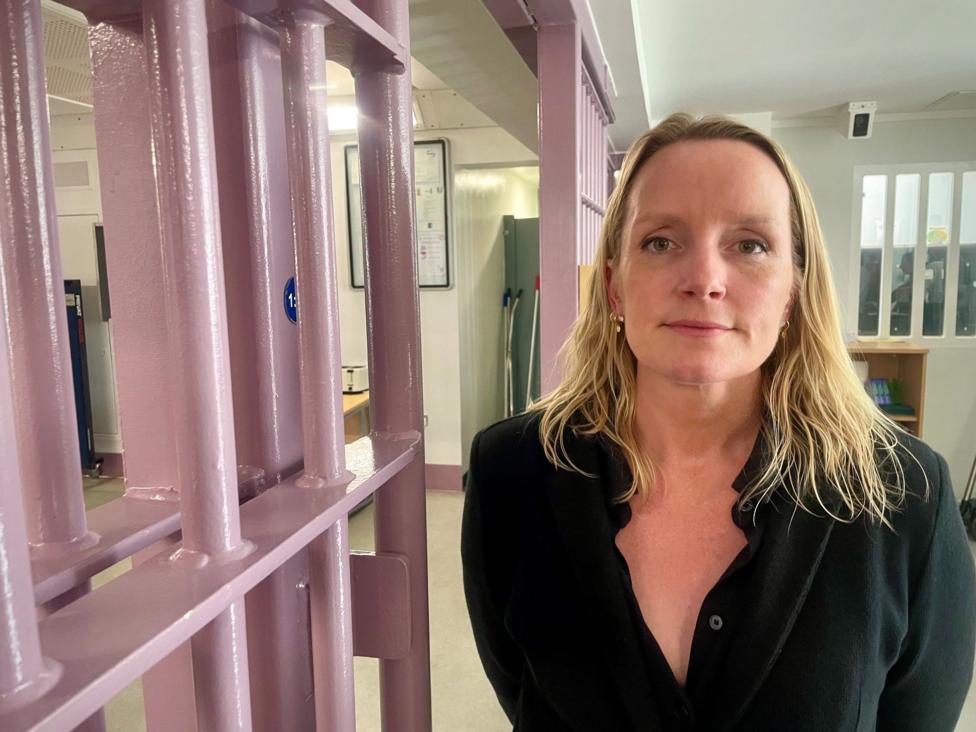
Justice Secretary Neil Gray addressed a debate at Holyrood concerning prison overcrowding, announcing that 400 additional prison spaces are being created within the existing estate.
This includes the delayed and over-budget replacement for Barlinnie prison in Glasgow and a new prison in Inverness, which is now scheduled to open in spring 2027 rather than by the end of this year as initially planned.
Gray emphasized:
"Protecting victims and the public is my top priority, and I am clear that prison will always be necessary.
"It is absolutely crucial, however, that our prisons function safely and effectively. If not, rehabilitation breaks down, reoffending rises and more people become victims.
"With the sustained population pressures we have seen over recent years, that is the reality we are facing, and that is why we must act."
- Ministers urged to rethink jail sentences of less than two years
- Early release scheme 'not enough' to reduce prisoner numbers, say jail bosses
- Early release of prisoners will cause victims anxiety, admits minister


