

Paris Court Rules on TotalEnergies' Climate Risk Disclosure
A French court has mandated that TotalEnergies, the French oil company, disclose the climate risks associated with emissions from its oil and gas products and outline plans to address these risks. This ruling comes from a high-profile case initiated by non-governmental organizations (NGOs) and the city of Paris.
The decision, issued on Thursday, represents a partial victory for climate change advocacy groups aiming to apply France’s 2017 corporate duty of vigilance law to the climate crisis. However, the court did not require TotalEnergies to implement specific measures such as restricting overseas exploration and production or establishing binding emissions reduction targets.
Legal Context and Court's Interpretation
This case is part of an increasing number of legal actions targeting major corporate emitters. The NGOs and TotalEnergies contested at the Paris judicial court whether environmental risks fall under the scope of France’s corporate duty of vigilance law, enacted in 2017.
The court stated:
“Climate-related risks and impacts to which the company may contribute through its activities fall within the scope of the law on the duty of vigilance for parent companies and ordering companies.”
The city of Paris described the ruling as “a landmark decision in the history of French climate law.”
Alice Timsit, deputy mayor of Paris, commented:
“For the first time, a judge recognises that climate risks do indeed fall under the duty of vigilance owed by large corporations, and no fossil-fuel multinational can evade this responsibility.
“The city joined this lawsuit because we are experiencing first-hand the impact of climate change on a densely populated, urban metropolis,”
Timsit said this amid a record-breaking heatwave affecting the city.
Arguments Presented by Both Sides
During hearings in February, TotalEnergies’ legal team argued that the duty of vigilance law did not cover global warming. Conversely, the four NGOs involved in the lawsuit maintained that the law’s reference to prevention of environmental risks includes both local pollution and climate change.
The claimants specifically accused TotalEnergies of refusing to account for indirect emissions from end users, which they estimated at 342 million tonnes of CO2 equivalent in 2024.
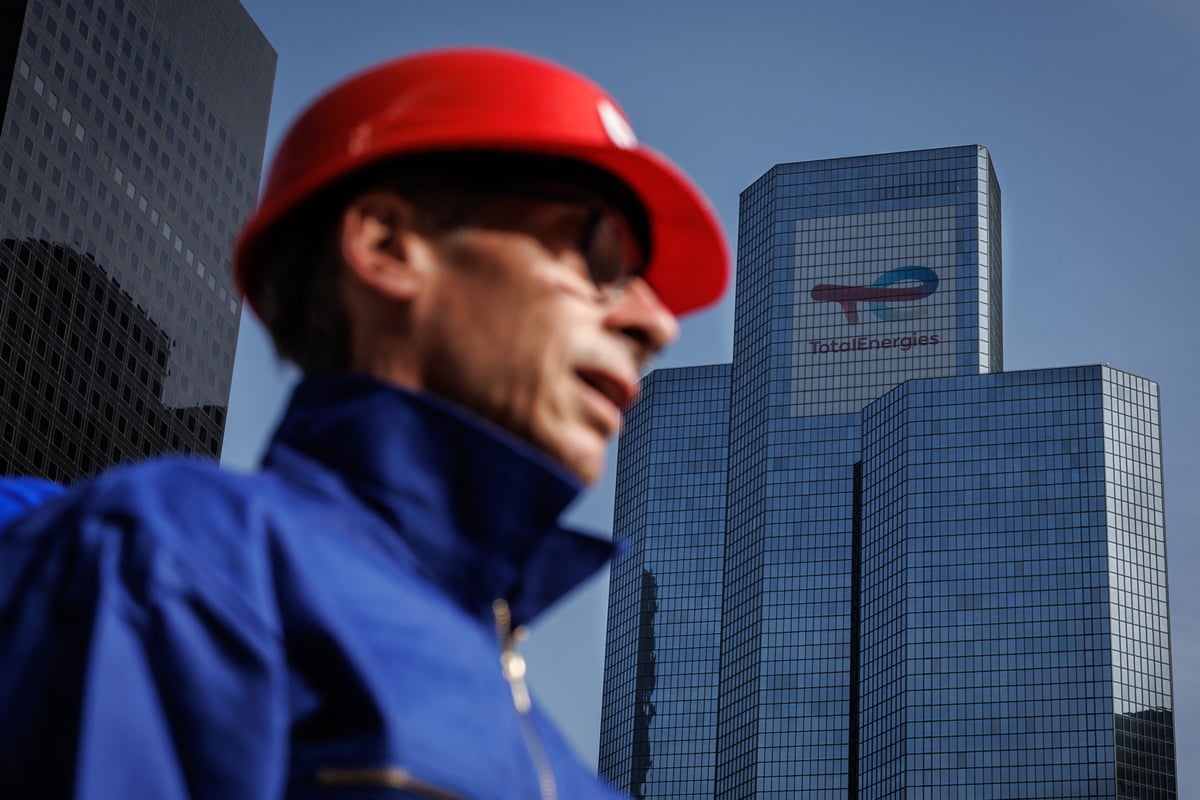
TotalEnergies contended that the law applies only to emissions from the company’s own operations and those of its contractors, excluding emissions resulting from customer activities.

However, the court found the company’s vigilance plan to be “incomplete” and ordered TotalEnergies to revise it within six months to incorporate such emissions from end users, commonly referred to as Scope 3 emissions.
The court explained:
“Scope 3 greenhouse gas emissions are among the emissions resulting from the group’s activities within the meaning of the law, due in particular to the inherent link between oil and gas production and the combustion of the products by users.”
TotalEnergies' Response and Court's Limitations
TotalEnergies stated that it was subject to “demonisation” by the claimants. Its lawyers argued that climate change would persist even if the company, which accounts for less than 2% of global oil and gas production, ceased its operations.
The NGOs sought a court order to halt new fossil fuel projects by TotalEnergies and to mandate production reductions of 37% for oil and 25% for gas by 2030.
However, the court declined to impose such specific measures, noting that the law does not empower judges to “take the place of the company” in demanding particular actions.
TotalEnergies described the requested measures as unreasonable and ineffective, arguing that cutting production or cancelling projects would merely shift output to competitors.
In an uncommon intervention, the Paris public prosecutor participated in the civil proceedings, supporting TotalEnergies’ position by cautioning that imposing an overly broad protection obligation on companies would be impractical.
Case History and Broader Context
Initiated in 2020, the case has yielded interim successes for campaigners. In 2024, the Paris appeals court permitted the lawsuit to continue but dismissed claims from several local authorities, including New York City, which had sought to join the case. Only the city of Paris was recognized as having legal standing.
Similar legal actions against major polluters have occurred worldwide. In late 2024, a Dutch appeals court overturned a ruling that had required Shell to increase its emissions reductions. The Netherlands’ supreme court is expected to issue a final decision on that case.
Expert Commentary
Joy Reyes, a policy fellow at the Grantham Research Institute on Climate Change and the Environment, stated:
“This is a significant decision, the first in France to bring a company’s full climate impact within its legal duty of vigilance. The court held that climate risks are part of that duty, addressing them is a legal obligation, not voluntary good practice.”
Dr Noah Walker-Crawford, a research fellow at the Grantham Research Institute, added:
“This judgment is grounded in scientific consensus, treated by the court as established rather than open to dispute. Emissions warm the planet, that warming threatens human rights and that fossil fuel producers contribute to it.
“Central to the ruling was the inevitability of combustion. Oil and gas extracted for sale will be burned and the resulting emissions are causally tied to its extraction. The judgment reflects that the need to urgently respond to climate change is supported not only by science, but by law.”


