

Victory Day Parade Scaled Back in Moscow
Russia will conduct a reduced Victory Day parade in Moscow on 9 May, omitting military hardware for the first time in nearly twenty years due to concerns over potential long-range drone attacks by Ukraine.
The Russian defence ministry announced that no armoured vehicles or missile systems would be part of the parade on Red Square, which commemorates the Soviet victory over Nazi Germany. The decision was attributed to "the current operational situation."
Additionally, cadets from military schools and youth military institutions will not participate in this year’s event.
The Kremlin stated on Wednesday that the changes to the annual parade were a response to what it described as "Ukrainian terrorist activity."
Russian military bloggers and analysts have speculated that Moscow is concerned about Ukrainian long-range drone strikes targeting military equipment either before or during the parade.
Ruslan Leviev, an independent analyst, explained to the TV Rain outlet:
"Equipment is vulnerable even during the preparation stage, as columns park and rehearse outside Moscow on open training grounds that are easy to hit with drones. Hitting soldiers in the city centre among tourists would not be so straightforward."
Since Russia’s full-scale invasion of Ukraine in 2022, Victory Day parades have been scaled down, featuring reduced military displays and fewer foreign dignitaries.

Last year’s 80th anniversary celebration was an exception, with at least 27 foreign delegations attending and a full procession of tanks, rocket launchers, and drones parading across Red Square.
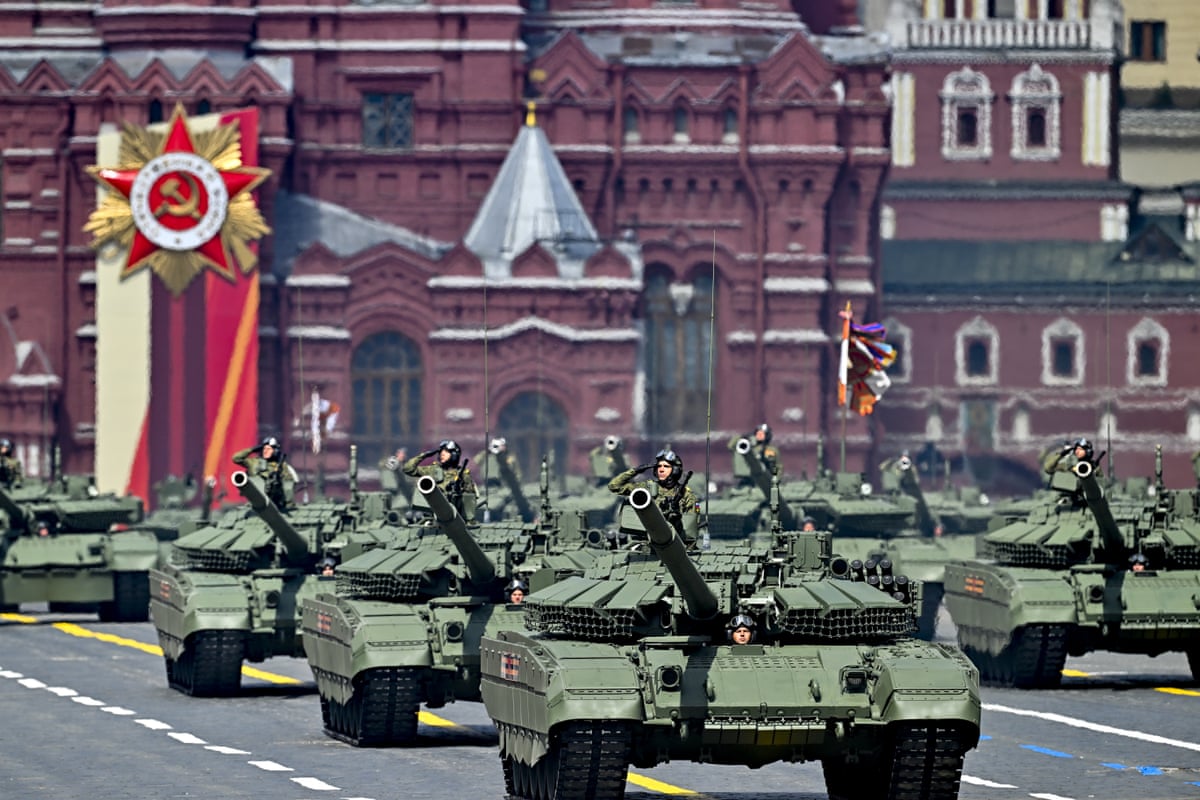
Over Vladimir Putin’s more than 25 years in power, Victory Day has become a central element of his vision for Russian identity. However, since the onset of Russia’s conflict in Ukraine, the Kremlin’s extensive propaganda efforts have imbued the event with new significance, with Putin using the celebrations to justify the ongoing war.
Ongoing Ukrainian Drone Strikes on Russian Territory
This year’s reduced parade coincides with continued near-daily Ukrainian long-range drone strikes targeting Russian territory.
The attacks have predominantly focused on industrial and military targets, including oil infrastructure and logistics hubs, occasionally causing large fires and prompting civilian evacuations.
In the southern Russian city of Tuapse, repeated drone strikes on a major oil refinery ignited massive fires, blanketing the city in toxic black rain and compelling authorities to advise residents to remain indoors.
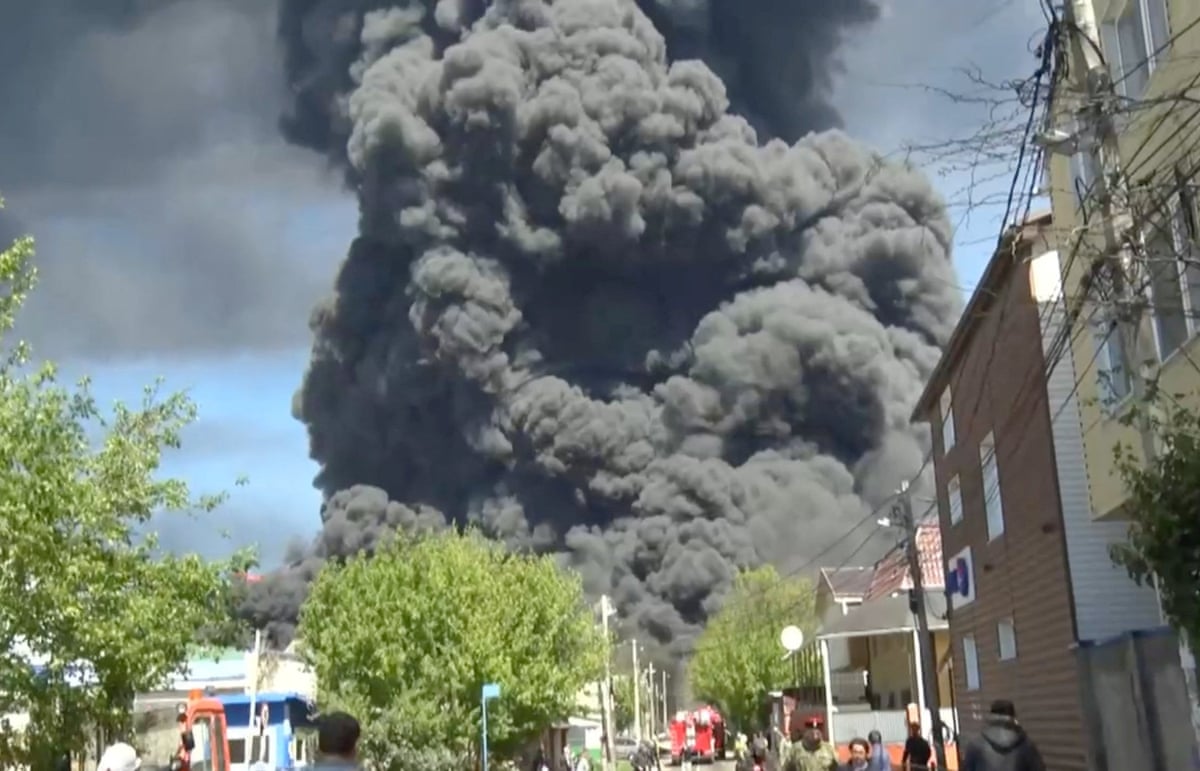
Overnight, Ukrainian attack drones also targeted an oil pumping station in Russia’s Perm region, located deep within the Ural Mountains.
Ukrainian President Volodymyr Zelenskyy praised the precision of Ukraine’s Security Service on Wednesday, highlighting that the targets were struck from distances exceeding 1,500 kilometers. He wrote on X:
"We will continue to extend these ranges," adding that every strike aims to reduce Russia’s military industry, logistics, and oil exports.
However, analysts caution against overestimating the economic impact of these strikes. A recent surge in oil prices, driven by conflicts in the Middle East, has allowed Moscow to generate billions in revenue despite some refineries being attacked.


