

Morning opening: Russia continues strikes on Ukraine
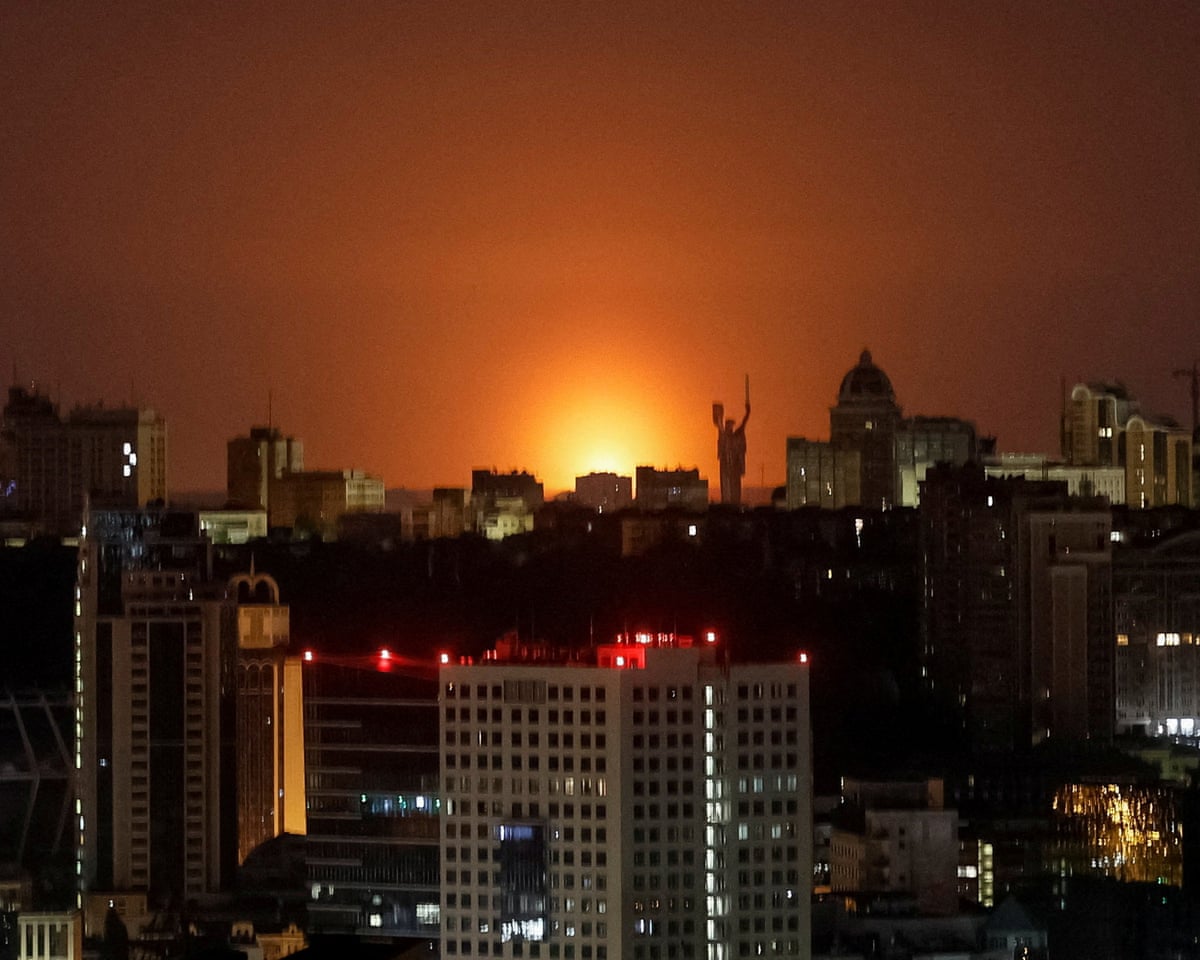
Following a day marked by intense attacks on Wednesday, Russia has persisted with strikes overnight, resulting in at least one fatality and 40 injuries in Kyiv, the Ukrainian capital, due to reported hits on civilian infrastructure.
Ukraine’s president, Volodymyr Zelenskyy, responded to the attacks, stating:
"These are definitely not the actions of those who believe the war is coming to an end. It is important that partners do not remain silent about this strike."
He added that over the past 30 hours, Russia has deployed more than 1,500 drones against Ukraine.
Kyiv’s mayor, Vitali Klitschko, reported that at least 18 apartments were destroyed directly by the attack, with water supply issues affecting left bank Kyiv. He confirmed that 40 people were injured, 31 of whom required hospitalisation.
Elsewhere, some parts of Europe are observing a bank holiday today, with events including the Charlemagne ceremony in Germany and a meeting between Finnish and Lithuanian presidents to discuss regional security. Media reports have also surfaced regarding potential US troop movements out of Poland, although the Polish government has denied these claims.
Additionally, the second Eurovision semi-final is scheduled for tonight.
It is Thursday, 14 May 2026. Jakub Krupa reporting, and this is Europe Live.
Kremlin spokesperson Dmitry Peskov indicated that Russia is "expecting [its] own separate contacts with Xi Jinping" when questioned about whether Beijing and Moscow would discuss the outcome of Donald Trump’s visit to China. He also announced that Vladimir Putin will soon travel to China.
Meanwhile, Trump and Xi Jinping are attending a state banquet at the Great Hall of the People in Beijing. In an apparent effort to highlight the closeness of US-China relations, Trump told an audience of government officials and business leaders that Chinese people enjoy wearing blue jeans and watching basketball.
Live coverage of Trump’s trip to China is available.
Conflicting reports have emerged regarding the US allegedly cancelling a planned deployment of 4,000 troops to Poland. Poland’s defence minister, Władysław Kosiniak-Kamysz, has denied these reports, which were initially published by the Wall Street Journal and US military media, stating that discussions are underway to increase American presence in Poland.
France-based Euronews has reported that the cancellation is linked to a Pentagon decision following a public disagreement between US President Donald Trump and German Chancellor Friedrich Merz. The US has not yet commented on these reports.
The International Atomic Energy Agency (IAEA) has reported a "major increase in drone activity" near Ukrainian nuclear power plants. The UN nuclear watchdog recorded over 160 drones flying near the South Ukraine, Chornobyl, and Rivne nuclear power plants since yesterday.
In a social media statement, the IAEA said:
"While the IAEA’s teams report no direct impact on nuclear safety at these sites, IAEA director general Rafael Grossi expresses deep concern about such military activities near NPPs [nuclear power plants] and reiterates need to fully respect the 7 indispensable pillars for ensuring nuclear safety and security during the conflict. Grossi also calls again for maximum restraint to avoid the risk of a nuclear accident."
Strikes on Ukraine show Russia 'is running out of solutions,' Macron says
French President Emmanuel Macron has condemned the recent Russian strikes, stating they demonstrate Moscow’s lack of a path to victory.
Macron said:
"By launching a new massive strike of drones and missiles against Ukrainian cities and civilians – the largest in the past four years – Russia is further compounding the outrage of its aggression.
It lays bare all the hypocrisy with which it negotiated the fragile truce of the past few days.
By bombing civilians, Russia demonstrates less its strength than its weakness: it is running out of solutions on the military front and does not know how to end its war of aggression.
France stands alongside Ukraine and the Ukrainian people and will continue to mobilise to secure a cessation of hostilities and bring about a just and lasting peace for Ukraine, one that guarantees its security and that of Europe."
Russian attacks on Ukraine 'speak different language' to peace declarations, Merz says, as he rejects calls to involve Schröder in peace talks
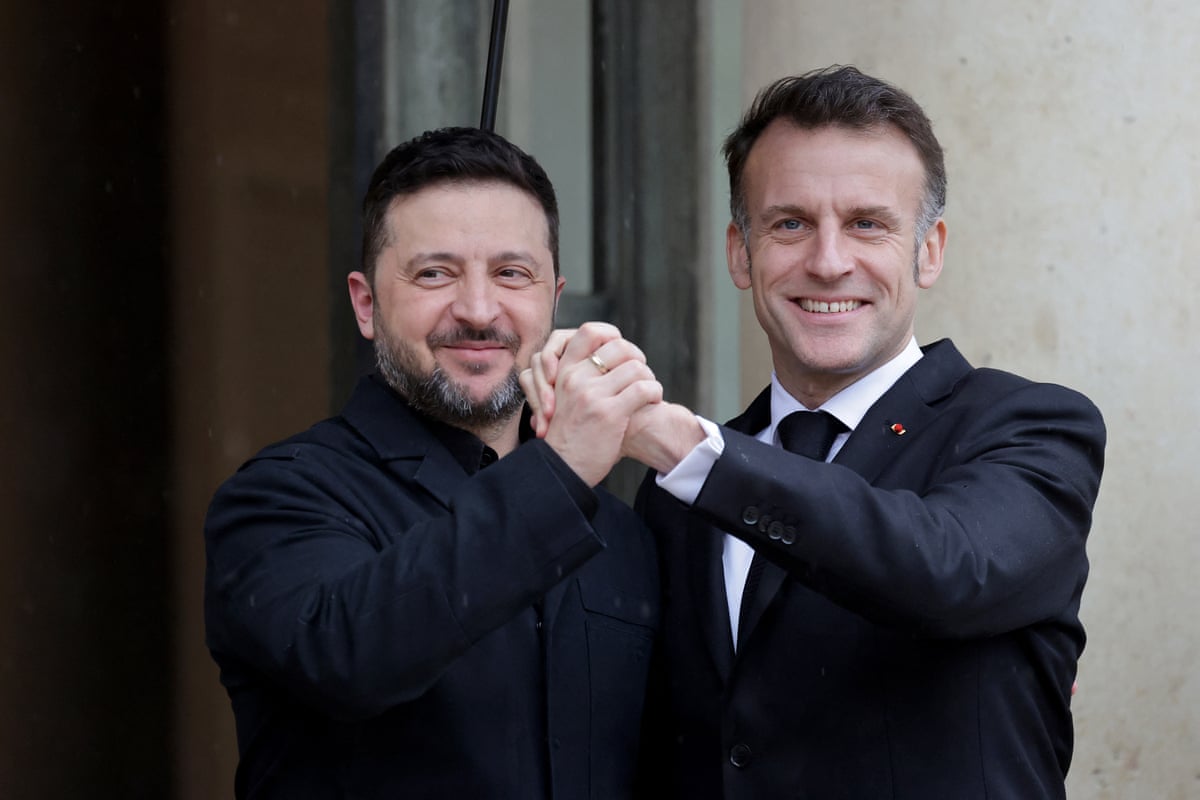
German Chancellor Friedrich Merz strongly condemned the Russian attacks on Ukraine overnight and rejected Vladimir Putin’s suggestion that former Chancellor Gerhard Schröder could mediate peace talks.
Speaking in Aachen, Merz stated that while Ukraine and Europe seek to end the war swiftly, the Russian attacks contradict Putin’s claims that the conflict may be nearing its end.
He said:
"Willingness to talk requires willingness to talk on both sides."
Addressing Putin’s proposal regarding Schröder, Merz said:
"Last but not least, we Europeans decide for ourselves who speaks for us. No one else."
Merz’s speech also included assertive remarks on Europe’s trade and economic policies, emphasizing Europe’s power and influence in shaping the global order. He argued:
"Europe has the opportunity to help shape the new world order, to ensure that it is governed by norms and rules instead of arbitrariness and the law of the strongest.
Others are also dependent on us; not only us on them. If we show that we are ready to use this economic power if necessary, then we can achieve a great deal."
"The potential of a single European market is larger than that of the US, so we [should] finally complete the single market as originally envisioned."
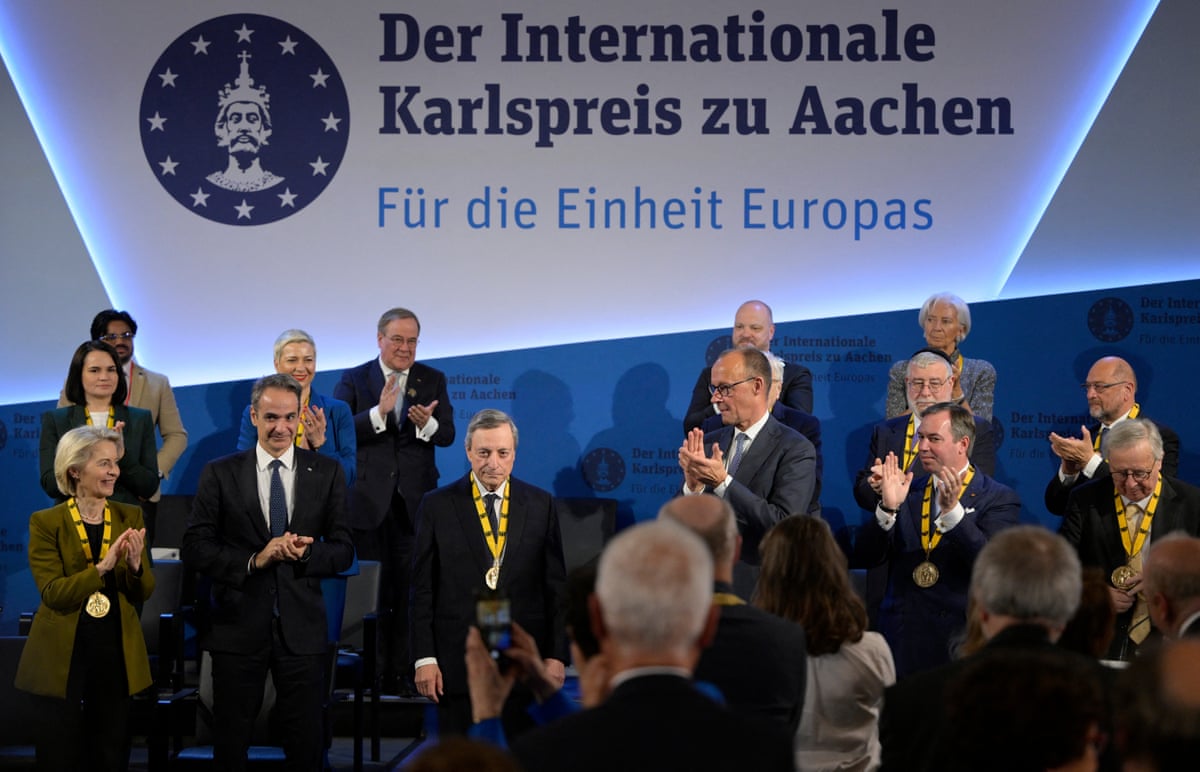
Merz delivered these remarks at a ceremony in Aachen awarding former Italian Prime Minister Mario Draghi the Charlemagne Prize for significant contributions to peace, unity, and cooperation in Europe.
He praised Draghi, a former European Central Bank chief during the eurozone crisis, as a key advocate for EU reforms, calling for a "Draghi-proofed" EU budget for the next seven years.
Merz advocated for streamlined EU structures, investments in competitiveness and defence, and a focus on European funds for European policy.
Alongside Greek Prime Minister Kyriakos Mitsotakis, Merz humorously noted:
"A Greek and a German bow before an Italian; this type of interaction across borders is the best basic condition for success in Europe."
Five dead, 10 missing, 70 injured after Russian strikes overnight, Zelenskyy says
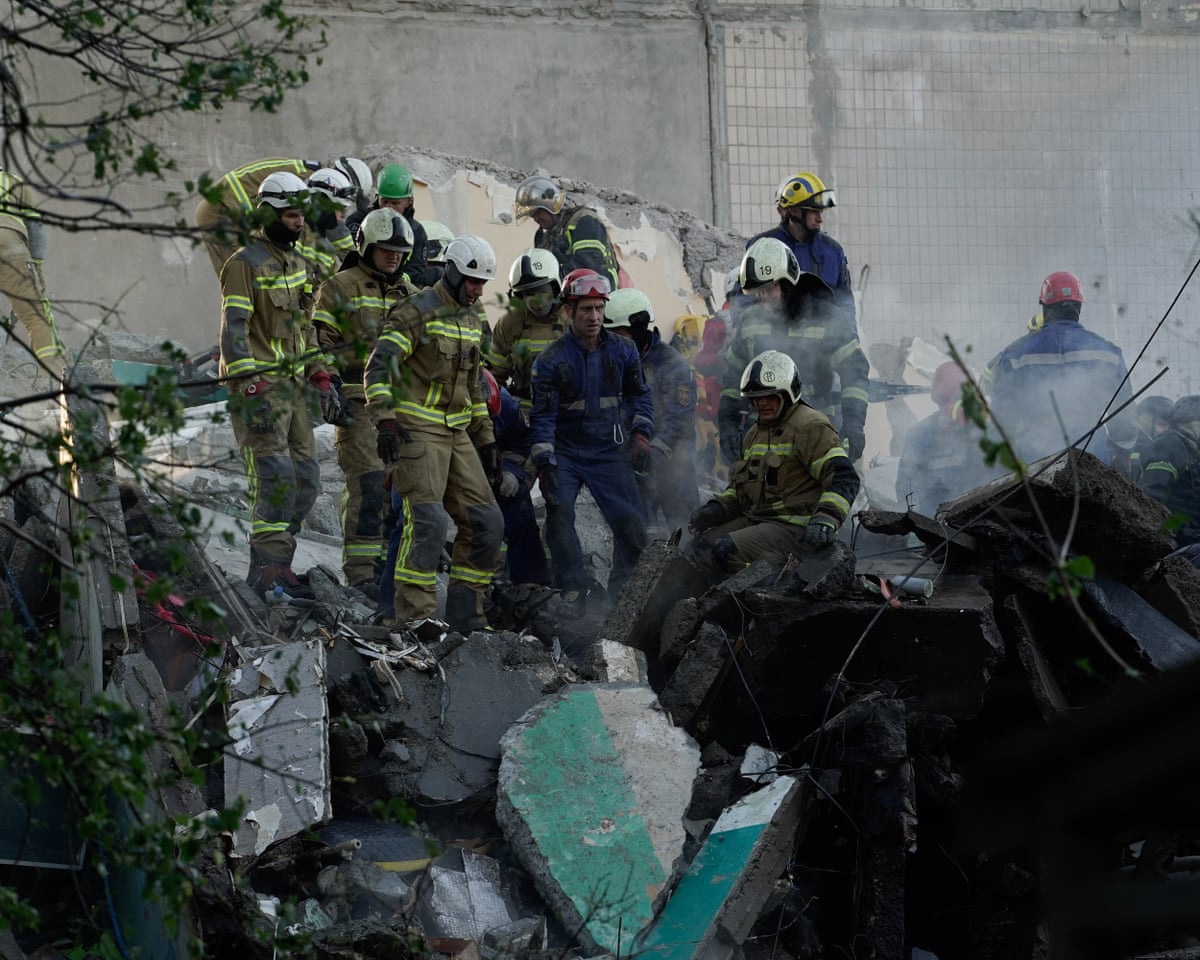
Ukraine’s President Volodymyr Zelenskyy provided an update on the overnight attacks, confirming at least five fatalities and more than 70 injuries nationwide. Ten people are reported missing.
Zelenskyy detailed:
"Around 40 people have been injured in the capital, and another 7 in the [wider] Kyiv region. There are already 28 injured in Kharkiv. And two people have been injured in the Odesa region. In total, 180 sites have been damaged across the country, including more than 50 ordinary residential buildings."
He also reported that a UN vehicle was targeted by Russian drones earlier today, carrying the head of the UN Office for the Coordination of Humanitarian Affairs and eight other staff members.
Zelenskyy emphasized the need for accountability and continued sanctions against Russia, stating:
"There must be a just response to all these strikes. And pressure on Moscow must be such that they feel the consequences of their terror there. It is important that global sanctions against Russia remain in place. Russia’s accountability for this war, and our sanctions pressure, must work at full strength. And it is also very important that the world does not stay silent about this terror and stands with Ukraine."
What led to Latvia's prime minister's resignation?
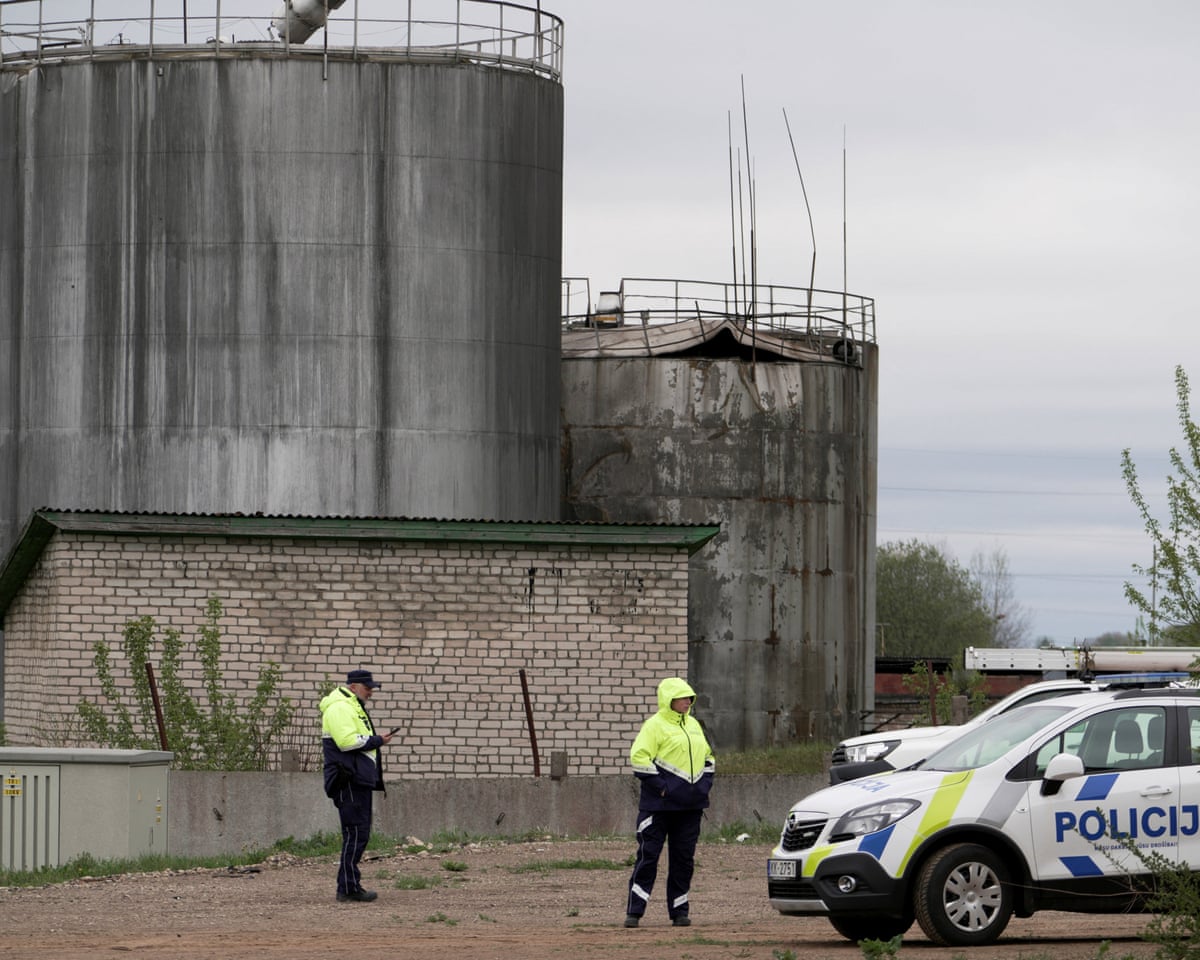
Background to the resignation involves a recent drone incursion incident. On 7 May, two suspected Ukrainian drones entered Latvia, with one crashing at a fuel storage facility.
Latvia’s then-defence minister, Andris Sprūds, stated the drones were likely Ukrainian and intended to target Russia but ended up in Latvia by mistake.
Since March, multiple Ukrainian drones targeting Russia have entered the territories of the three Baltic countries. Critics argue these incidents exposed weaknesses in Latvia’s military threat response capabilities.
The Latvian governing tripartite coalition, which included an agrarian party, had been under strain for months over various issues.
Ukraine’s foreign minister, Andrii Sybiha, commented on Sunday that the incidents in Latvia were "the result of Russian electronic warfare deliberately diverting Ukrainian drones from their targets in Russia." He offered Ukraine’s assistance to the Baltic states and Finland to prevent future occurrences.
What's next for Latvia after prime minister's resignation?
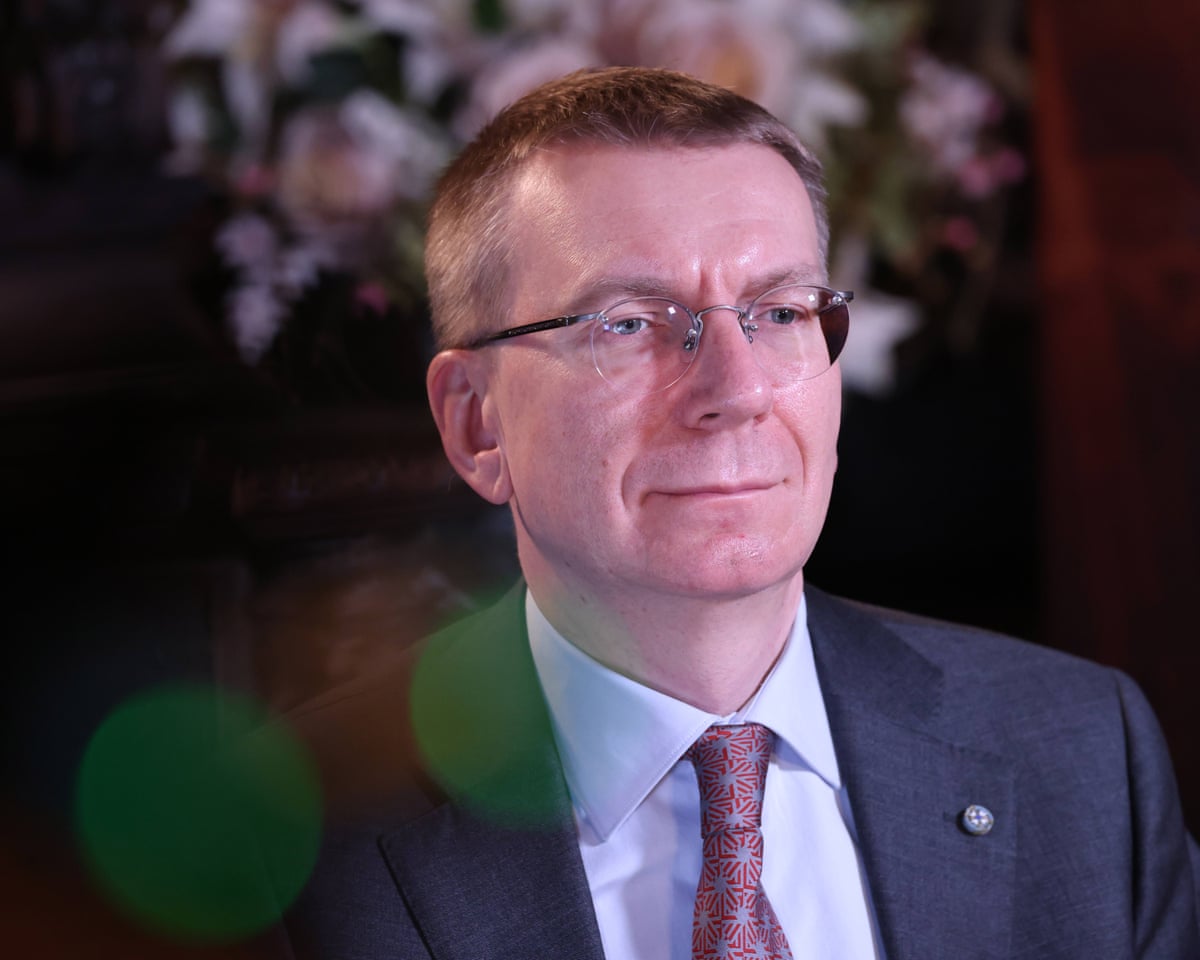
Latvian public broadcaster LSM reported on the process following Prime Minister Evika Siliņa’s resignation this morning. Her resignation letter has been submitted to President Edgars Rinkēvičs.
The government will continue as a caretaker administration until a new government is formed, with political consultations scheduled to begin on Friday.
President Rinkēvičs is expected to seek a new prime minister who can command a parliamentary majority until the elections in October. He noted the international situation is too "fragile" to allow political instability.
If negotiations extend, the current government may continue in a technical capacity for a longer period.
Slovakia condemns Russian attacks near its border with Ukraine
Slovakia has joined Hungary in condemning Russian air attacks on the neighboring Zakarpattia region.
Slovak Foreign Minister Juraj Blanár stated that the strikes undermine prospects for ending Russian aggression in Ukraine and "limit the space for peace dialogue."
He noted that Zakarpattia is home to many ethnic Slovaks.
The political criticism follows the temporary closure of Slovakia’s border crossings with Ukraine due to the intensity of the attacks.
Hungary summons Russian ambassador over strikes near its border with Ukraine
The new Hungarian government has summoned the Russian ambassador following a significant drone attack in the Zakarpattia region near Hungary’s border.
The region holds symbolic importance for Hungary.
Hungarian Prime Minister Péter Magyar said during a press conference in Ópusztaszer, southern Hungary:
"The Hungarian government strongly condemns the Russian attack on Zakarpattia."
Hungary’s new Foreign Minister, Anita Orbán (no relation to Viktor Orbán), will meet with Russian Ambassador Evgeny Stanislavov to express condemnation and seek information on when Russia and Vladimir Putin plan to end the war that began over four years ago.
'Difficult, but honest decision,' Latvia's prime minister Siliņa says as she resigns from post
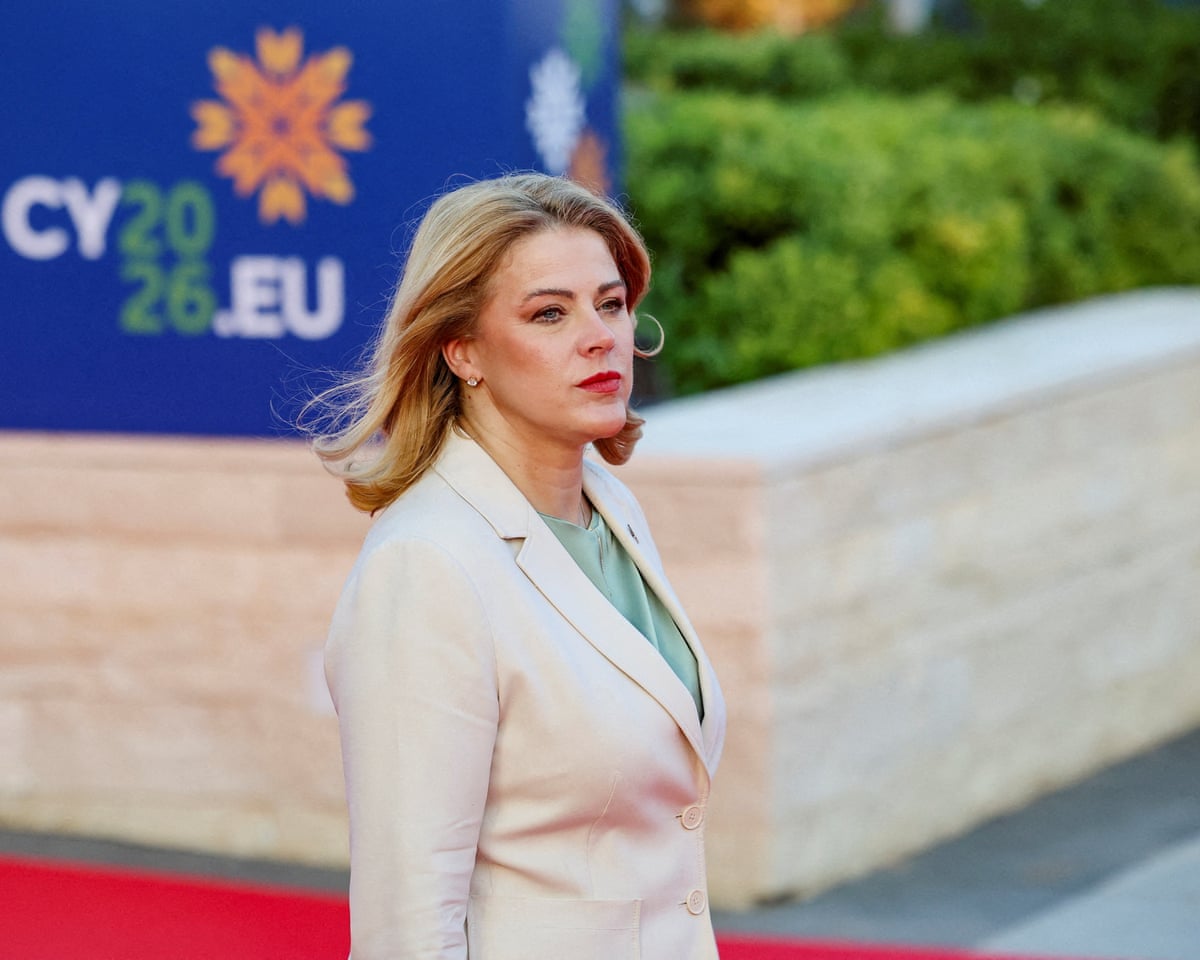
Latvia’s Prime Minister Evika Siliņa addressed the media, describing her resignation as "a difficult, but honest" decision.
She criticized her former coalition partners from the Progressives, stating:
"At the moment, political jealousy and narrow party interests have taken precedence over responsibility."
She blamed them for "choosing a crisis instead of a solution."
Latvia's prime minister resigns in aftermath of drone incursion
Prime Minister Evika Siliņa announced her intention to resign after her coalition partners, the Progressives, refused to support her dismissal of Defence Minister Andris Sprūds following the recent drone incident.
Siliņa expressed frustration with the response to the incident. The Progressives declined to back the replacement minister, Raivis Melnis, effectively withdrawing support for the prime minister and leaving her without a parliamentary majority.
In a hastily arranged media statement, Siliņa emphasized that while she is resigning to protest petty party disputes, she is "stepping down, but not giving up."
Her remarks may indicate intentions ahead of the parliamentary elections scheduled for October.
Further talks to resolve the political crisis are expected, with a potential interim government to lead until the elections.
President Edgars Rinkēvičs plans meetings with parliamentary party leaders on Friday, stating:
"Latvia cannot afford political uncertainty and instability."
Latvian prime minister reportedly about to resign from office after drone incursion
Latvian politics have intensified recently due to disagreements over handling a recent drone incursion. Early reports indicate Prime Minister Evika Siliņa plans to resign.
Latvia’s public broadcaster LSM has reported her intention to step down.
Updates will continue to be provided as the situation develops.


