Record-Breaking Temperatures Across the Island of Ireland
Tuesday marked the hottest May day on record across the island of Ireland, with temperatures approaching 30°C. Met Éireann, the Irish weather service, confirmed that temperatures reached 29.2°C today in Oakpark, County Carlow, surpassing Monday's previous record of 28.6°C at Shannon Airport in County Clare.
This achievement establishes Tuesday as the warmest May day ever recorded on the island and the hottest day of the year so far.
Met Éireann has issued a yellow warning for high temperatures affecting counties Clare, Galway, Kerry, Kilkenny, Laois, Limerick, Offaly, and Tipperary from Tuesday at 12:00 BST until Wednesday at 18:00 BST.
Temperatures in Northern Ireland are expected to be lower, with the north coast likely to remain around 15-16°C, while areas further south and inland, such as Fermanagh, may experience temperatures near 23°C.
On Bank Holiday Monday, temperatures reached 25.8°C in Derrylin, County Fermanagh.
Meanwhile, the UK recorded its all-time highest May temperature on Monday, with London reaching 34.8°C.
The 104-year-old May temperature record for Northern Ireland stands at 28.3°C, set in Lisburn on 31 May 1922. The previous May record for the island of Ireland was 28.4°C, recorded at Ardfert in County Kerry on 31 May 1997.
The hottest conditions on Tuesday are anticipated across Munster and south Leinster.
Met Éireann described the day as "another warm or hot day and it'll be dry and sunny for most".
Meteorologist Gerry Murphy noted that breaking temperature records in May is "quite a big deal".
He explained that heatwaves are becoming more frequent and intense due to human-induced climate change. The global average temperature has already increased by approximately 1.2°C since the start of the industrial era, and temperatures are projected to continue rising unless significant emission reductions are implemented worldwide.
Murphy emphasized that while the record itself "cannot be linked specifically to climate change," the occurrence of very high temperatures with a given return period can be linked.
"That means an extreme weather event which is likely to be seen once in every hundred years is now becoming more common and is now recurring once in every 30 years," he added.
Why Is It Difficult to Fall Asleep in the Heat?
Hot weather can make it challenging to achieve restful sleep. Most adults require approximately seven to eight hours of quality sleep each night to function optimally, although many can manage after one or two nights of disturbed sleep.
Sleep expert James Wilson explained that sleep cannot be forced and that a negative mindset about sleeping in warm conditions can exacerbate difficulties.
"If our narrative around sleeping in a warmer than usual environment is quite negative then we're going to struggle," he said.
"We can talk ourselves into poor sleep by thinking and believing it's too hot," he added.
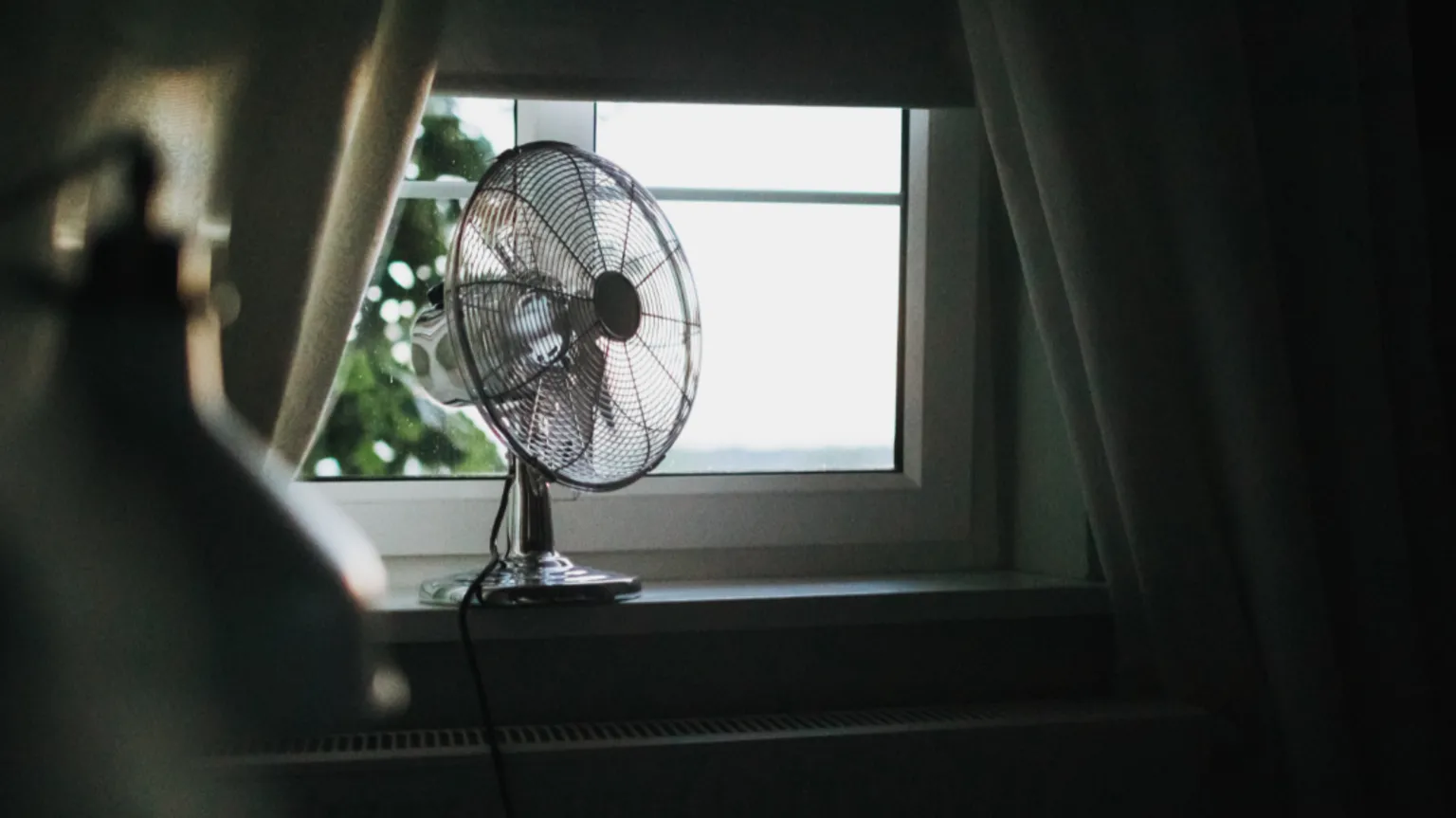
Wilson recommended practical measures to improve sleep quality during warm nights, such as closing blinds or curtains when direct sunlight enters the bedroom, keeping a window open to allow fresh air circulation, or temporarily moving to a cooler room.
He noted that sudden changes in body temperature before bedtime can activate brain functions that promote alertness rather than sleep.
"Fix it early and adapt," he advised.
How Can We Protect Our Pets?
Pets require additional care to stay cool during hot weather because they have limited ability to regulate their body temperature. Unlike humans, dogs do not sweat extensively, only perspiring slightly through the pads of their paws. Their often thick fur coats can cause their core temperature to rise rapidly in high heat.
Glenn Ford, who manages the BARN animal rescue center in Newtownards, where over 30 dogs and 20 cats are cared for, observed that animals tend to become lethargic in warmer conditions.
"Some of the dogs have got thick coats or double coats, so you have to keep an eye on them all the time to make sure they have plenty of water, clean fresh water.
"The main thing to watch or what you need to be careful with is if they get too lethargic or start showing the signs of heat stroke or, dehydration. That's when you've got a problem," he added.
Ford stressed the importance of cooling pets properly if they show signs of overheating.
"People sometimes tend to think, throw a bucket of water around them or something like that, it's not a good idea."
"He said the best thing to do is have a wet area that they can lie on themselves."
He also advised against walking dogs during excessively warm weather to avoid risks such as overheating, sunstroke, heatstroke, or paw burns from hot surfaces.
"Watch out for signs of panting, bright red gums or tongue, heavy breathing," he said.
"Worst case scenario the dog might get wobbly walking or fall over.
"If you do reach that stage you definitely need to look at getting your animal to the vet for treatment.
"It can be fatal, that's how bad it is."