

Swift Transition Following Orbán's Defeat
Péter Magyar and his victorious Tisza party have promptly begun preparations for the transfer of power in Hungary after their dramatic landslide victory over Viktor Orbán last Sunday.
The Tisza party secured 52% of the vote, ending Orbán's party's 16 years of continuous rule, translating into 141 seats in the 199-seat National Assembly.
Orbán's Fidesz party experienced a significant decline, dropping from 135 to 52 seats.
The final vote count, including recounts in closely contested constituencies and votes cast abroad, is expected to be completed by Saturday.
Magyar has obtained a commitment from President Tamás Sulyok to convene the new parliament during the week beginning 4 May, enabling parliament to elect the new government.

Magyar's Media and Legislative Plans
Magyar has given assertive interviews to public service TV and radio, which have largely ignored or criticized him over the past two years.
He has pledged to enact legislation suspending their news programs until impartial editors can be appointed.
With a so-called super-majority exceeding two-thirds of parliamentary seats, Magyar also intends to retroactively limit the number of terms a prime minister can serve to two.
Viktor Orbán has already served five terms. If this legislation passes, Magyar could effectively prevent Orbán's return to power.
Orbán Breaks Silence
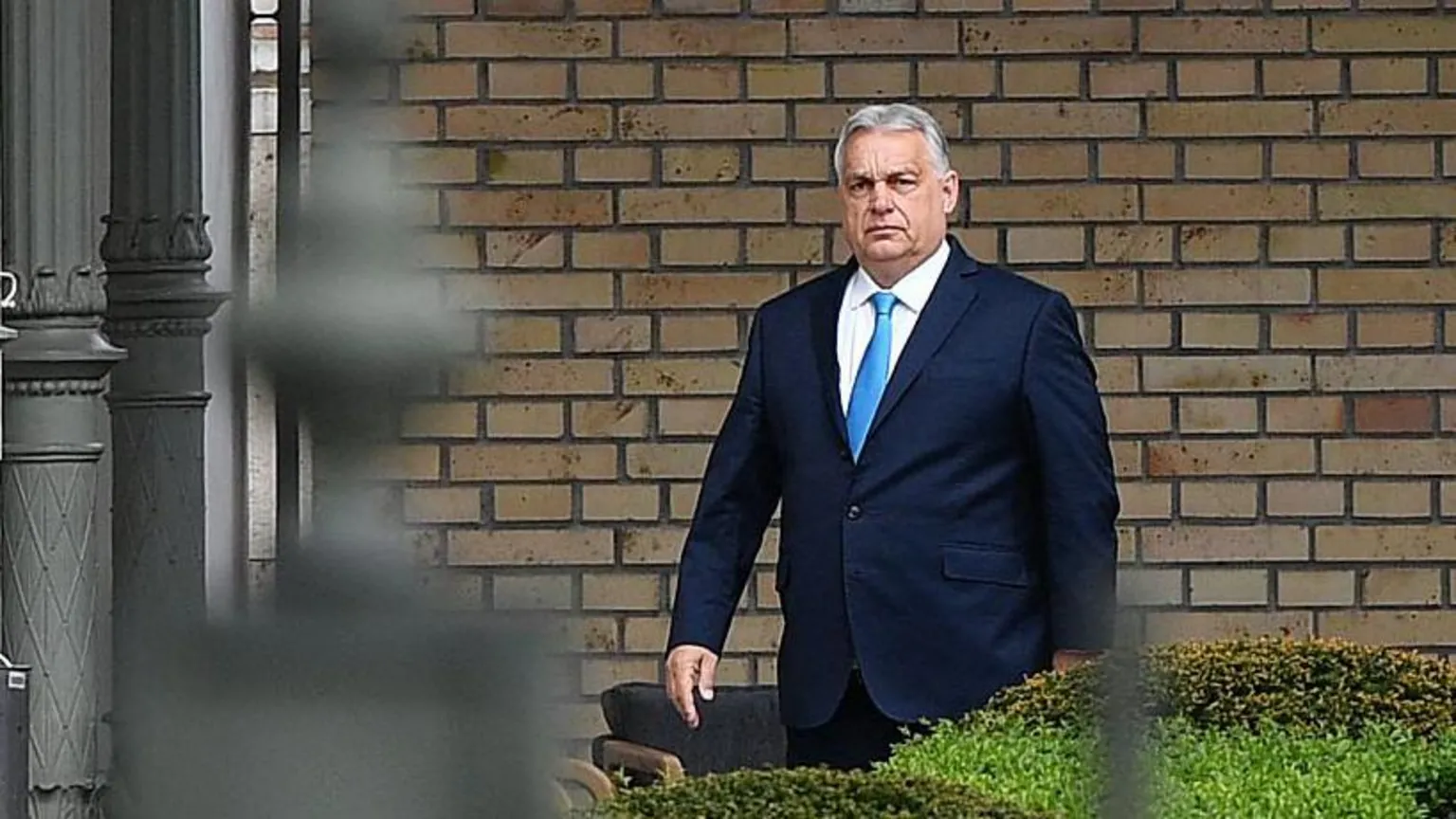
It was not until late Thursday that Orbán finally addressed the public following Sunday's defeat, in an interview on the Patrióta YouTube channel.
"This is the end of an era," said Hungary's defeated leader. "We must bear this defeat with dignity."
He expressed feelings of "pain and emptiness" regarding the loss and accepted full personal responsibility. However, he did not analyze major campaign errors aside from the failure to complete the Russian-designed Paks 2 nuclear power station, which is six years behind schedule.
A meeting of Fidesz's top leadership is scheduled for 28 April, ahead of a party congress in June.
In the interview, Orbán stated he would continue to lead Fidesz if re-elected but acknowledged the party requires "a complete renewal."
Fidesz's Reduced Presence and Internal Challenges
Of the 52 seats Fidesz will hold in the new Parliament, only 10 are from individual constituencies, with the remainder from party lists.
Orbán indicated many new deputies from the party lists should be replaced as they are not suited to opposition roles. Calls for change have already emerged within the party, where dissent is rarely public.
"I think [Orbán] does not have to resign at the moment," said András Cser-Palkovics, Fidesz mayor of Székesfehérvár. "He should wait for the national caucus and then start assessing [the result]. Then we should have a leadership election."
No clear successor to Orbán exists within the party, nor anyone with his ability to unify differing opinions and ambitions.
Campaign Critiques and Party Dynamics
US and British advisers criticized Fidesz's main campaign slogan, "the safe choice," as it risked alienating younger voters.
One source told the BBC it was challenging for a long-standing ruling party to present itself as the agent of change.
In response, younger politicians Foreign Minister Péter Szijjártó, 47, and Transport Minister János Lázár, 51, frequently appeared at Orbán's rallies. However, their energy highlighted Orbán's aging image rather than revitalizing the party.
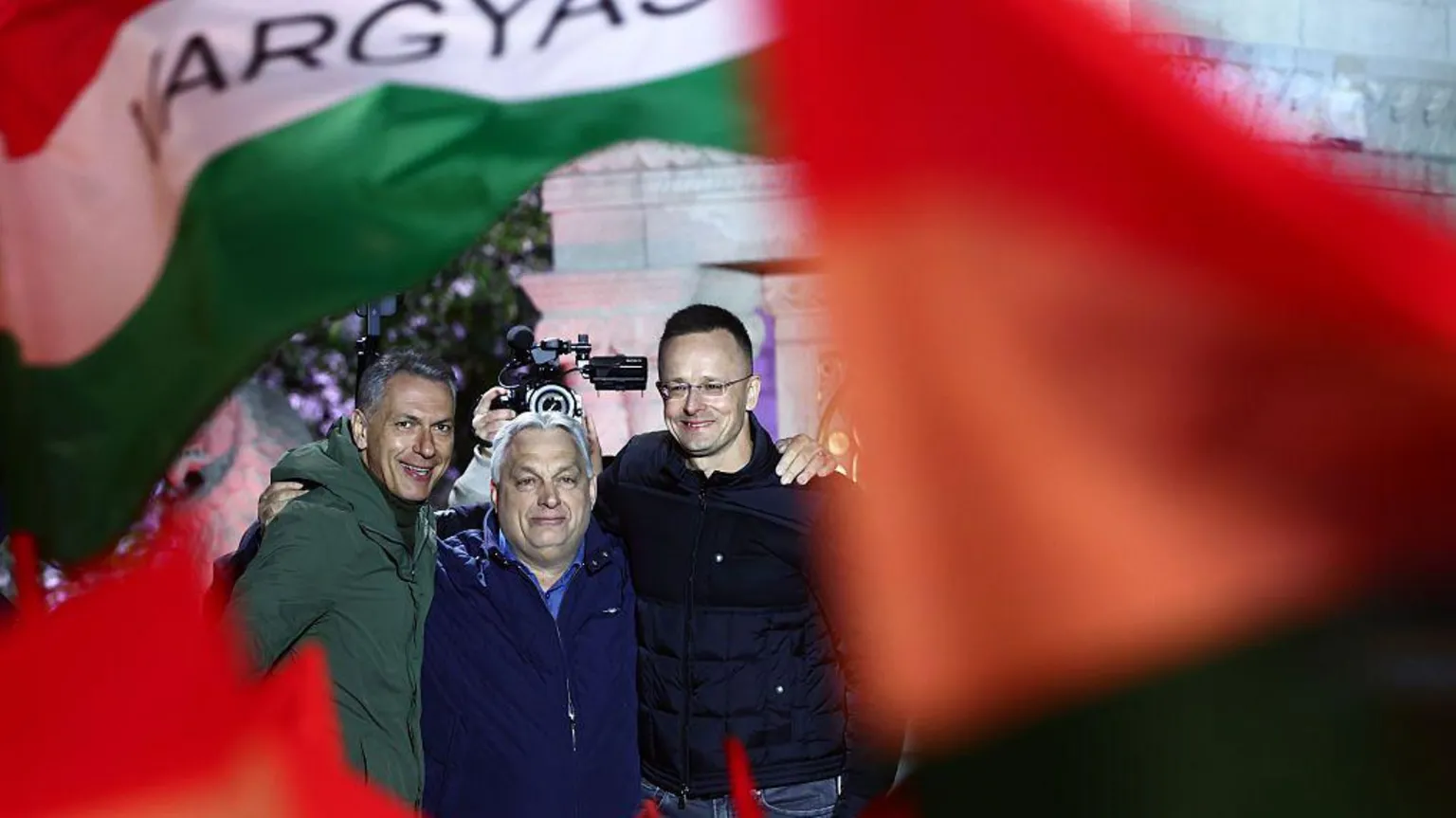
Orbán will turn 63 next month, but the strain of 38 years in frontline politics is evident even to his staunch supporters.

Atmosphere Within Fidesz and Public Reaction
A climate of fear and recrimination pervades the governing party.
Rumors of imminent corruption arrests circulate in Budapest. On social media, Tisza supporters express impatience for accountability for those who allegedly enriched themselves illegally under the previous government.
Péter Magyar leads this call.
"My message to Fidesz leaders and their stooges: It's no use playing the innocent little ballet girl now, and acting as if nothing happened," he posted on Facebook. "We know what you've done to our beloved homeland and the Hungarian people. And don't doubt for a single moment that 'you will reap what you sow'."
In downtown Budapest, nearly all Fidesz posters have been defaced. Many bear the word Vége (the end) spray-painted on them, while others have been torn or altered with expletives.
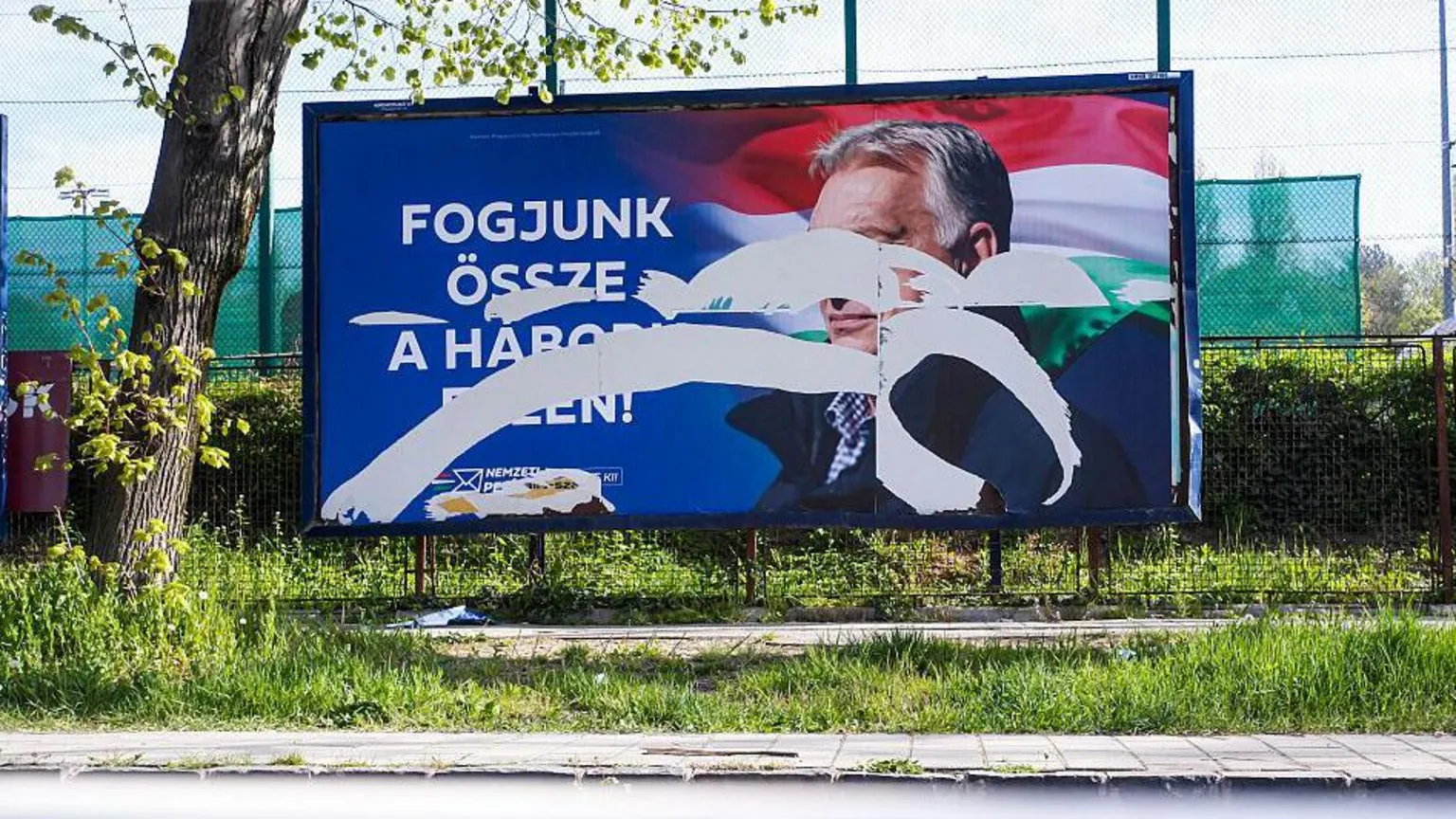
The party's rapid decline in public favor, including among some former supporters, has been dramatic.
Tisza Leadership's Tactical and Emotional Response
The firm stance of the incoming Tisza leaders appears motivated by both emotion and strategy.
They seek retribution for the demonization campaign orchestrated by the government-controlled Central European Press and Media Foundation (Kesma) against them and Magyar personally. Kesma encompasses 476 titles, including around 50 primarily news outlets.
Challenges Ahead: Corruption and Asset Protection
One immediate challenge for Tisza is preventing the transfer of money abroad by businessmen close to the ruling party, with Dubai a favored destination for Hungarian oligarchs.
Another priority is to stop the destruction of corruption evidence, particularly within government ministries.
While some offices are shredding documents, two Tisza insiders told the BBC that officials are offering Tisza pen drives containing digital copies in exchange for job security or immunity from prosecution.
In the week before the election, as polls consistently predicted a large opposition majority, Tisza claims dozens of contracts were signed with favored companies, committing the state to future IT, research, construction, and other projects.
Legislative Power and Anti-Corruption Measures
With their new two-thirds parliamentary majority, Tisza can pass laws to restore checks and balances that Fidesz eroded or dismantled over the past 16 years.
During his campaign, Magyar promised to establish an office dedicated to recovering stolen state assets.
This week, he reiterated his commitment to joining the Luxembourg-based European Public Prosecutor's Office (EPPO), which would demonstrate to the EU his dedication to fighting corruption. However, the EPPO's jurisdiction is limited to investigating misuse of EU funds.
Energy Discussions and Pipeline Issues
Magyar has held discussions with Zsolt Hernádi, CEO of MOL, Hungary's energy giant operating two refineries in Hungary and Slovakia, both countries reliant on these facilities.
Restoring oil supplies through the Druzhba (Friendship) pipeline from Russia across Ukraine is one of the few issues on which Magyar and Orbán agree. The pipeline has been closed since late January, but Ukrainian President Volodymyr Zelensky indicated this week that oil flow could resume by the end of the month.
Hungary's incoming prime minister aims to diversify oil supplies, particularly by utilizing an alternative pipeline from the Croatian island of Krk.
Youth Support and Foreign Policy Signals
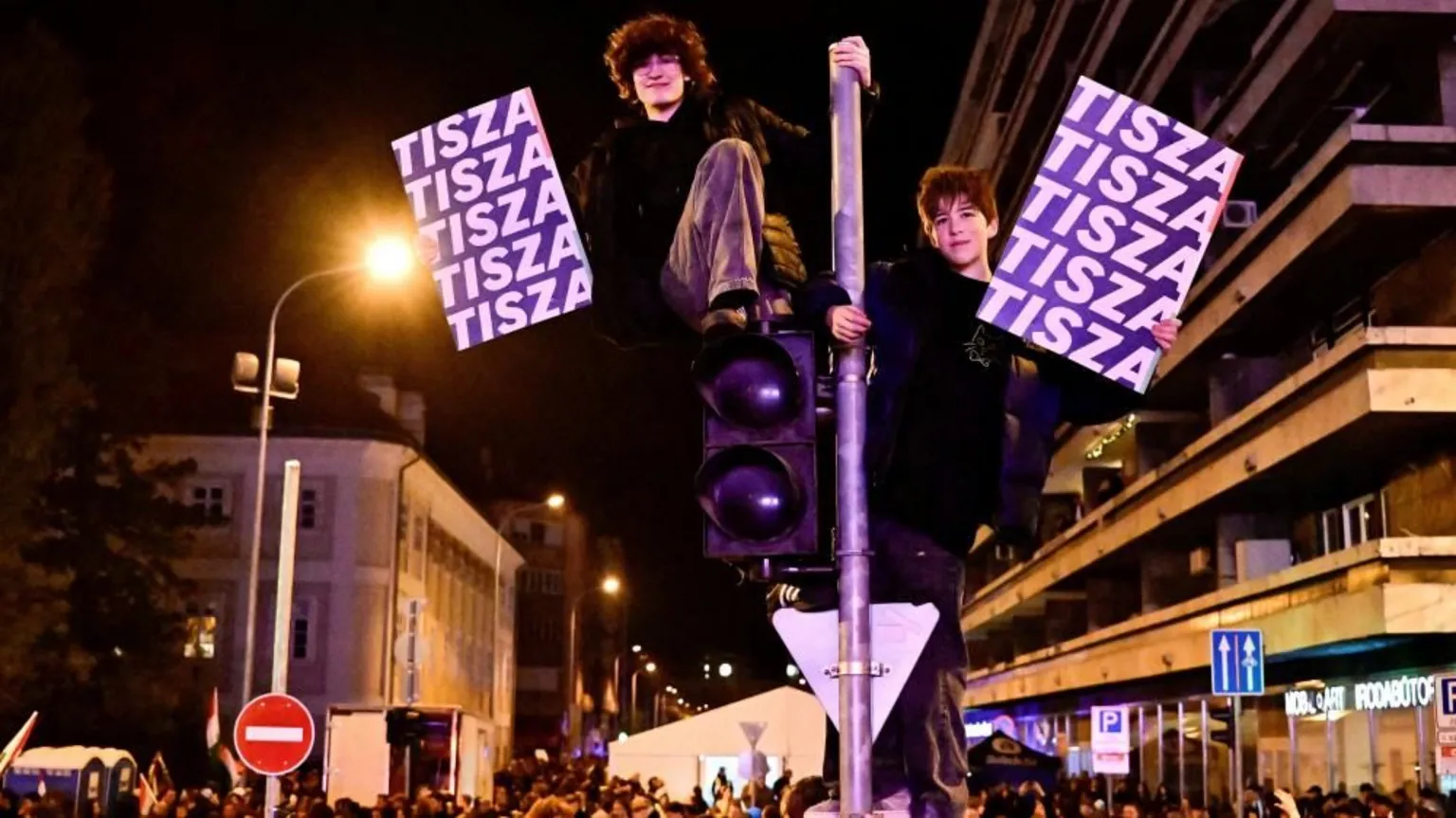
Approximately three-quarters of 18-29-year-olds are estimated to have supported Tisza. Réka Szemerkényi, a former Hungarian ambassador to the US under Orbán and now at the Equilibrium Institute in Budapest, expressed admiration for the messages conveyed by Hungary's younger generation to their new leaders.
"'Ria, Ria Hungaria', meaning we love our country," was one, said Szemerkényi. "Then the chants of 'Europa', and the third I heard repeatedly was 'Russians go home'. These three together are like a foreign policy agenda."
European Commission Engagement and Economic Challenges
On Friday, a high-level delegation from European Commission President Ursula von der Leyen's office arrived in Budapest for informal talks with Tisza officials, led by Péter Magyar.
To access €17bn (£15bn) in EU funds withheld from the Orbán government, the new administration must satisfy 27 criteria concerning judicial independence, anti-corruption measures, and media freedom from government control.
Hungary's economy is currently in a deep slump, and Magyar and his team recognize the necessity of immediate and effective action.


