

Chain Bridge Illuminated in National Colours as Budapest Celebrates
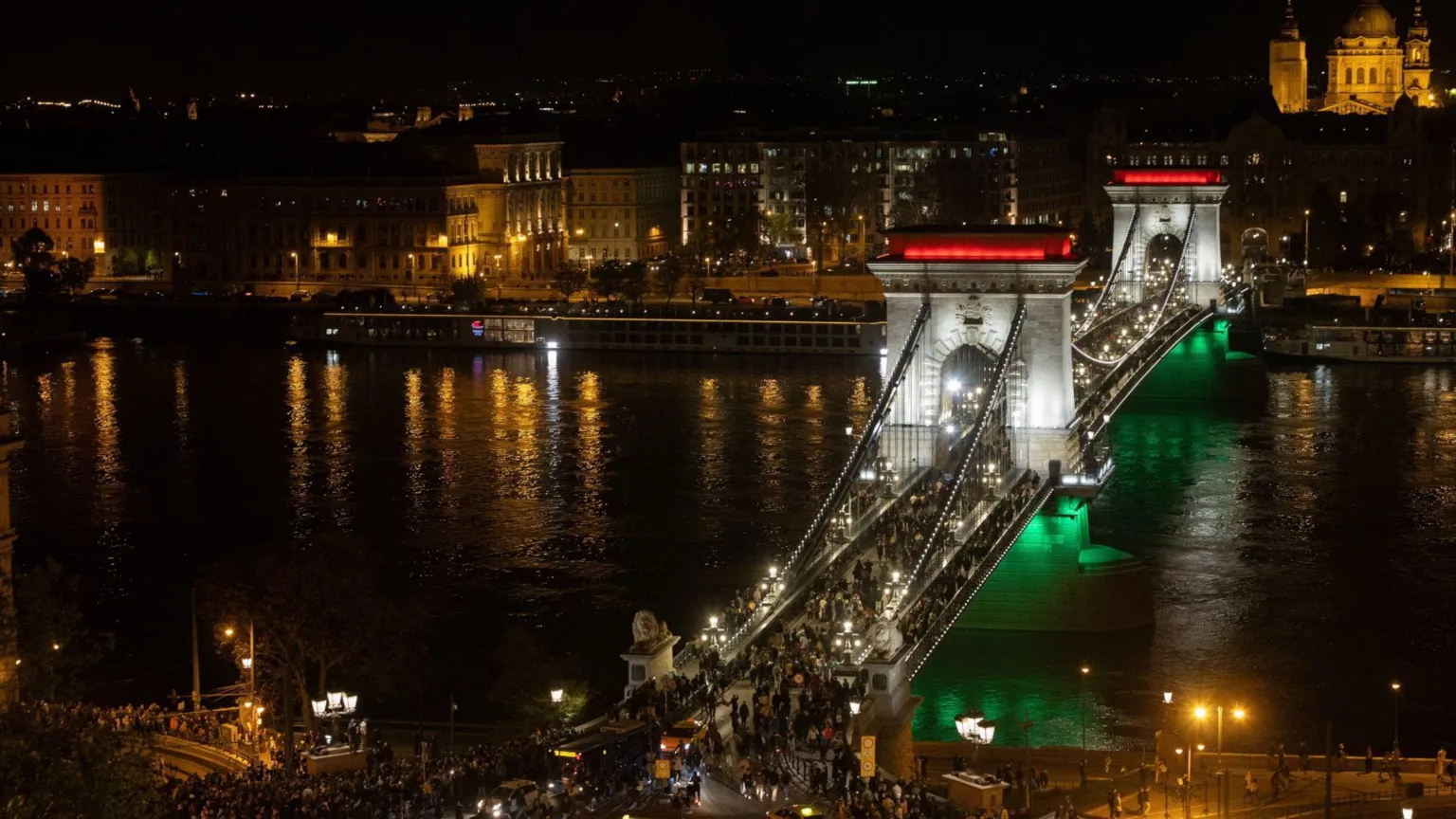
Budapest's iconic Chain Bridge connects the picturesque Buda with the lively Pest across the Danube River. At night, the bridge's lights reflect like small moons on the water below.
Typically a popular spot for tourists to take selfies, this Sunday the bridge was uniquely illuminated in green, white, and red, the colours of the Hungarian flag, marking a historic political moment.
Historic Election Result Ousts Viktor Orbán
Following an unprecedented election outcome that ended Prime Minister Viktor Orbán's 16-year tenure, the Chain Bridge's lighting symbolized the country's political shift. Supporters of Péter Magyar and his Tisza party expressed a feeling of reclaiming their nation, a sentiment Magyar echoed in his victory speech.
"We did it," he declared. "We brought down the Orbán regime - together we liberated Hungary. We took back our homeland! Thank you! Thank you all!"
Record Voter Turnout and Overcoming Electoral Challenges
The election was marked by record-breaking voter turnout. Despite Orbán's stronghold over state media, electoral system adjustments favouring his party, and the extensive influence of his associates within Hungary's "illiberal democracy," he was decisively defeated.
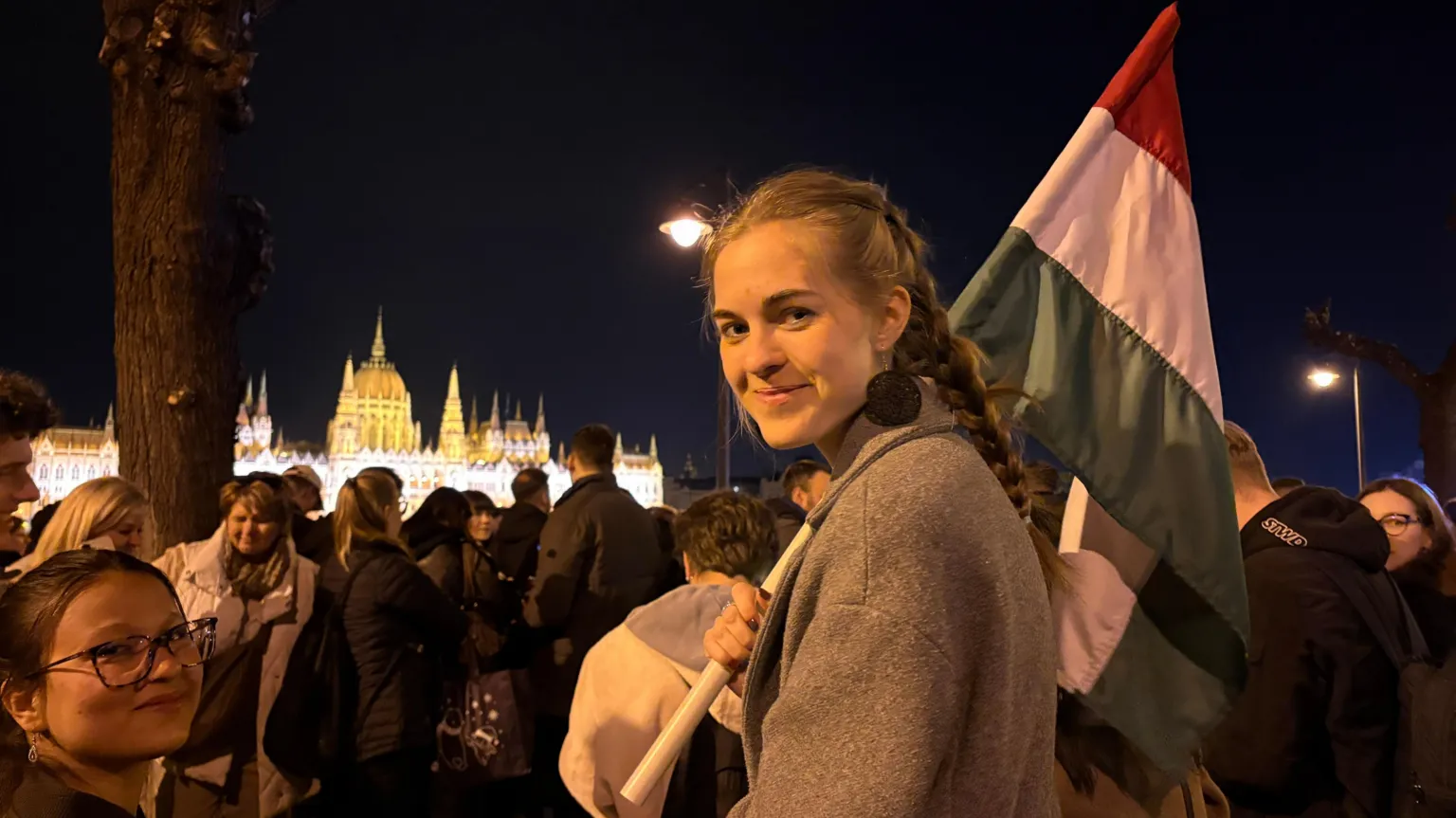
In Budapest's backstreets, crowds of first-time voters celebrated into the early hours, energized by hope and disbelief.
"I cried when I put the X on my ballot paper," said Zofia. "I still can't quite believe we did it. But we did!"
As Zofia spoke, her friends chanted loudly, "Russians Go home!"
Orbán's Political Evolution and Relationship with Russia
Orbán's political journey is marked by irony. In 1989, he gained prominence in communist Hungary by urging Russians to leave, echoing a slogan from the 1956 anti-communist uprising. However, over time, Orbán shifted rightward, adopting authoritarian policies and maintaining a close relationship with Russian President Vladimir Putin.
During the recent election campaign, critics reminded Orbán of his youthful slogan, contrasting it with his current ties to Moscow.
Implications for Russia and Ukraine
Orbán's defeat represents a setback for Putin, who benefited from having an ally within the EU. Orbán had delayed sanction packages following Russia's invasion of Ukraine and blocked a significant EU loan to Kyiv deemed essential for its survival.
Conversely, Ukraine's President Volodymyr Zelensky promptly congratulated Magyar, expressing anticipation for "constructive work" together.
While Zelensky's message was measured, he remains aware of Hungarian skepticism toward Ukraine.
Orbán's campaign emphasized his role in protecting Hungary from the war in Ukraine, warning voters that only he could prevent the conflict from endangering their families.
Magyar is expected to proceed cautiously in government, unlikely to reverse Orbán's decision against sending military aid to Ukraine to avoid alienating voters. However, he has pledged to Brussels that Hungary will no longer block the €90 billion loan to Kyiv previously obstructed by Orbán.
European and International Reactions
Orbán's departure was met with relief by many European leaders. In Brussels, he was known as "the Obstructor," seen as a divisive figure undermining European unity against threats from Moscow, Beijing, and the United States.

UK Prime Minister Sir Keir Starmer described the election as an historic moment for European democracy, while European Commission President Ursula von der Leyen stated that Hungary had "chosen Europe."
In contrast, US President Donald Trump likely viewed the outcome less favorably, having supported Orbán as a key European ally. Trump had repeatedly endorsed Orbán, even dispatching his vice-president to Budapest during the Iran war to attend a pro-Orbán rally.
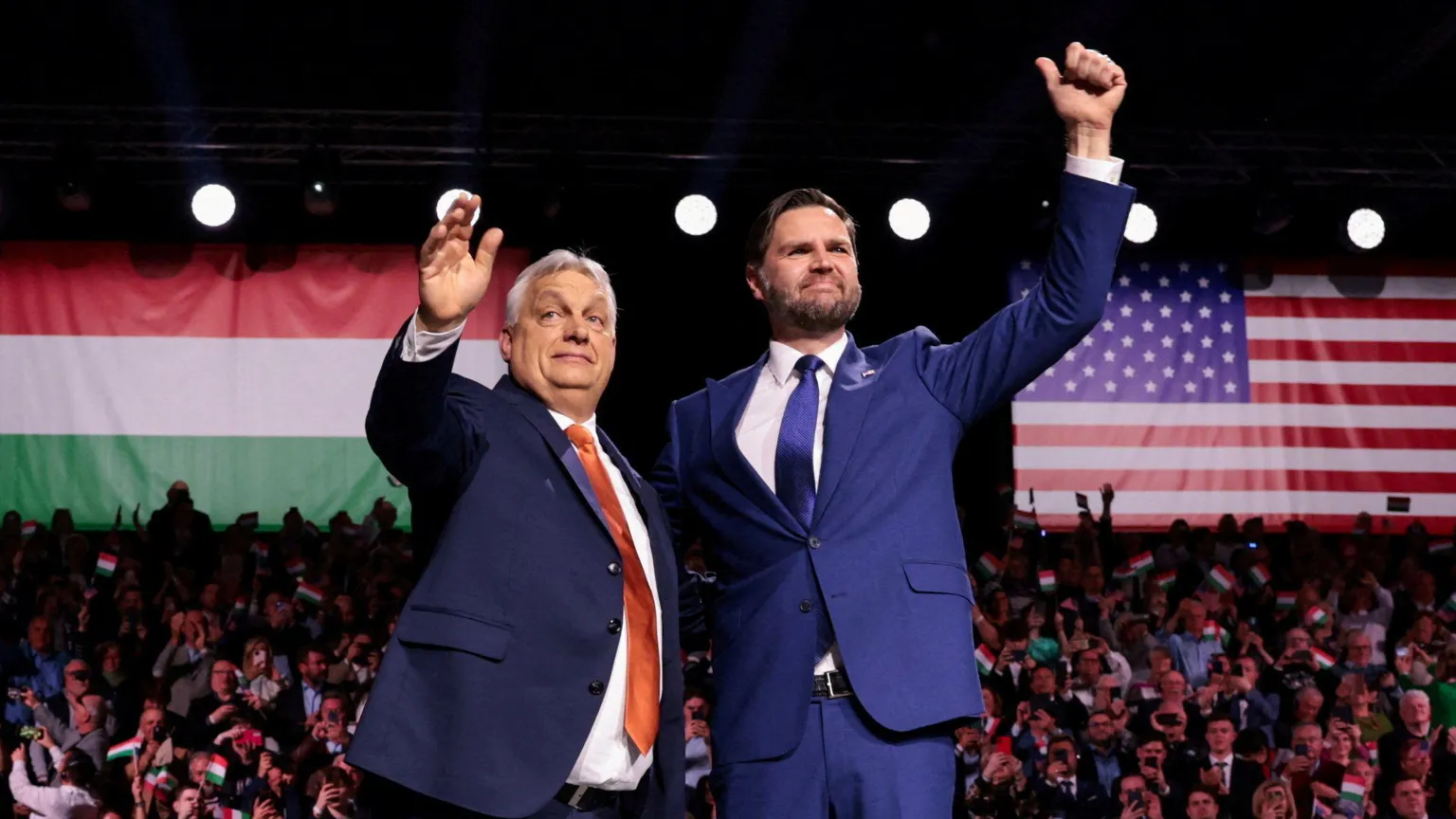
Both leaders share admiration for Orbán's Christian nationalist and "anti-globalist" stance. Steve Bannon, former Trump strategist and advocate for populist nationalist movements in Europe, called Orbán a "hero."
Populist Nationalism in Europe: A Complex Picture
While Orbán's defeat may suggest a plateau for populist nationalism in Europe, analysts caution against broad conclusions. Recent electoral setbacks for figures like Marine Le Pen in France and Italy's Giorgia Meloni reflect national contexts rather than a continental trend.
Orbán's Decline and Alienation of Voters
Orbán had alienated various segments of Hungarian society, including the left, LGBTQ+ community, and many women opposing his "pro family, pro traditional gender roles" agenda.
Ultimately, even traditional supporters abandoned him in large numbers.
The day before the election, a visit to Orbán's home village of Felcsút revealed the extent of his local investments, including a football stadium and academy, a luxury golf course linked to his son-in-law, and a $30 million private estate under construction by his father.
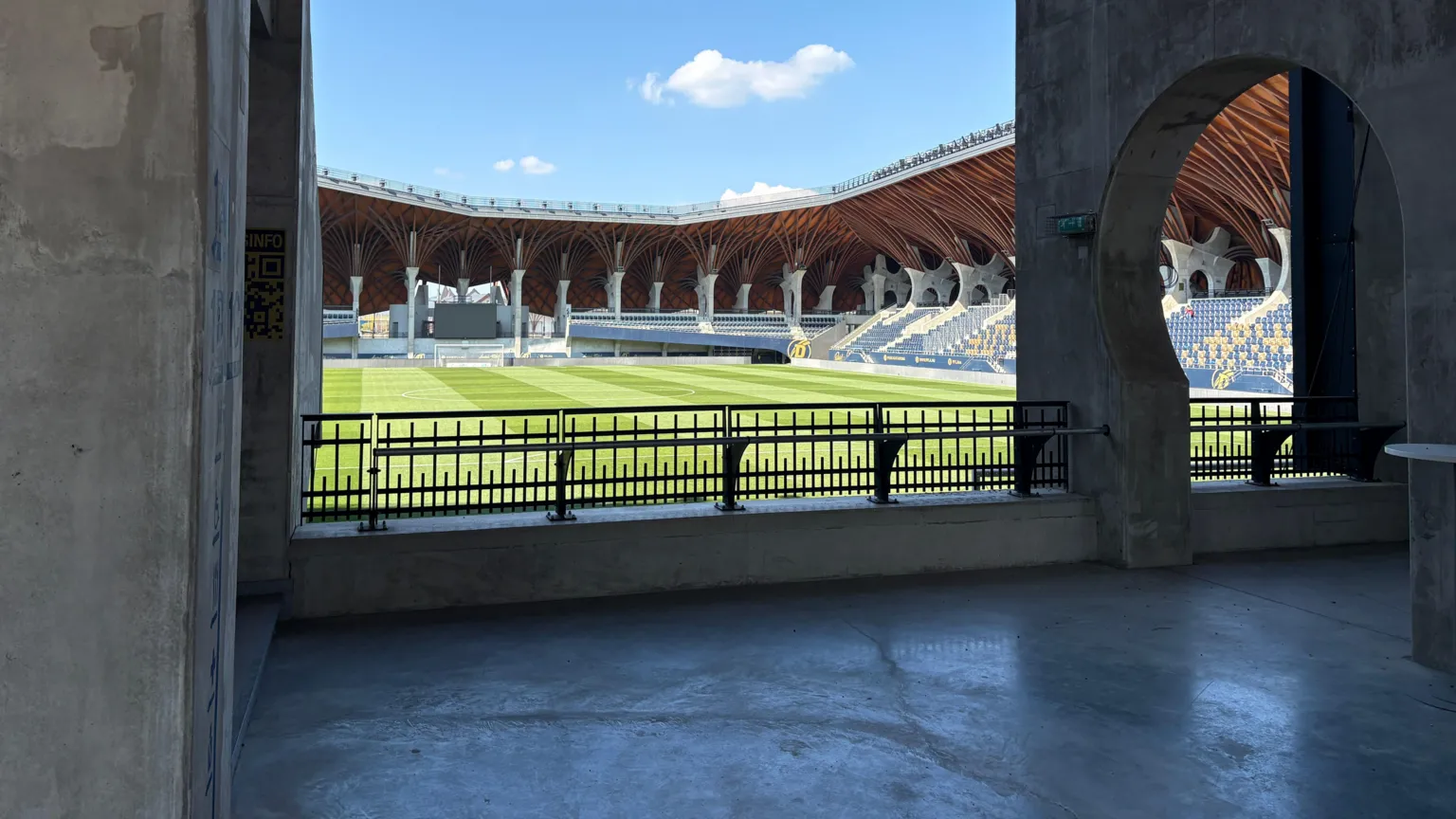
Orbán has consistently denied corruption allegations. When Hungary's economy was stronger, many locals overlooked such concerns. However, rising inflation and declining living standards contrasted with the growing wealth of Orbán's inner circle.
"He failed us. He failed his country. He hoodwinked us," said Gyárfás Oláh, a former Orbán supporter and ex-local mayor.
Péter Magyar: The New Leader's Profile and Challenges Ahead
Among Magyar's supporters are many who voted against Orbán rather than for Magyar himself. His government experience remains untested.
Magyar is a 45-year-old energetic, intelligent, and telegenic politician, formerly affiliated with Orbán's Fidesz party. Like Orbán, he is a conservative nationalist who frequently displays the Hungarian flag at political events.
Hungarian voters likely required a centre-right candidate to unify opposition before turning away from Orbán. Hungary's social conservatism suggests that anti-migration policies may persist under the new government.
Magyar has promised significant reforms to dismantle the Orbán regime, including reducing ties with Russia and restoring relations with Europe.
Domestic Priorities and Future Prospects
Most Hungarians prioritize domestic issues such as economic improvement, public service enhancement, inflation reduction, and lowering living costs.
On Sunday night, Magyar expressed optimism and readiness to begin governance.
"Tonight we celebrate. Tomorrow, we get to work!"
Magyar is expected to officially assume the prime minister role once Hungary's president invites him to form a government, anticipated in about a month.


