No election silence, but some campaigning restrictions apply
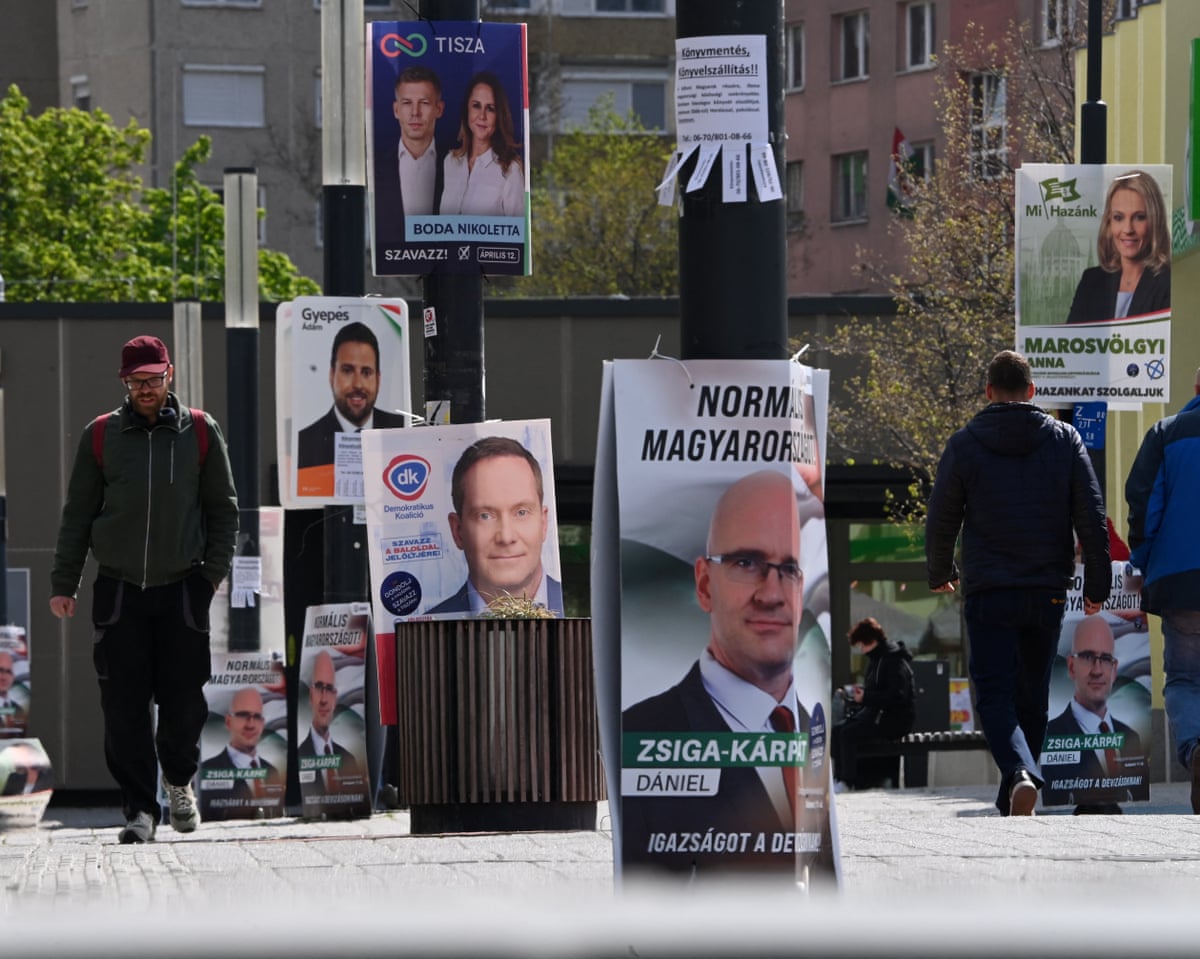
Unlike many other countries, Hungary does not enforce a strict election silence period, allowing some campaigning activities to continue on election day. However, there are specific restrictions that prohibit major campaign events, which is why both leading candidates held their final rallies the previous evening. Additionally, campaigning is banned within 150 meters of polling station entrances. Posters displayed before election day may remain in place.
Despite these limitations, supporters have found creative ways to express their views. For example, earlier today a van was seen driving through central Budapest, playing Fidesz’s campaign song at full volume.
What to expect during the vote count
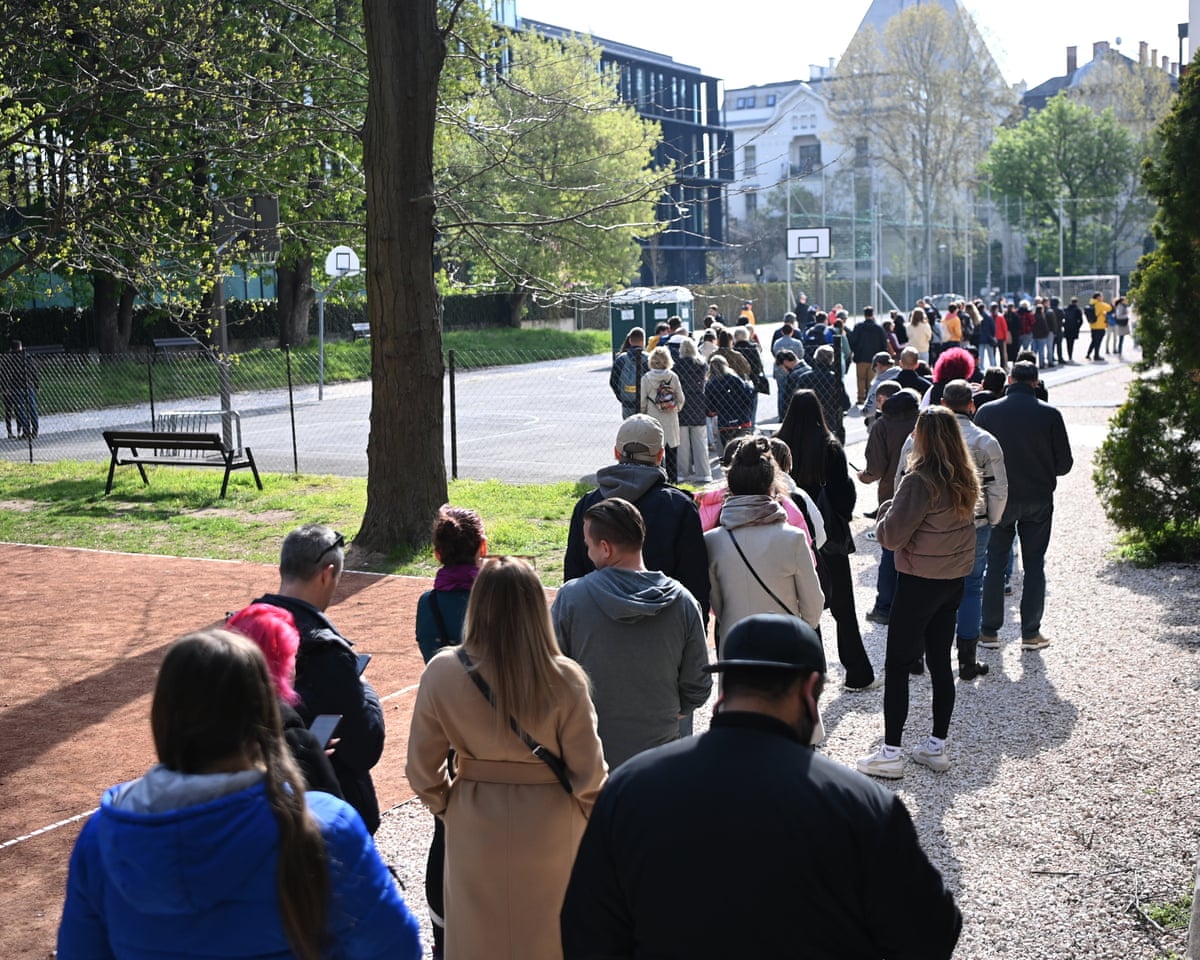
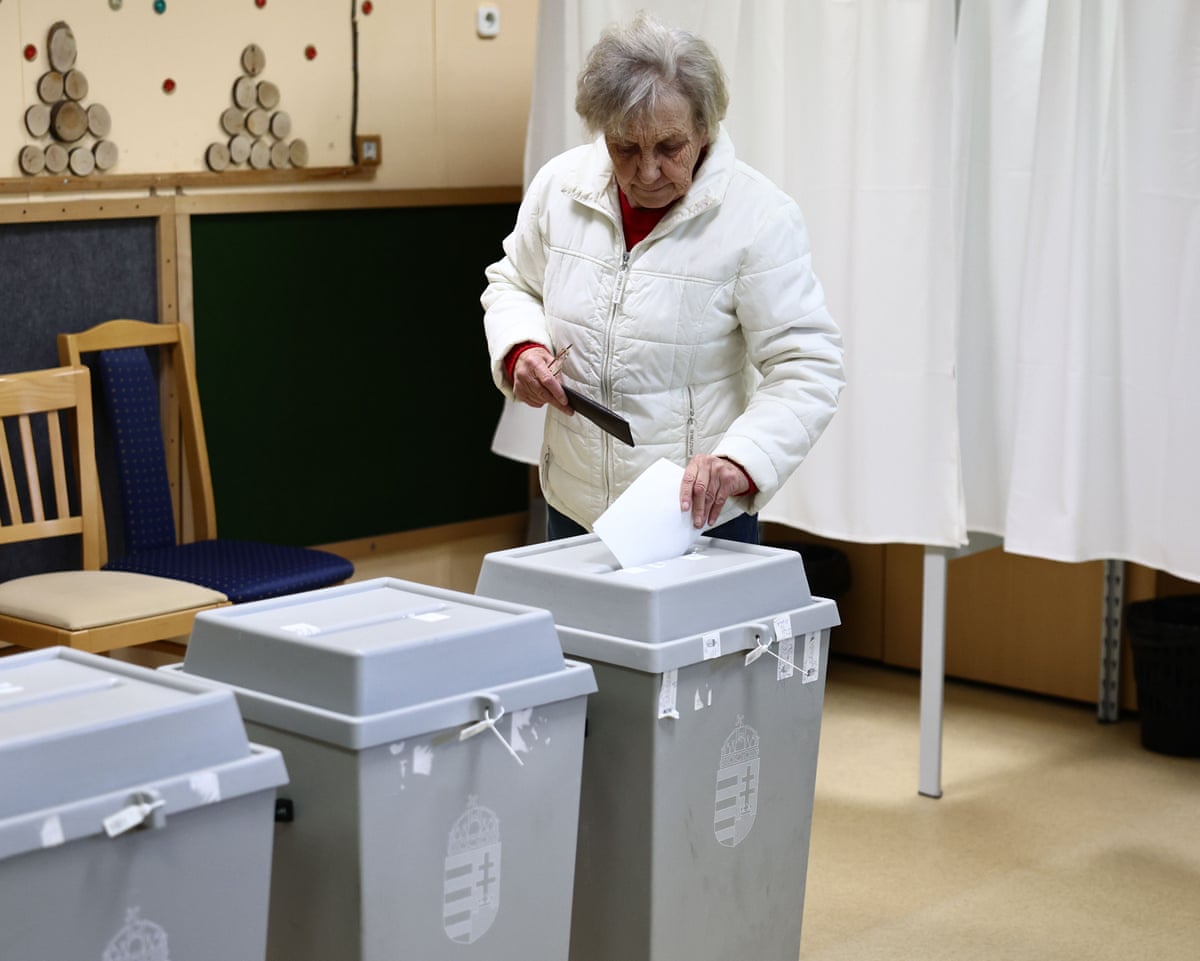
Voting began at 6am local time and will close at 7pm (6pm UK time). New polling data from this week—distinct from exit polls—may be released around the closing time, but these should be interpreted cautiously. Given the close race and inconsistent polling, it is advisable to await official results before drawing conclusions.
Partial results are expected within the first hour after polls close, with approximately half of the votes counted by 10pm local time and over 90% tallied by midnight. The final stage of counting, which includes overseas votes, may extend until Saturday if the outcome is particularly close.
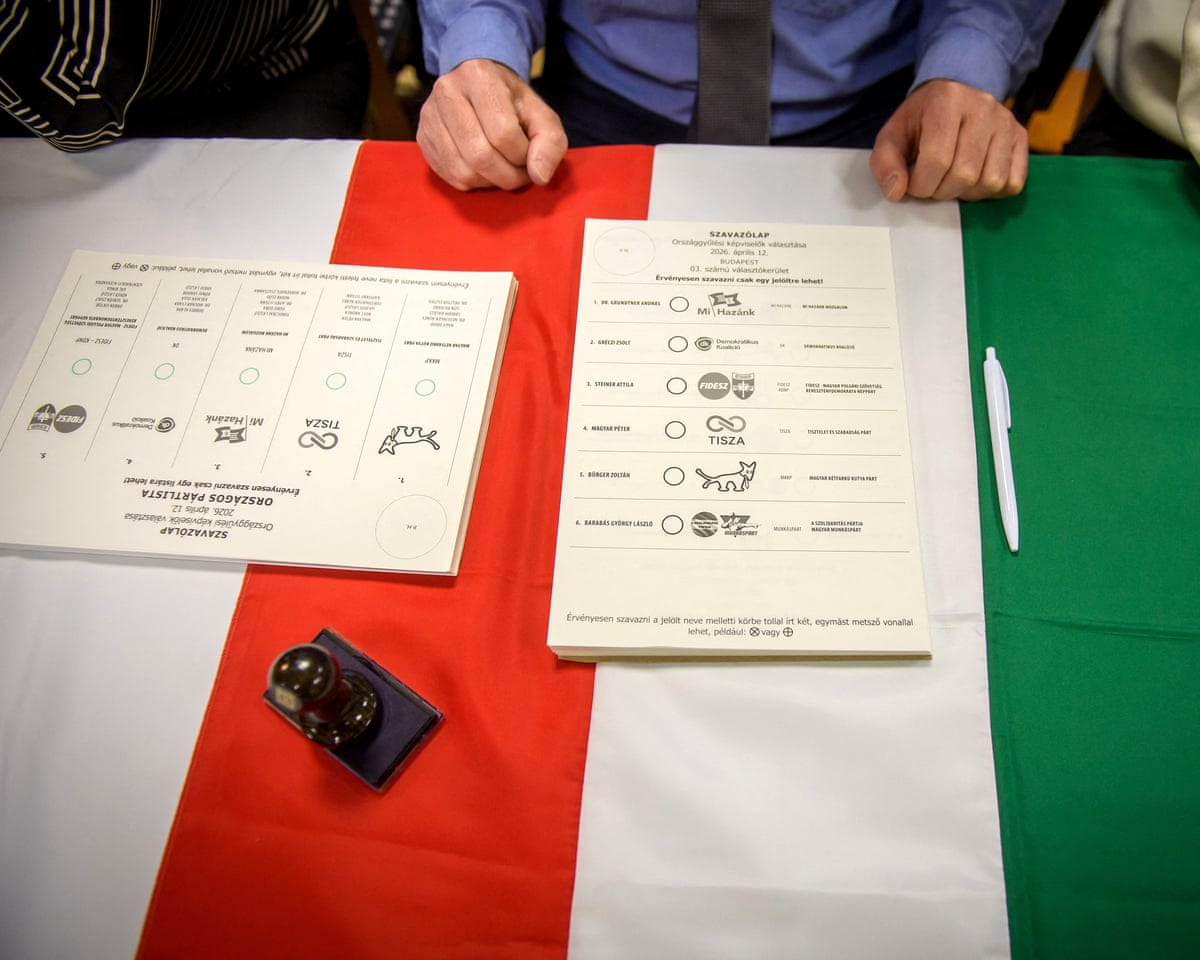
Pre-election polls suggest Tisza lead but uncertainties remain
Numerous polls were conducted prior to election day, often reflecting the affiliations of their sponsors. Independent pollsters generally indicated that Péter Magyar’s Tisza party was poised for victory, though the size of the lead varied significantly. The consensus suggested a lead of around 10 percentage points entering the final weekend.
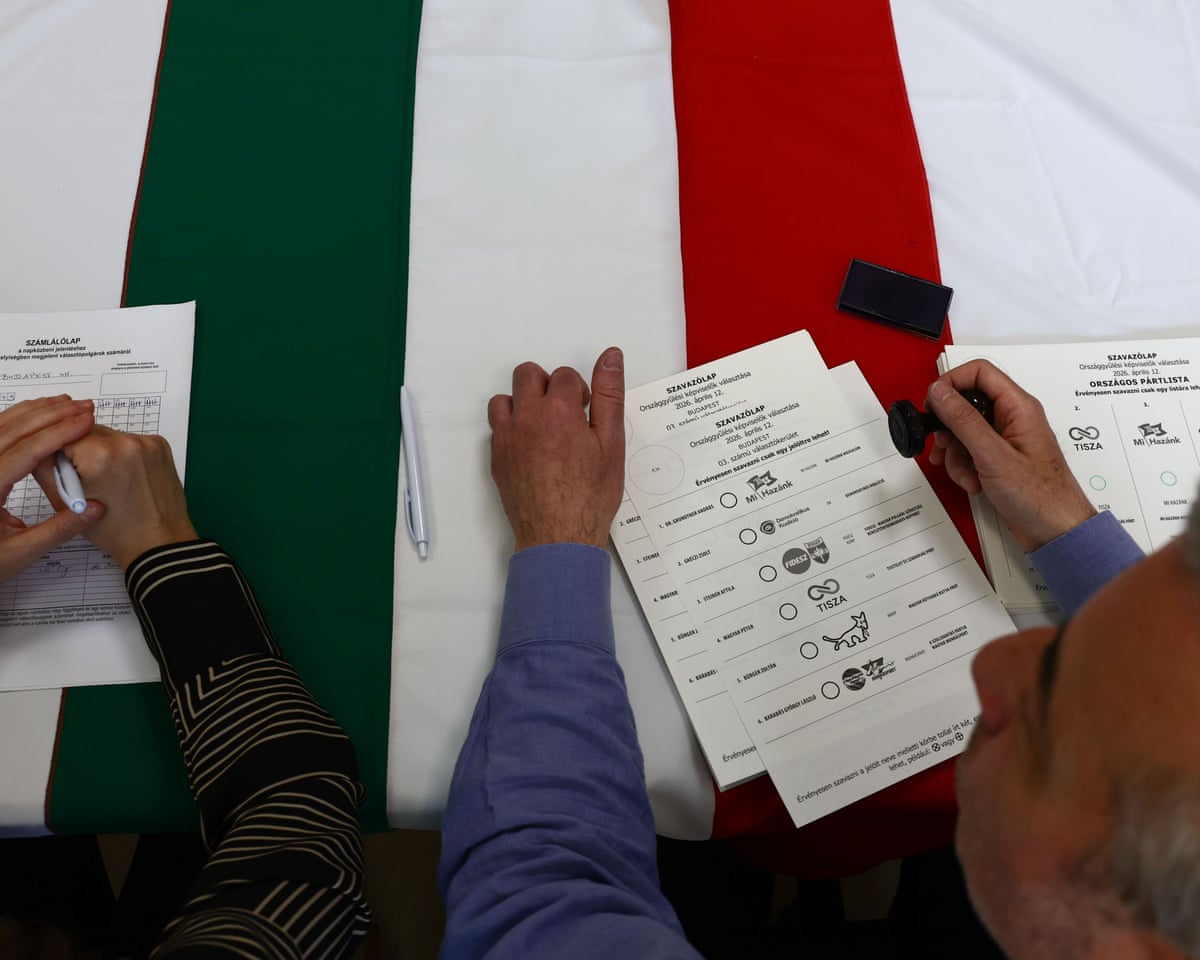
The Hungarian electoral system is complex and has undergone multiple reforms, many critics argue designed to favor Orbán’s party. The system elects 106 MPs from single-member constituencies and 93 from national party lists, with a 5% threshold required for party representation. This complexity necessitates caution when interpreting early results.
Magyar concludes campaign in Debrecen with strong turnout
Péter Magyar, leader of the Tisza party, held his final campaign rally in Debrecen, Hungary’s second-largest city. The event attracted an unexpectedly large crowd, notable because Debrecen has traditionally been a Fidesz stronghold and a challenging target for the opposition.
“Magyar’s decision to campaign in traditionally Fidesz parts of Hungary in the last days of the campaign seemed to suggest he was confident of making gains there,”said András Bíró-Nagy of Policy Solutions in Budapest.
Fidesz has governed Debrecen for 28 years, earning it the nickname “the Fidesz capital of Hungary.” Orbán himself visited the city earlier in the week, as even pro-government pollsters indicated the city might be competitive.
“He [Magyar] feels that he can win even there … and if he makes it, it will mean the change of government [nationally], for sure,”Bíró-Nagy added.
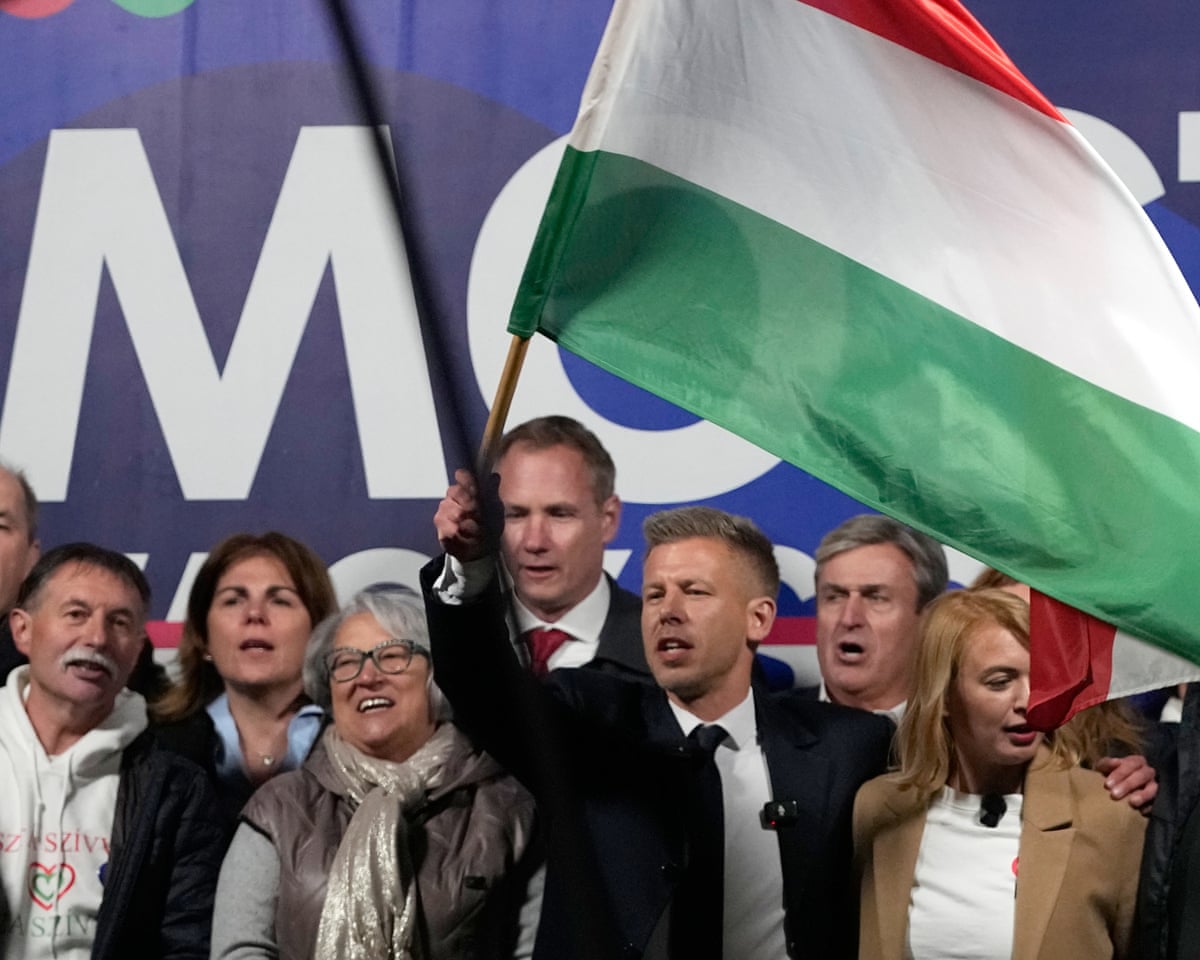
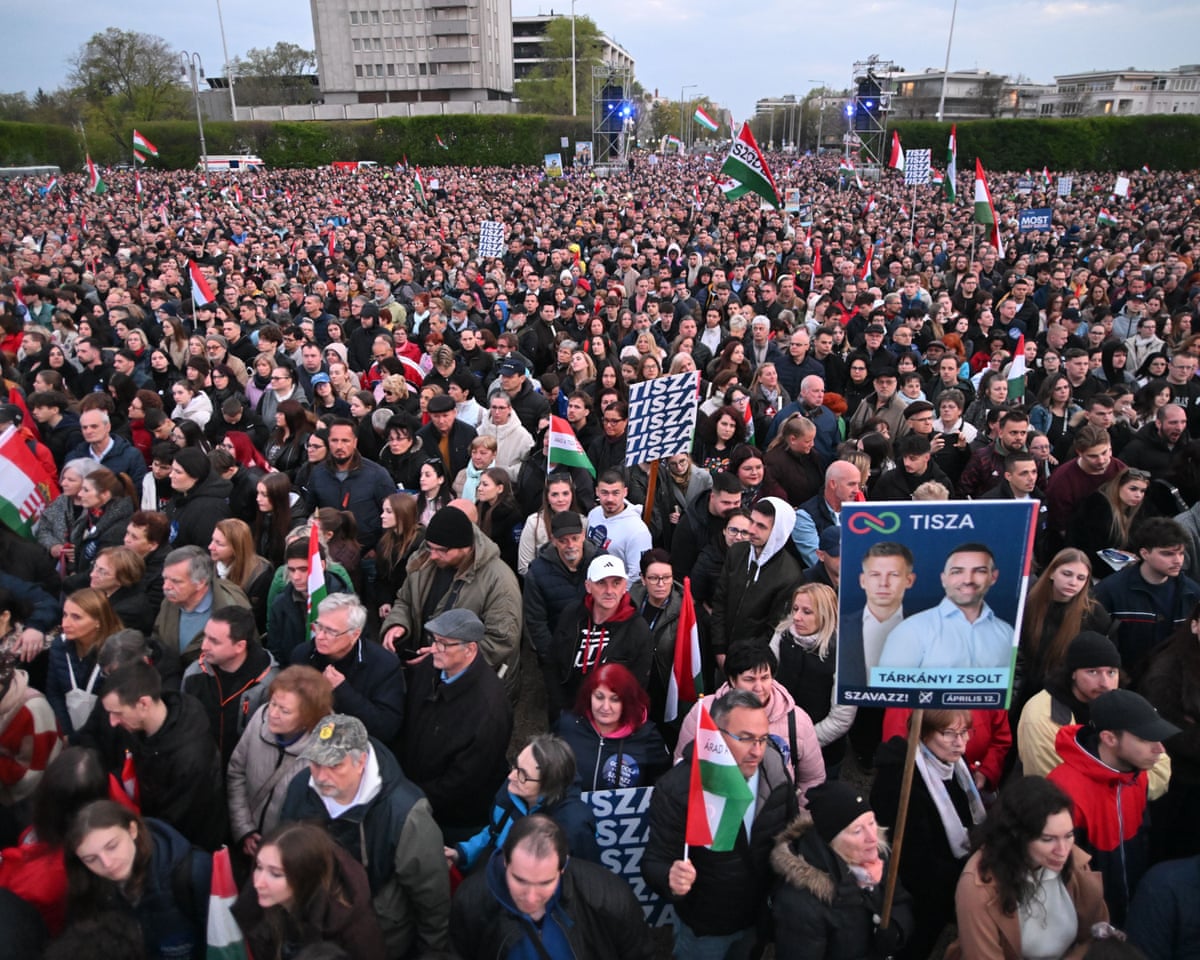
Orbán’s final rally emphasizes key messages to supporters
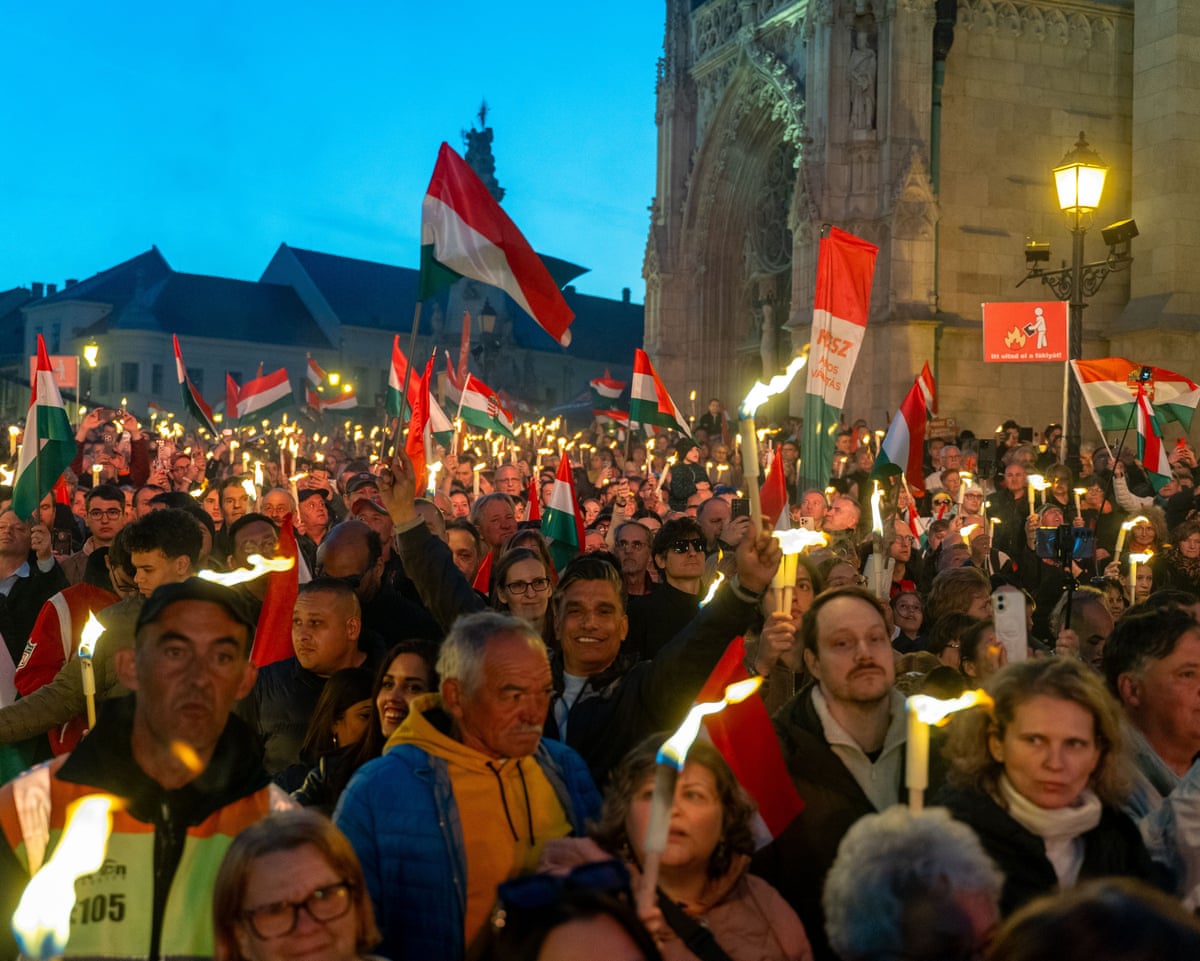
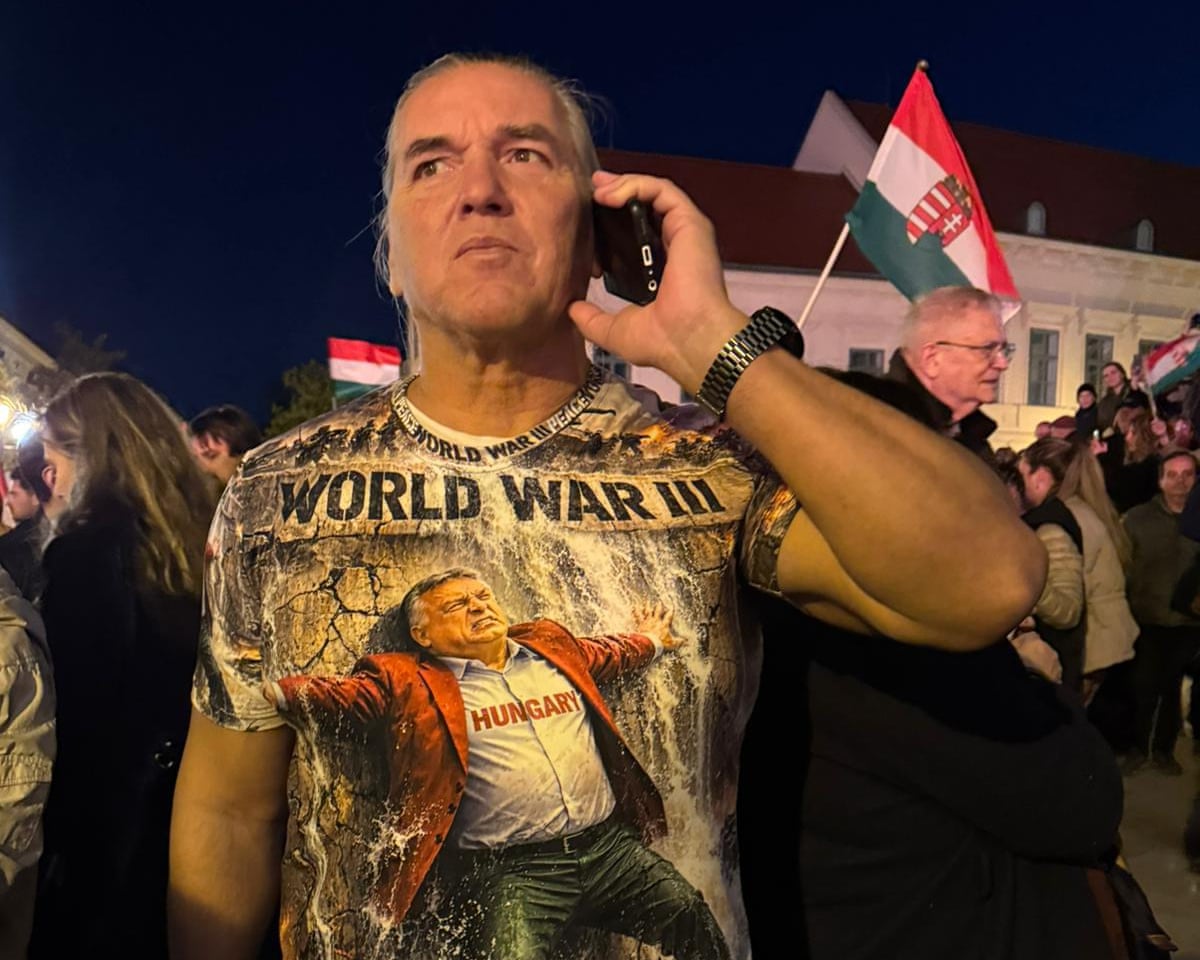
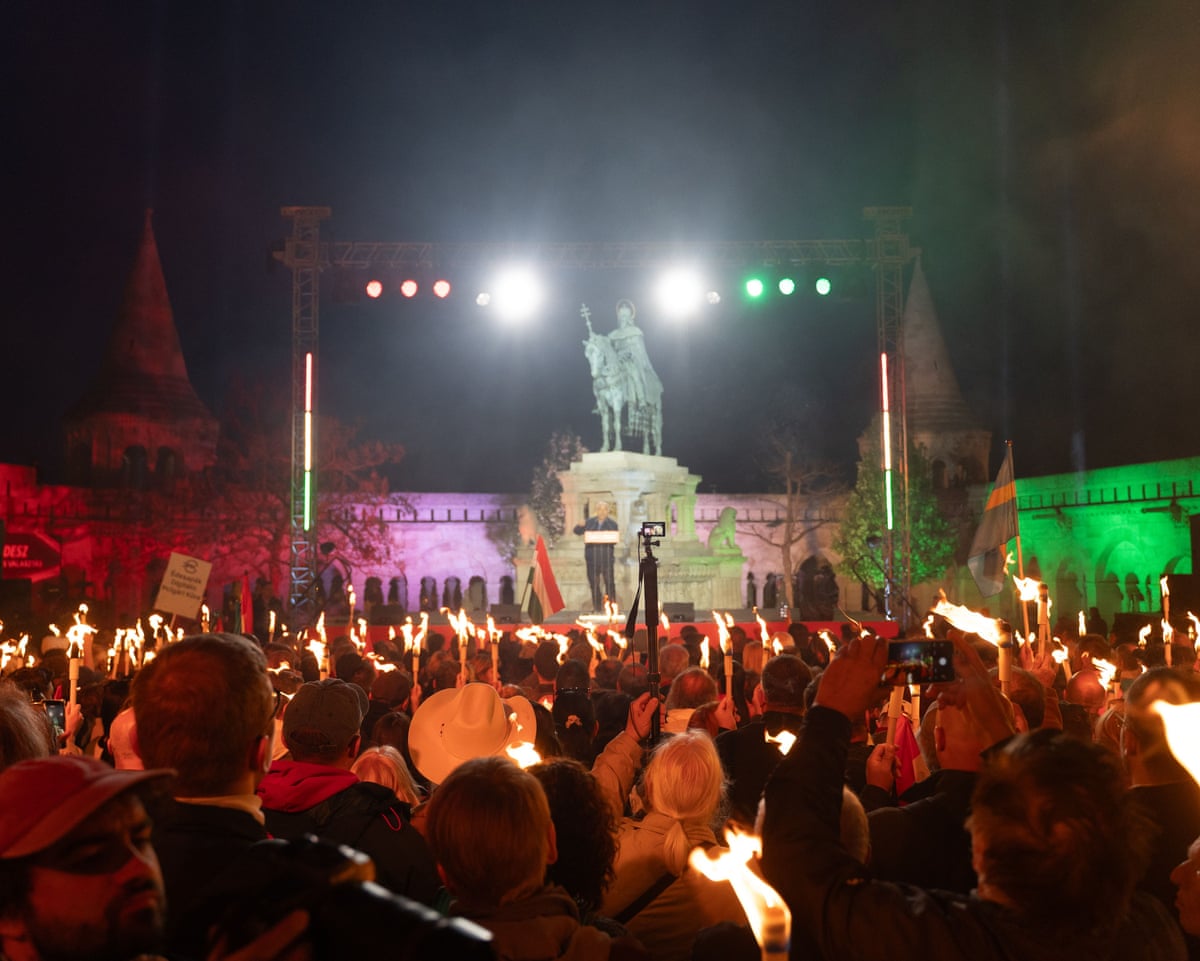
Viktor Orbán concluded his campaign with a rally in front of Matthias Church in Budapest’s Buda Castle District. The crowd numbered a few thousand, fewer than might be expected for a final rally, but supporters expressed strong hopes for Orbán’s re-election to a fifth consecutive term.
Orbán’s central themes—criticizing Europe’s support for Ukraine and warning against changing the government amid global uncertainty—resonated with his audience, who responded enthusiastically.
Hungary’s foreign minister, Péter Szijjártó, who has been involved in controversy over contacts with Russian counterpart Sergei Lavrov, also appeared on stage.
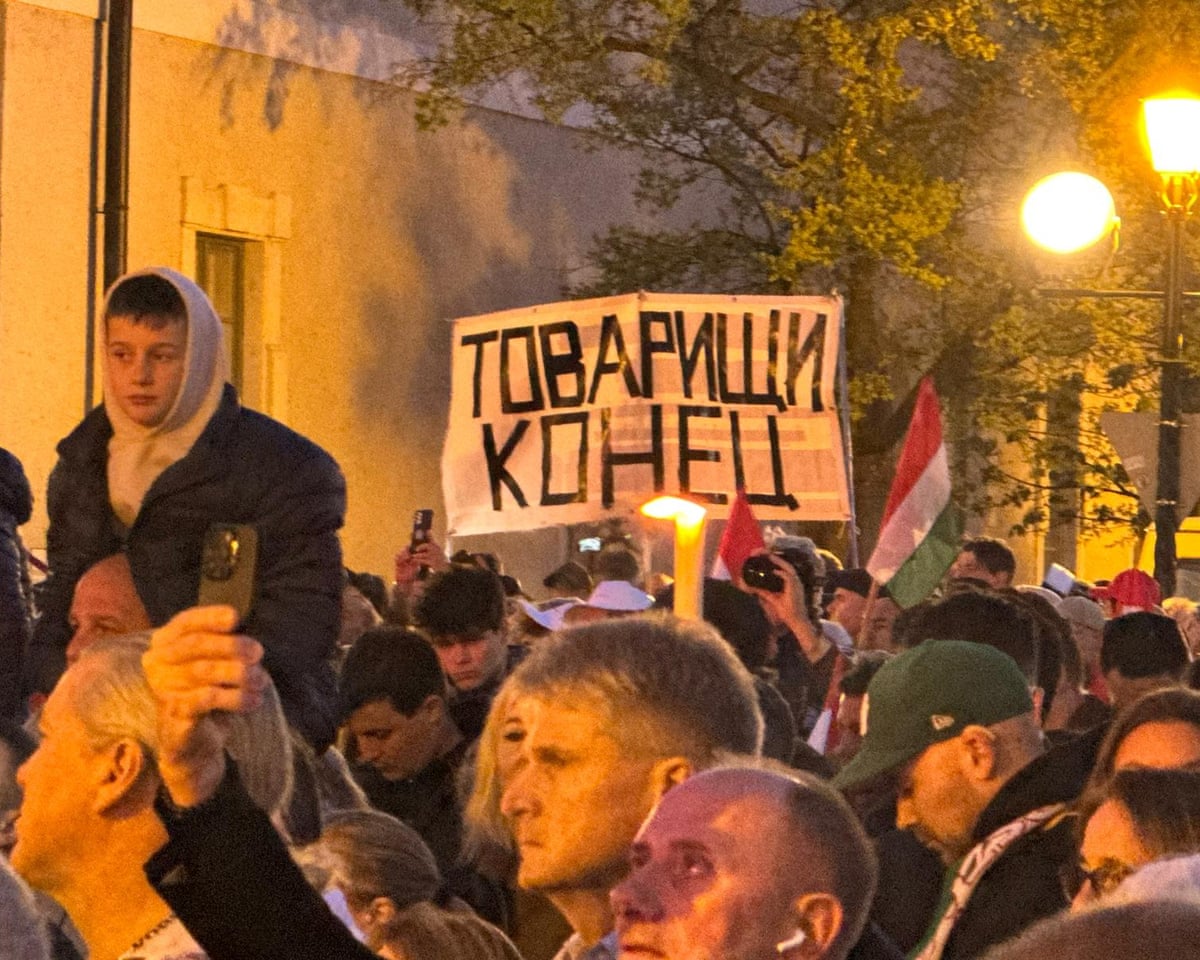
A group of counterprotesters briefly displayed a banner reading
“It’s the end, comrades”before being overtaken by Orbán’s supporters.

Although Budapest generally leans towards the opposition, the rally served to close the campaign on a strong note, with symbolic imagery of Orbán in front of the Saint Stephen’s monument, a site significant to Hungarian state history.
Hungarians vote in a hard-fought election that could end Orbán’s 16-year rule
By Ashifa Kassam and Flora Garamvolgyi in Budapest
Orbán, the European Union’s longest-serving leader, faces an unprecedented challenge from Péter Magyar, a former member of Orbán’s Fidesz party. This contest has drawn attention from rightwing leaders worldwide, many of whom have expressed support for Orbán.
JD Vance visited Budapest for two days this week, with the US vice-president stating his visit aimed to
“help” Orbán win.US President Donald Trump has also repeatedly endorsed Orbán, most recently pledging on social media to bring US
“economic might”to Hungary if Orbán is re-elected. Earlier endorsements came from Italy’s Giorgia Meloni and Israel’s Benjamin Netanyahu.
The election outcome will be closely watched by the Maga movement and the global far right, many of whom view Orbán as an inspiration and seek to emulate his political strategies.
Hungary votes as Orbán’s 16-year rule hangs in the balance
Reporting from Budapest, Hungarians are casting ballots in a tightly contested election that could end Viktor Orbán’s 16 years in power and potentially reshape Hungary’s relations with the EU, Moscow, and Washington.
Pre-election polls suggested Péter Magyar of the centre-right Tisza party might win, ending Orbán’s tenure, which has been criticized for weakening the rule of law and civil liberties. A Tisza victory raises hopes for a more pro-European government in Budapest.
Despite the uncertainty, Orbán appeared confident during his final campaign appearances.
We will provide continuous updates, including first-hand reports from polling stations, background information, and, of course, election results and reactions.
Voting closes at 7pm local time (6pm UK).
Stay tuned for the latest updates.
It is Sunday, 12 April 2026. This is Jakub Krupa reporting for Europe Live from Budapest, Hungary.