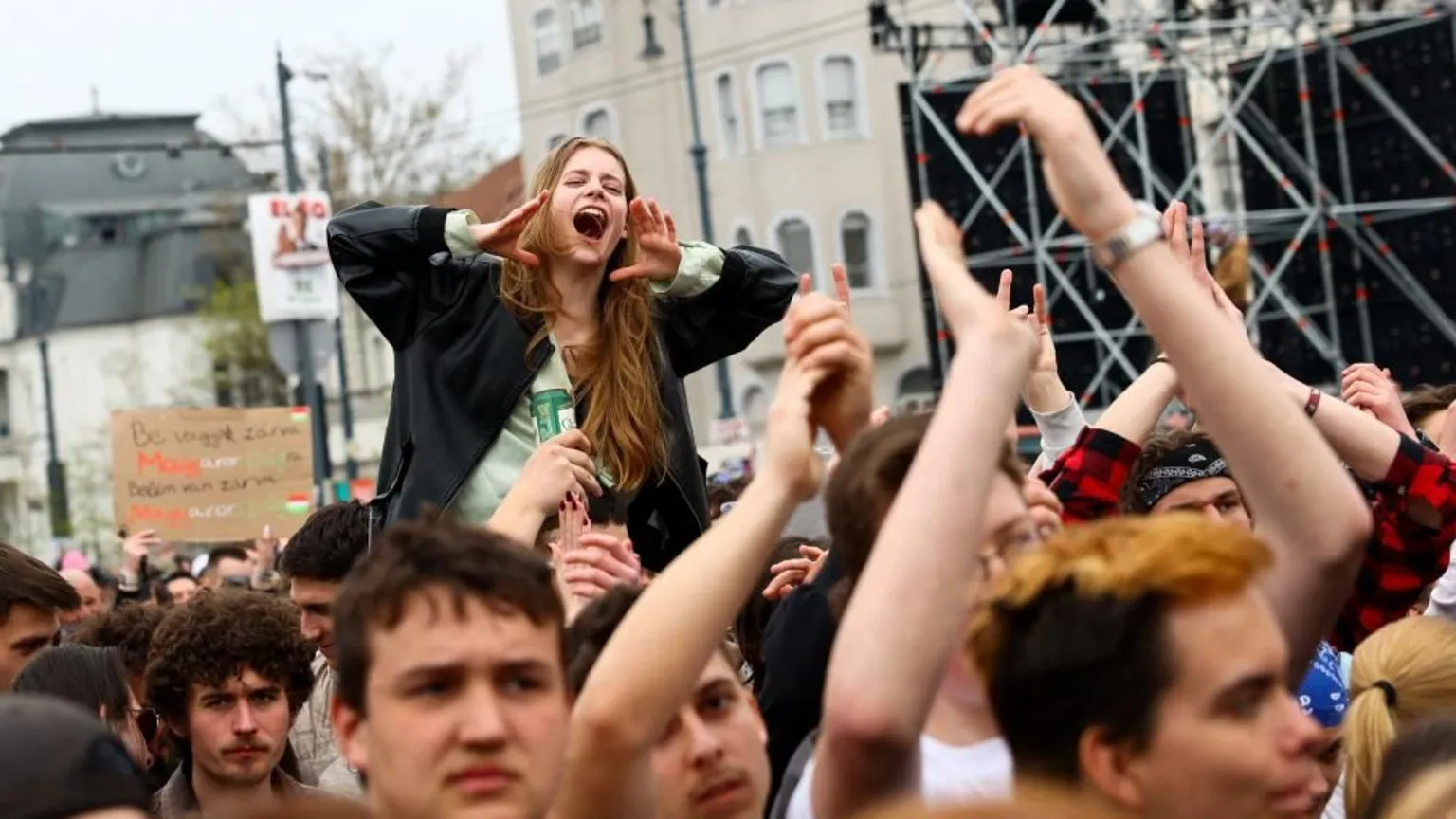
Hungary’s Pivotal Election
Hungarians are casting their votes in an election that could end Prime Minister Viktor Orbán's 16-year tenure and have substantial implications for Europe, the United States, and Russia.
Most opinion polls indicate a lead for Péter Magyar, who established the grassroots Tisza party after departing from the ruling Fidesz party. However, on the eve of the election, Orbán expressed confidence in his prospects.
"We are going to achieve such a victory that will surprise everyone, perhaps even ourselves,"
he declared to several thousand supporters gathered in a small square on Budapest's Castle Hill.
Voting is open until 19:00 local time (17:00 GMT), with results expected to emerge throughout the evening.
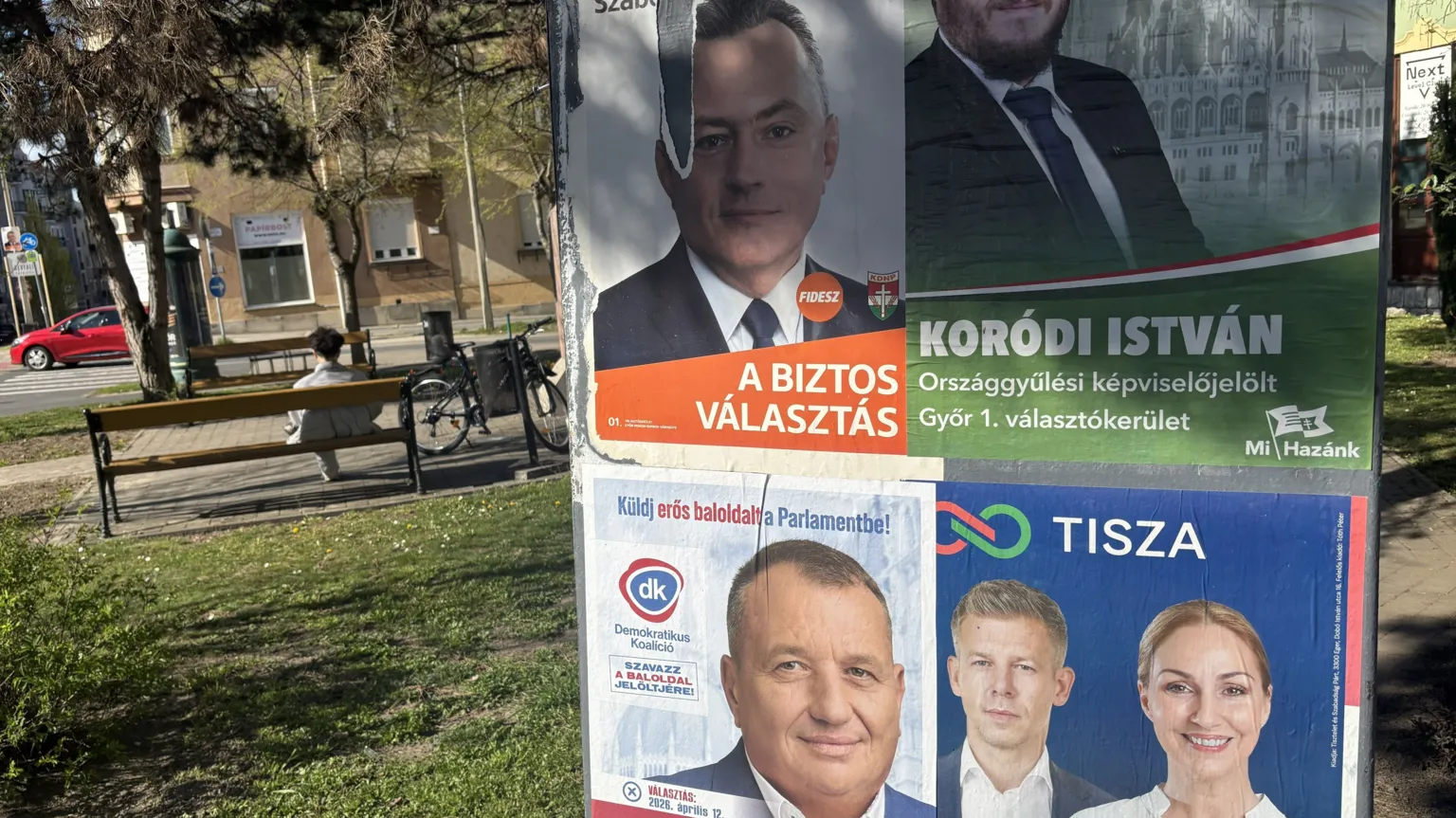
Campaign Tensions and Rival Claims
In the final hours before the vote, Orbán intensified rhetoric by accusing the opposition of being willing to "stop at nothing to seize power." Magyar countered by urging voters not to succumb to what he described as "Fidesz pressure and blackmail."
After 16 years of Orbán’s leadership, which the European Parliament has characterized as a "hybrid regime of electoral autocracy," Magyar and his Tisza party promise a regime change, a reset in Hungary’s relationship with the European Union, and an end to the close ties with Russia.
Magyar attracted significantly larger crowds at his final rally in Debrecen, Hungary’s second-largest city, compared to Orbán’s gathering in Budapest.
Despite this, Orbán retains strong support from US President Donald Trump, who publicly encouraged Hungarians to "get out and vote" for his "true friend, fighter, and WINNER."
Orbán’s Campaign Focus
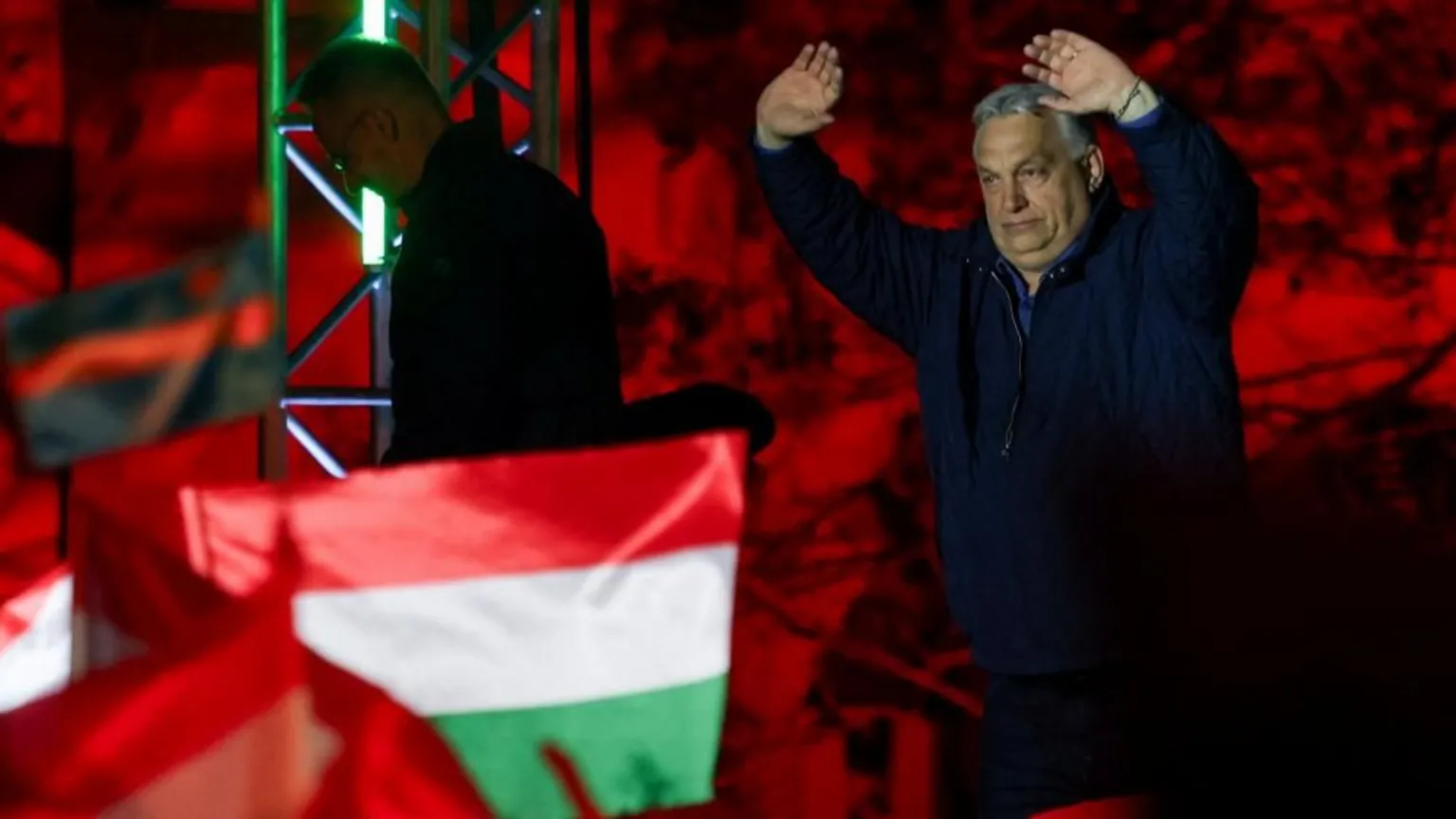
Addressing supporters on Saturday night, Orbán emphasized his core campaign themes targeting Brussels and Ukraine.
"We don't give our children, we don't give our weapons and we don't give our money,"
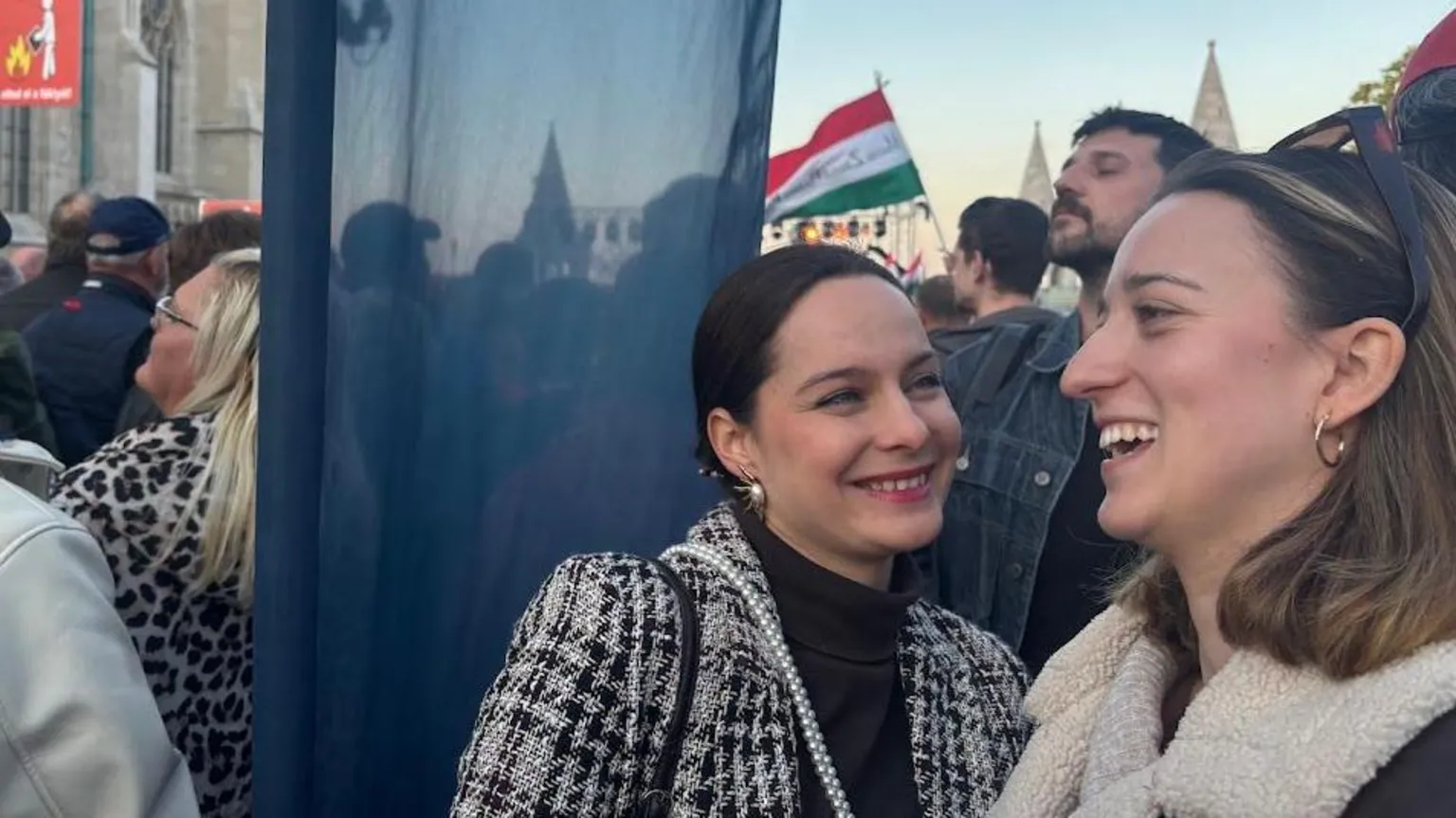
he stated, a message that resonated with the crowd, who responded with chants of "we won't let that happen." One supporter, Johanna, expressed her support for Orbán’s family protection policies and his stance on the war in Ukraine.
Challenges Facing Orbán
Orbán has secured four consecutive election victories, but a fifth may be uncertain amid economic difficulties and multiple scandals. Notably, Foreign Minister Péter Szijjártó admitted to frequent communications with his Russian counterpart before and after European Union summits, raising concerns.
Hungary, a member of both the EU and NATO, has seen Orbán veto €90bn (£78bn) in aid to Ukraine, causing friction with European partners.
Polls and Predictions
Hungary’s three most reliable pollsters indicate a "huge lead" for Magyar’s Tisza party, according to election expert Róbert László of the Budapest think tank Political Capital. Contrary to expectations that Fidesz would narrow the gap as the election approached, this has not occurred.
Magyar has emphasized that voters should aim not only for an absolute majority of 100 seats in the 199-seat parliament but also a two-thirds super-majority. This would be necessary to reverse many constitutional changes made by Fidesz affecting judicial independence, media ownership, and other sectors. Hungary consistently ranks near the bottom in Transparency International's Corruption Perceptions Index.
"The most likely scenario is that Tisza will have a comfortable, absolute majority, but not a two-thirds majority. But you can't exclude a two-thirds majority either,"
said László.
In recent days, figures from the police, military, and business sectors have publicly opposed Fidesz, which László interprets as a sign of shifting public sentiment against Orbán.
Electoral System and Potential Outcomes
Hungary’s electoral system is complex, and Orbán has acknowledged that it has favored his party.
One pollster suggesting Orbán could still win is the Nézőpont Institute. Its head, Ágoston Mráz, highlights 22 "battleground seats" out of 106 constituencies. If Fidesz secures these, a victory is possible. However, as 5% of votes in these areas will not be immediately counted, the final outcome may take several days to confirm.

Mráz also notes that Fidesz supporters tend to be less vocal than those of Tisza.
"Conservative voters are not normally as enthusiastic or their self-confidence is probably limited. They are more hidden voters, they are not ready to answer questions of pollsters, and among the Fidesz voters there are more, in percentage, blue-collar voters than in the Tisza party voter camp."
Key Battlegrounds
For Magyar to succeed, Tisza must win in key towns and cities, including Győr, Hungary’s sixth-largest city near the Slovak border.
Orbán brought Győr into focus last month when he lost his composure toward booing protesters and accused them of "pushing Ukrainian interests." Conversely, Magyar held a large rally in a central square in Győr the previous Thursday.
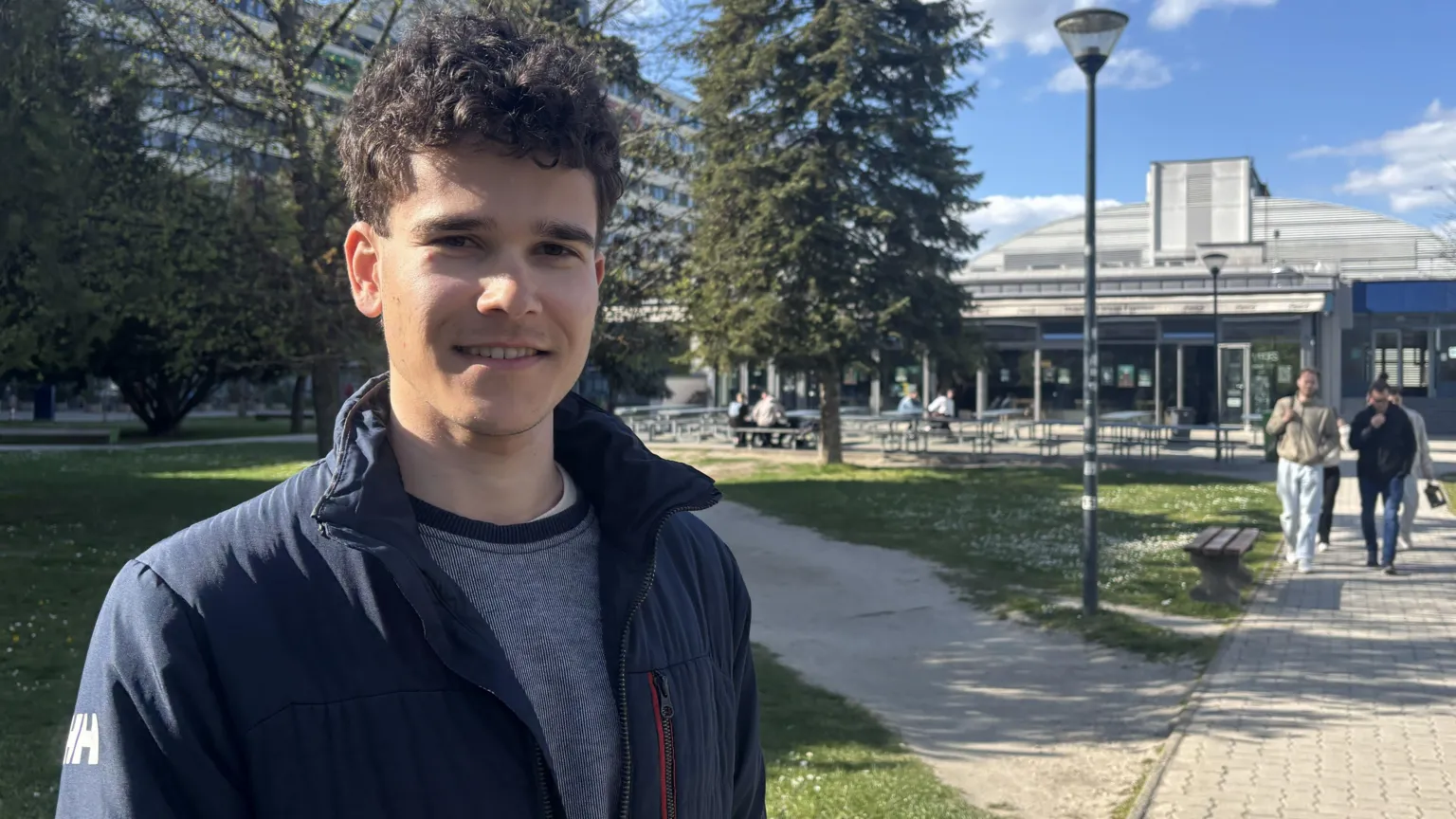
Gergely Németh, a 20-year-old student attending the rally with his mother, said his family has faced financial difficulties due to government policies.
"I think it's not the man, Péter Magyar, who's most important. More important is that someone changes these politicians in the parliament,"
he explained.
Local Political Dynamics in Győr
Győr has had an independent mayor and deputy mayor for two years, but Fidesz still holds a majority on the local council.
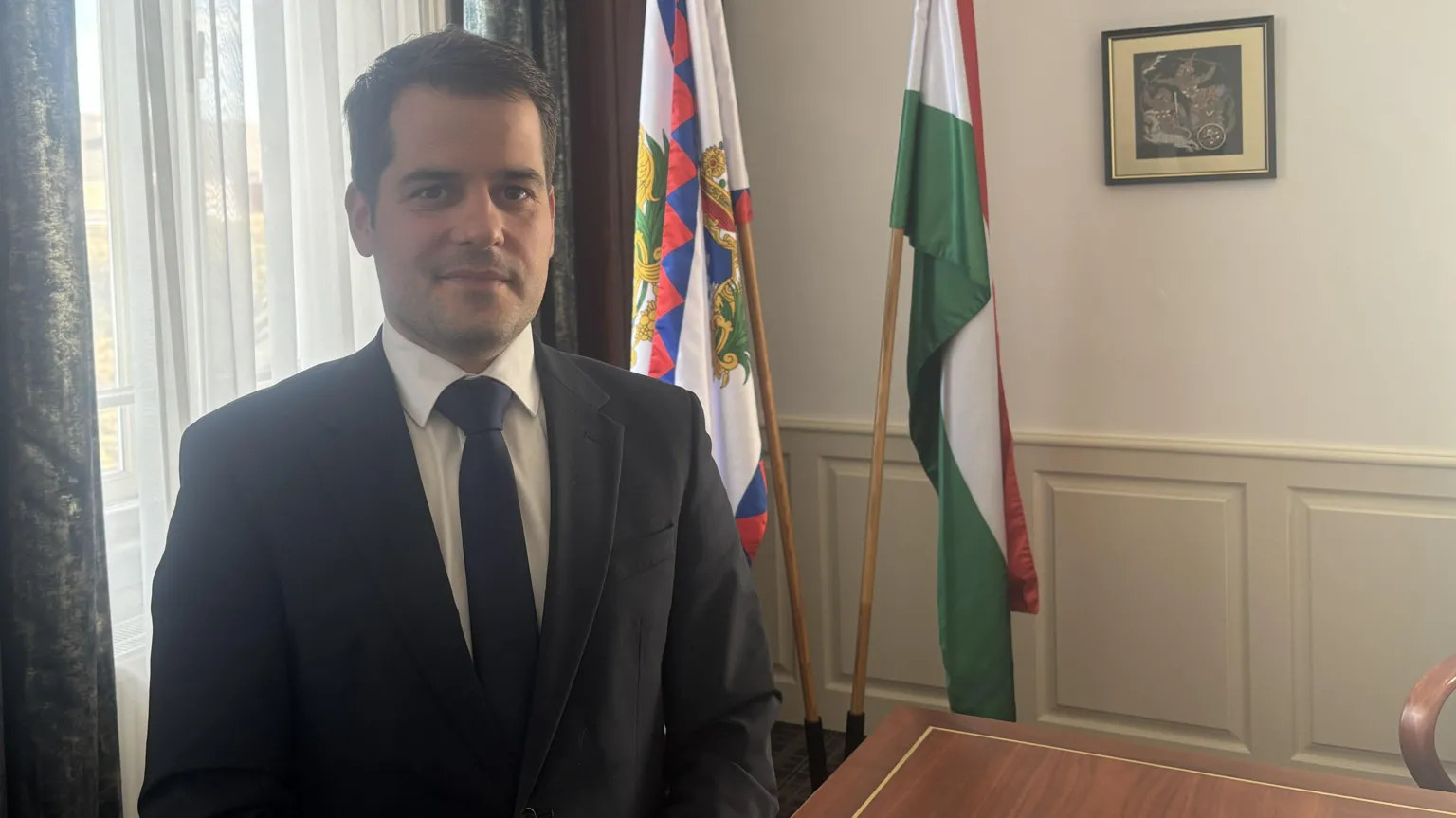
Deputy Mayor Roland Kósa described Fidesz’s attitude toward the independent administration as dismissive.
"When we got elected, what we faced even before and after is that Fidesz basically looked through us and said and thought we do not exist - this is still their city, this is still their country."
Kósa criticized Fidesz for squandering significant resources and years of opportunity in Győr.
Opposition Strategy and Composition
Kósa believes breaking away from traditional party politics is the effective way to challenge Fidesz.
Magyar, who began his political career as a centre-right conservative under Orbán, dramatically split from Fidesz two years ago. He now draws support across the political spectrum.
This broad appeal allows voters who may not personally favor Magyar to support a wider movement for change.
Magyar deliberately chose not to form alliances with other parties, instead building the Tisza party from the grassroots by establishing "Tisza-islands"—small activist groups in predominantly Fidesz areas. This approach mirrors Orbán’s earlier strategy of creating "citizen circles" during his opposition years.
These islands have become the foundation of a national movement and the core of Magyar’s campaign.
His candidates are professionals from various fields, including surgical specialists, teachers, and business leaders, who possess local knowledge of issues in healthcare and education.
Election Atmosphere and Potential Risks
This election differs from typical European contests. The two leaders are not participating in televised debates; instead, the campaign is conducted through social media and public gatherings.
Fidesz officials publicly express confidence in victory, though political chief Balázs Orbán suggested the opposition might reject defeat if it occurs.
Ágoston Mráz voiced concerns about possible unrest.
"I'm really afraid of getting violence on the streets because tension is in the air. I hope very much that every politician will be smart enough to help voters avoid violence on the street."
Despite these concerns, at least 100,000 Hungarians attended an anti-Fidesz concert in Heroes' Square on Friday night. Magyar urged supporters to avoid provocations.