

Fuel Shortages Across Ireland Amid Protests
Hundreds of petrol stations throughout the Republic of Ireland have depleted their fuel supplies as protests over rising fuel prices persist into their fifth consecutive day.
RTÉ reported that approximately 500 forecourts have exhausted their stocks of petrol and diesel, a situation attributed to protests involving slow-moving convoys of vehicles, including tractors.
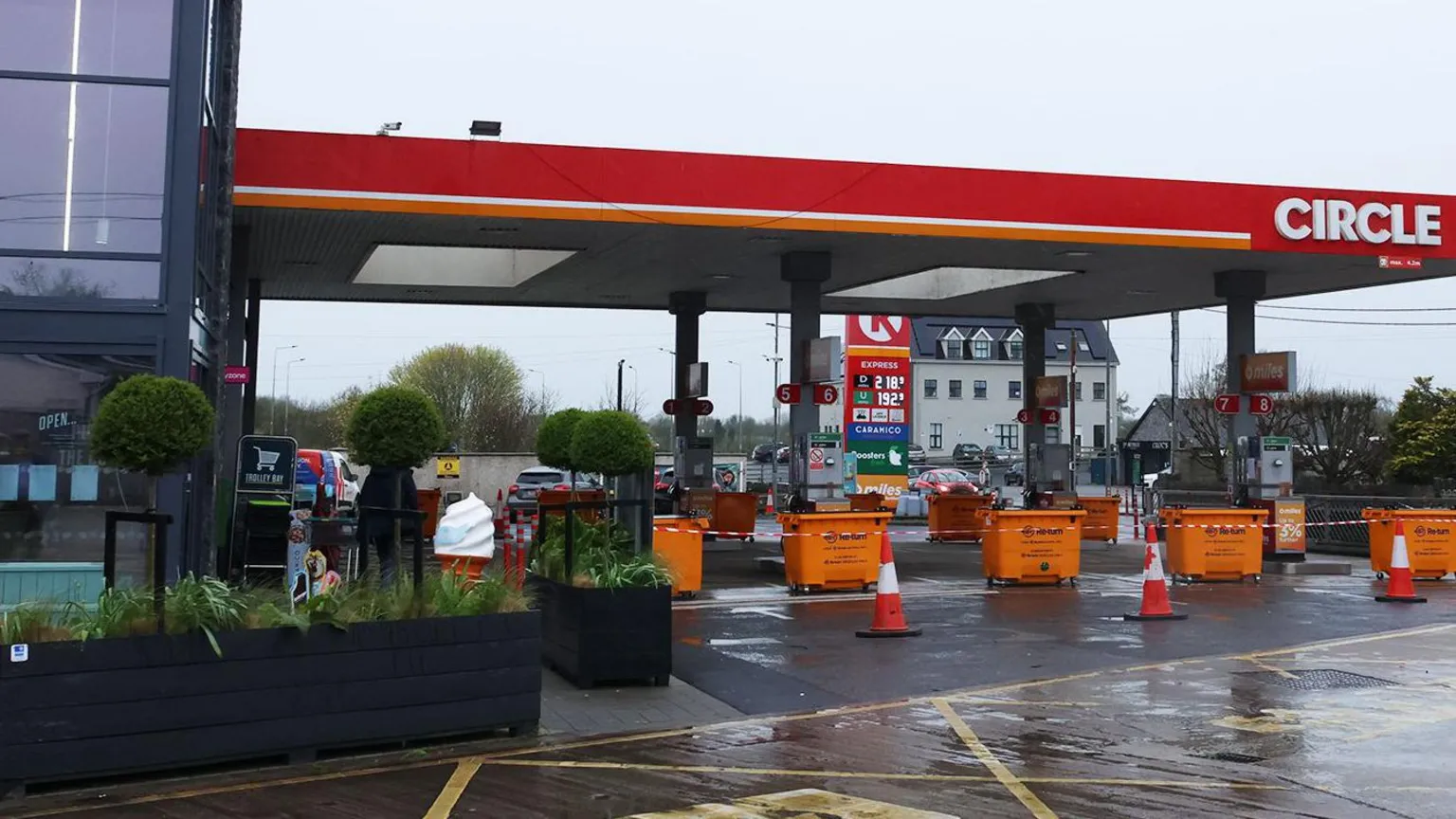
The demonstrations have been organised in response to the surge in fuel prices, which have been linked to the ongoing US-Israeli conflict with Iran.
The Irish government has confirmed that a fuel support package is being finalised following what it described as "constructive engagement" with representatives from the haulage and farming sectors.
Meanwhile, blockades remain in place in parts of Dublin city centre, with O'Connell Street and South Quay closed to traffic.
Public transportation services have also been disrupted, with some routes suspended and significant delays reported in Dublin.
Bus Éireann stated it will attempt to maintain services to Dublin Airport where feasible, while travellers to Shannon and Dublin Airports are advised to allow additional time for their journeys.
An Garda Síochána, the Irish police service, has declared an "exceptional event" in response to the fuel protests, enabling it to double the number of officers available for duty.

Intensive Engagement and Government Response
Discussions between Irish government ministers and stakeholders are expected to continue throughout the weekend.
On Friday, Tánaiste and Finance Minister Simon Harris announced plans for a "substantial and significant" support package targeting key economic sectors.
"The talks are going well," Harris stated, adding that further "intensive engagement" over the weekend is anticipated.
"The blockade has to end," he emphasised.
Taoiseach Micheál Martin highlighted the gravity of the situation, noting that the blockades have brought the country "on the precipice of turning oil away from the country" amid a global oil supply crisis.
On the same day, lengthy queues formed on the M1 motorway heading towards the Northern Ireland border, due to protesters blocking the motorway at Dundalk, with vehicles obstructing both lanes at the Carlingford turnoff.
The National Emergency Coordination Group (NECG), which coordinates emergency responses across government departments and state agencies, reported that fuel supplies for emergency vehicles, including ambulances and fire services, are under "increasing pressure."
Background and Causes of the Protests
The protests stem from rapid increases in petrol and diesel prices caused by the conflict in the Middle East.
Approximately 20% of the world's oil trade, the essential raw material for petrol and diesel production, has been disrupted by the closure of the Strait of Hormuz.
In the Republic of Ireland, diesel prices have risen from around €1.70 (£1.48) per litre to €2.17 (£1.89) per litre at many forecourts in recent weeks, with petrol prices increasing by up to 25 cents per litre at numerous pumps.
The protests commenced on Tuesday morning and have continued since.


