

Humpback Whale Stranded on Baltic Sandbar
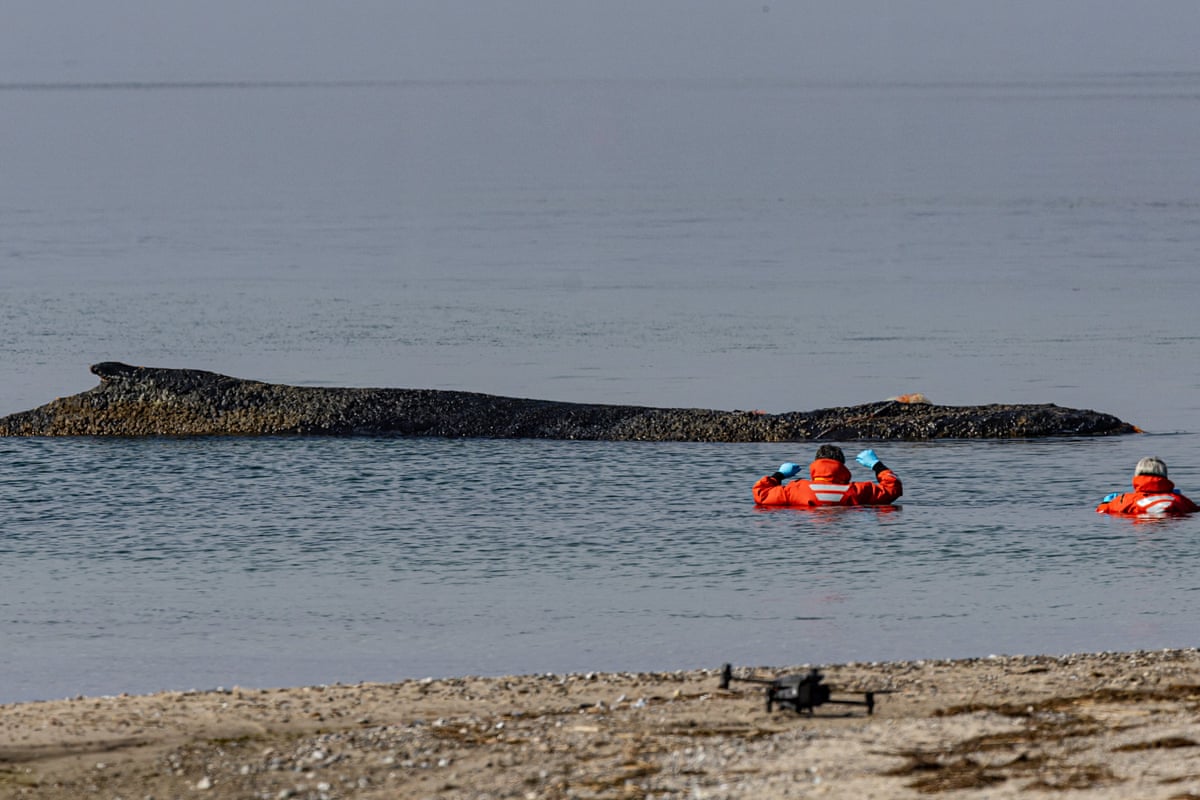
A 10-metre-long humpback whale has become stranded on a sandbar in the Baltic Sea and is at risk of dying unless rescue teams succeed in moving it to deeper waters soon, according to experts.
The whale, believed to be a young male, was first noticed on Monday by guests at a hotel in Niendorf in Lübeck Bay, northern Germany, who heard its deep moans and alerted the police.
Rescue Efforts Underway
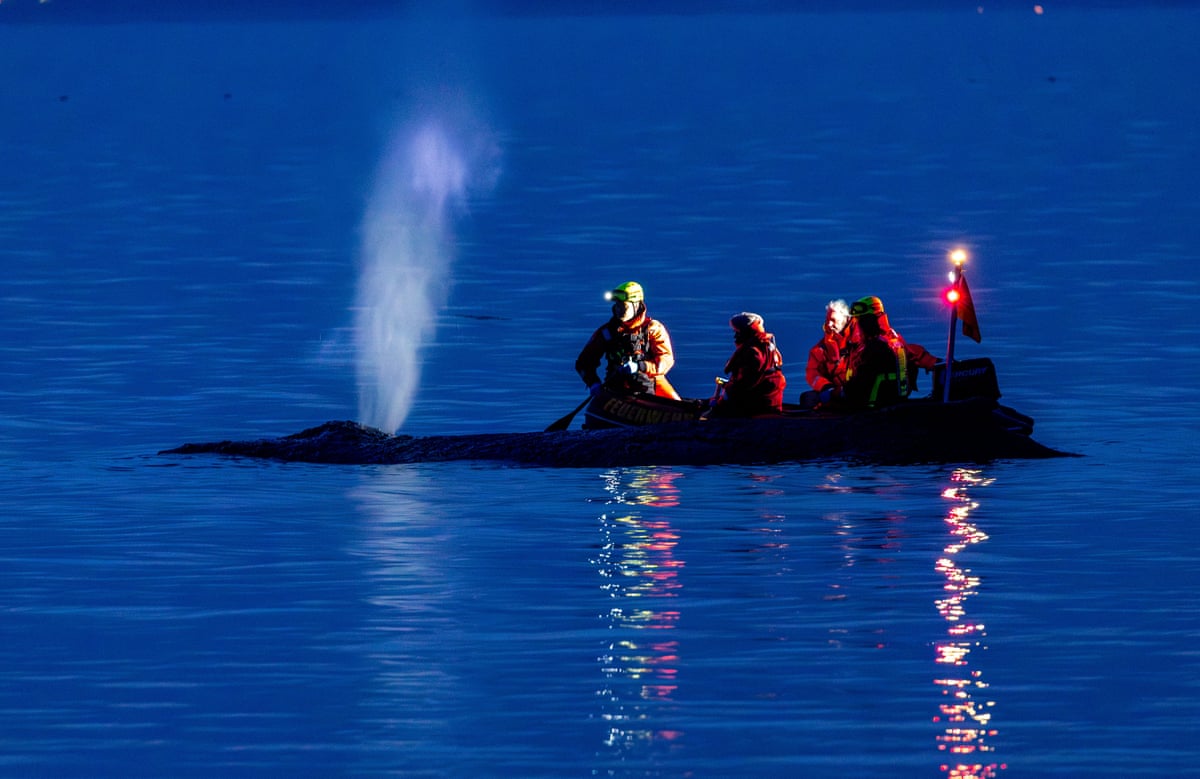
Since the sighting, local coastguard, fire brigade, and marine rescue teams have been working to assist the whale’s return to deeper water. Their efforts have included removing netting entangled around parts of the whale’s body and attempting to generate waves to encourage it to swim away.
Despite these measures, the whale has not yet moved from the sandbar. Experts estimate that the animal requires only one or two fin strokes to reach deeper water but appears to be weakening rapidly.
“Every passing hour means a deterioration in his condition,”
Sven Biertümpfel of the sea protection organisation Sea Shepherd told broadcaster NDR.“It’s only a question of time as to how long he’s got to live if he continues to stay lying there.”
Possible Causes of Stranding
Dr Stephanie Groß from the Institute for Terrestrial and Aquatic Wildlife Research (ITAW) in Büsum suggested that the whale might have accidentally entered the shallow waters while searching for fish. She said it might have either remained because it found sufficient food or lost its way.

Challenges in Rescue Attempts
On Monday night, rescuers briefly succeeded in turning the whale so its head faced the shipping channel and away from the beach, allowing it to begin moving back toward the Atlantic. However, the whale soon turned back toward the shallow area.
Rescue workers face the risk of injury from the whale’s flailing tail fin, complicating efforts to assist the animal.
Temporary Suspension of Rescue Efforts
Rescue attempts were paused temporarily after the whale showed signs of stress and exhaustion from the interventions. There had been hope that rising water levels around midnight would enable the whale to return to the sea unaided, but these hopes were not realized.
Public Response and Safety Measures
Niendorf’s mayor, Sven Partheil-Böhnke, urged the public to maintain distance, citing reports that some individuals were obstructing rescue efforts. Some people had attempted to approach the whale in small boats, while others criticized the rescuers for not doing enough to save the animal. Consequently, the beach area near the whale has been closed to the public.
Expert Opinions on Intervention
Veterinarians and marine experts present at the site rejected public calls to euthanize the whale. Marine biologist Robert Marc Lehmann told local media,
“Nature has to be allowed to take its course,”
“Human intervention isn’t always helpful.”
Context of Recent Strandings in Northern Europe
This incident is part of a growing number of whale strandings in northern Europe in recent weeks. Norwegian broadcaster NRK reported that at least 10 sperm whales have stranded in Denmark, Norway, and off the coast of Scotland in the past month. Denmark alone has seen eight whales arrive within a few weeks, with most animals entering shallow waters where they become stranded.


