

On the Brink of Nuclear Catastrophe
In his compelling new book, theoretical physicist Carlo Rovelli argues that the world is once again on the edge of nuclear disaster. Unlike the cautious leadership of Kennedy and Khrushchev during the Cold War, Rovelli contends that current global leaders lack the necessary wisdom to prevent catastrophe. Despite escalating tensions, he opposes the rearmament of European NATO members in response to the Russian threat.
Assessing the Russian Military Threat
When asked whether European NATO members should increase their military capabilities to counter Russia, Rovelli dismisses the notion of Russia as a conventional threat.
“The idea of the Russian military being a threat to Europe is ridiculous. Russia can’t even get to Kyiv! A few years ago, Russia had 4% of the world’s military spending and Nato had 40%.”He highlights the disparity in military expenditure but acknowledges Russia’s possession of over 4,000 nuclear warheads, the largest stockpile globally.
“So we cannot take Russia down,”he explains,
“because it would react.”Among the three nuclear superpowers—Russia, the US, and China—only China has committed to a no first-use nuclear policy. Both Russia and the US reserve the right to respond to conventional attacks with nuclear strikes.
Mutual Fear and Escalation
Rovelli identifies mutual fear and distrust as the core problem driving the arms race.
“We are trapped in a lack of reciprocal trust. We sleepwalk through these patterns of everybody becoming more armed, more aggressive.”He references recent events in St Petersburg where Ukrainian forces, equipped with NATO weapons, bombed the city and attempted to strike Moscow.
“So a country with nuclear weapons is being ‘bombed’ by the British. Not the British pushing the button, but the bombs come from Britain, as well as from Germany and France, with less from the US.”This unprecedented situation alarms Rovelli, as it challenges the long-held notion that nuclear-armed states are immune from such attacks.
Understanding the Kremlin’s Perspective
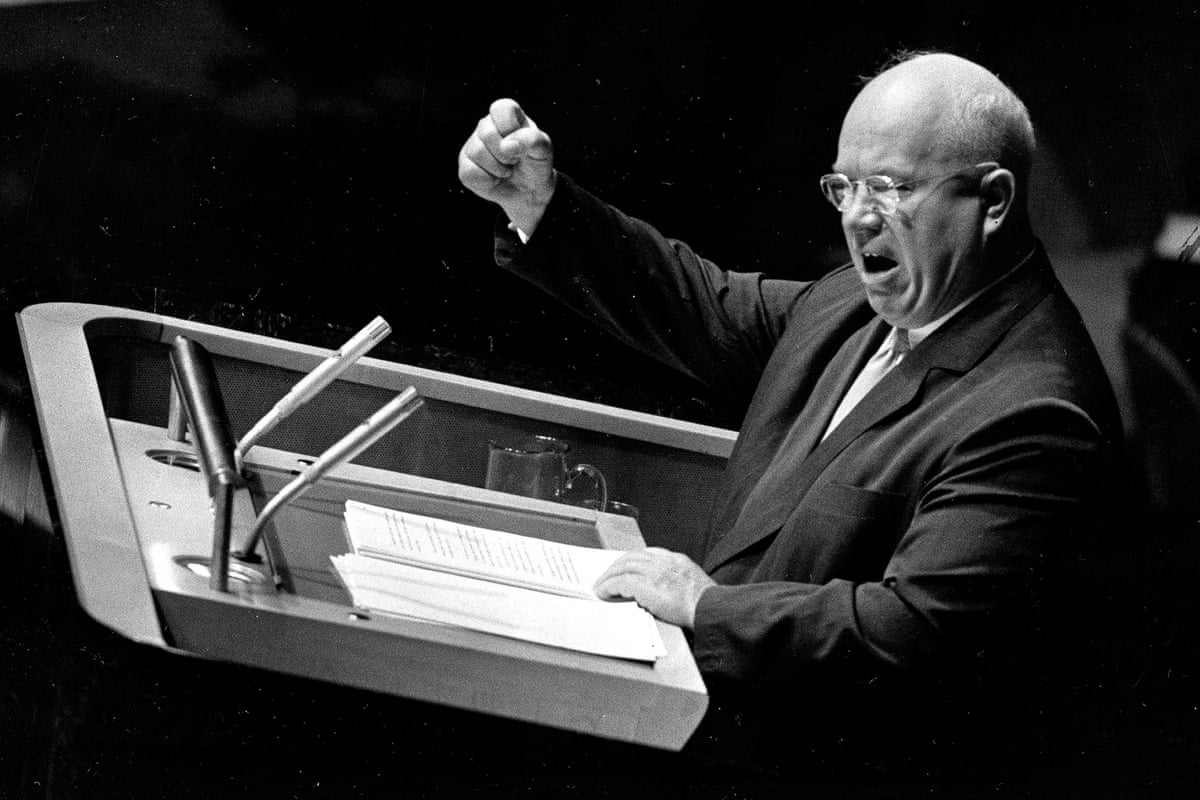
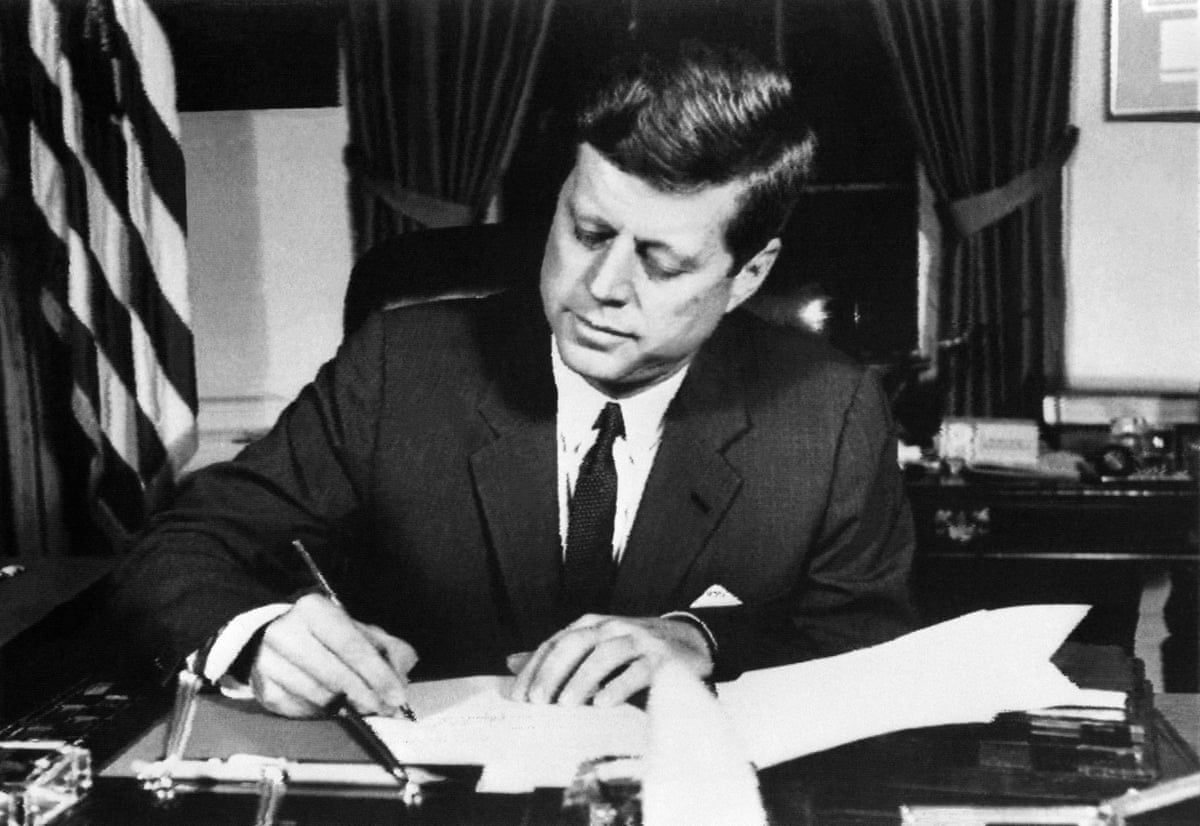
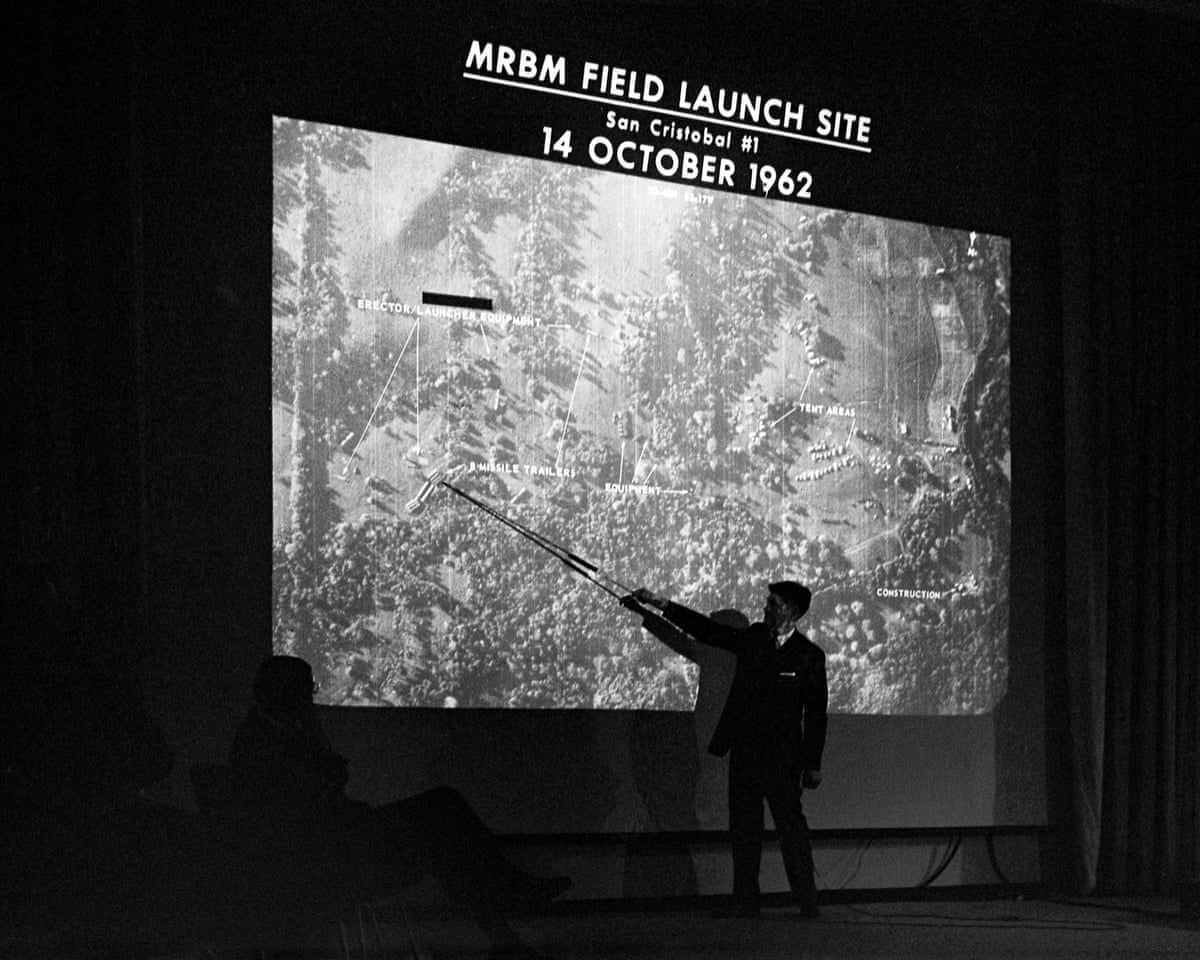
Rovelli urges consideration of Russia’s historical fears of Western aggression. He points to the 1962 Cuban missile crisis as a pivotal moment when the US placed nuclear missiles in Turkey, prompting Soviet Premier Nikita Khrushchev to deploy missiles in Cuba.
“That, he argues, prompted then Soviet premier Khrushchev to put nuclear weapons in Cuba, the US’s back yard.”Although the crisis was defused by Khrushchev and US President Kennedy, the fear of Western invasion remains ingrained in Russian policy. Rovelli suggests this fear underpins Vladimir Putin’s opposition to Ukraine joining NATO, which would allow Western nuclear weapons on Ukrainian soil. This, he argues, motivated Putin’s full-scale invasion of Ukraine four years ago.
Western Reactions and Calls for Rearmament
Rovelli observes that Russian aggression has fueled widespread fear and demands for rearmament in Western Europe. He cites statements from various governments:
“You have the French government saying French people should be ready again to sacrifice their children; the British government saying we should be ready for war because it might happen; the German government saying all this anti-war sentiment in schools is not good and we should change education, make war more acceptable. This is motivated by the idea that Russia is invading Europe. It’s nonsense.”
Fear as a Driver of Conflict
When questioned about the legitimacy of fear in prompting defense measures, Rovelli draws parallels with history. He references Adolf Hitler’s Mein Kampf, emphasizing that Nazi violence was fueled by a sense of weakness and fear rather than strength.
“Mein Kampf does not say, ‘We are German, we are the strongest, we are going to run the world, we are great, we are white, we are Aryans, whatever.’ It says, ‘We are weak. And the only way we have to survive is to become stronger and overcome the others.’ So what fuelled the violence of nazism was fear.”He also compares contemporary Middle Eastern conflicts, noting that fear drives aggression on both sides.
“What fuels the aggressiveness of Israel is fear. What fuels the aggressiveness of Hamas is fear. They are going to destroy us in Gaza unless we are aggressive. To answer fear with fear, to escalate, seems to me disgusting.”
Rejecting Historical Narratives of Destiny
Rovelli dismisses the idea that Putin’s actions stem from a historical entitlement to Ukraine.
“That’s obviously nonsense. You create these narratives that fuel tribal ideology. And that’s exactly what we don’t want. I don’t think anybody has any natural historical right to anything.”
The Role of Theoretical Physicists in War and Peace
Given his background, why should Rovelli’s views on rearmament carry weight? As a leading physicist known for explaining complex theories such as loop gravity and authoring popular science books like Seven Brief Lessons on Physics and The Order of Time, Rovelli acknowledges the mixed legacy of physicists in matters of war.
“We physicists,” Rovelli concedes, “did create this thing [nuclear weapons]. It is our poisoned gift to humankind. But historically, the voices of scientists – raising awareness about the nuclear risk – have been effective.”He credits scientists and intellectuals with influencing leaders like Gorbachev and Reagan to sign the 1991 Strategic Arms Reduction Treaty (START).

The Double-Edged Gift of Nuclear Science
Rovelli reflects on the ambivalent impact of scientific discoveries. He cites Enrico Fermi, an Italian physicist who in 1934 discovered nuclear fission, providing a new energy source but also enabling weapons of mass destruction.
“But the gift is too great,” writes Rovelli. “A small bit of uranium can release energy to demolish cities, burn alive millions of human beings and destroy civilisation itself.”
The 1941 Copenhagen Meeting and Its Consequences
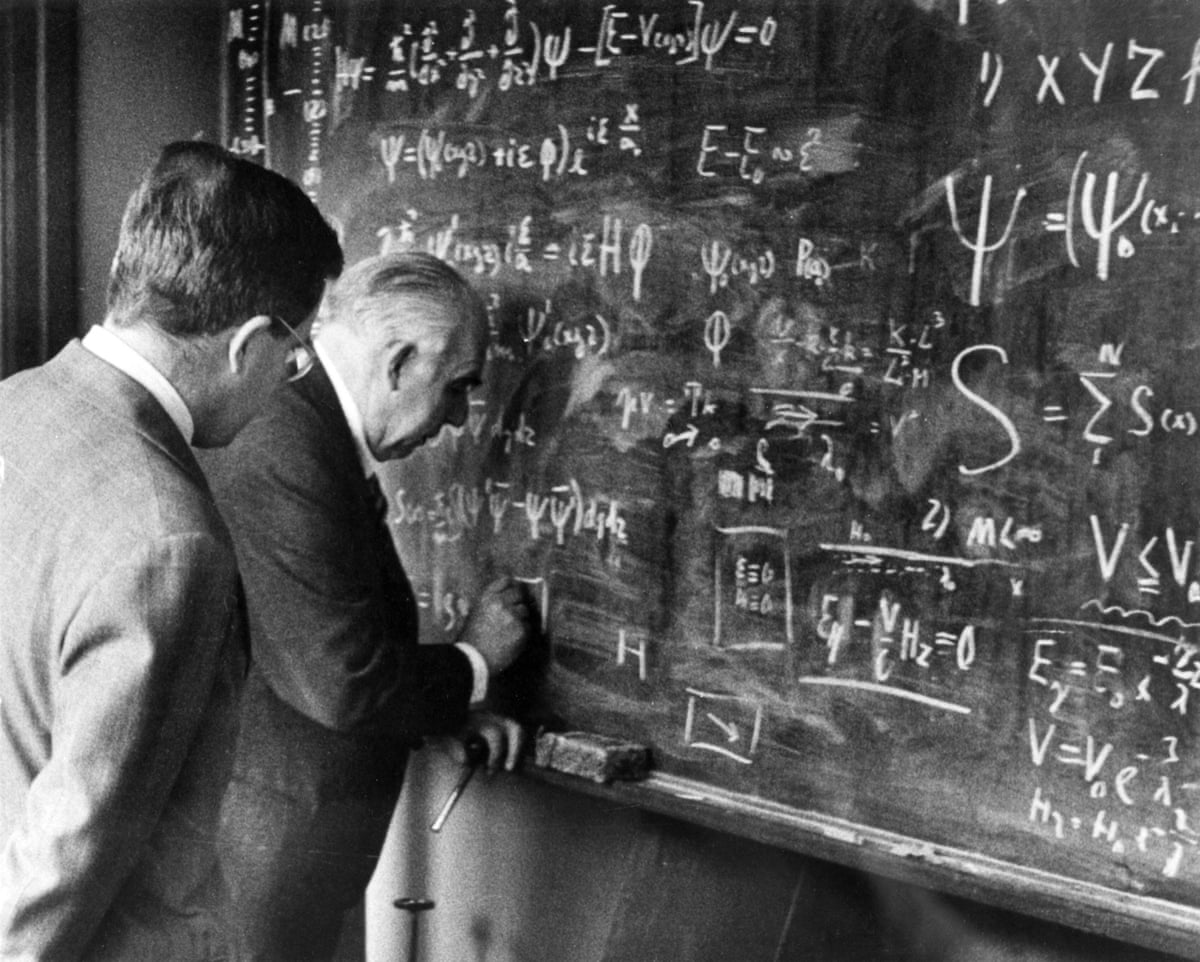
Rovelli recounts the 1941 meeting in Copenhagen between Niels Bohr and Werner Heisenberg, two prominent theoretical physicists. Bohr, who later fled to the US, believed Germany was close to developing a nuclear bomb based on his discussion with Heisenberg.
“Once in the US, Bohr said, ‘Look, this is a sketch given to me by Heisenberg of an atomic bomb.’ And it was definitely not. It was a sketch of a peaceful nuclear reactor.”This misunderstanding contributed to the initiation of the Manhattan Project, driven by unfounded fears of a Nazi nuclear weapon.
The Atomic Bombings and Their Aftermath
Rovelli describes the atomic bombings of Hiroshima and Nagasaki as unintended consequences of the Manhattan Project.
“The burning alive of 200,000 men, women and children in Hiroshima and Nagasaki”was not primarily to end the war quickly but served as a demonstration of US power. He characterizes it as
“The scream of the gorilla beating its chest and telling the forest that it is the strongest.”
Debating the Justification of Hiroshima and Nagasaki
Rovelli recalls a conversation with his mentor John Wheeler, a relativity theorist involved in the Manhattan Project, who justified the bombings as necessary to save American lives during a potential invasion of Japan. Rovelli, however, found this rationale morally troubling.
“I found the argument he used – it’s OK to kill many hundreds of thousands of Japanese civilians to save the lives of a few American boys – disgusting. Not a few American boys in America living a life – but sent there to conquer an island which is not American. Japan had already lost the war.”
Personal History and Opposition to War
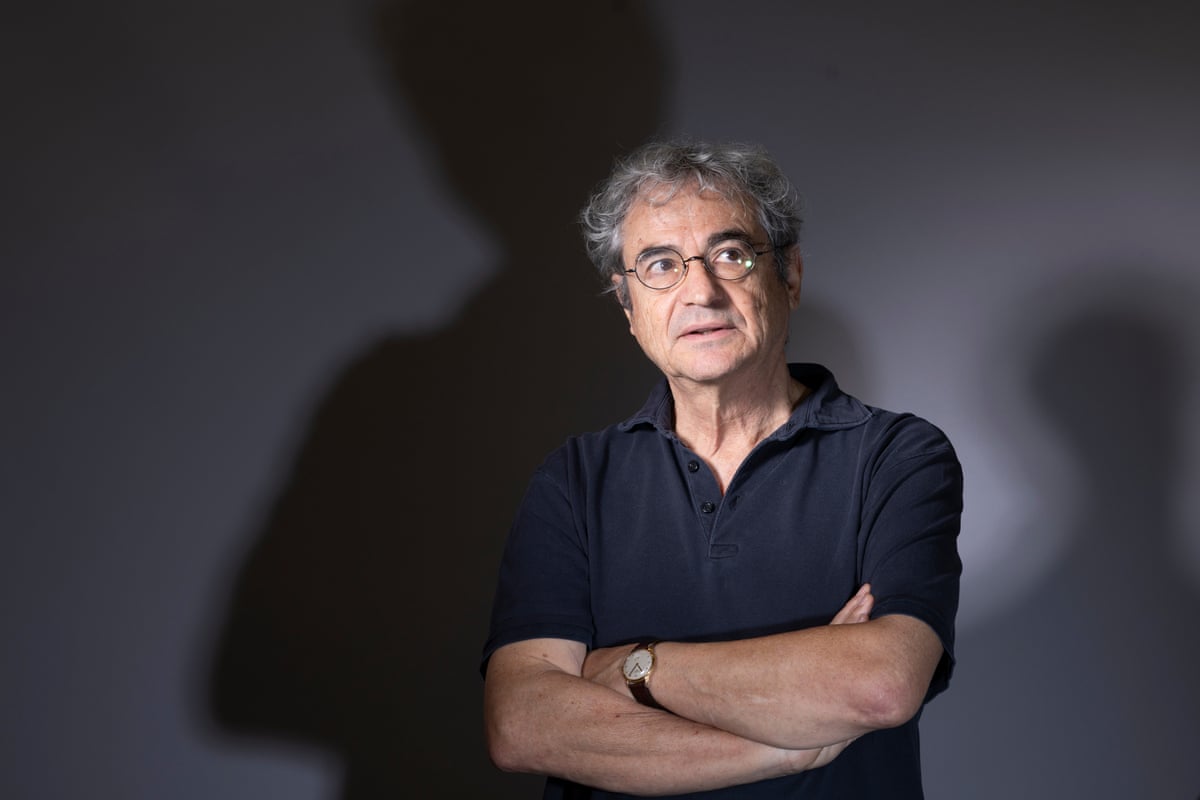
Rovelli’s personal experiences inform his stance against rearmament. He was imprisoned as a student for refusing military service in Italy.
“I’m Italian and we remember fascism grew with the idea that war is beautiful. War is what makes us great. War is fantastic.”
Nuclear Proliferation and Iran
Discussing Iran’s potential nuclear ambitions, Rovelli rejects the notion of absolute rights to nuclear weapons.
“We have to live together, so we have to find compromises. If Iran did not feel under threat, it probably wouldn’t feel the need to go nuclear.”
The Doomsday Clock and Leadership Failures
The title of Rovelli’s book, 85 Seconds to Midnight, references the 2026 Bulletin of Atomic Scientists’ Doomsday Clock, which is set at its closest point to nuclear catastrophe ever recorded. Rovelli attributes this heightened risk to the poor judgment of contemporary leaders. He believes that figures such as Trump, Putin, Netanyahu, and leaders of NATO and Iran lack the prudence demonstrated by past leaders like Khrushchev, Kennedy, Gorbachev, and Reagan, who helped steer humanity away from disaster.
A Call for Courage and Humanity
As the conversation concludes, Rovelli poses a poignant question:
“What politician has the courage to say, ‘Rather than making my own country stronger, I want to make humankind better’?”This question underscores the profound challenge facing global leadership in 2026.


