Hogan Responds to Hanson’s Australian Monoculture Claim
Paul Hogan, famously known as Crocodile Dundee, has countered Pauline Hanson’s recent remarks on Australian monoculture with a metaphor that has sparked curiosity and discussion.
For the past week, Australian politics has been engaged with One Nation leader Pauline Hanson’s attempt to define her contentious concept of “Australian monoculture.”
During a Senate speech on Wednesday, Hanson stated:
“Bring back Norman Gunston and Paul Hogan. These are the essential features of Australian monoculture, and there’s nothing remotely exclusionary about them.”
In response, Hogan, who was in Venice Beach, California, employed a bird metaphor to describe Hanson.
He reportedly said:
“She’s a pelican, yeah,”
and added that Hanson “sounds very much like this stupid boofhead over here, Trump.”
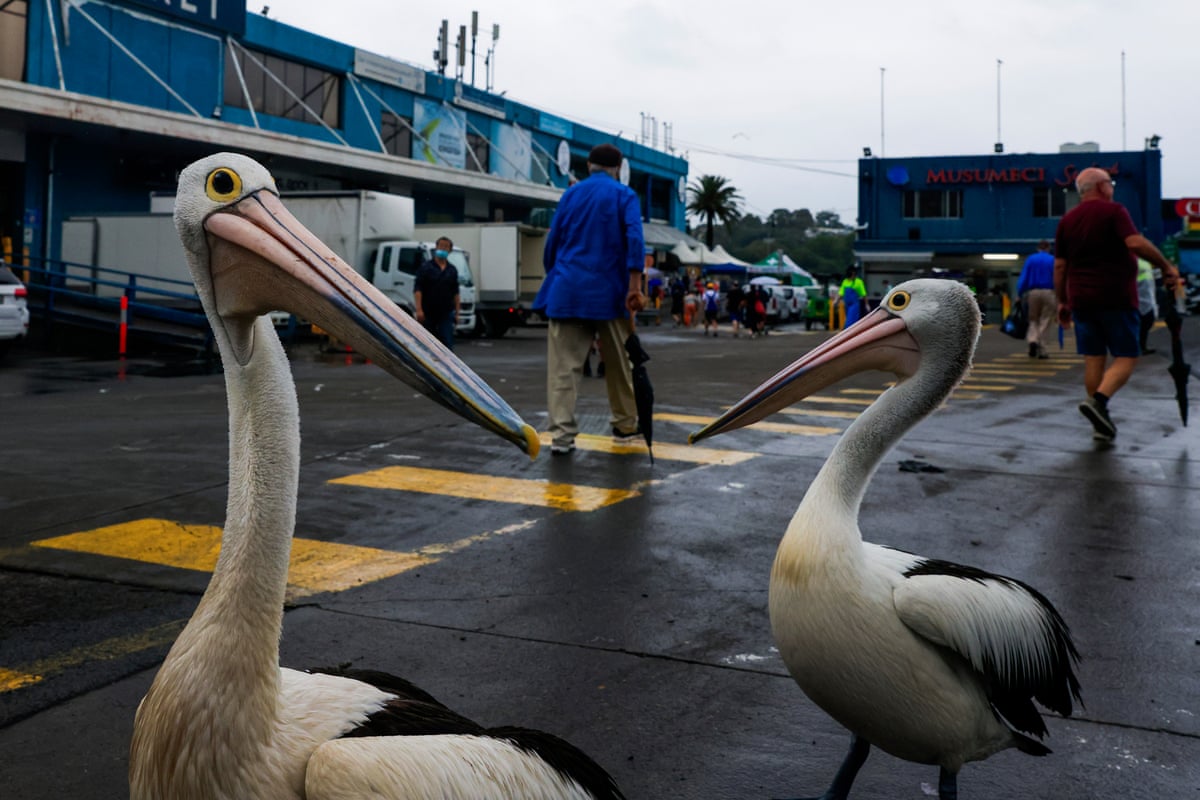
This raised questions about the meaning behind calling someone a “pelican.”
Understanding Hogan’s Use of ‘Pelican’ in Australian Vernacular
Hogan, aged 86, is a revered figure in Australian culture, although he has faced criticism in the past, such as when he encouraged Americans to “throw another shrimp on the barbie.” Despite this, he is recognized as a rich source of Australian slang, credited by academics for popularizing Australian expressions.
Returning to the term “pelican,” Hogan has a history of using it. In the 1986 film Crocodile Dundee, his character tells a New York driver:
“Get on the right side of the road, ya pelican!”
Similarly, Australian actor Russell Crowe used the term after the South Sydney Rabbitohs’ 2014 NRL grand final victory, referring to a club sponsor as a “pelican” after overhearing support for the opposing Canterbury-Bankstown Bulldogs. The executive involved claimed to have been misunderstood, and Crowe deleted the tweet.

The use of “pelican” as an insult has historical roots. In Act III, Scene 4 of Shakespeare’s King Lear, the title character refers to his daughters Goneril and Regan as:
“'twas this flesh begot/Those pelican daughters.”
The New Oxford Shakespeare explains this line as referring to “young pelicans supposedly fed on their mother’s blood.”
While this literary connection exists, it is unlikely Hogan intended a Shakespearean reference to criticize Hanson’s political ambitions.
Australians commonly use native wildlife, especially birds, as insults, such as “galah,” “bin chicken,” and “drongo.”
Although “pelican” is not specifically defined in the Australian National Dictionary, online consensus suggests it means a fool or clown, based on the bird’s perceived slow movement and awkward appearance.
However, this perception is unfair to the pelican, which is known to be “highly mobile,” working cooperatively in groups “to drive fish into a concentrated mass,” and capable of soaring to altitudes of up to 3,000 meters—qualities that could be admired in a leader.
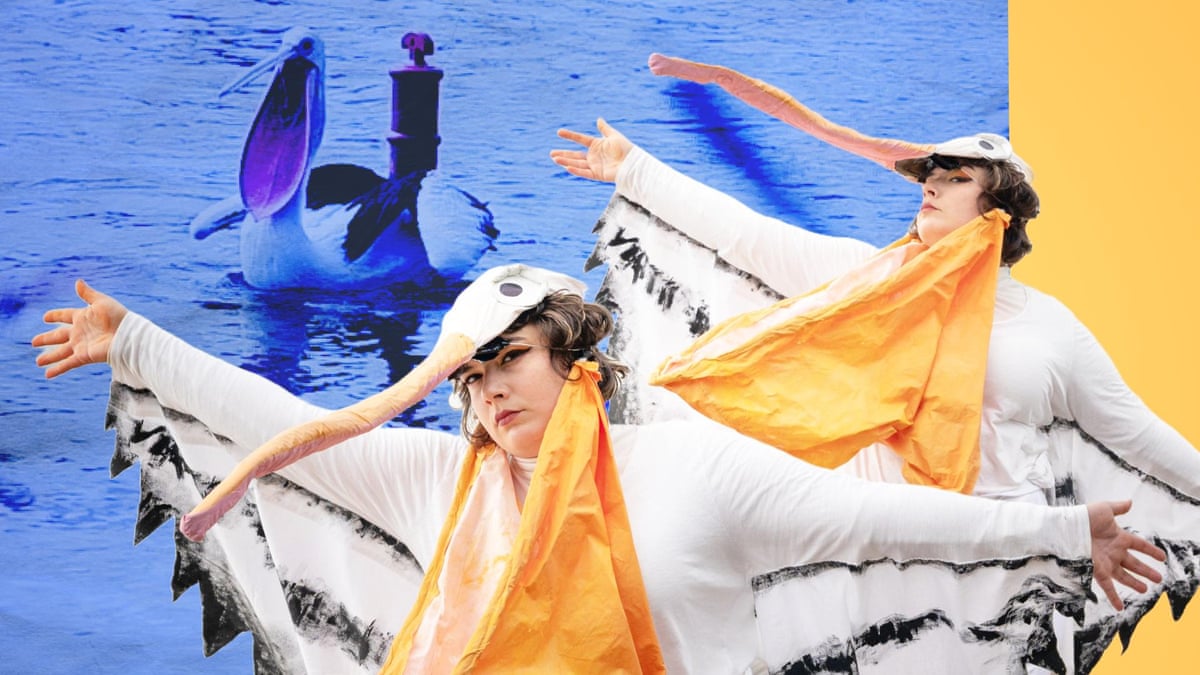
Indeed, the pelican has gained popularity in Australia’s Bird of the Year contest, partly due to public awareness campaigns.
Despite the insult, Hanson’s controversy continues to fuel public attention. According to reporting by the Australian Financial Review, Hogan did not intend the term as a compliment.
He also commented on Hanson’s views:
“She’s living in the past, obviously,”
“How can [Australia] be a monoculture? We’re all migrants, except the Aboriginals, who as far as we know have been [in Australia] for 60,000 years.”
Hogan further expressed his personal stance:
“I want to die in Australia – in a multicultural Australia!”
So much for the monoculture notion. As Hogan’s character famously said, “That’s not a knife, Pauline.”