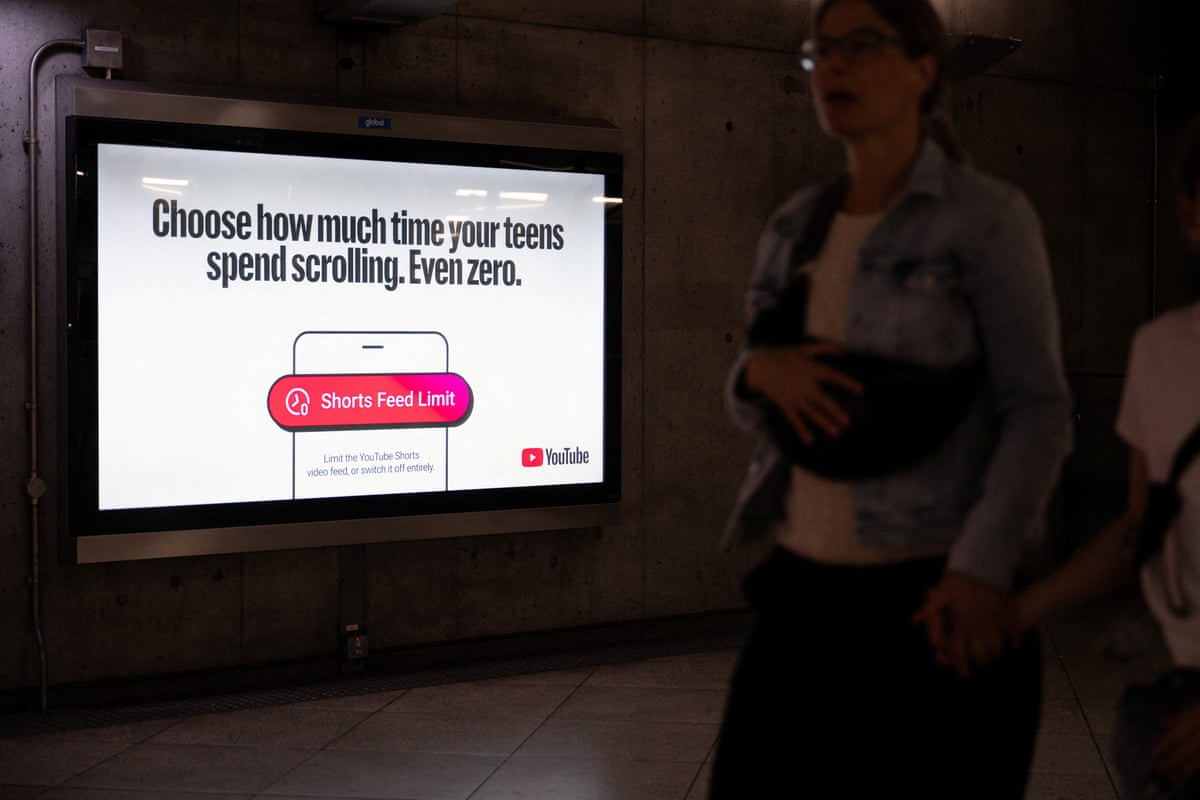
Global Moves to Restrict Social Media Use Among Children
As numerous countries initiate measures to limit social media usage by children, questions arise whether this marks a pivotal moment for technology akin to the tobacco industry’s reckoning.
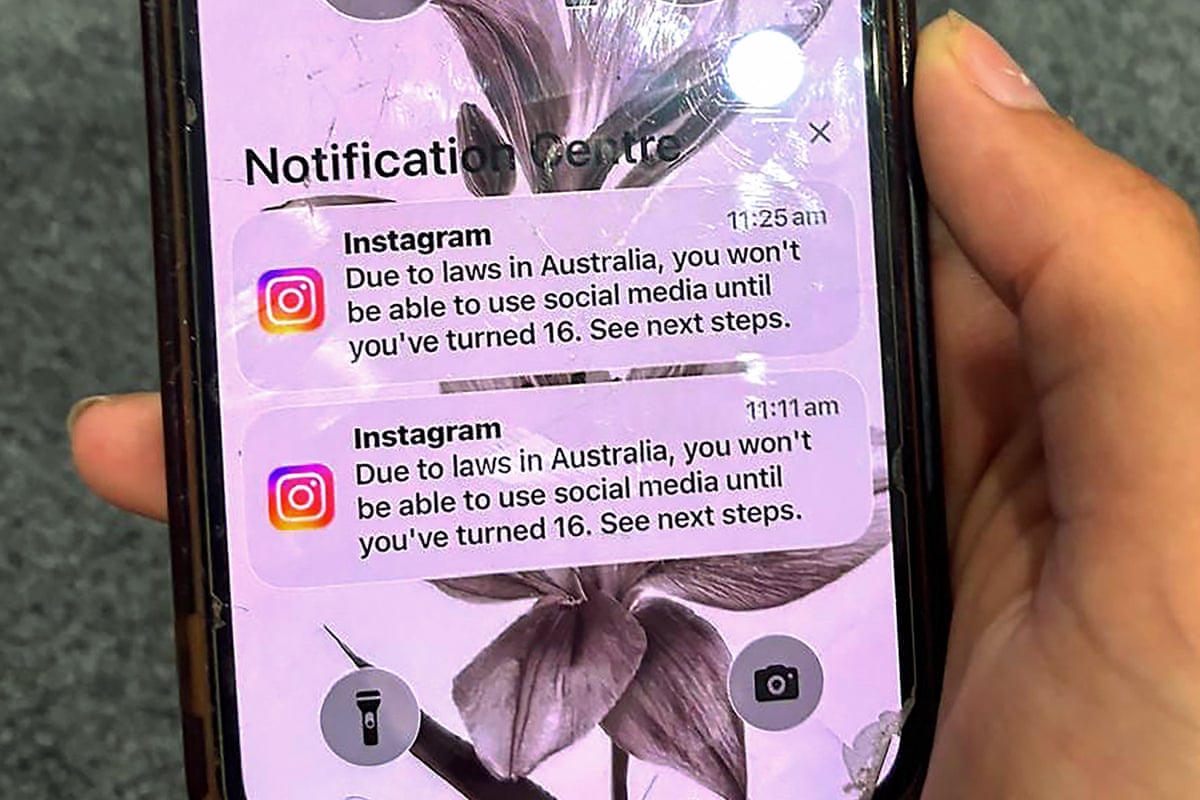
Australia’s introduction in December of a ban on social media access for children under 16 has drawn worldwide attention. The policy, the most comprehensive of its kind, was met with a mixture of skepticism, respect, and firm belief among some that children would find ways to bypass the restrictions.
In the months following, Australia’s initiative has catalyzed similar actions globally. Indonesia implemented a ban in March preventing children under 16 from accessing most social media platforms, with Malaysia adopting comparable measures shortly thereafter. The United Kingdom recently announced plans for a social media ban targeting children, aiming for enforcement by early 2027.
Justin Hendrix, chief executive and editor of Tech Policy Press, a nonprofit media organization monitoring over 40 countries’ efforts to restrict children’s social media access since February, describes Australia’s ban as a “bellwether.” He notes,
“It certainly seemed to spark a curiosity among other regulators.”
However, Hendrix emphasizes that the ultimate outcomes of these policies remain uncertain. He remarks,
“The phrase ‘tech’s ‘big tobacco’ moment’ has been bandied about. It’s certainly the case that there is a more substantial body of evidence now than perhaps ever before about the harms and the addictive qualities of social media. But I would say that science is not entirely settled, we’re still learning.”
Diverse National Approaches and Age Restrictions
Governments worldwide are adopting varied approaches to curbing social media use among children. For instance, Austria plans to restrict access for those under 14, while France has set the threshold at 15 years. Norway is considering expanding its existing ban from children under 13 to include those up to 16 years old.
In countries such as Poland, Denmark, and England, social media restrictions are often accompanied by bans on smartphone use within schools. Contrastingly, Brazil prohibits mobile phone use in schools for all ages but permits children under 16 to maintain social media accounts if linked to a parent or legal ’s account.
These measures reflect a broader dialogue about technology’s influence on children, according to Hendrix, who states,
“There’s a huge amount of activity right now, contending with this extraordinary amount of technology that’s in children and teens’ lives, at home and at school. And when you step back, I think you see it as all of a piece: We don’t know what we’re doing.”
Legal Challenges Highlight Social Media Harms
Recent months have exposed the risks of a laissez-faire approach through numerous lawsuits filed by school districts, government officials, and families worldwide. These lawsuits accuse social media platforms of harming children’s mental health, citing addictive design features and inadequate protection against sexual predators and harmful content. The companies involved have denied these allegations.
A landmark case in California found Meta and another company liable for deliberately designing addictive products that harmed a young user. Lawyer Mark Lanier stated,
“How do you make a child never put down the phone? That’s called the engineering of addiction. They engineered it, they put these features on the phones.”
Hendrix reflects on the societal impact, saying,
“I think the experience with social media, and to some extent the lag in the appearance of harms and the regulatory response, that’s weighing on people as they think of AI. You hear a lot of lawmakers saying: ‘We don’t want to repeat our mistakes.’”
Regulation Extends to Artificial Intelligence
Some courts have also begun addressing AI regulation. The UK’s recent ban includes plans to enforce an 18-year minimum age for romantic chatbots designed to simulate sexual relationships. Canada’s social media crackdown requires AI chatbot companies to implement safeguards to reduce harmful content risks. Norway announced a near-total ban on generative AI tools in elementary schools and restrictions for older students.
Effectiveness and Enforcement Challenges
The overall impact of social media bans remains unclear. Australia reported shutting down nearly 5 million accounts identified as belonging to children. However, a survey by the country’s online safety office of 900 parents found that about two-thirds of young people with social media accounts before the ban retained access.

UK Prime Minister Keir Starmer dismissed concerns about circumvention, stating,
“They get around other laws, too, but we don’t say: ‘Oh, look, a teenager managed to get a drink somehow, so let’s not bother banning alcohol sales to children.’ That would be utterly ridiculous, and so I just don’t accept that argument.”
Italy’s Prime Minister Giorgia Meloni expressed skepticism about the ban’s effectiveness, saying,
“I am not against a social media ban for under-16s, but I am not convinced that this proposal alone can solve the problem because that type of ban can be easily circumvented.”
India, the world’s largest social media market, remains an exception, with restrictions or bans being marginal issues championed mainly by activists and some judges concerned about children’s exposure to harmful content.
The United States, home to major technology companies, has seen limited success in implementing sweeping bans due to court rulings and the tech industry’s influence in government. Florida requires children 14 and under to be banned from certain platforms, with 15-year-olds needing parental permission. Utah passed broad legislation, though courts blocked some age verification measures on free speech grounds. Similar efforts in Arkansas were also halted by courts.
Opposition and Alternative Views on Bans
Tech companies argue that restrictions may drive teenagers to more harmful platforms. Opposition also comes from organizations such as Amnesty International, which described Australia’s ban as an “ineffective quick fix” misaligned with the realities of a digital generation.
Amnesty International advocates for regulation and education to create a “digitally safe society” for all, with Damini Satija stating,
“The most effective way to protect children and young people online is by protecting all social media users through better regulation, stronger data protection laws and better platform design.”
Satija further noted,
“A ban simply means they will continue to be exposed to the same harms but in secret, leaving them at even greater risk.”
Reflecting this perspective, Canada’s recent social media ban includes exemptions for companies demonstrating policies protecting users from harmful content. Spain plans to accompany its ban with legislation holding social media executives personally accountable for hate speech on their platforms.
Balancing Restrictions and Access
China, which has long blocked many Western social media platforms, introduced restrictions in 2021 including a weekday ban on online gaming for minors, permitting one hour daily between 8-9pm on weekends and public holidays. Douyin, China’s version of TikTok, limits children under 14 to 40 minutes daily between 6am and 10pm.
Concerns Over Intentions and Motivations
As social media bans spread, concerns have arisen about their underlying intentions. In Turkey, a recent proposal to block children under 15 from social media included plans for users to log in via a government-run portal, raising fears due to the state’s history of internet restrictions during protests and terrorist attacks.
Hendrix observes that motivations vary widely, stating,
“There are a lot of peculiar motivations that folks have, and it depends on the politics of the place. Some of them come from very socially conservative motivations, they’re about limiting access to pornography or perhaps LGBTQ material, and in some cases it’s more around concerns around addictions or some of the other types of mental health effects that people are concerned about.”
In Ecuador, discussions about banning social media for children under 15 focused on preventing recruitment by criminal organizations.
Hendrix concludes,
“I think the motivations and the ultimate rationale can be very different from place to place, jurisdiction to jurisdiction. But on the whole, stepping back from it, there is a consensus among regulators that there are substantial harms for children and teens from social media and that they need to be addressed.”