

Isolation and Supply Challenges in Birdsville and Bedourie
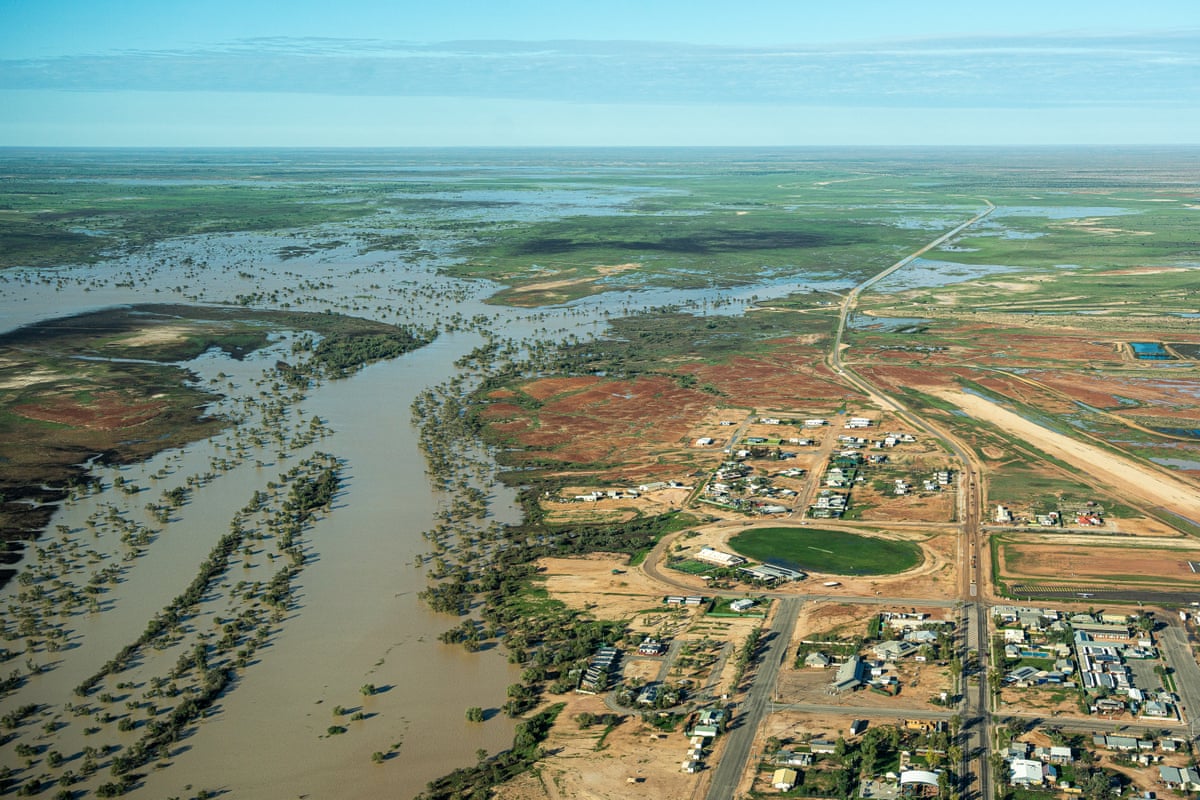
Residents of the remote Queensland outback towns Birdsville and Bedourie, located on the edge of the Munga-Thirri Simpson desert, are accustomed to extended periods of isolation caused by flooding. Currently, five weeks after floodwaters severed road access, these communities remain reachable only by air. Despite this, the primary concern among locals is the limited variety of chips available at the local store.
Since early February, the rural communities bordering the Northern Territory and South Australia have been cut off due to flooding. The dirt roads are unlikely to reopen for another month amid ongoing heavy rainfall forecasts.
With a combined population of approximately 260, the towns have experience managing prolonged isolation. Birdsville was isolated for about four months in 2011 after flooding disrupted the Birdsville Track, requiring goods to be transported by boat. Additionally, in 1974, the area endured six weeks of isolation due to flooding that exceeded previous records, a rare event occurring only a few times per generation.
The recent flooding has led to the cancellation of the Big Red Bash festival, the world’s most remote music festival, scheduled for July in Birdsville. However, both towns have avoided direct flood damage. Bedourie benefits from a levee bank standing 1.2 metres above the 1974 flood levels, and supplies remain sufficient.
Jenna Brook, who manages Birdsville’s service station, post office, and grocery store, explains that the town maintains a substantial stockpile of non-perishable goods in anticipation of road closures. She has coordinated with government agencies to arrange air deliveries of essential supplies, though these do not include items such as soft drinks, cigarettes, snacks, or bottled water.
“These resupply flights are great, but … no one would ask people in Brisbane to go four weeks without being able to resupply chocolate and soft drinks,”
she said.
Adapting to Flooding and Isolation
David Brook, a cattle station owner born in Birdsville in 1947 who has never lived elsewhere, reports that his cattle have not been affected by the flooding. In fact, the high rainfall may result in the best season he has experienced.
“It’s hard to believe these falls,”
Brook said.
“It’s not unusual for these rivers to flood very big, but it’s very unusual to get it all the way down halfway through South Australia as well.”
He noted that even a small amount of rain can close the dirt roads.
“You get 30mm of rain and it’s all over. Well, we’ve had a couple of hundred,”
he explained.
Brook acknowledged the challenges posed by modern lifestyle expectations.
“It’s going to be a testing time, because lifestyles are a bit different today. You get used to being able to get the food you want. People want to get fresh milk, and then you have to tell them it’s only long life.”
During isolation, government guidelines permit air resupply only of essential items including fresh fruit and vegetables, meat and bread, basic groceries, pet food, and medical supplies. Bedourie recently received its first mail delivery in five weeks, totaling 519 kilograms by air.
Jenna Brook noted that her store, the only one in Birdsville, currently stocks only two chip flavors, which are not popular.

“And they’re not selling very well, so I’m going to guess they’re not people’s favourite flavours. But we just adjust and try to lengthen out how long our supplies will last.”
She acknowledged the stress caused by travel disruptions, with flights to and from remote towns being very costly.
“A double standard here is that we are asked to be resilient more often and for longer periods of time than places where there’s more votes and where there’s more people.”
Community and Lifestyle in the Desert
Bedourie has a population of approximately 150, while Birdsville has about 110 residents, swelling to over 7,000 during its annual races in September. Birdsville is also a popular destination for tourists visiting Kati Thanda-Lake Eyre and embarking on the 517-kilometre Birdsville Track to Marree.
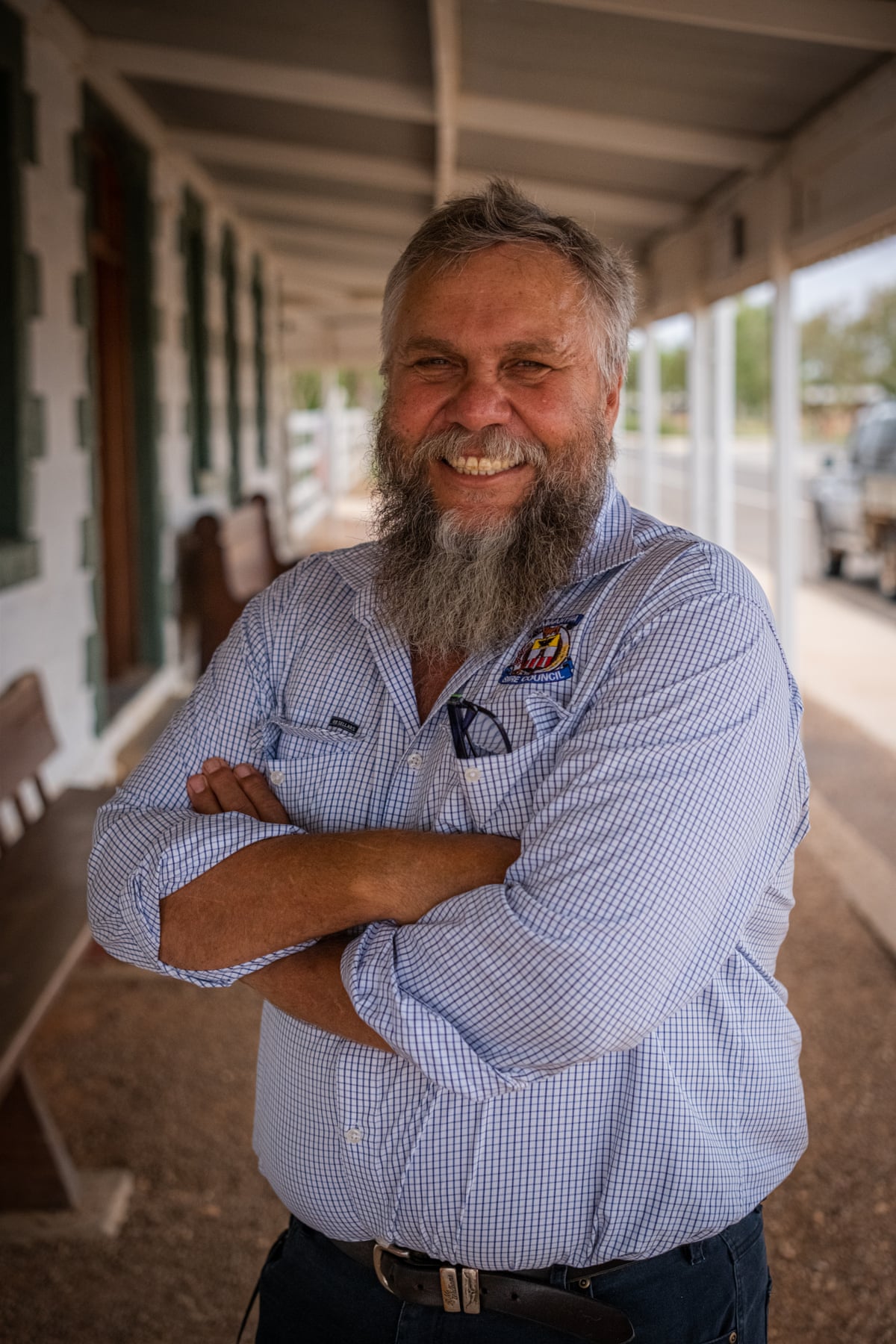
Francis Murray, mayor of the Diamantina Shire, which includes both towns, acknowledges the communities’ experience with isolation but notes a significant transient population.
“There’s plenty of people in the community that [being cut off] is new to,”
Murray said.
“But there’s enough old hands here, too, to guide the new ones through.”
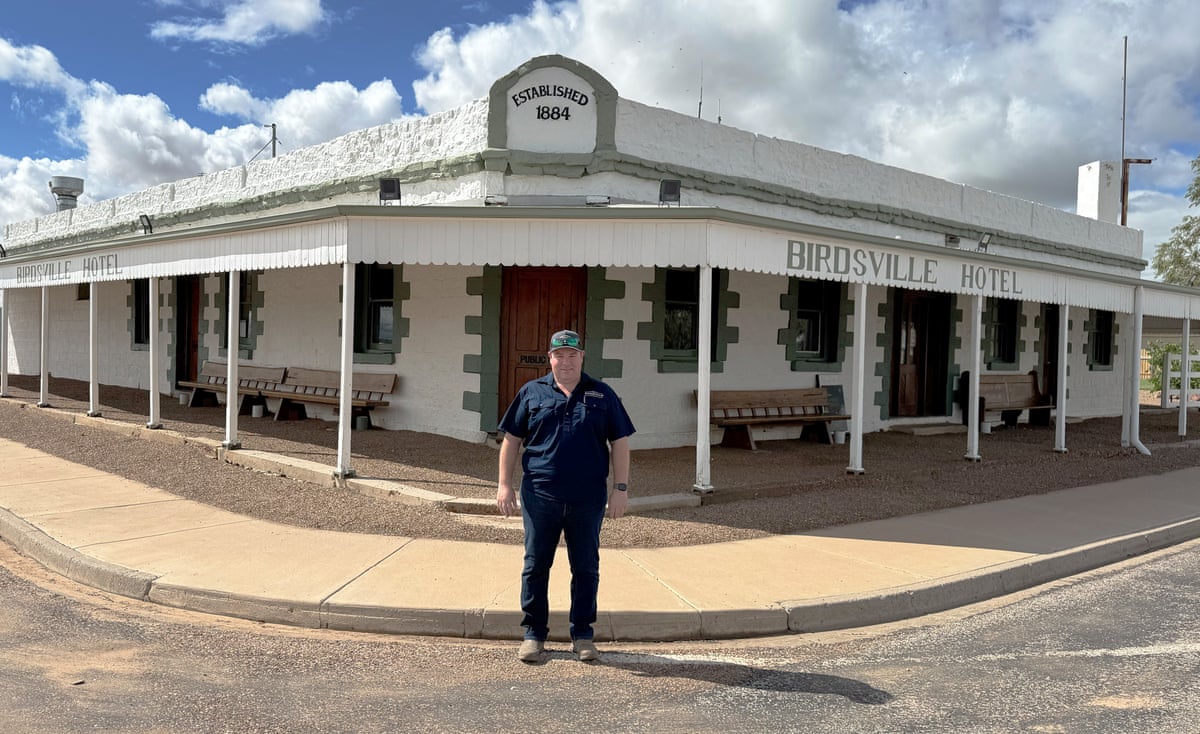
Ben Fullagar, general manager of the Birdsville Hotel and Birdsville Aviation, has lived in Birdsville for 13 years. He remarked that everyone remembers their first flood and road closures but comes to accept it as a normal aspect of life in channel country.
“Then, over time, you realise that it’s quite a normal part of life in channel country, and then you start to look at people who live on the coast and think that they don’t live such normal life,”
he said.
“They look at us and think we’ve got all these challenges with weather, whereas we look at the coast and go, well, they’ve got all these challenges with social pressures and traffic. It’s just a different lifestyle, you know?”
Regarding the local pub, Fullagar said it has been operating steadily despite the limited population.
“I mean, there’s only a limited amount of people in town,”
he said.
“We’ve been having big Friday theme nights to entertain the locals while the roads are closed. This Friday we’re doing American prom night, we’ve had disco nights … They’re not feeling like ‘oh we’re stuck in Birdsville’.”
Climate Change and Environmental Transformation
Such flooding events may become more frequent. Australia experienced its fourth-warmest year on record in 2025, according to the Bureau of Meteorology. Global warming, primarily driven by fossil fuel combustion, has increased the frequency and intensity of extreme weather events.
Once floodwaters recede, the landscape undergoes a remarkable transformation. Parts of the Simpson Desert are shifting from red to green, with bright purple, red, and yellow wildflowers blooming alongside white pelicans.
Lake Eyre is filling to levels not seen since the 1970s.
“It brings the channel country to life like you’ve never experienced,”
Fullagar said.
“It’s amazing to see because it just becomes this oasis of health and growth. There’s never going to be a year like this to see the outback.”
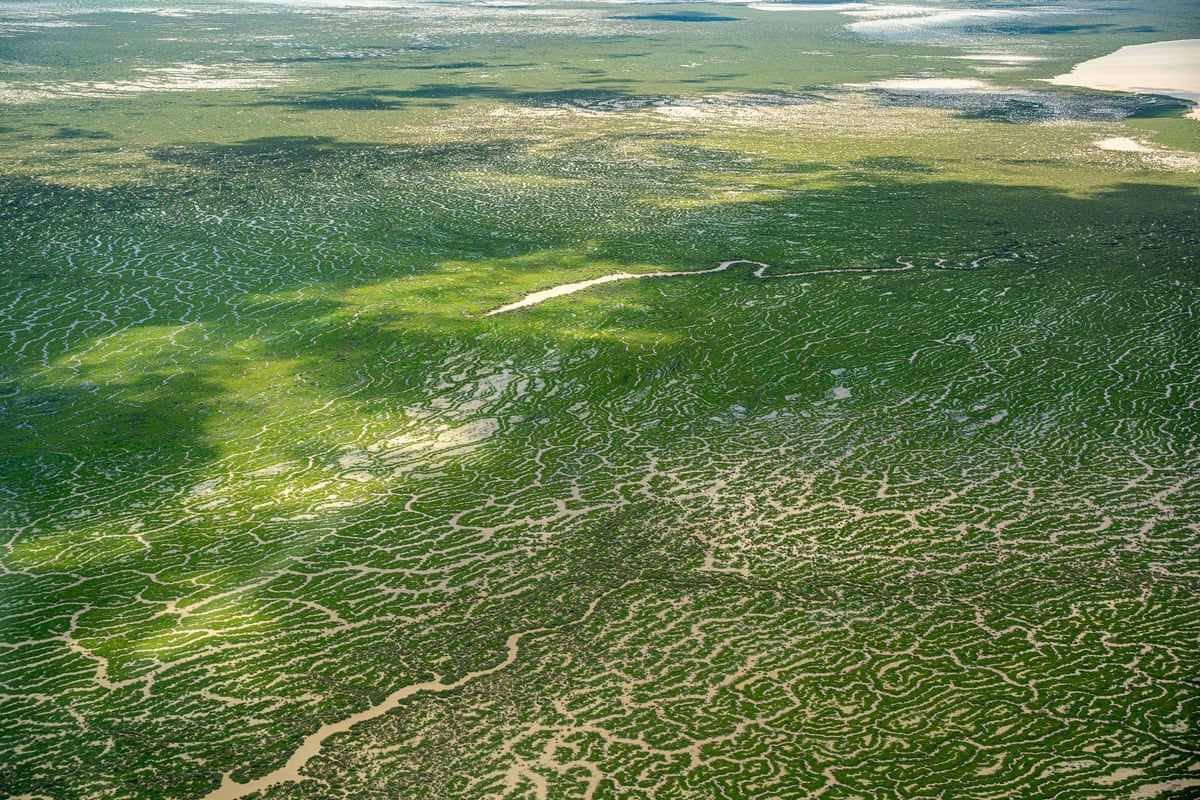
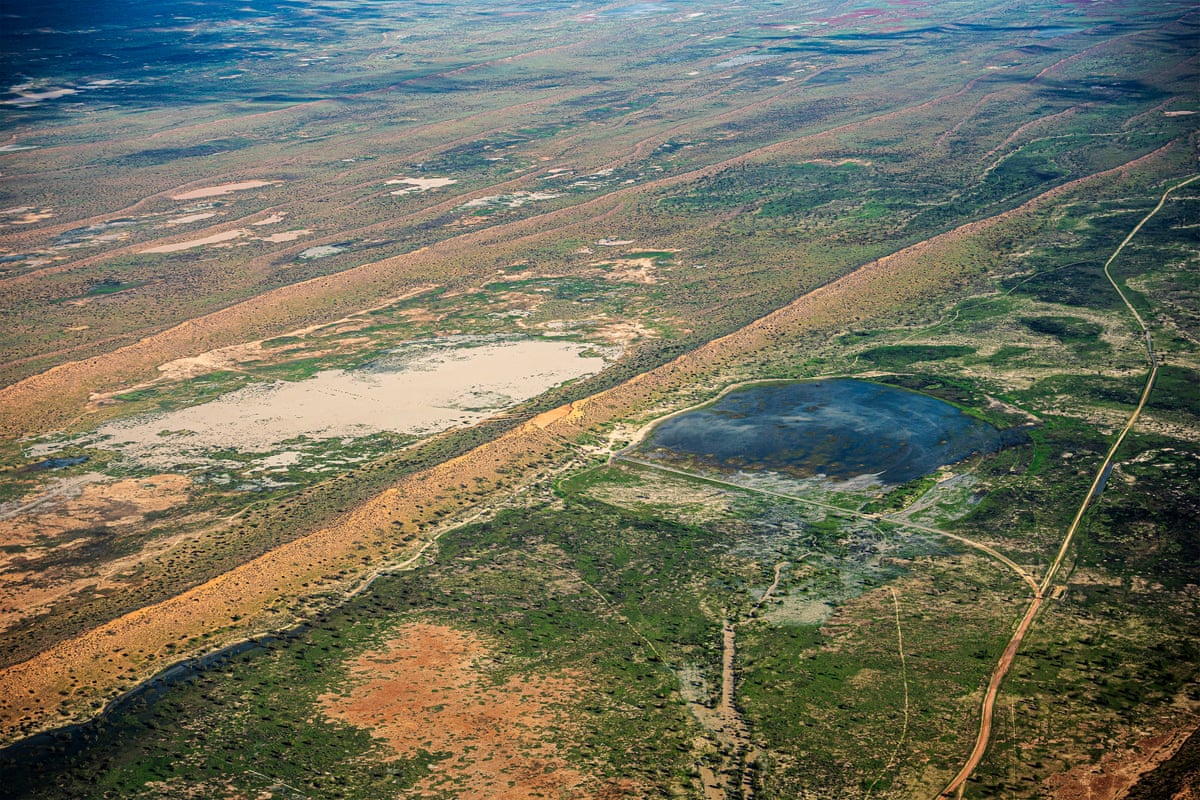
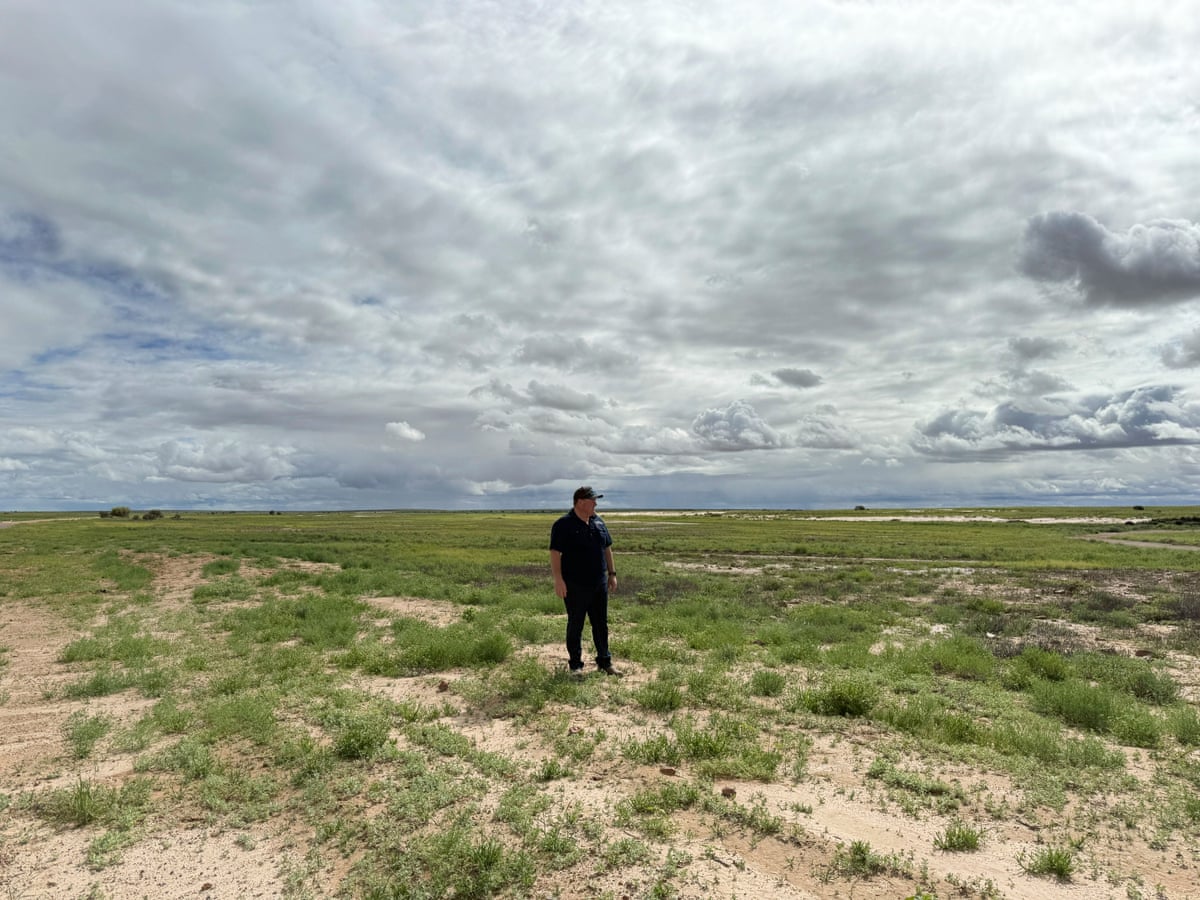
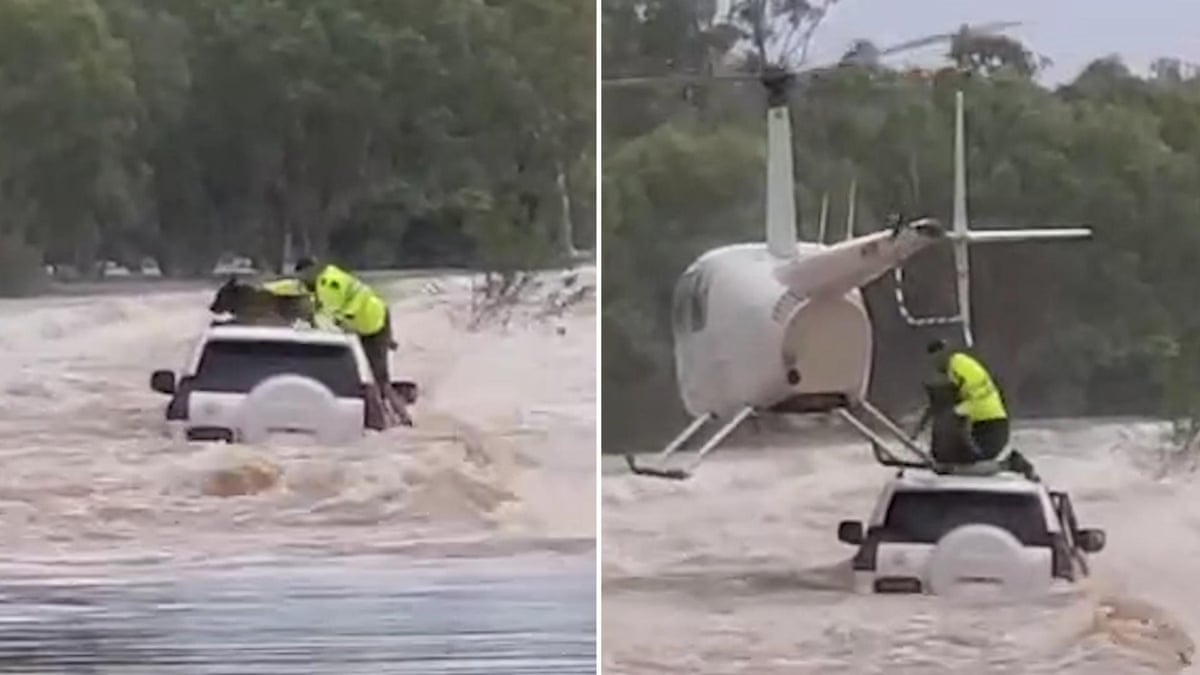
Murray witnessed the transformation firsthand while assisting with resupply efforts by helicopter.
“What was once brown is now green, and what’s green is like glass,”
he said.
“Obviously our tourism season is going to start late because nobody can get here at the moment, but the desert has been completely transformed.”


