Historic War Crimes Charges Against Australia's Most Decorated Soldier
One of the most significant moments in Australian military history occurred quietly on a Sydney airport tarmac when Ben Roberts-Smith was calmly escorted off a plane and into a waiting police vehicle.
Roberts-Smith, the country’s most-decorated living soldier and a prominent figure of his generation, was charged on Tuesday with five counts of the war crime of murder.
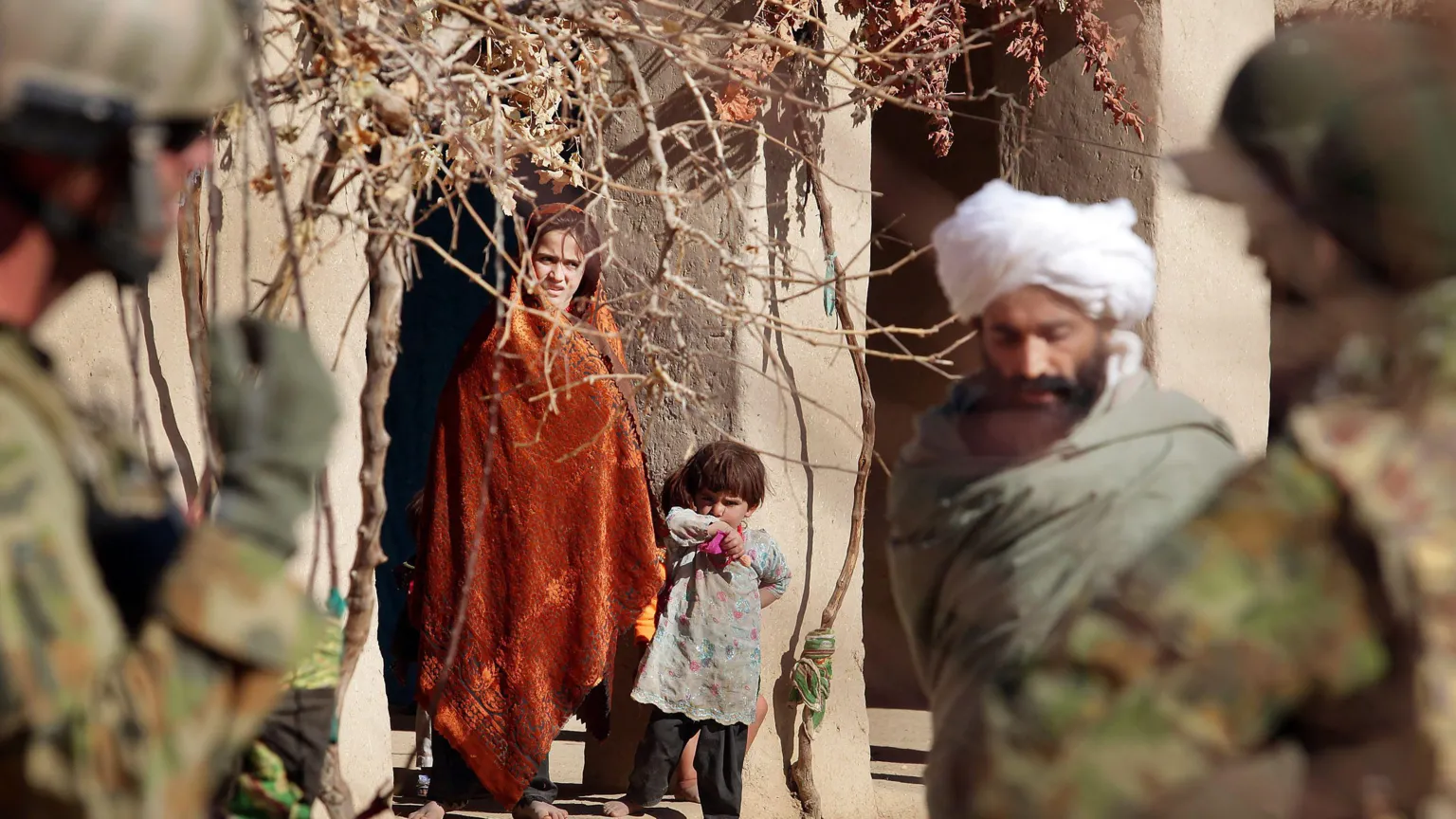
This development follows a high-profile civil defamation case three years ago, which found that the former Special Air Service (SAS) corporal and Victoria Cross recipient had unlawfully killed several unarmed Afghan detainees.
Roberts-Smith, who left the Australian Defence Force (ADF) in 2013, denies all allegations, describing them as "egregious" and motivated by spite and jealousy from peers.
His case, now subject to criminal prosecution, symbolizes Australia's confrontation with allegations of misconduct in Afghanistan, challenging the nation’s celebrated military legacy.
"For Roberts-Smith to now be charged with war crimes - and not just one, but multiple war crimes - is a very significant cultural and social moment for a country that, for much of its history… has placed a lot of store in the exploits and contributions of the members of its defence forces," Professor Donald Rothwell told the BBC.
"We've never seen this before," said Deane-Peter Baker, a scholar of special forces ethics.
'Unprecedented' Prosecution
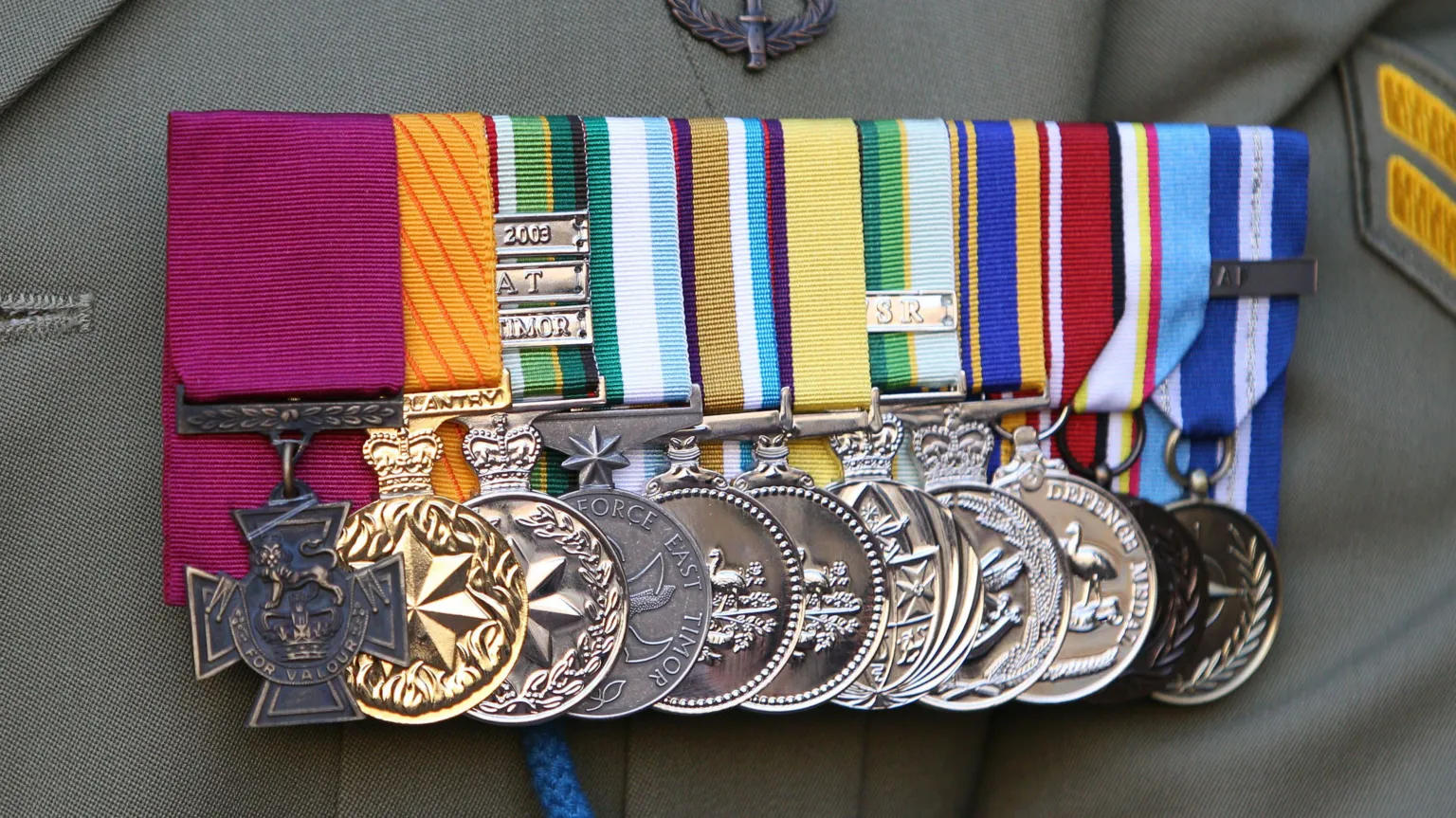
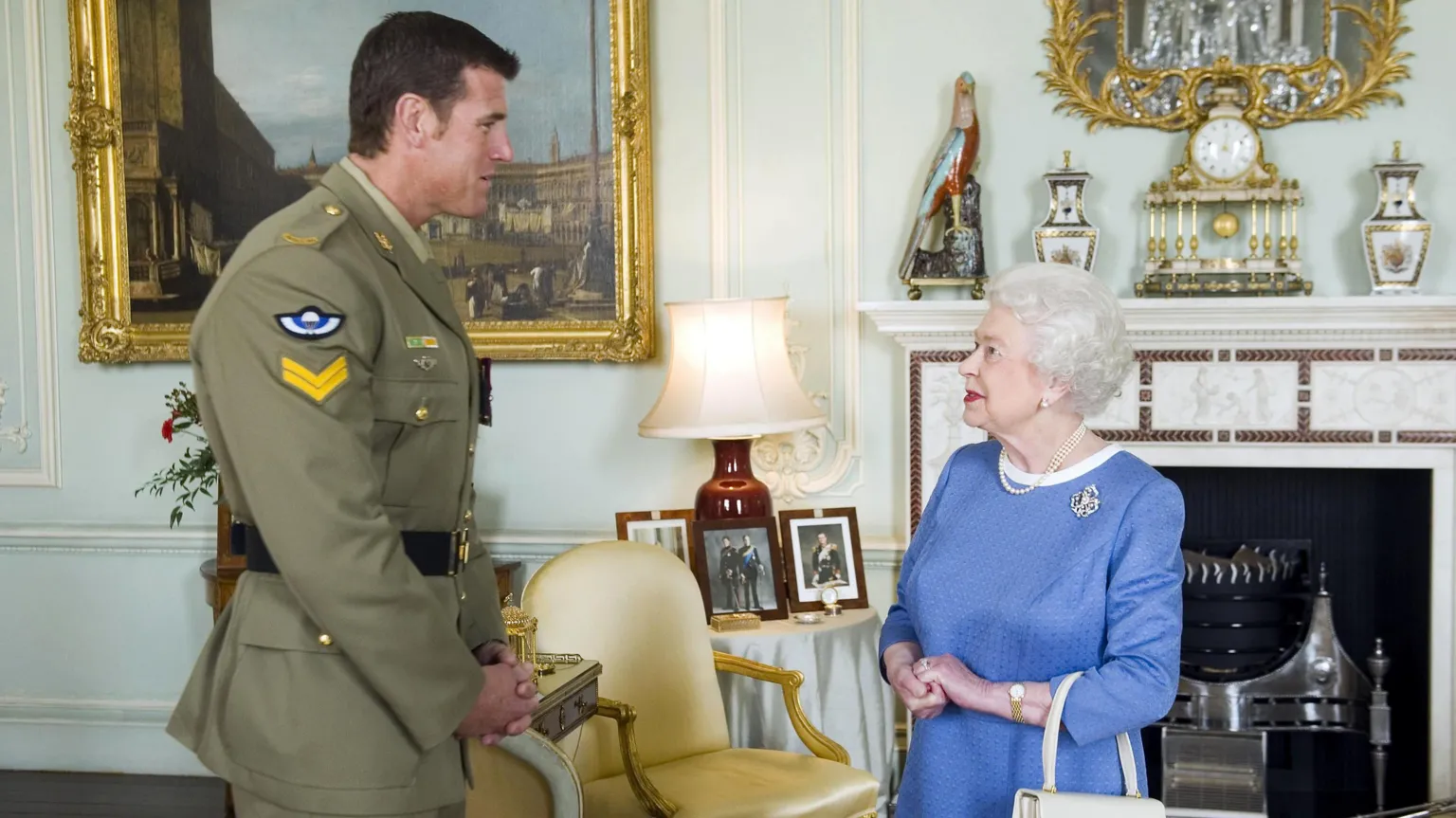
Upon returning from Afghanistan in 2013, Roberts-Smith was hailed as a national hero after receiving Australia's highest military honor for single-handedly overpowering Taliban fighters attacking his SAS platoon.
He subsequently engaged in speaking events, held board positions, appeared on magazine covers, and received numerous accolades, including Father of the Year.
However, in 2018, Nine newspapers published a series of articles alleging misconduct during his SAS service, including unlawful beatings and killings of prisoners, bullying of colleagues, and domestic violence against a mistress.
Roberts-Smith denied these claims and initiated a high-profile legal battle to clear his name. The case lasted seven years, cost millions, and was referred to by some as Australia's "trial of the century."
He lost the case. While allegations of domestic violence and some bullying claims were dismissed, a Federal Court judge in 2023 ruled that reports of four murders were substantially true, a decision upheld on appeal.
Roberts-Smith, now 47, faces the possibility of life imprisonment if convicted on the five charges, which would also mark a significant moment in history.
Though Victoria Cross recipients from other Commonwealth countries have faced criminal charges, Roberts-Smith is believed to be the first charged with a war crime.
"If you expand the lens and consider recipients of equivalent awards in other countries, you would be very hard pressed to find one who has been charged with a war crime," said Baker, who reformed the ADF's ethics training following scrutiny over its Afghanistan record.
Why Did the Investigation Take So Long?
Roberts-Smith's arrest culminated from a five-year investigation by a special watchdog established after a landmark inquiry into Australian war crimes allegations in Afghanistan.
The 2020 Brereton Report found "credible evidence" that elite soldiers unlawfully killed 39 people and recommended investigations into 19 current or former ADF members.
The Office of the Special Investigator (OSI) was created to conduct these investigations, but progress has been slow.
The OSI has initiated 53 investigations, concluding 39, and has charged only one other individual so far: former SAS soldier Oliver Schulz.
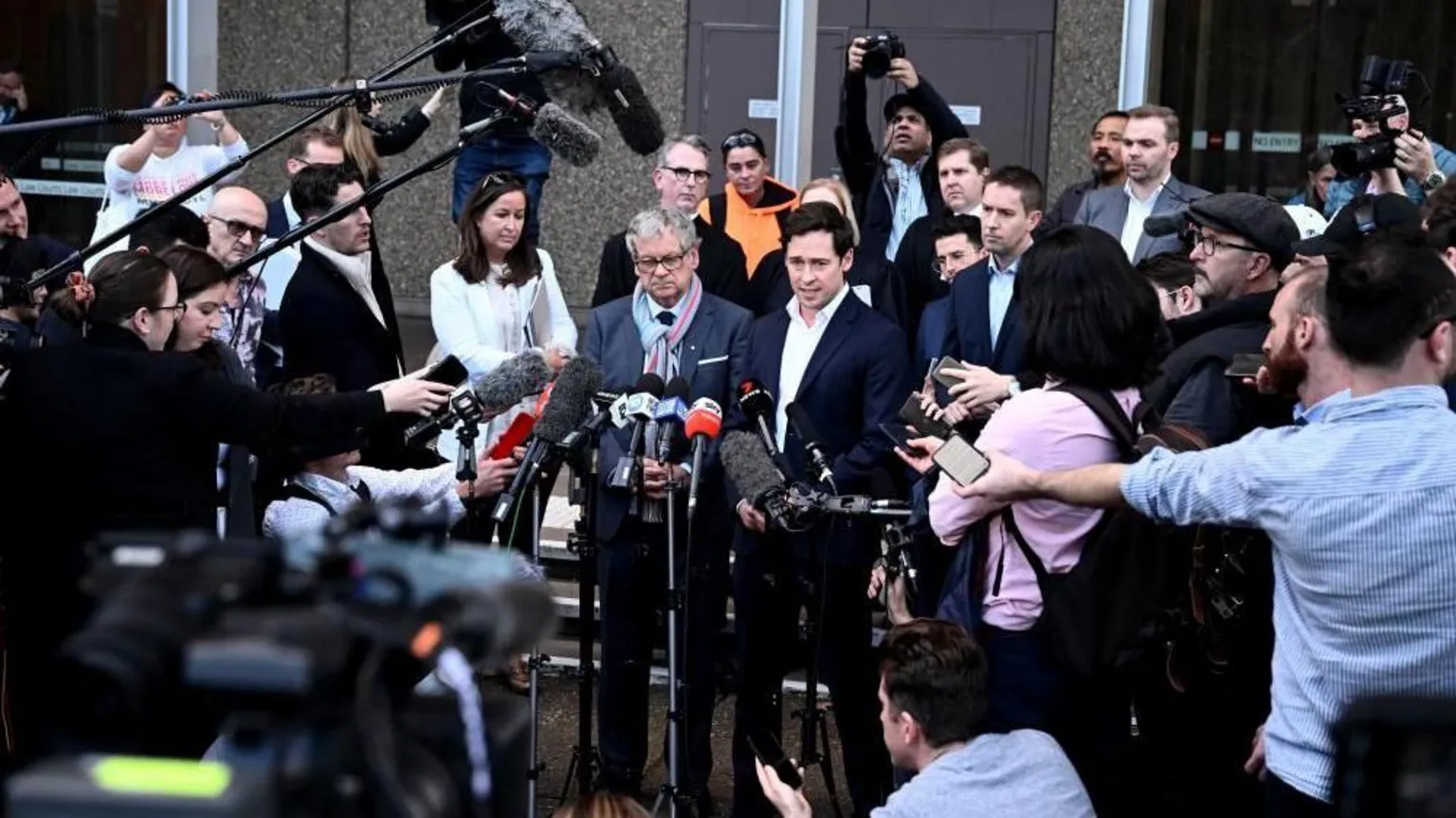
Ross Barnett, OSI's director of investigations, stated on Tuesday that they face "challenging circumstances," including limited preserved physical evidence and lack of cross-border policing cooperation.
"The OSI has been tasked with investigating literally dozens of murders alleged to have been committed in the middle of a war zone in a country 9,000km from Australia," he said.
"We can't go to that country, we don't have access to the crime scenes... we don't have photographs, site plans, measurements, the recovery of projectiles, blood spatter analysis... we don't have access to the deceased. There's no post-mortem."
Another complexity is the reliance on witness testimony from "brothers in arms."
Although some of Roberts-Smith's peers brought forward the allegations, military culture generally discourages members from testifying against one another, according to Peter Stanley, former principal historian at the Australian War Memorial (AWM).
"Military culture is a really important factor in this," Stanley told the BBC.
"[But] potential witnesses who may otherwise have been silent have come around to the idea that their principal obligation is to the truth, and not to any friendships they may have."
It is likely no coincidence that the two cases progressing to court were subjects of investigative journalism, which may have uncovered leads aiding prosecution.

Barnett described Roberts-Smith's arrest as a "significant step," affirming the OSI's commitment to completing remaining investigations "expeditiously."
The Making of Australian Legal History
The judicial process is expected to be lengthy.
"We have no contemporary experience of war crimes trials being conducted in Australia," said Rothwell, a leading expert in international law.
"This is novel in terms of modern Australian legal history."
Roberts-Smith's case presents multiple challenges beyond the nature of the alleged offenses.
There are five distinct charges, each involving extensive evidence related to events that occurred years ago.
Coordinating witnesses is logistically difficult, especially as some require identity protection for safety or national security, and others reside in Afghanistan where communication is nearly impossible under current conditions.
The case also involves managing large amounts of potentially prejudicial information already public, including accurate reporting from the 110 days of evidence in the civil defamation trial.
While rare, a judge-only trial may be possible; however, if a jury is selected, finding jurors unaware of Roberts-Smith will be challenging.
"Inevitably it will somewhat muddy the waters," Rothwell said.
Considering these factors and general delays in Australia's legal system, Rothwell estimates the trial is "most definitely" years away.
For comparison, Schulz was charged in March 2023 with a single murder count but will not face trial until next year.
Nation's Military Legacy Under Fire
Australia has long prided itself on troops who are effective, resilient, brave, loyal, and ethical.
The Anzac spirit, traced to the World War One Gallipoli campaign, is deeply embedded in national identity.
However, this prolonged saga is challenging national perceptions of its military forces.
Surveys indicate it has damaged public confidence in the defence force and caused distress among ADF members.
The investigation's pace has also caused anxiety; organizations like the Returned Services League argue it has been unfair to all parties, including families of alleged Afghan victims.
"It must be galling for [those] who are facing these allegations, and indeed present members of the Defence Force who may feel that their service is being impugned," Stanley said.
"But it would be far more painful if investigators got this wrong," he added.
"It would be tragic if they were to launch charges prematurely or to not make the clearest and most effective case."
Some Australians question the value of these inquiries and prosecutions.
Among critics are Australia's richest woman Gina Rinehart and former Prime Minister Tony Abbott, who expressed sympathy for special forces soldiers from the Afghanistan campaign.
"I am very sorry that some of them have been subjected to a form of persecution by the country they served," Abbott said this week.
Former Prime Minister John Howard also emphasized the presumption of innocence for Roberts-Smith.
"The arrest of Ben Roberts-Smith will tug at the heartstrings of millions... This is a difficult issue for many, as it tests to the limits not only our respect for Australian values, but the deep and special reverence we have for those who put their lives on the line to keep us safe."
Conversely, some view Australia's leadership on these issues positively. Other nations, including the UK, have launched similar inquiries into military misconduct.
"In a weird way, this is a moment that Australians should be proud of," Baker said.
"For a nation to hold a member of their armed forces to account - someone who has been held up as one of our greatest living heroes – shows a commitment to ethics, decency and the rule of law that is unfortunately very rare among nations."
"That ought to be recognised and applauded, however embarrassing or sad this is for many people," Stanley added.