

US Secretary of State Marco Rubio Arrives in India
US Secretary of State Marco Rubio arrived in India on Saturday for a four-day visit amid ongoing geopolitical tensions and a global energy crisis triggered by the conflict involving Iran.
He landed in the eastern city of Kolkata (formerly Calcutta) in the morning local time. His itinerary includes visits to Delhi, Jaipur, and Agra.
During his trip, Rubio is scheduled to meet Indian Prime Minister Narendra Modi, with energy issues expected to be a primary focus.
Energy Crisis and Strait of Hormuz Tensions
Energy shipments through the Strait of Hormuz, a narrow shipping lane that has become a flashpoint since Israel and the US attacked Iran in February, have nearly ceased.
Iran has used the closure of the strait as leverage in the fragile peace negotiations with the US.
India, which imports over 80% of its energy requirements, is among the countries most affected by this disruption. Its population of more than 1.4 billion depends heavily on overseas fuel supplies, including cooking gas and petroleum products, to sustain daily life.
Rubio has acknowledged the challenges facing Asia's third-largest economy.
"We want to sell them [India] as much energy as they'll buy. And obviously, you've seen, I think, we're at historic levels of US production and US export," he said.
US-India Energy Trade and Economic Implications
Delhi is likely to have an appetite for increasing energy imports from the US, which could also help bridge the trade deficit that has favored India—a situation that has been a point of contention for President Donald Trump.
The US goods trade deficit with India was $58.2bn in 2025, marking a 27.1% increase over 2024.
However, this is not a straightforward solution. Shipping energy from the US to India involves a longer and more expensive route.
Analysts argue it is not logical for India to fill its current import shortfall solely from the US.
"Energy security is going to be the key theme of this visit because the Iran situation is not going to be resolved anytime soon. The US has already given a waiver to India on buying Russian oil, but Delhi is likely to push for more concessions," said Vineet Prakash, associate professor of US studies at Delhi's Jawaharlal Nehru University.
Geopolitical Tensions and Trade Negotiations
Rubio's visit occurs amid prolonged tensions between Delhi and Washington over trade negotiations and conflicting claims about the resolution of the brief India-Pakistan conflict last year.
While Trump has repeatedly claimed he brokered peace between the neighbors, Delhi has consistently denied this, maintaining a policy of not welcoming third-party mediation between the nuclear-armed nations in South Asia.
Delhi has also expressed displeasure over Trump's open support for Pakistani army chief Asim Munir, whom the US president has called his "favourite field marshal."
Pakistan's mediation efforts between Iran and the US appear to have strengthened ties between Islamabad and Washington.
Prakash added this wasn't surprising as Pakistan shares a long border with Iran and it's strategically important for the US to keep the country close.
Rubio is unlikely to make statements regarding Pakistan during this trip.
"Any talks around Pakistan are likely to stay behind closed doors when Rubio meets leaders in Delhi," Prakash added.
Recent Developments in US-India Trade Relations
In recent months, Washington and Delhi have extended olive branches to each other.
Trump's decision earlier this year to lower reciprocal tariffs on India from 50% to 18% after a 10-month impasse was met with relief in Delhi.
Following a Supreme Court verdict against sweeping duties, levies were further reduced to 10%, easing pressure on Indian exporters.
The tariff reduction followed India's commitment to purchase more American goods, including energy, aircraft, technology, and agricultural products worth $500bn in an interim trade agreement signed in February.
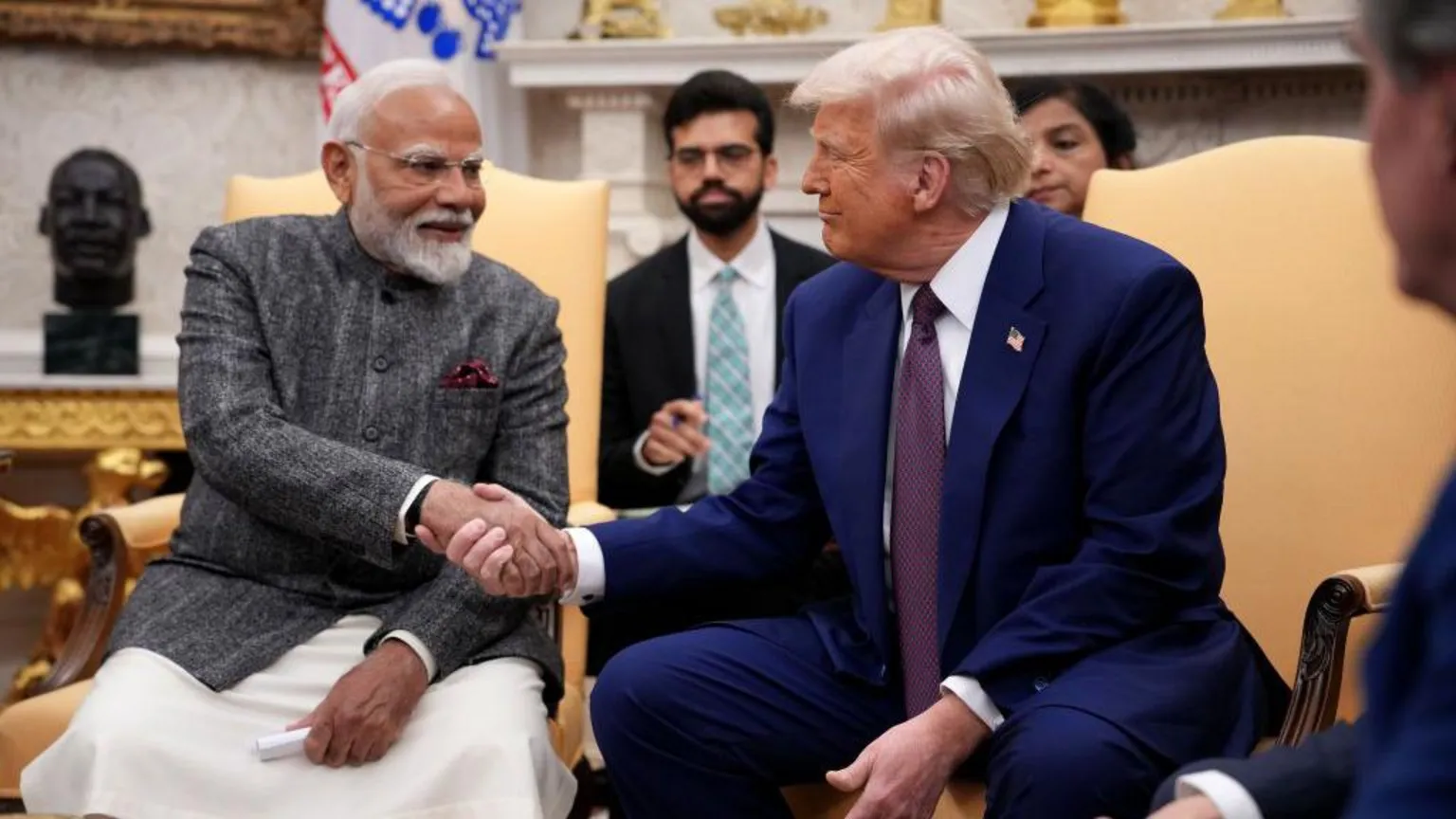
The two sides are currently negotiating the final text of a broader bilateral deal, though details remain limited.
Trade experts remain cautious about the large figures cited, as India's current trade with the US is only a fraction of the $500bn figure, and Trump's announcements have yet to be matched by tangible investment commitments from India.
For example, Mukesh Ambani, one of India's wealthiest individuals, has not publicly commented on Trump's statement that his company, Reliance Industries, will support a $300bn oil refinery project in Brownsville, Texas—the first such refinery in the US in 50 years.
India's Export Performance Amid Tariff Changes
Despite uncertainty surrounding the final trade agreement, India's exports to the US remained stable at $87.3bn in the year ending March 2026.
"Exports rose 0.9% year-on-year despite steep reciprocal tariffs between May 2025 and February 2026," said Ajay Srivastava of the Global Trade and Research Initiative think-tank.
Exports have continued to increase following tariff reductions, with $8.5bn worth of Indian goods shipped to the US in April.
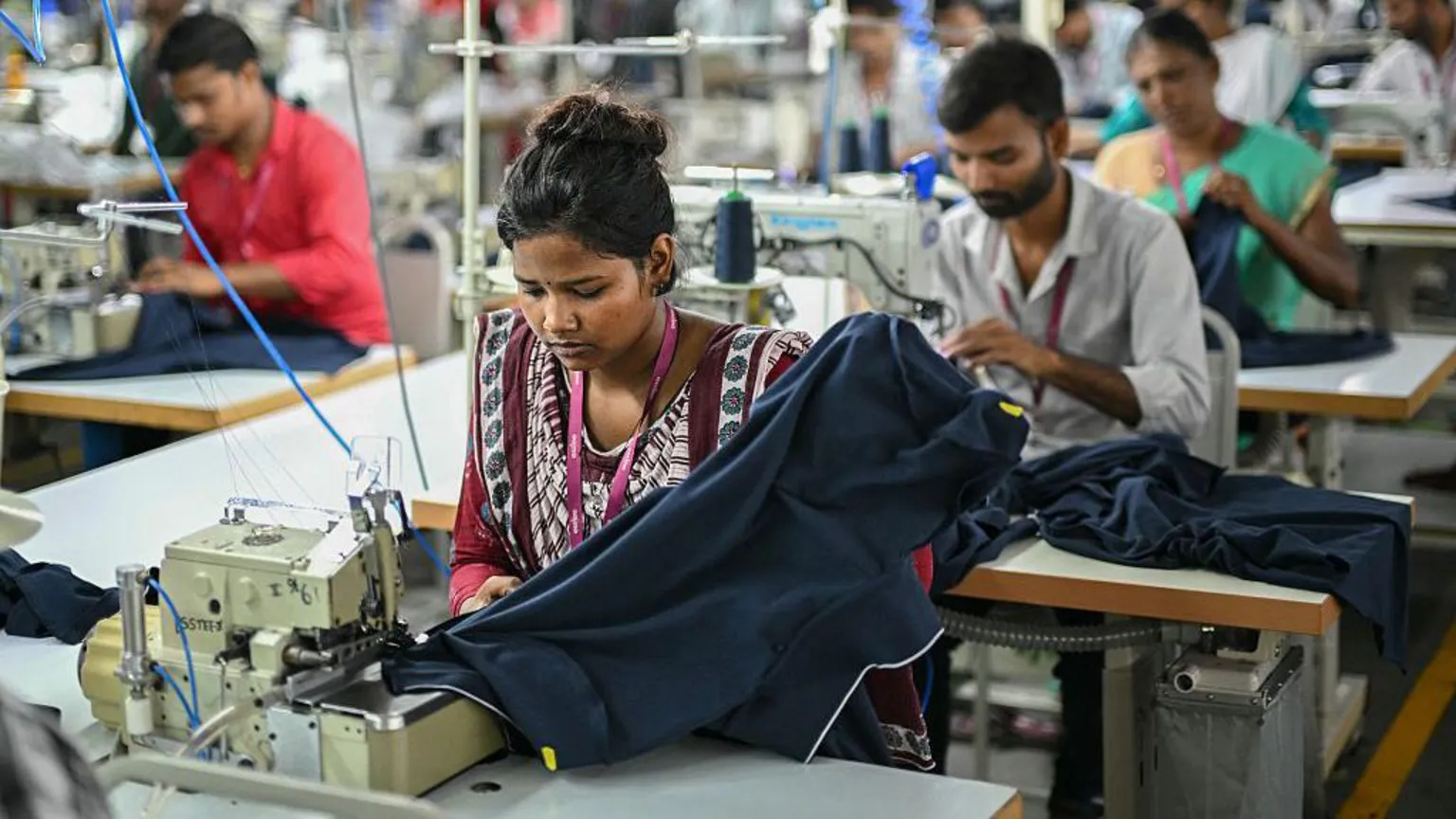
This reflects the "continued positive impact of the lowered tariffs," according to Crisil Research, which also noted that "given uncertainties around tariff levels, the trajectory of India's exports to the US remains monitorable."
India's Trade Policy Liberalization
Amid these uncertainties, India has been compelled to liberalize its traditionally protectionist trade policies.
Delhi has rapidly finalized advanced free trade agreements (FTAs) with several countries and blocs, including the UK, European Union, Australia, and Oman.
While Trump has stated that India will reduce all tariff and non-tariff barriers on US goods to zero, these agreements "provide a framework under which both parties could safeguard some sectors," according to Pranjul Bhandari of HSBC.
This suggests that despite a broad opening of the economy to US companies, sectors such as agriculture and dairy may remain heavily protected even after the final trade deal is concluded.
India's Role in the Iran Conflict and the Strait of Hormuz
Beyond trade, attention will focus on any public statements Rubio makes regarding India's role in the Iran conflict.
Rubio understands that India will likely remain reluctant to take any role beyond diplomatic efforts to keep the Strait of Hormuz open.
Delhi opposes Trump's repeated calls for other countries to deploy military assets to ensure free shipping through the troubled waterway.
The Quad and Regional Security
Another key aspect of Rubio's visit is the Quad, a strategic group comprising Australia, Japan, India, and the US.
Trump was supportive of the Quad during his first term, viewing it as a potential counterbalance to China's dominance in the Indo-Pacific region.
In Delhi, Rubio will attend a meeting of Quad foreign ministers on 26 May, ahead of an expected leaders' summit later this year in the Indian capital.
There is currently no confirmation on whether Trump will attend the summit or if it will proceed as planned.
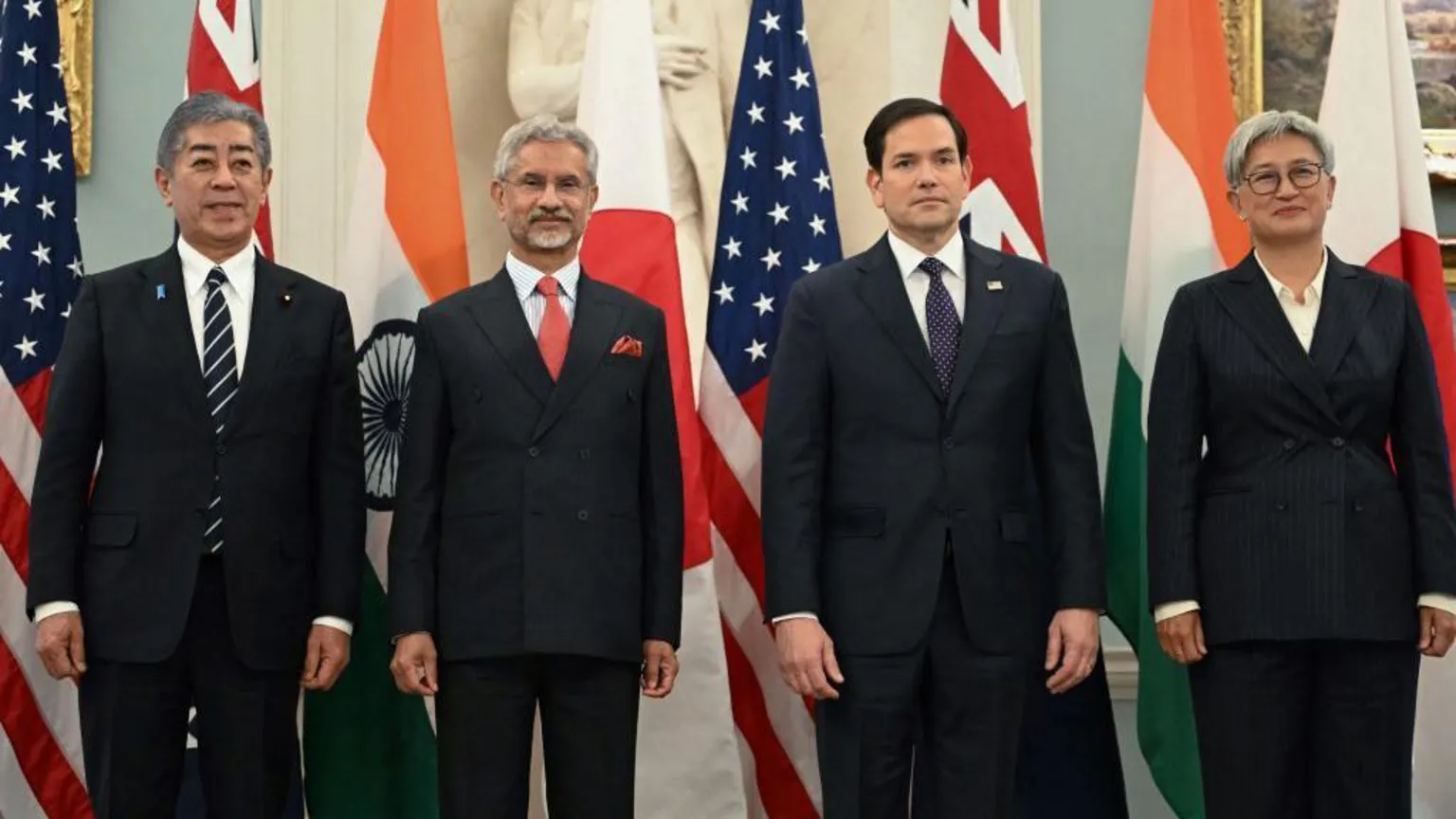
Prakash suggests this indicates that Trump recognizes "China is not a pushover," and seeks a different form of engagement with the Quad. The summit was originally scheduled for last year, but a lukewarm response from Trump led some to suggest the Quad was on "life support."
Whether the upcoming meeting of Quad foreign ministers can revitalize the forum will be closely observed.
For Delhi, the leadership summit represents an opportunity to enhance its standing as a growing geopolitical power, and it will likely advocate for the summit to proceed.
Regarding the nature and tone of engagement, Delhi will probably assess Rubio's statements on the Quad before making definitive public remarks.
The China factor remains critical for both Delhi and Washington, especially as India prepares to host a BRICS summit in September. The BRICS grouping includes Brazil, Russia, India, China, South Africa, Iran, and Saudi Arabia, among others.
Follow India on Instagram, YouTube, X and Facebook.


