

Death Sentence Issued in Murder of Teen Social Media Influencer
A court in Pakistan has sentenced a man to death for the murder of a teenage social media influencer, a case that provoked widespread outrage across the country.
Umar Hayat, aged 23, forcibly entered the home of 17-year-old TikTok personality Sana Yousaf in June of the previous year after she declined his repeated advances, and subsequently shot her.
In July, Hayat confessed to the crime, explaining that he had developed an unreciprocated obsession with Yousaf following some online interactions.
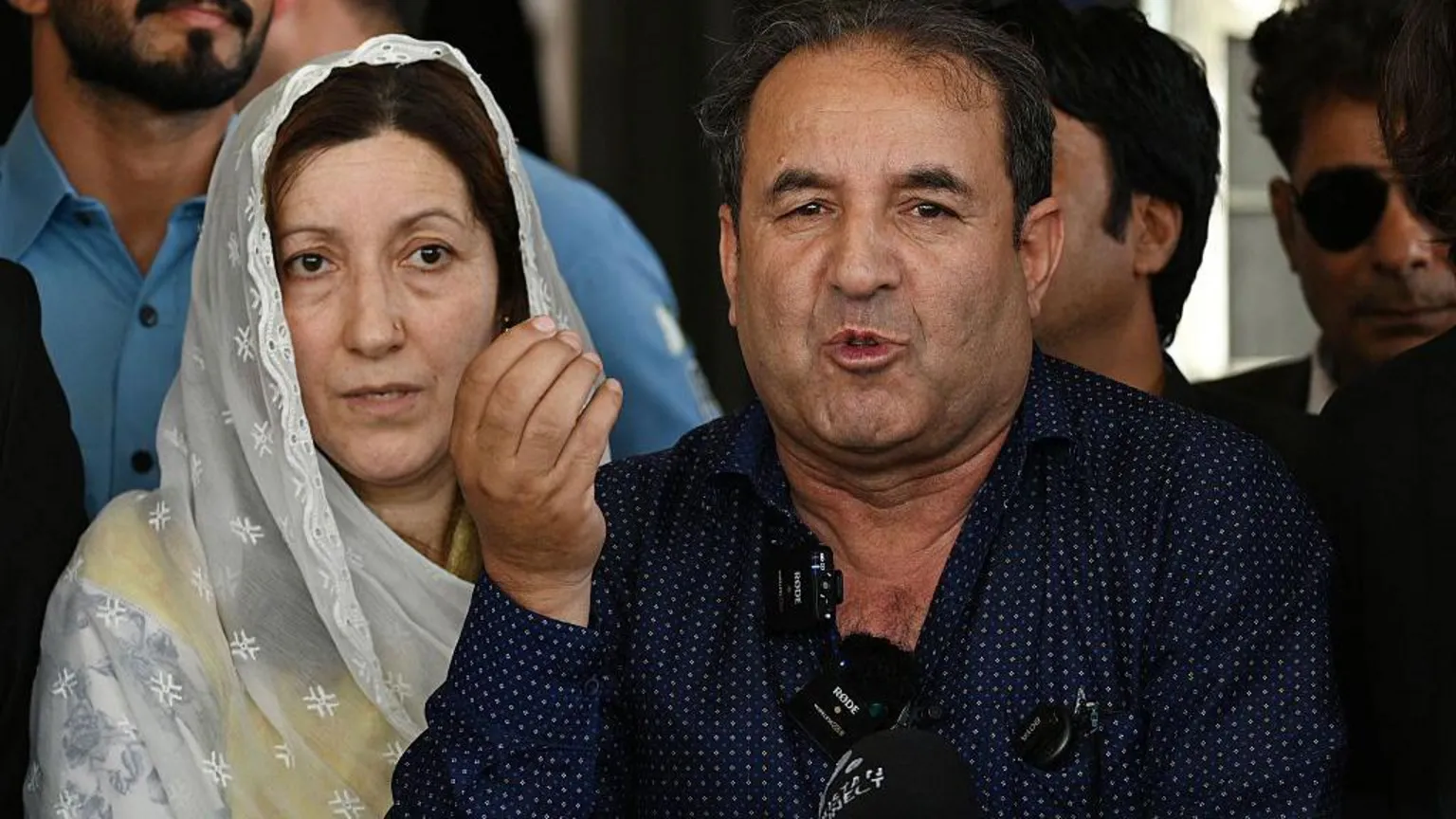
Yousaf's father, Syed Yousaf Hassan, described the Islamabad court's verdict as
"a lesson for all such criminals in society", according to local media reports.
The court also mandated that Hayat compensate Yousaf's family with 2.5 million Pakistani rupees (approximately $9,000 or £6,700).
Details of the Incident and Investigation
During the investigation, Hayat disclosed that he had traveled to Islamabad several days prior to the murder to wish Yousaf a happy birthday. Although she refused to meet him, he managed to gain access to her residence. The two engaged in an argument that escalated into the fatal shooting, as reported by Pakistani media outlets.
Before her death, Yousaf had amassed over one million followers on TikTok and an additional half a million on Instagram. She was widely admired by her audience for her light-hearted videos, which included trying out fashion trends, lip-syncing to music, and socializing with friends.
Broader Context and Social Reactions
Activists have stated that Yousaf's murder reflects a broader pattern of violence against women in Pakistan.
Law enforcement conducted raids in various locations across Islamabad, where Yousaf resided with her family, as well as in the Punjab province. Investigators reviewed footage from 113 CCTV cameras as part of their inquiry.
While many expressed outrage over Yousaf's death, some backlash targeted her role as a social media influencer.
Usama Khilji, director of the digital rights advocacy organization Bolo Bhi, told the BBC in an earlier interview that the criticism originated from a small segment of mostly male internet users, some citing religious reasons.
"They're asking why she was putting up all this content, and even suggesting the family should take down her Instagram and TikTok accounts because they add to her 'sins',"Khilji said.
Human rights activist Farzana Bari characterized the response as
"misogynistic" and "patriarchal".
She emphasized that Yousaf had
"her own voice"and noted that the online discourse highlights how social media has become a
"very threatening place for female content creators"in Pakistan.
Additional reporting by BBC Urdu


