

Rapper-Turned-Politician Balendra Shah Becomes Nepal's Prime Minister
Balendra Shah, a former rapper turned politician, has been sworn in as Nepal's prime minister following a decisive victory in the country’s first election since the youth-led protests of last year.
The 35-year-old’s ascent signifies a notable transformation in Nepali politics. His commitment to change struck a chord with voters frustrated by corruption, nepotism, and entrenched elite governance.
Prior to assuming office on Friday, Shah, widely known as Balen, released an optimistic song about Nepal’s future.
"Undivided Nepali, this time history is being made,"
he rapped in a track that quickly amassed over two million views within hours of its release.
This song reflects his origins in the underground rap scene, where he used music to highlight corruption and social issues in Nepal.
After serving three years as mayor of Kathmandu, Shah partnered with the Rastriya Swatantra Party (RSP) as its prime ministerial candidate, securing a commanding victory in the general elections held this month.
His supporters view him as a symbol of change and a departure from the failures of Nepal’s traditional political elite. However, some remain skeptical about whether the four-year-old RSP can fulfill its ambitious promises.
The Rebellious Rapper
Born in 1990 in Naradevi, Kathmandu, Shah is the youngest son of his family. His father practices Ayurveda, and his mother was a homemaker. Shah is married and resides with his wife and daughter.
He completed engineering degrees in Kathmandu and later in Karnataka, a state in southern India.
Shah gained prominence in 2013 after winning a popular rap battle in Nepal, delivering sharp verses that expressed the frustrations of a generation feeling marginalized and neglected.
He released several well-known songs criticizing corruption and social inequality in Nepal. His distinctive image in music videos featured square black sunglasses, a black blazer, and black trousers.
One of his most recognized tracks, Balidan, has garnered 14 million views on YouTube.
"While we sell our identity abroad government employees get 30k salary and have properties in 30 different places. Who will pay the debt of people working seven seas away?"
The song’s title means "sacrifice," and its lyrics highlight social and economic disparities.
In 2022, Shah, as an independent candidate, won Kathmandu’s mayoral election by a large margin, defeating parties that had dominated the political landscape for decades.
During his mayoral term, he focused on cleaning the city, preserving indigenous heritage, and combating corruption. He also initiated a controversial campaign to demolish illegal buildings, which improved traffic flow but faced criticism from street vendors and residents of informal settlements.
The Rise to Power
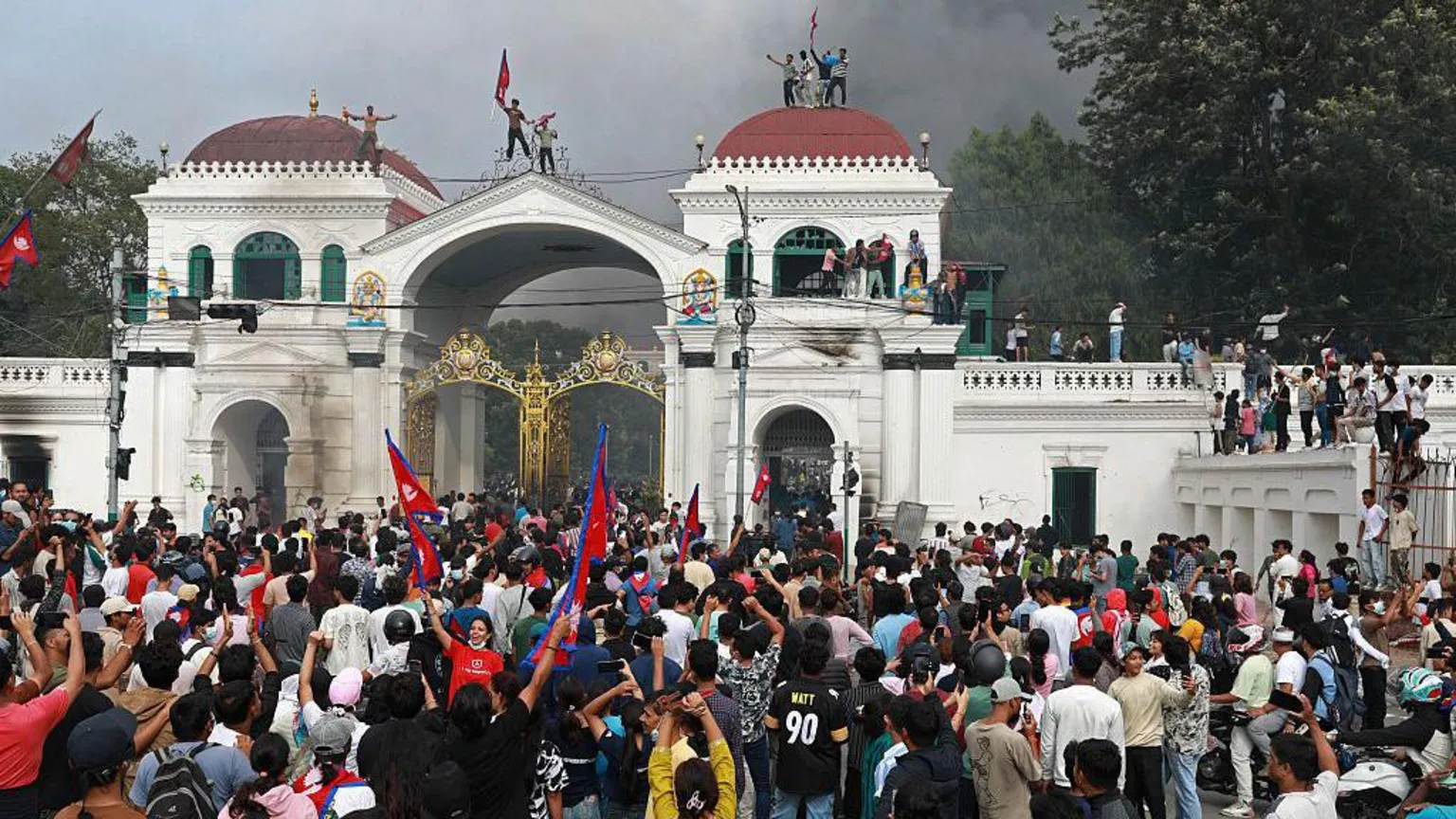
Shah’s message continued to resonate with Nepal’s youth during the protests in September last year, which resulted in 77 deaths, many of whom were protesters shot by police. The unrest was sparked by a social media ban but fueled by widespread anger over corruption, unemployment, and economic stagnation.

Protesters adopted his song Nepal Haseko (meaning "Smiling Nepal") as an anthem.
"I want to see Nepal smiling, I want to see the hearts of Nepalis dancing. I want to see Nepal smiling, I want to see Nepalis living happily,"
the lyrics echoed through streets and homes for weeks.
Shah maintained his unconventional approach during his campaign for prime minister this year, largely avoiding media interviews and public appearances.
Critics argue this allowed him to evade scrutiny of his record.
Instead, he communicated with voters through social media, pledging a comprehensive anti-corruption agenda, judiciary reforms, and the creation of 1.2 million new jobs, among other commitments.
This strategy proved successful—the RSP won the 5 March general elections decisively, disrupting Nepal’s political elite and established power structures. Shah notably defeated former prime minister KP Sharma Oli in the Jhapa 5 constituency, a longtime stronghold of Oli.
Controversy and Challenges
Shah’s record is not without controversy.
As mayor, he faced criticism from rights organizations for employing police force against street vendors in efforts to clear roads and clamp down on unlicensed businesses. Shah’s campaign did not respond to a BBC request for comment.
Human Rights Watch highlighted these concerns, noting such behavior is common among new leaders eager to demonstrate quick results.
"We hope as prime minister, there would be a focus on a more rules-based order,"
said Meenakshi Ganguly, deputy Asia director of Human Rights Watch.
Shah has also stirred controversy on social media. In November, he posted an expletive-filled message on Facebook naming the US, India, China, and several Nepali political parties, including the RSP, which he later joined in January. The post was deleted shortly afterward.
Beyond these issues, Shah and his party face high expectations from voters demanding change, alongside significant challenges.
These include the ongoing conflict in the Middle East, where millions of Nepalis work, persistent unemployment, a sluggish domestic economy, and the RSP’s limited experience in governance.
There is also public pressure to release the findings of an investigation into the deadly 2025 uprising that led to the previous government’s fall.
Nepal’s interim administration has committed to publishing a summary of the investigation’s findings, but implementation of the commission’s recommendations will rest with the newly elected RSP government.
Additional reporting by Azadeh Moshiri, South Asia correspondent


