

Global Impact of Strait of Hormuz Closure
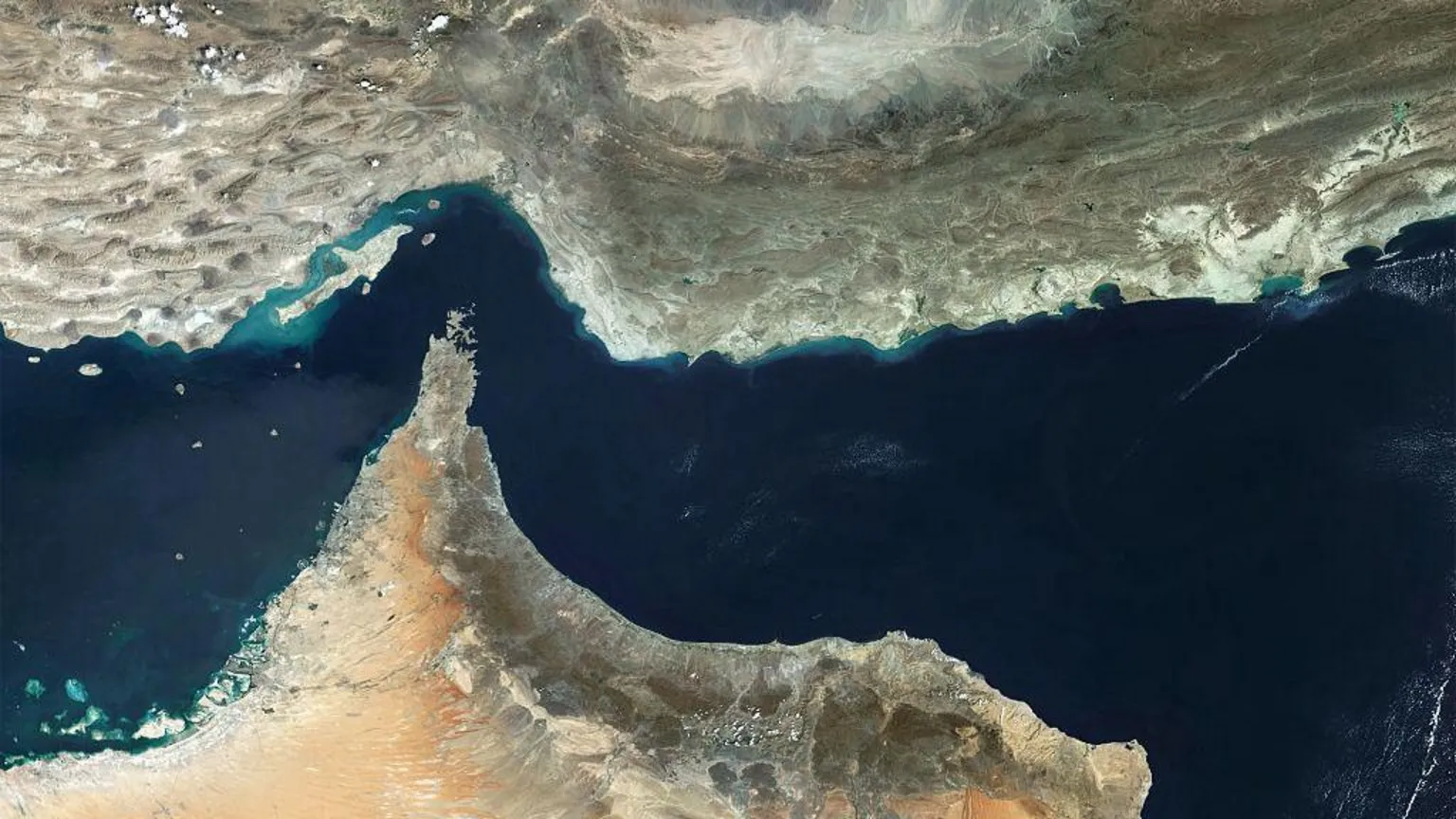
The effective closure of the Strait of Hormuz following the initiation of conflict involving the US, Israel, and Iran in late February has caused significant global repercussions.
Oil prices have surged and stock markets have experienced volatility as the world awaits Iran's decision on reopening this vital maritime passage, through which approximately 20% of global oil shipments transit.
Currently, only a limited number of vessels pass through the strait daily. Concurrently, attacks targeting energy infrastructure in the region have contributed to further price increases.
Asia, in particular, has been profoundly affected, as nearly 90% of the oil and gas transported through the strait is destined for Asian countries.
The consequences are already evident.
Governments across the continent have implemented measures such as mandating remote work, reducing workweeks, declaring national holidays, and closing universities early to conserve energy supplies.
China, despite having fuel reserves estimated to cover three months of imports, is also taking steps to limit fuel price hikes amid a 20% increase in costs faced by its citizens.
Though the conflict is geographically distant, individuals throughout Asia have shared with the BBC the tangible effects it has on their daily lives.
Philippines
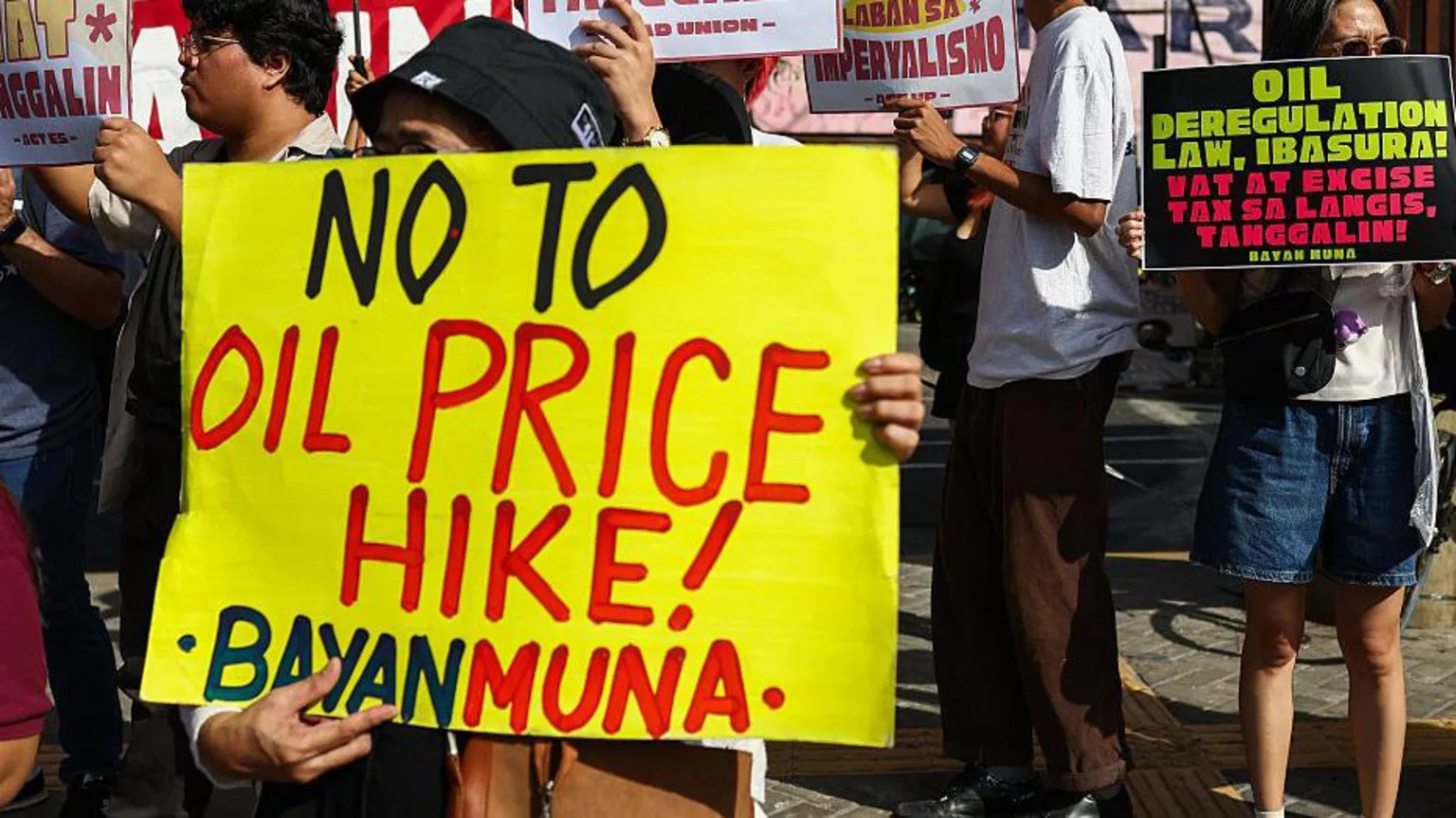
On Tuesday, the Philippines declared a national emergency in response to the conflict and the "resulting imminent danger posed upon the availability and stability of the country's energy supply."
The impact of a war occurring over 7,000 kilometers (4,300 miles) away is strongly felt, particularly among jeepney drivers.
Carlos Bragal Jr has witnessed his daily earnings plummet from 1,000 to 1,200 pesos ($16.60 to $19.92) for a 12-hour shift to merely 200 to 500 pesos.
Drivers like Carlos were already contending with challenges such as excise taxes and a suspended fare increase, but the recent spike in fuel prices has left some colleagues earning nothing.
"I have sent my daughters to school because of this job - one just graduated and the other is a graduating student," Carlos said, adding: "We had a good life. But now, we do not know what will happen to us in the next few weeks.
"If this continues, it will definitely kill us and our family."
Beyond jeepney drivers, fishermen and farmers are also struggling with elevated fuel costs. Several vegetable farmers in Bulacan have ceased planting activities.
The government has acknowledged the problem and introduced cash assistance programs.
However, Carlos and others remain dissatisfied.
"The fuel subsidy from the government isn't enough. It's for a two-day drive. So what happens after two days? Our situation now is worse than during the pandemic," Carlos said.
Thailand
Sirima Songklin, a news presenter with nearly two decades of experience, has rarely appeared without a suit. Yet earlier this month, she and her colleagues at public broadcaster Thai PBS removed their blazers on air to promote energy conservation amid the fuel crisis.
"Taking off the suit isn't the whole solution for energy conservation, but what we did is to show that we're not ignoring what's happening. We were setting an example," Sirima told BBC Thai.
"It's unbelievable that something so small could reflect the clear impact of the current conflict [in the Middle East] on us."
This directive to remove jackets is among several government measures since the strait's closure. Thai citizens have been asked to maintain air conditioning temperatures at 26-27°C, and all government agencies have been instructed to implement remote work policies.
Authorities have also reassured the public that Thailand will maintain sufficient energy supplies moving forward.

Sri Lanka
Dimuthu, a resident of Colombo, Sri Lanka's capital, reflects on the irony of the current crisis.

"During the previous time, the country did not have money to buy fuel. Now, the country has money, but there is no fuel for us to buy."
Sri Lanka recently emerged from a financial crisis in 2022 that depleted its foreign reserves, limiting imports of essential goods and fuel.
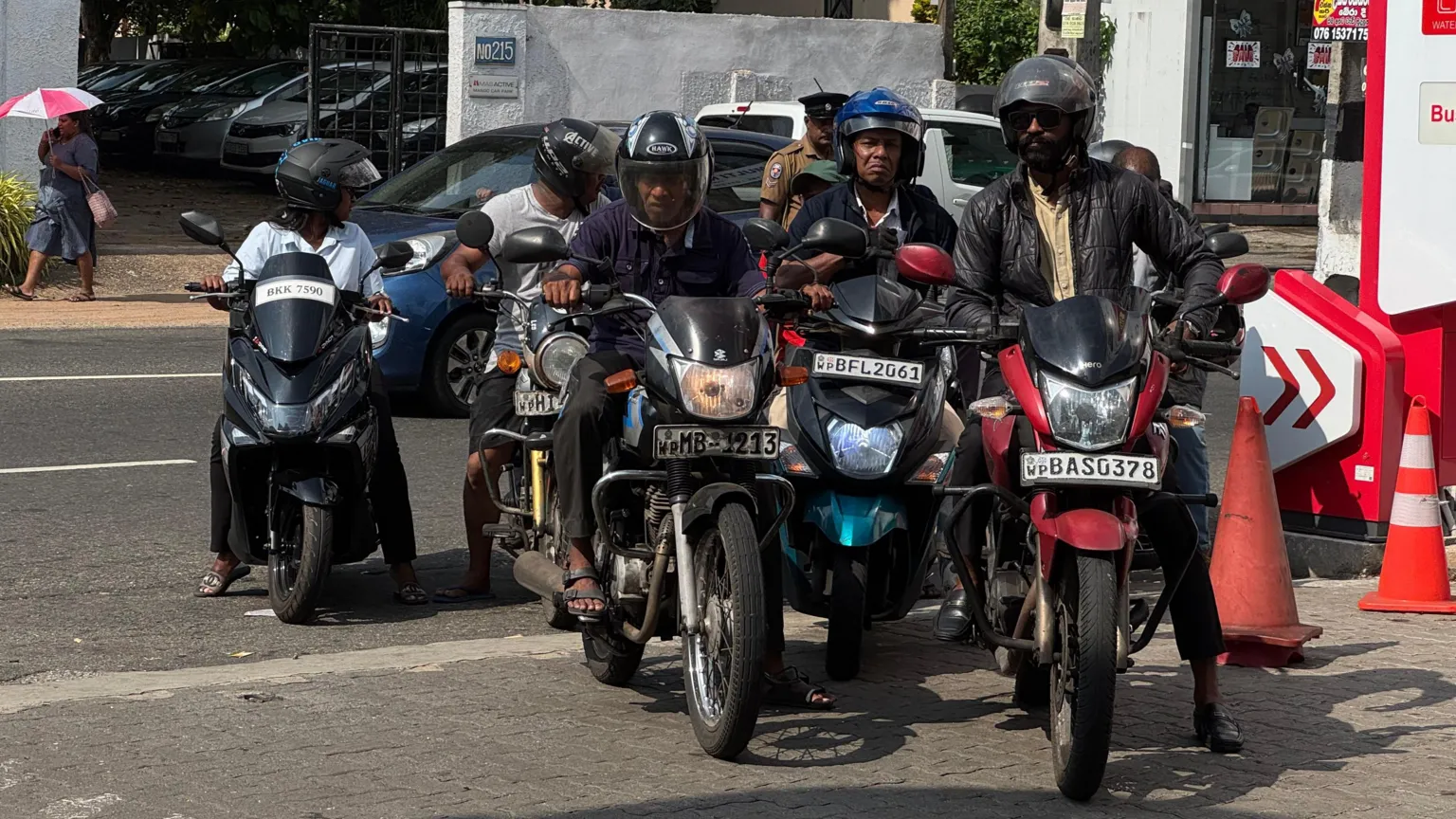
Although the country is now more financially stable, it has introduced austerity measures including declaring Wednesdays as public holidays and implementing fuel rationing.
However, long queues at petrol stations to obtain fuel allocations have created additional challenges.
Nimal, a lawnmower operator from Colombo, shared the impact on his work.
"I didn't go to work today," he said. "We are fulfilling our daily needs with great difficulty. Because of [the queues]... I don't even have time to attend to work.
"By the time I get back to work after getting fuel, someone else may be there as a replacement for the job."
Myanmar
In Myanmar, which has been embroiled in civil conflict since May 2021, the military-backed government has introduced an alternate-day driving policy for private vehicles to conserve fuel.
For Ko Htet (a pseudonym), the impact is more social than professional.
"I usually meet with my friends weekly and monthly," said the bank employee who now relies on public transport.
"Right now, we need to discuss whether we meet on even or odd days, making sure everyone is okay to come."
He also expressed concerns about the potential emergence of a black market for fuel in the coming months, which could exacerbate commodity price increases.
India
India, the world's most populous country, has been deeply affected by the Middle East conflict since 28 February.
The 10 million-strong Indian community in the Gulf is directly impacted by the war, while domestically, shortages of oil and gas are affecting households and businesses.
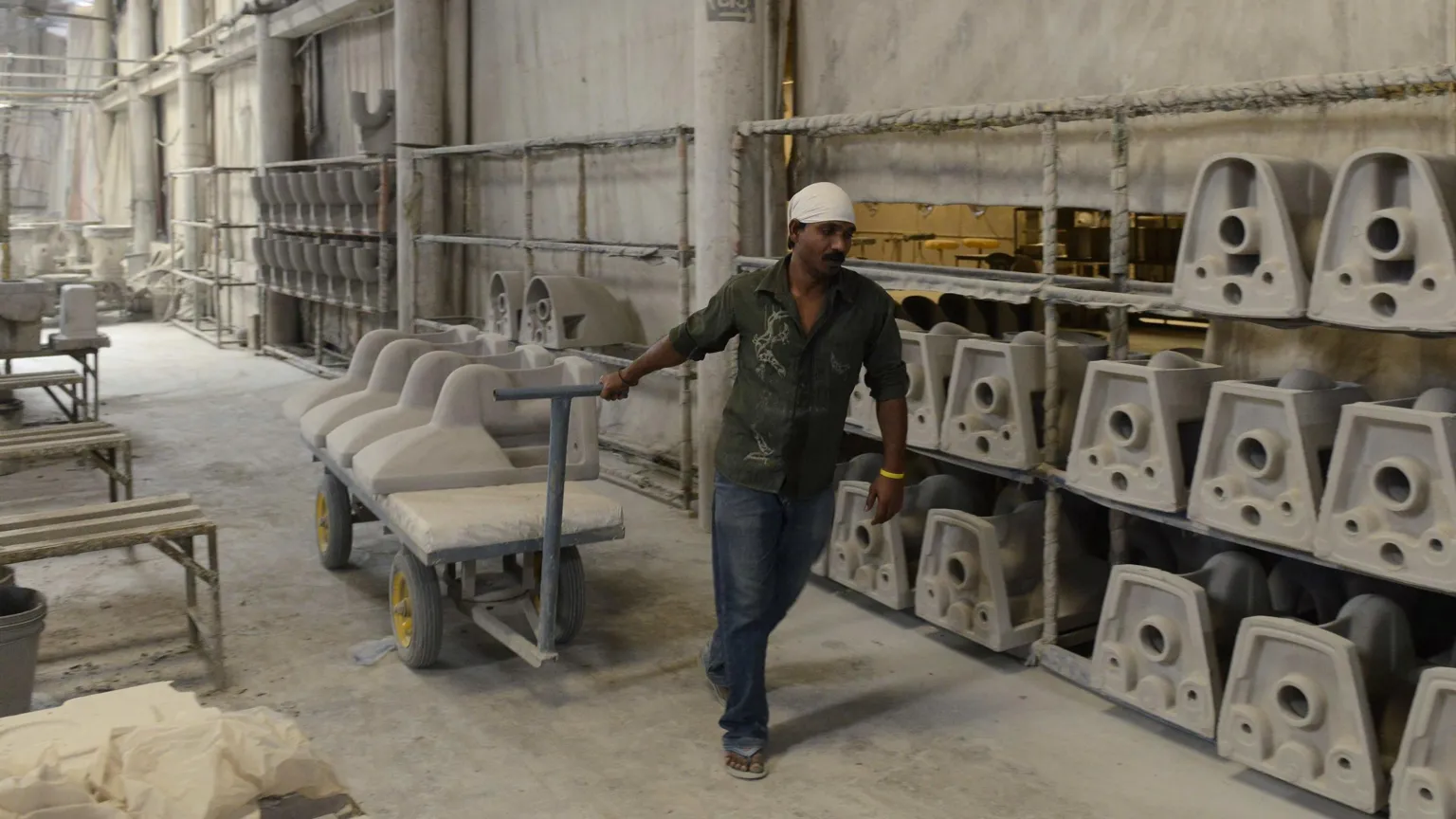
In Gujarat, a shortage of gas has forced the region's ceramics industry to shut down for nearly a month.
The shutdown has left approximately 400,000 workers in uncertainty.
"I will have to go hungry if I continue staying here without work," Sachin Parashar, a migrant worker, told a local news channel.
Others who remain employed face insecurity.
"My employer has offered food and shelter, but I do not know what will happen if the shutdown continues indefinitely," said Bhumi Kumar, a factory worker in tile manufacturing.
India relies heavily on imports for liquefied petroleum gas (LPG), with about 60% of its LPG imported and roughly 90% of those shipments passing through the Strait of Hormuz.
The crisis extends beyond factories.
In Mumbai, a metropolis of over 22 million people, up to 20% of hotels and restaurants have fully or partially closed in early March. Menus have been shortened, excluding items requiring longer cooking times. Nationwide, long queues have formed as residents seek gas cylinders, despite government assurances against shortages.
"The situation [in restaurants] is dire. Cooking gas simply isn't available," said Manpreet Singh of the National Restaurant Association of India, which represents about 500,000 restaurants.
Additional reporting by Virma Simonette in Manila, BBC Thai, BBC Sinhala, BBC Burmese, and Soutik Biswas and Abhishek Dey in Delhi.


