

Pakistan's Airstrike Campaign Targets Taliban Support for Militants
Pakistan has intensified its airstrike campaign against targets in Afghanistan, aiming to compel the Taliban authorities to cease their support for Pakistani militant groups, according to officials and experts. The strategy seeks to impose a significant cost on the Taliban administration to motivate them to prevent attacks originating from Afghan territory. However, this approach carries the risk of escalating violence between the two countries.
Afghan authorities reported on Tuesday that an overnight airstrike killed 400 people in Kabul. Islamabad dismissed this claim as propaganda, asserting that the targets were "military and terrorist infrastructure".
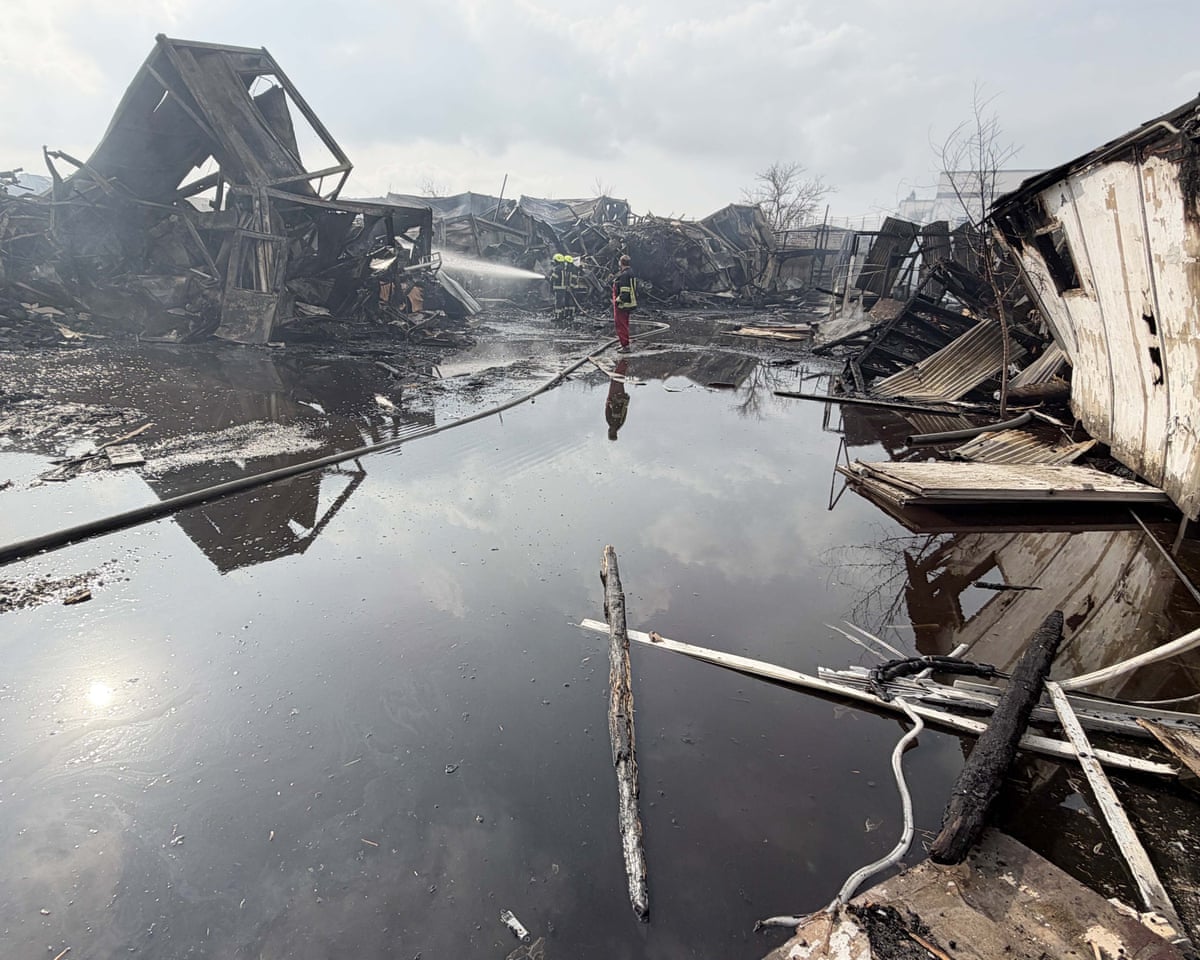
Since the Taliban's takeover in 2021, Pakistan has faced numerous attacks launched from what it considers sanctuaries within Afghanistan. Pakistan refers to its recent military operation, initiated at the end of last month, as Ghazab lil-Haq or "Righteous Fury."
A senior Pakistani security official remarked that as Pakistan experiences increasing violence, Afghanistan should also endure consequences, asking rhetorically,
"Why should they live in peace?"
Taliban Response and Threats of Retaliation
The Taliban has condemned the airstrikes as violations of Afghanistan's sovereignty and has vowed retaliation. The group has suggested the possibility of deploying suicide bombers in response. Mohammad Yaqoob, the Taliban’s defence minister and son of the movement’s founder Mullah Omar, stated earlier this month,
"They should not think that they can martyr people in Kabul, destroy the city and disturb its security, while remaining safe in Islamabad."
On Tuesday, Amir Khan Muttaqi, the Taliban’s foreign minister, compared Pakistan's airstrikes to Israel's actions in Gaza, describing them as
"repeated with full cruelty by a Muslim neighbour."
There are rumors that some of the airstrikes have targeted Taliban leaders. Pakistan may consider more radical measures if the current campaign does not achieve its objectives.

Historical Context and Current Measures
In previous decades, Pakistan supported armed opposition groups in Afghanistan, including the Taliban. However, no clear opposition group currently exists to challenge the Taliban regime. Pakistani experts have indicated that the Taliban's governance is problematic. Islamabad has called for a more "inclusive" government in Kabul.
In recent months, Pakistan has implemented additional measures, including closing the border for trade with landlocked Afghanistan and expelling hundreds of thousands of Afghan refugees.
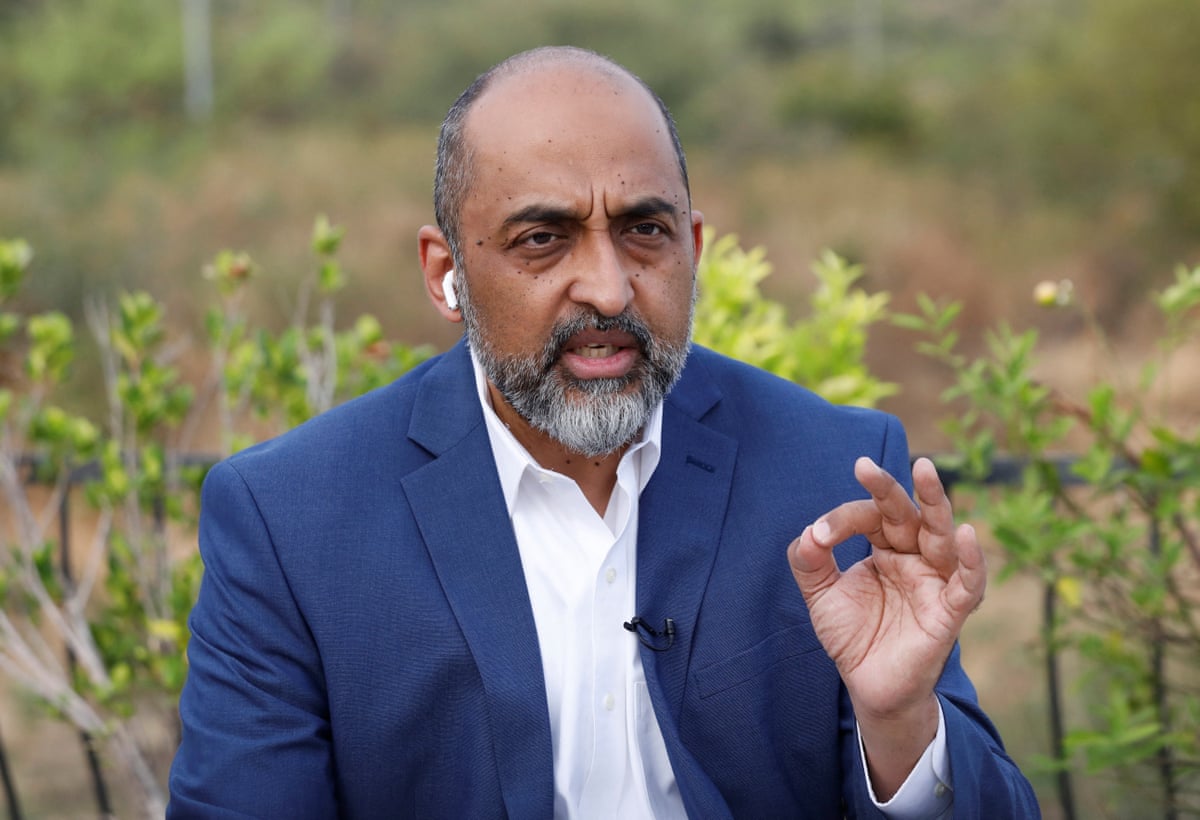
Mosharraf Zaidi, spokesperson for Pakistan’s prime minister Shehbaz Sharif, emphasized that Pakistan has no conflict with the Afghan people. He stated that the airstrikes are intelligence-based and as precise as counter-terrorism operations conducted elsewhere. Zaidi said,
"There’s one objective: protect the people of Pakistan from further terrorist attacks. Under this [Taliban] regime, there is a clear and sustained protection, nurturing and support for terrorist groups that has to end."
Diplomatic Efforts and Defensive Posture
Aizaz Ahmad Chaudhry, formerly Pakistan’s most senior career diplomat, explained that Islamabad had attempted negotiations with the Taliban both bilaterally and through mediators such as China and Middle Eastern countries, but these efforts were unsuccessful. He stated,
"The Taliban are running the state as a militia, rather than a government that cares for its people. Pakistan’s actions are defensive, not offensive."
Asif Durrani, Pakistan’s former special envoy for Afghanistan, noted that the West has largely disengaged from Afghanistan following the US withdrawal, leaving Pakistan to manage the consequences. He said,
"Pakistan has borne the pain. This is payback time."Durrani predicted that the Taliban government would eventually collapse, with tribal factions or other opponents emerging in the future.
Regional Security Dynamics and Military Leadership
US-led international forces, present in Afghanistan for two decades after the 2001 invasion, had accused Pakistan of harboring the Taliban. Islamabad contends that Pakistani militants are now based in Afghanistan and that Afghans have joined them.
Some analysts warn that, similar to the failure of international and Afghan forces to defeat the Taliban, Pakistan’s military campaign may not succeed and lacks a clear exit strategy. Pakistan has historically sought to avoid being caught between a hostile Afghanistan to the west and the threat from India to the east, a situation it currently faces. The ongoing conflict in Kashmir adds further instability along another of Pakistan’s borders.
Qamar Cheema, executive director of the Sanober Institute, a think tank in Islamabad, noted that Pakistan’s current military leadership, led by Field Marshal Asim Munir, is different from previous regimes. Munir has been described by former US president Donald Trump as his "favourite field marshal." Cheema said,
"The military leadership at the moment has a view that we need to act hard, we need to act strong, we need to be bold and we need to deal with the threat wherever it is. Nothing is off the table."


