

Recognition for Forgotten Punjabi WW1 Soldiers
Approximately 1.4 million individuals from the Indian subcontinent—now India, Pakistan, and Bangladesh—served in the British Indian Army during World War One. Thousands of soldiers from pre-partition India who served and died in WW1, but whose names were previously unrecorded, are now being acknowledged in the largest update to casualty records in over 80 years.
The names of 9,909 British Indian Army servicemen have been added to the Commonwealth War Graves Commission (CWGC) casualty database following their discovery by researchers. UK volunteers dedicated years to locating these names within unique registers compiled in the Punjab region shortly after the war.
Efforts are underway to trace British descendants of those whose sacrifices are now formally recognized.
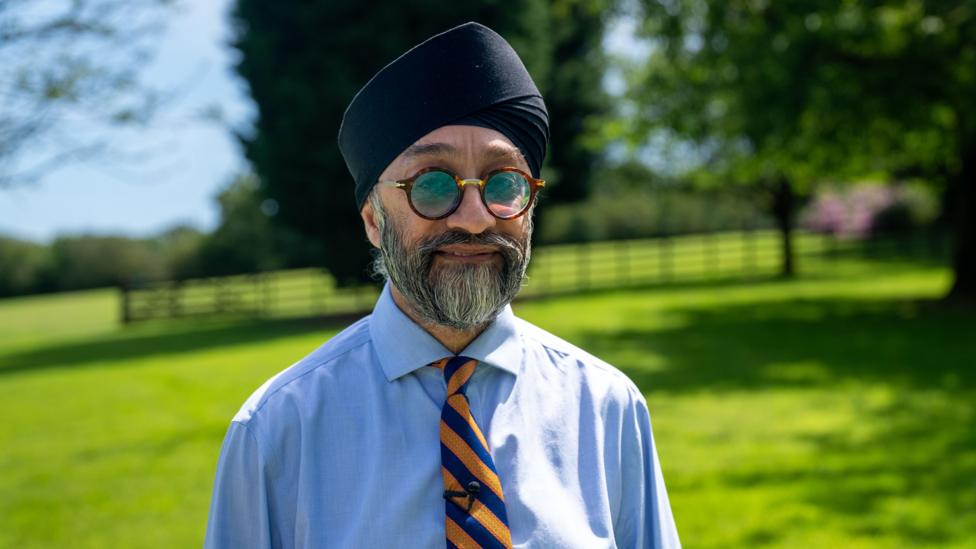
"The circle has closed. I feel much more complete," says Sunney Palahey, a dentist from Leicester and descendant of one of the forgotten Punjabi soldiers.
For many years, Palahey sought information about his great-grandfather, who reportedly went to war and never returned. Researchers later informed him that his great-grandfather's name, Kesar Singh, had been located in the recently examined registers and would now be officially included in the records.
"It's been recognised by an authority, which it never was before. He is now an entry in the Commonwealth War Graves Commission. All the sacrifices seem to have been worth it."
He adds, "This recognition makes me proud to feel part of a global community of those connected with service in WW1."
Historical Context and Records
It is documented that around 1.4 million people from the subcontinent served in the British Indian Army during the First World War. In the years following the conflict, officials conducted extensive visits to every town and village in Punjab to record the names and fates of the 320,000 servicemen originating from that state alone.
After the partition of India in 1947, Punjab was divided between India and Pakistan. Scores of fragile, leather-bound volumes containing handwritten records, each embossed with a village name, are now preserved on shelves at the Lahore Museum in Pakistan.
Members of the UK Punjab Heritage Association initiated a project to digitize and analyze these records, a process that has taken several years.

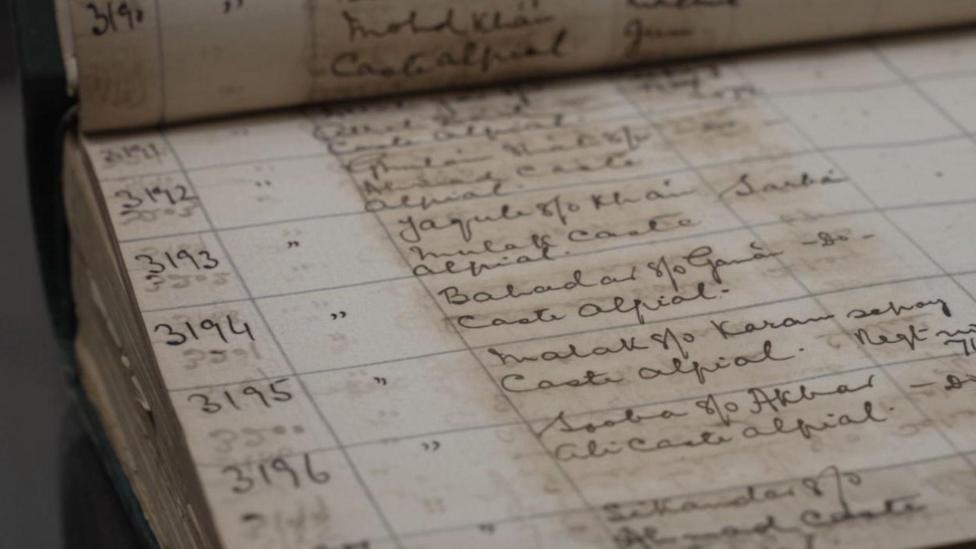
"As a Punjabi myself I feel really proud that I can do this part for the community," says Jasmin Basra, a PhD student at the University of Greenwich who participated in the meticulous research.
During the research, Basra unexpectedly discovered the names of two of her own relatives—a great-great-grandfather and his brother—who also served in WW1 with the British Indian Army.
"That connection was emotional. As a second-generation British Punjabi, there is almost a disconnect from Punjab as well as not being fully connected to British history, but I think this is a tangible link to all of it," she explains.
Impact and Significance of the Update
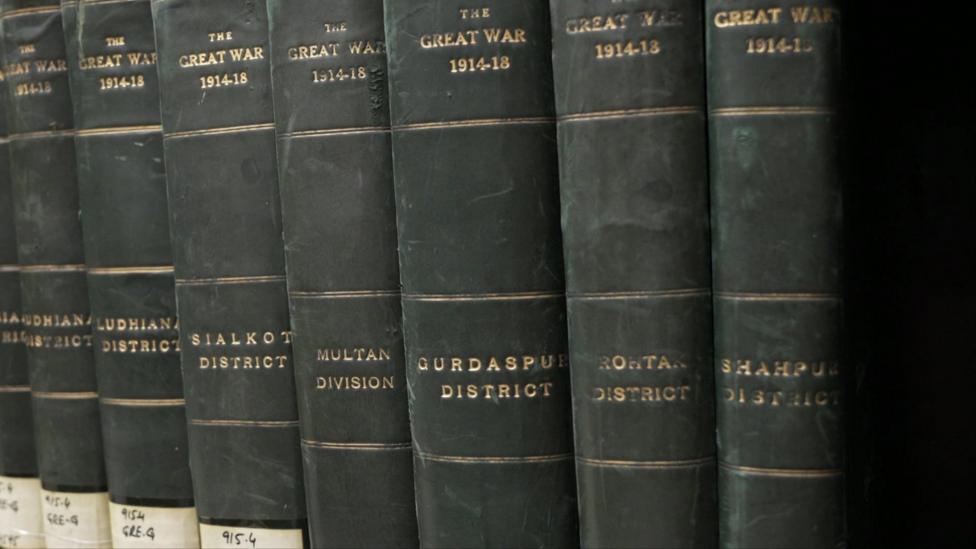
The volunteers’ work has been welcomed and expanded upon by the Commonwealth War Graves Commission, which has now issued the largest update to its records since World War Two.
Historians at the Commission note that most of the 9,909 men previously omitted from commemoration records were casualties who died from injuries away from the battlefield. At the time, rulings by the British Indian Government excluded them from war graves status, but this decision has since been reversed.
Among the newly recognized dead, approximately 25% are Sikhs, another 25% Hindus, and around 40% Muslims.
The CWGC emphasizes that this inclusion is not only to preserve the names of those who made the ultimate sacrifice but also part of a broader effort to address Eurocentric perspectives of WW1. Commemoration should reflect the full global reality of the conflict.
Additional reporting by Catherine Wyatt


