
Instagram Ads Promoting Child Sexual Abuse Material in India
Instagram has been running paid advertisements promoting child sexual abuse material in India, according to a BBC Eye investigation. The adverts, observed by the BBC World Service, included terms such as "rape video" and "child video" and directed users to channels on the messaging app Telegram, where such material could be purchased for as little as 99 rupees (approximately $1).
Instagram's ads are only published after approval by its moderation technology. When the BBC reported one of these adverts to Instagram, the platform responded within 24 hours stating that the post did not violate its "community guidelines." Subsequently, when the BBC sought comment from Instagram's parent company, Meta, the company stated it had already disabled several adverts and suspended the accounts responsible. Meta also reported removing additional adverts, disabling more accounts, and blocking URLs linked to content violating its policies following the BBC's findings.
Telegram reported removing over 274,000 groups and channels related to child sexual abuse material in 2026.
Investigation Methodology and Findings
The BBC created an alias account on Instagram after noticing the platform was promoting sexually suggestive content even without user searches for such material. This content included posts by women discussing food, weather, and daily life in India, often dressed in revealing clothing and using sexual innuendo.
The alias account, established in India, followed ten such accounts to investigate sexualised content on Instagram. Within a week, Instagram began showing advertisements featuring women offering video calls and explicit content, including naked couples engaged in sexual acts.
Subsequently, adverts appeared depicting children with adults in sexually suggestive contexts, linking to Telegram channels.
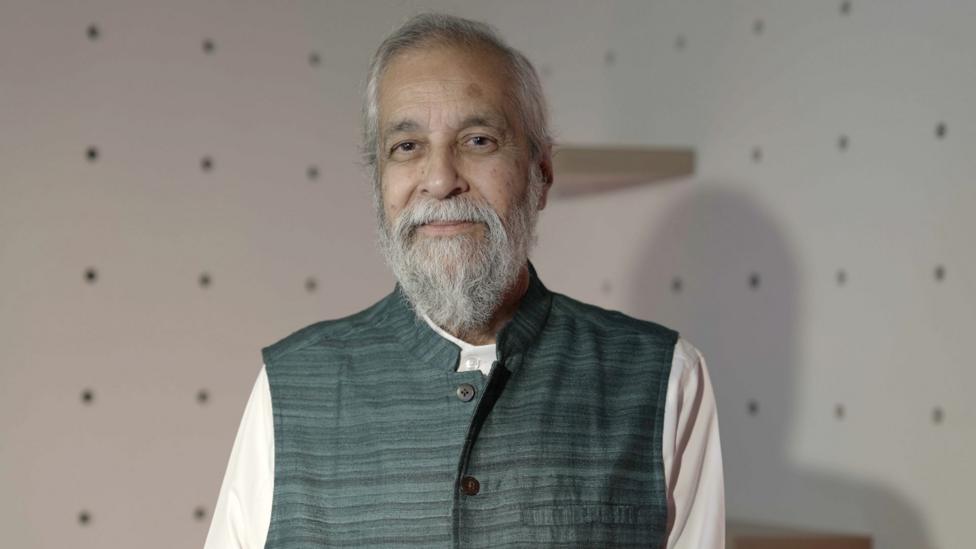
A retired justice of India's Supreme Court, Madan Lokur, expressed concern that Instagram was "making money by participating in a criminal activity."
In total, approximately 30 unique adverts promoting child sexual abuse material appeared, some shared by multiple accounts. The alias account was also shown about 20 advertisements featuring adult pornography.
Distribution of both child sexual abuse material and adult pornography is a criminal offense in India. Meta's policy prohibits ads containing adult nudity, genitals, or content that sexually exploits or endangers children. The BBC has reported all such adverts and Telegram channels to Indian authorities.
Examples of Advertisements
One advertisement depicted a boy and girl, both appearing to be about 12 years old, engaged in a sexual act. Another showed a man with his arm around a girl, with text indicating he was 52 and the girl was 12, accompanied by the prompt "Click to watch more," linking to a Telegram channel.
The BBC reported an advert to Instagram showing a very young girl in tears, with wording suggesting she had been sexually assaulted. Instagram responded after 24 hours stating the advert did not violate community standards and was not removed.
Meta later acknowledged that "no system is perfect, and our review process may not detect all policy violations." The company stated it continues to run proactive detection technology on ads once live and encourages anyone to report ads suspected of breaking rules.
Meta added that when it becomes aware of apparent child exploitation, it reports such content to the National Center for Missing and Exploited Children (NCMEC), complying with legal requirements. The NCMEC serves as the centralized global reporting system for online sexual exploitation of children.
Telegram's Response and Criticism
The BBC reported two Telegram channels selling child sexual abuse videos. One channel was removed and replaced with a message stating: "This group can't be displayed because it violated Telegram's Terms of Service," while the other continued posting new videos for sale.
Critics have previously accused Telegram of insufficient efforts to prevent the sharing of criminal content. The Dubai-based company is not a member of either the NCMEC or the Internet Watch Foundation, organizations that collaborate with most online platforms to identify, report, and remove such material.
Telegram told the BBC that it employs both automated and human moderation to eradicate child sexual abuse material (CSAM) from its app and claims to have "virtually eliminated the public spread of CSAM from its platform."
Advertising Revenue and Moderation Technology
Advertising is a significant source of income for Meta. In January, the company reported that nearly 98% of its $200 billion (£152 billion) revenue for the financial year ending 2025 came from advertising. Analysts estimate that ads account for over 90% of Instagram's revenue.
While standard posts are generally not reviewed by Meta's technology until after publication, Meta states that every advertisement is reviewed prior to approval on its platforms. The review system primarily relies on automated technology designed to analyze images, video, text, audio, ad targeting, and linked destinations. The software either rejects or approves adverts and escalates uncertain cases for human review.
In March, Meta announced plans to reduce reliance on third-party human moderators and increase the use of artificial intelligence (AI), stating that "experts will design, train, oversee, and evaluate our AI systems."
Expert Opinions and Legal Perspectives
The BBC presented the adverts to retired Supreme Court Justice Madan Lokur, who expressed concern that Instagram was "making money by participating in a criminal activity."
"This is a serious enough issue for the Supreme Court of India to take suo moto cognisance [when a court initiates legal proceedings without waiting for a case to be brought by someone else] and get the government to act against any social media platform," he said.
Justice Lokur added that despite Indian law protecting social media companies from liability for user-uploaded content, "the platform cannot, cannot shirk its responsibility."
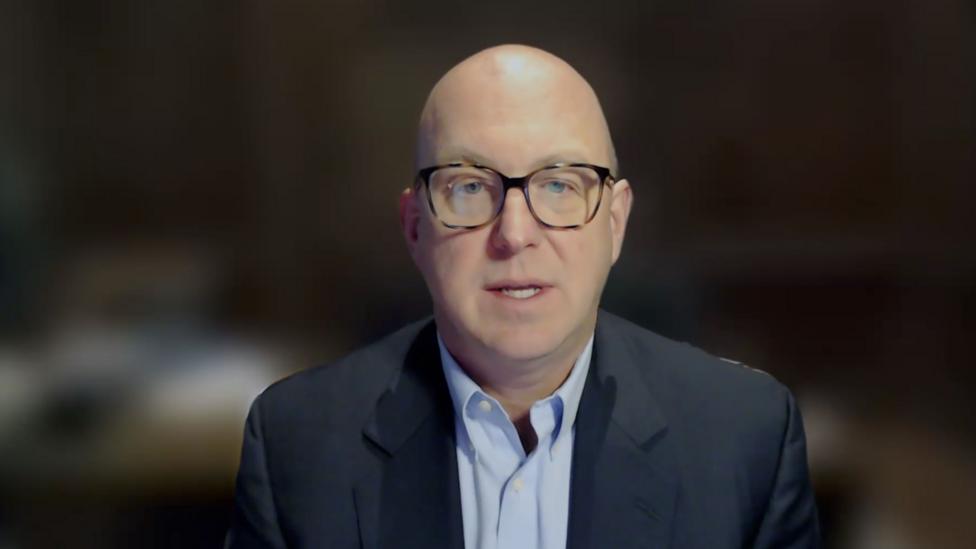
Brian Boland, a former Facebook vice-president, described Instagram's algorithm as designed to keep users engaged by showing "something more extreme, more tantalising."
"It's not like an algorithm that says 'let's make people paedophiles', but because they're not responsibly guiding and controlling it - and it's just pursuing the goals of revenue and clicks - it will create these outcomes if people aren't being truly, aggressively protective over these systems," Boland said.
Boland worked at Facebook from 2009 to 2020 and helped build the advertising and marketing business. He left the company because he believed "they didn't care about users anywhere."
He recalled leading a project between 2009 and 2010 to remove adverts scamming users, which involved removing a significant portion of company revenue in favor of user safety and experience.
"I think what's sad and tragic is over time, the trade-off of revenue and user experience became a more core part of the conversation," Boland said.
He deleted his Instagram account in 2025, stating:
"If people en masse started to say, 'I'm out, I'm done, forget it,' the company would pay attention."
Meta's Response
Meta issued a statement to the BBC saying:
"Child exploitation is a horrific crime and Meta works aggressively to fight it on our apps."
The company described as "categorically inaccurate" any suggestion that Meta knowingly and deliberately targeted ads featuring children to users with inappropriate interests. Meta denied prioritizing revenue over safety and stated that in 2025 it automatically disabled more than four million accounts showing "enough signals of potentially suspicious behavior."
"While determined criminals try to evade detection, our expert teams are constantly working to improve our defenses, developing new technology to root out predators, blocking links to violating websites, and sharing intelligence with other companies so they can take action too," Meta added.
Earlier this year, Boland testified against Meta in a trial in New Mexico, where the company was accused of misleading users regarding platform safety for children. The court ordered Meta to pay $375 million (£279 million). Meta stated it disagreed with the verdict and intended to appeal.
Indian Authorities and Reporting
Shikha Goel, director of the Cyber Security Bureau in Telangana, India, stated that they receive more alerts from Meta's platforms than any others.
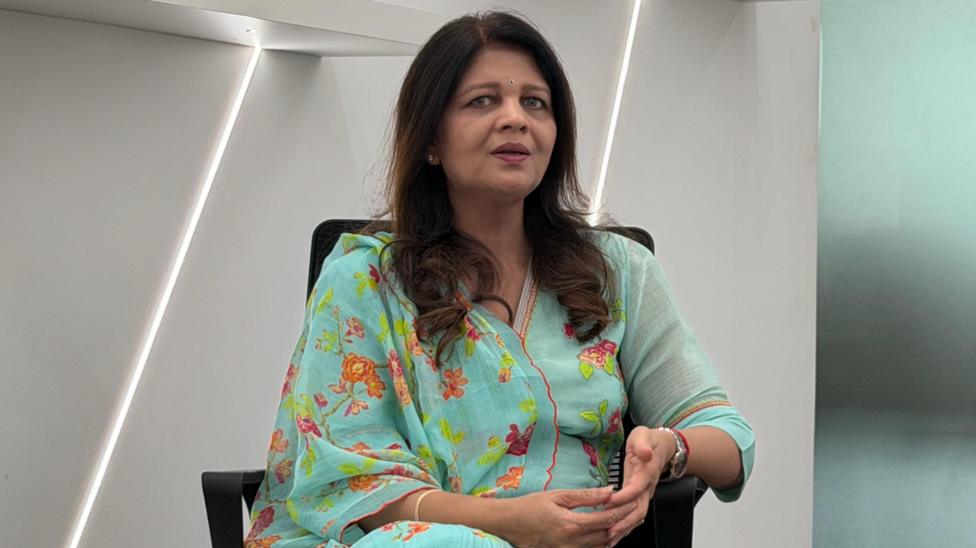
US-based social media companies are required to report child sexual abuse material on their platforms to the NCMEC Cyber Tipline, which then refers reports to appropriate law enforcement agencies in the relevant countries. In 2025, India received 1.9 million reports, second only to the United States with two million.
Goel noted:
"But that does not mean they are the largest. If they have a good algorithm to track child sexual abuse material, then obviously more alerts will be generated."
The Mumbai-based NGO Rati Foundation, which operates a helpline for children facing online harms, also reported that most child sexual abuse material reports they receive come from Meta platforms. The foundation collaborates with social media companies to remove harmful content, but co-founder Siddharth Pillai stated:
"Criminals use the seamless navigation from Instagram to Telegram to evade our moderation efforts, and keep reuploading the content we help take down."
Nature of Child Sexual Abuse Material in India and Challenges
Experts indicate that child sexual abuse material in India is often produced by criminal groups such as human traffickers, although family and community members can also be responsible.
Bhuwan Ribhu, founder of Just Rights for Children, a network of over 250 organizations working to prevent violence against children in India, said the crime is underreported and police are still developing technical skills to address it effectively.
"To do that successfully, international co-operation and intelligence sharing across borders is vital," Ribhu said.
"In order to find the tentacles of organised crime, the entire chain of demand and supply needs to be tracked," he added.


