
Early Morning Heat in Banda
By 6am, the sun over Banda had already forgotten it was morning.
The light had the hard glare of a summer afternoon. Shadows were shrinking before breakfast.
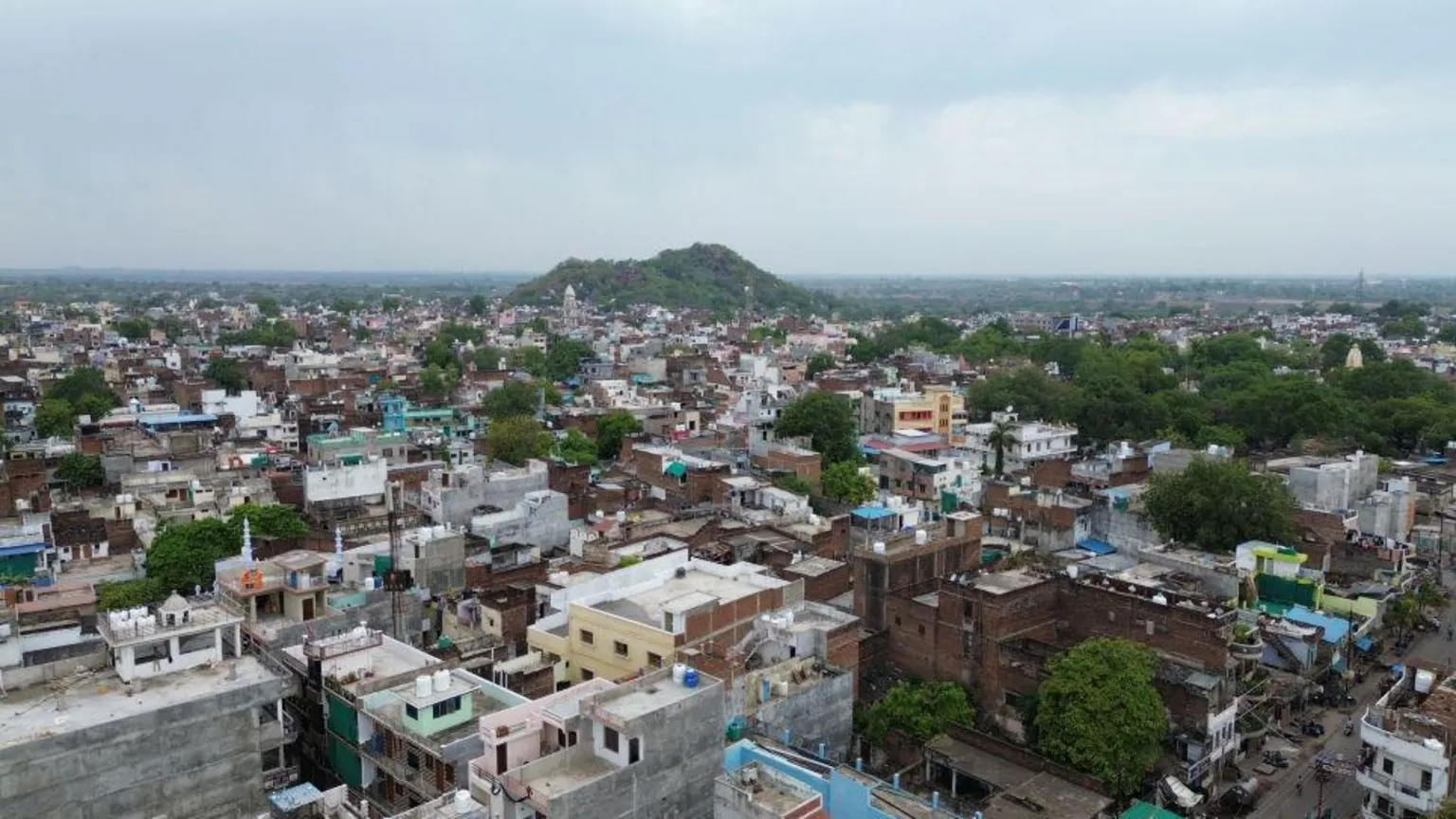
In May, this dusty district in India's Uttar Pradesh state spent days at the top of an unenviable national ranking: the hottest place in the country. Temperatures hovered at 47-48C (116-118F) for more than a week, an extraordinary run even by local standards.
Yet what was striking was the way in which people adapted. Banda's more than two million residents - many dependent on farming, construction, transport and other outdoor work - had little option but to endure the heat. They were rearranging their lives around it.
Market Life Adjusts to the Heat
Thirty kilometres from the district headquarters, the vegetable market at Atarra was already winding down before most cities had properly woken up. Farmers arrived at dawn with tomatoes, gourds, chillies, lemons and melons. Everyone wanted to sell their wares quickly and get home before the heat intensified.
"Look at the sun," said Himanshu, a trader standing beside crates of tomatoes. "It's only 6.15am, but it feels like 8-9am."
The heat was shortening the life of his produce as surely as it was shortening the market day. "A box of tomatoes must be sold today or tomorrow. In this weather they won't last."
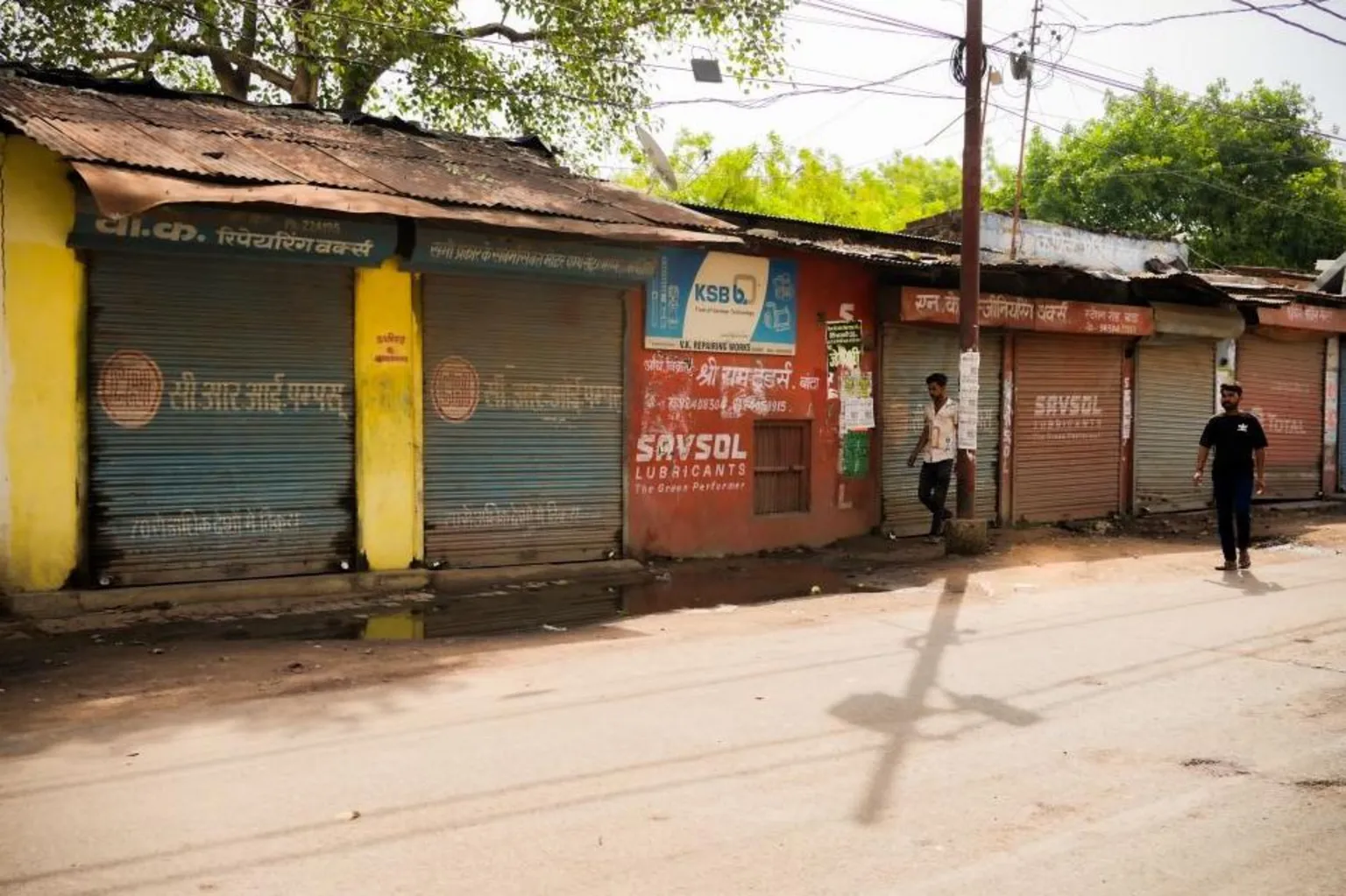
Where trading once bustled until late morning, activity now faded by 8am. By 10am, the market was almost deserted.
Daily Routines Compressed by Heat
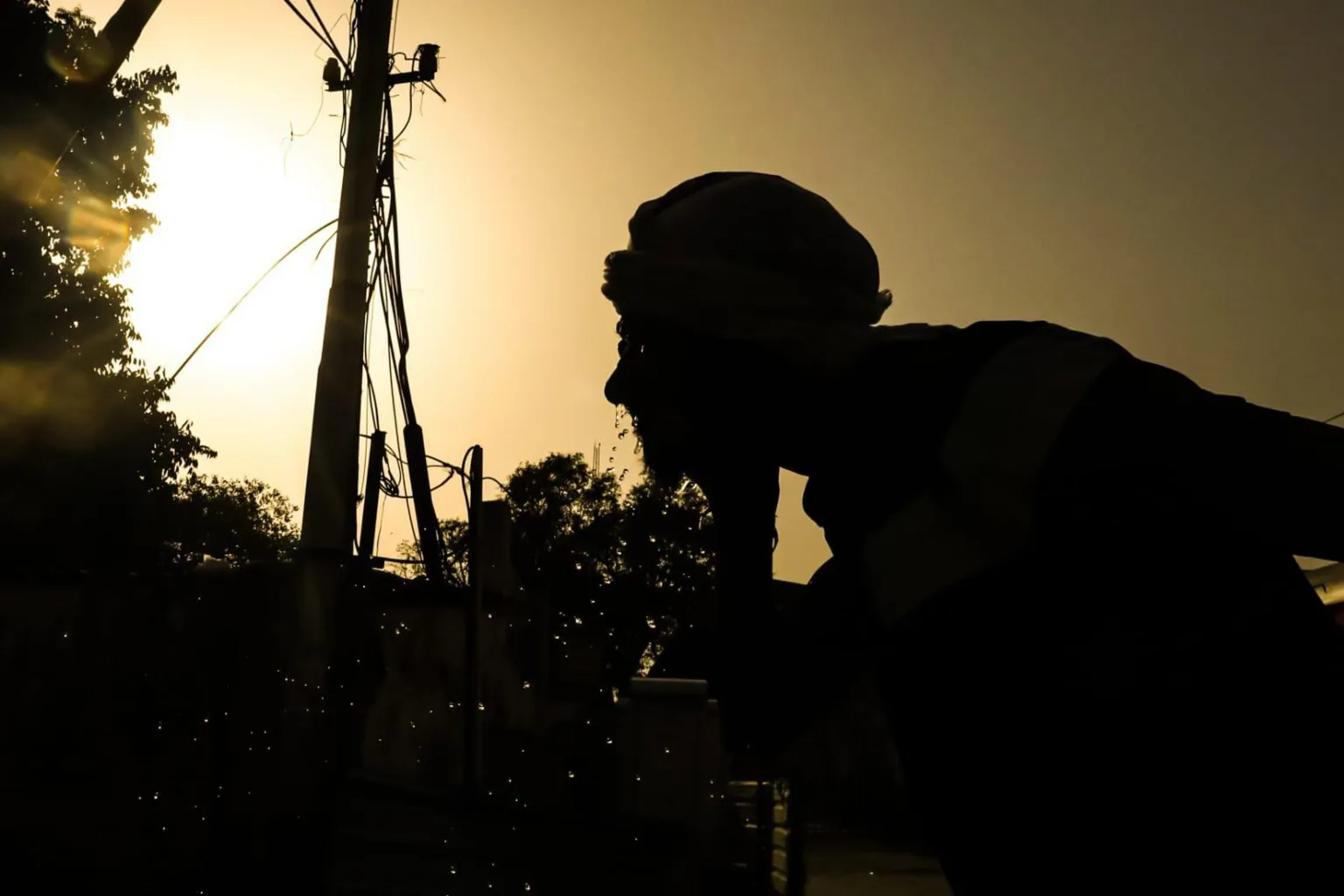
The same compressed timetable governs almost everything in Banda. Between the blazing sky and the scorched ground, people do what Polish journalist Ryszard Kapuściński once observed in another furnace-hot landscape in Africa: devote their energies to "the search for shade and a breeze".
Pappu Verma, a mason, now works from 7am until noon, then again from 4pm until 7pm. The four hours in between are spent waiting for the worst of the heat to pass.
"You still have to complete eight hours," he said. "Whether you work continuously in the sun or stop and start, the pay is the same." The break saves him from headaches and heat sickness, but stretches his day to 12 or 13 hours. "Otherwise," he shrugged, "whatever I earn would be spent on medicines."
Road Workers Seek Shade
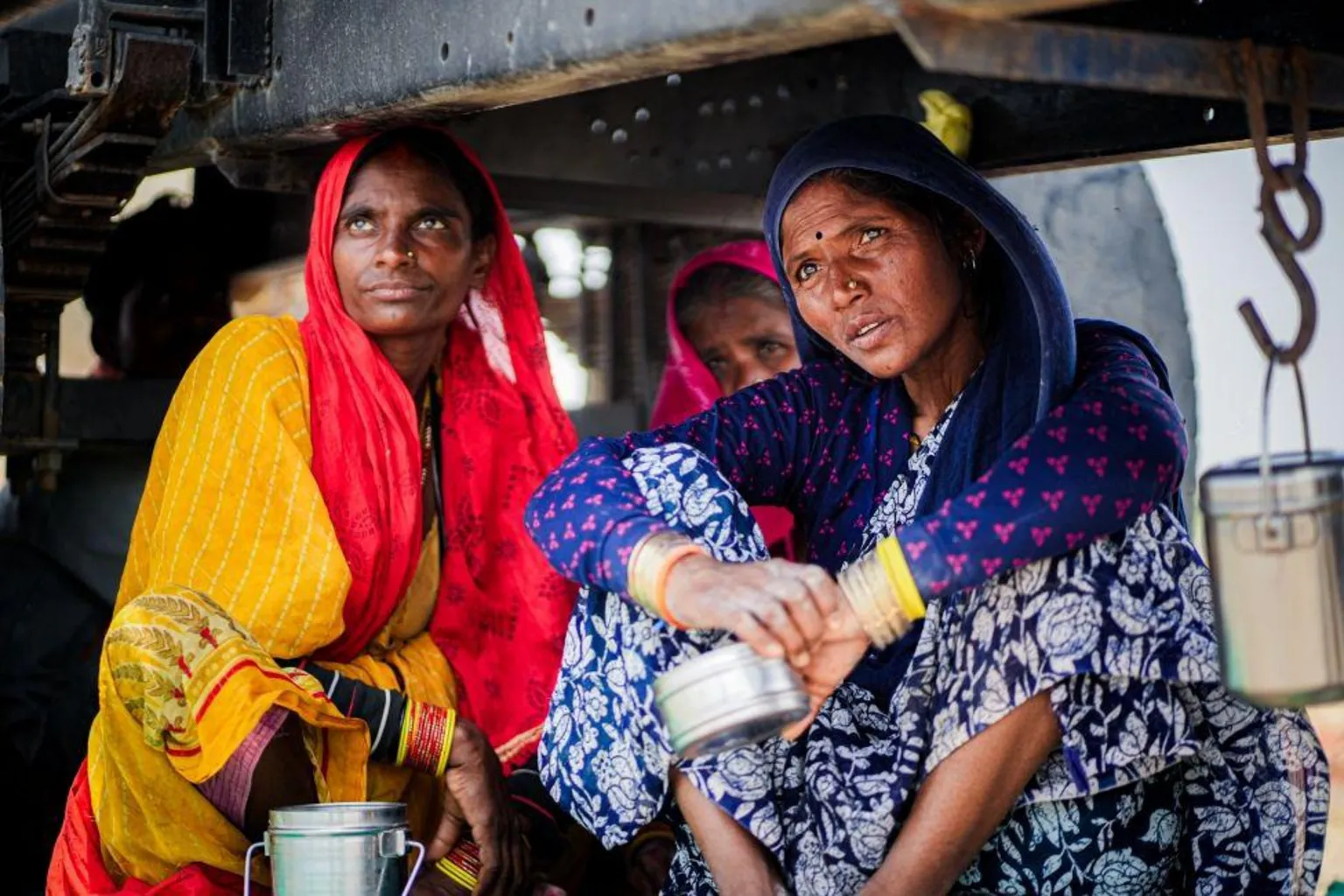
Around 2pm one day last week, when Banda's temperature touched 46C, three women road workers crouched beneath a water tanker on a highway bridge over the Ken river, eating lunch in the sliver of shade cast by its chassis.
One of them, Shanti Devi, walked six kilometres to work every morning and six kilometres back. Her lunch was bread with onion, salt and pickle. "If we bring vegetables, they'll spoil by noon," she said.
"Poor people don't have the luxury of worrying about the heat."
Environmental Factors Worsen Heat
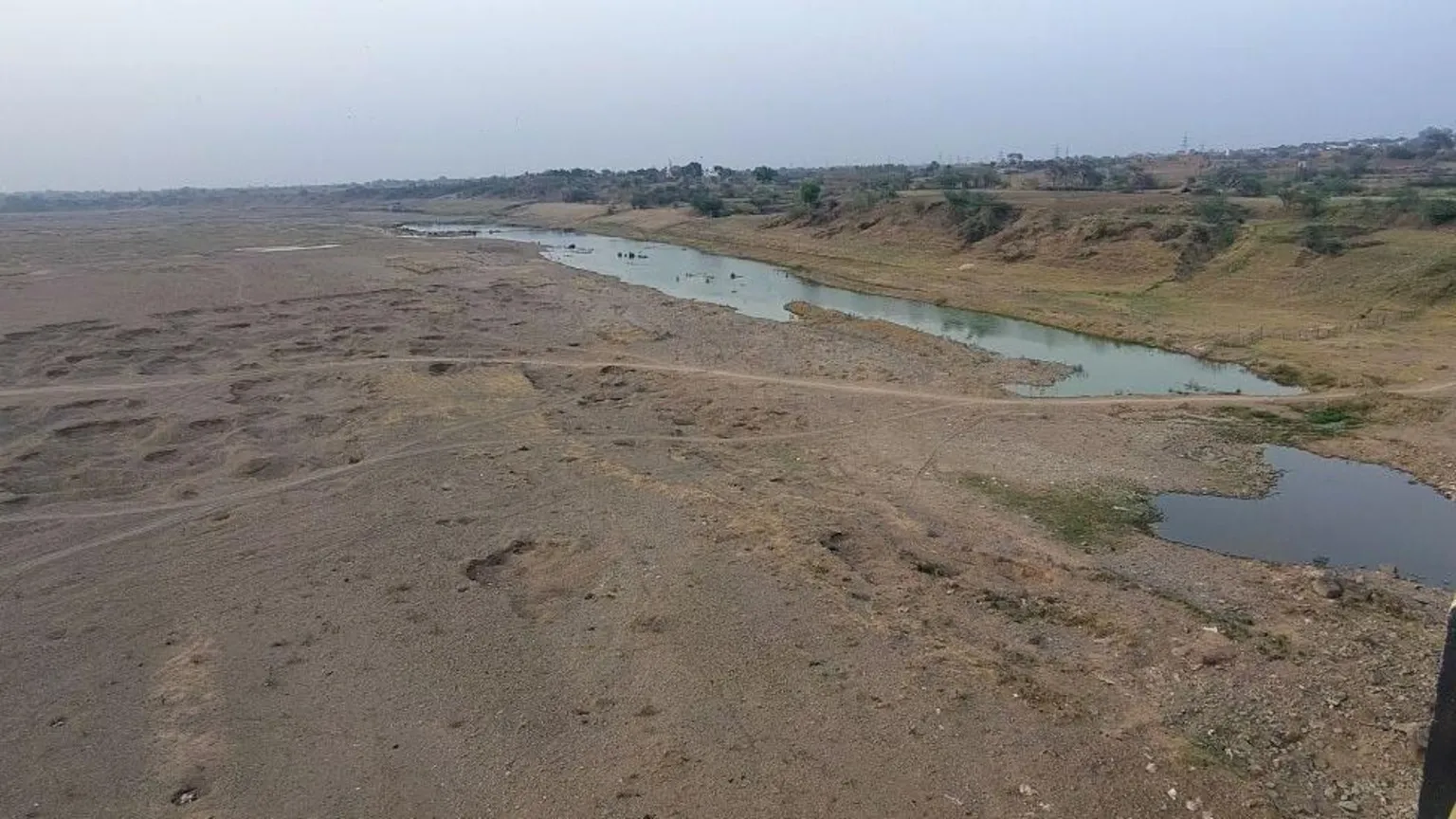
Their refuge above the Ken was fitting. The river lies at the heart of Banda's struggle with heat. Researchers say sand mining and groundwater depletion have weakened its ability to cool the surrounding landscape, creating a vicious cycle in which water scarcity and extreme temperatures reinforce one another.
Economic Impact of the Heatwave
The heat's economic effects are visible everywhere.
E-rickshaw drivers find afternoons barren of passengers. Shopkeepers open before sunrise and shut between noon and 4pm. Customers have halved. Entire towns retreat indoors during the fiercest hours, emerging again only in the evening.
Mobile phones buzz repeatedly with government alerts warning of severe heatwave conditions. Stay alert, stay cautious, the messages warn.
Local hospitals are seeing a steady stream of heatwave patients. "Since the heat intensified, we have been getting 15-20 cases a day, mostly children and the elderly," said K Kumar, chief medical superintendent of the Women's District Hospital. "The most common symptoms are diarrhoea, vomiting and fever."
Broader Climate Trends Affecting Banda
Banda's ordeal is a local expression of a broader trend. Across India, heat is increasingly arriving not merely as high temperatures but as a combination of heat and humidity that places greater stress on the human body.
The Indo-Gangetic Plain, which stretches across much of northern India and includes Uttar Pradesh, is regarded by climate researchers as one of the world's emerging hotspots for dangerous humid heat.
A dense population, extensive irrigation, abundant moisture and large numbers of outdoor workers combine to create conditions in which even routine labour can become risky.
Uttar Pradesh is especially vulnerable because of its vast exposed population, dependence on outdoor work and limited access to cooling for millions of households, according to think-tank Climate Trends.
Geography and Development Worsen Heat
Scientists say the region's geography and development choices have combined to make matters worse.
Banda sits near the Tropic of Cancer, a latitude associated with some of the world's most intense summer heat. Rivers run low, exposing beds of sand, stone and gravel that absorb and radiate heat. Concrete has replaced vegetation.
Tree cover has fallen far below recommended levels. Research by Banda University of Agriculture and Technology found that nearly one-sixth of the district's dense forest cover disappeared between 1991 and 2022, largely due to mining and agricultural expansion.
Together, these factors have made Banda increasingly vulnerable to extreme heat.
Temperature Records and Persistence
According to Dinesh Sah, a meteorologist at the university, the district has seen temperatures of 48-49C before. In 2024, the mercury touched 49C on two consecutive days.
But what made this summer's episode unusual was its persistence. "For eight or nine days, temperatures of 47-48C continued without a break," he said. "That is what was new."
Local Perspectives on Heat
Prem Singh, a local farmer, says the annual spell of extreme heat in the region is nothing new and is essential for crops. What worries him is its growing intensity. He blames shrinking tree cover, extensive mining, rising fossil-fuel use and the spread of air-conditioning.
"This has made life harder for the poor while the well-off haven't been affected as much."
The heat lingers long after sunset.
"It feels as if mornings and nights no longer exist," said Sah.
By 7am or 8am in the morning it already feels like afternoon. Overnight temperatures remain around 30C. The result is a population that never fully cools down.
Water Scarcity in Villages
In Achharaund village, 20km from Banda town, the struggle is less about temperature than water.
A single well supplies much of the village's usable drinking water. Every day, women queue with buckets beneath a white-hot sky.
Kranti Vishwakarma, 18, spends four or five hours fetching water for her household. When there are power cuts in the afternoon, relief comes from the shade of a neem tree.
"We don't have coolers or air-conditioners," she said. "For us, the neem trees play that role."
Challenges for the Elderly
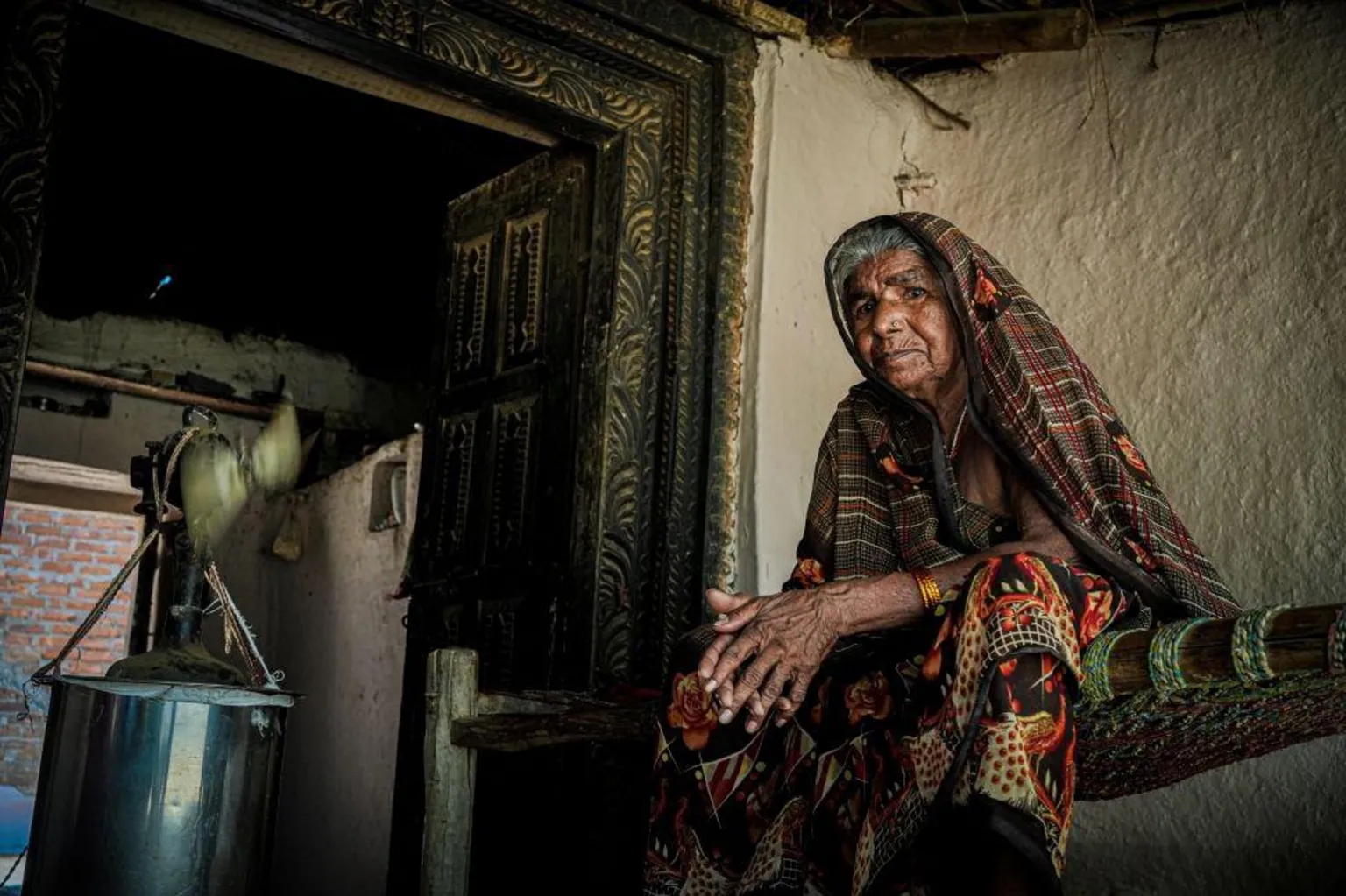
Nearby, an 80-year-old woman named Chunubadi sat beside a repaired table fan held together with string and improvisation. The fan worked, but only just. It blew air that was dry and relentlessly hot.
"The sweat dries," she said, watching the blades turn, "but these gusts are hard for an old body to bear." Then came a darker reflection. "In my 80 years, I've never seen heat like this. Old people die in extreme cold or extreme heat. I don't know whether I'll be able to endure this one."
Animals and Adaptation
Across the village, animals were coping in their own way. Around noon, dozens of buffaloes stood in a pond. Some shepherds were waiting for them to come out.
There we met 60-year-old Rameshwar Yadav, a former private-school teacher who now reared buffaloes for a living. Curiously, he was dressed in heavy clothes more suited to winter than a 46C summer day, with a shawl wrapped around his head.
"We wear thick clothes because they slow the sun's heat from reaching the body," he said. "Heavy fabric protects us from the sun and the hot winds. Yes, it makes us sweat, but it also keeps us from falling ill."
Like everyone else in Banda, Yadav had adapted. But adaptation and relief are not the same thing.
Temporary Relief and Lasting Challenges
On Friday, a western disturbance finally brought dust storms and rain. Temperatures dropped by 8-9 degrees. The district breathed again.
But the respite was temporary. The routines Banda's residents have developed - starting work before sunrise, retreating indoors at midday, seeking shade wherever they can find it - are increasingly becoming necessities rather than adaptations.
Health Risks and Vulnerable Populations
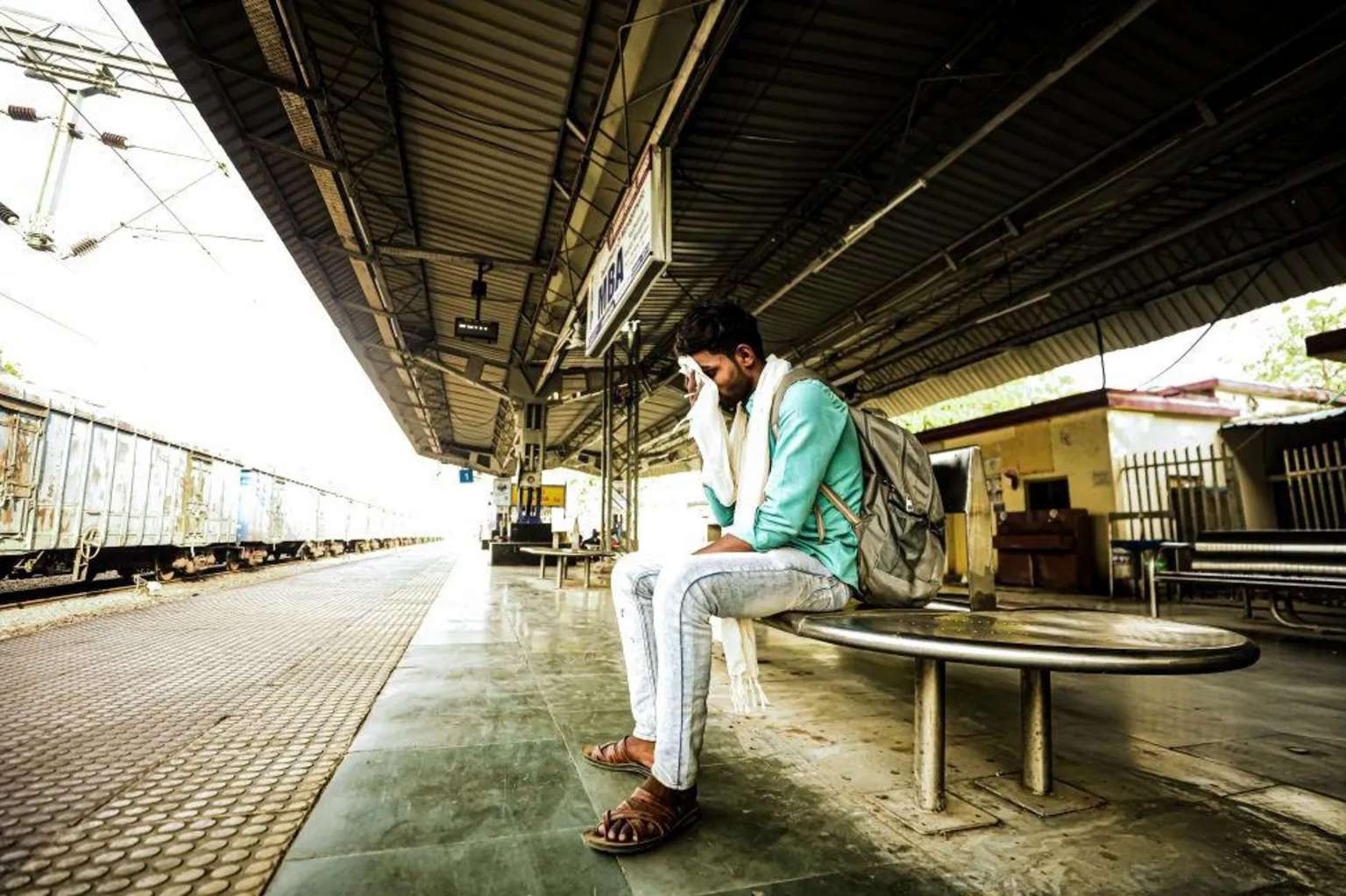
Research by Piyush Narang and Ashok Gadgil of the University of California, Berkeley, estimates that Uttar Pradesh could account for more than 8,000 excess deaths during a severe five-day heatwave, more than many other Indian states. The burden falls disproportionately on the elderly, outdoor workers and households without reliable access to cooling.
Yet Banda's residents sound less alarmed than many climate scientists.
They have lived with heat for generations. What worries researchers is not that the district is hot, but that it is becoming hotter, for longer, in a landscape losing the trees and water that once helped keep temperatures in check.
The road workers sheltering beneath a tanker had shrugged off the danger.
"You'll get heatstroke," they warned a visitor. "We're used to it."


