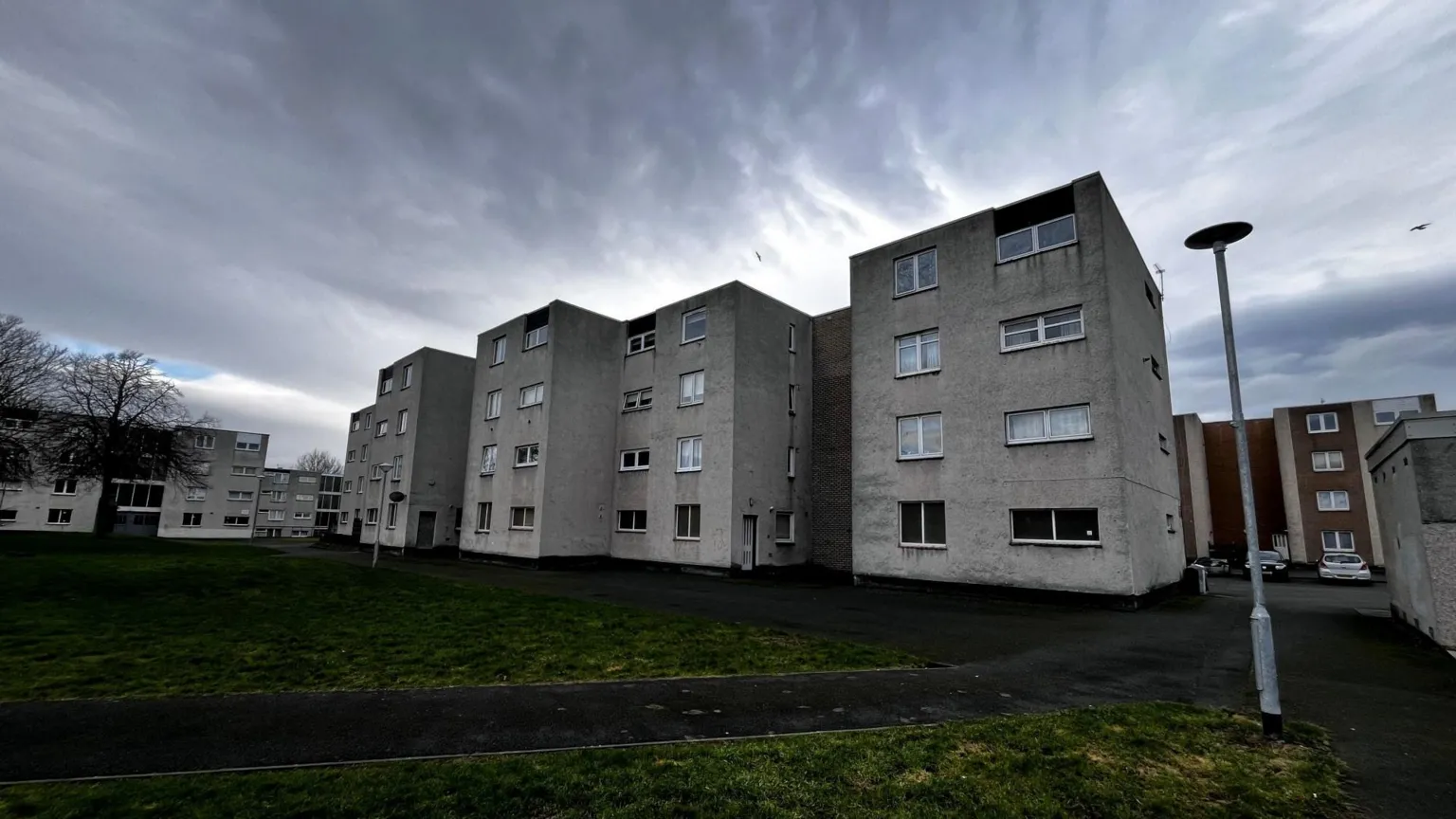
Community Efforts in Wallacetown
Wallacetown in Ayr is recognized as one of Scotland's most socially and economically deprived areas. Despite these challenges, local residents are actively working to improve the community's appeal and quality of life.
Among these residents is Denise Sommerville, who aspires to develop Wallacetown into a place where
"people want to live, not leave". Denise is a leading figure in a community initiative that has installed solar panels on three local schools.
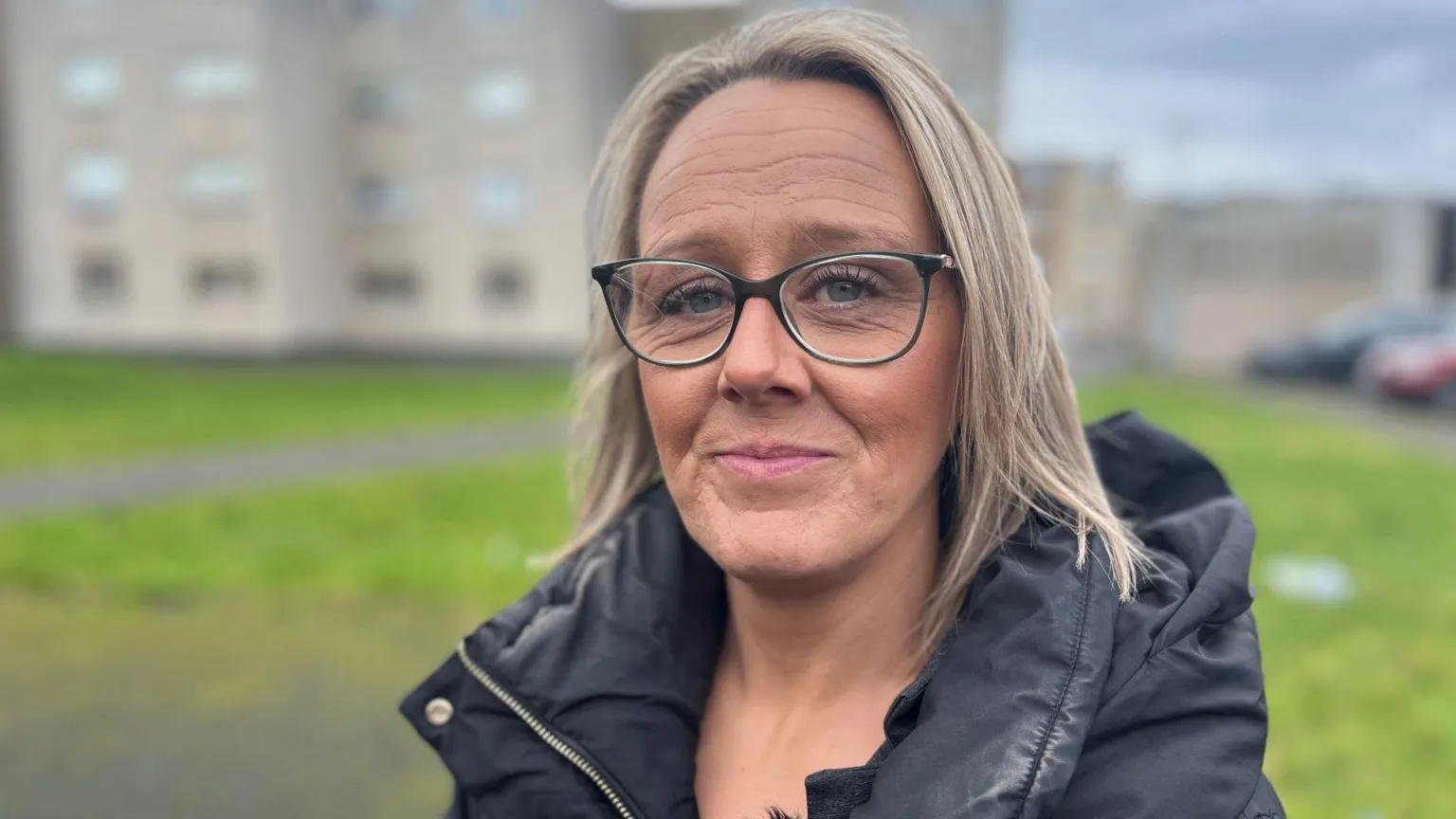
The project is projected to generate approximately £1 million over the next 25 years. These funds will be reinvested into the community to address local needs.
Denise explains the broader impact of the initiative:
"It brings people together and gives them purpose, and something to hope for in the future,"
"It also gives them their own bank account which can be used for what Wallacetown people need."
Five years ago, Denise highlighted the area's issues with deprivation, drug use, and anti-social behaviour at a community council meeting, which helped catalyse the project.
Origins and Development of the Solar Project
The community energy project was proposed by Alan Roseweir, a local engineering lecturer, as a sustainable method to generate income for community enhancement.
The UK government supports initiatives like this and has introduced a £1 billion fund aimed at community buildings such as libraries, leisure centres, and miners' welfare clubs.
Following extensive preparation, the solar panels were installed during the summer holidays on the roofs of Wallacetown Early Years Centre, St John's Primary, and Newton Primary in Ayr.
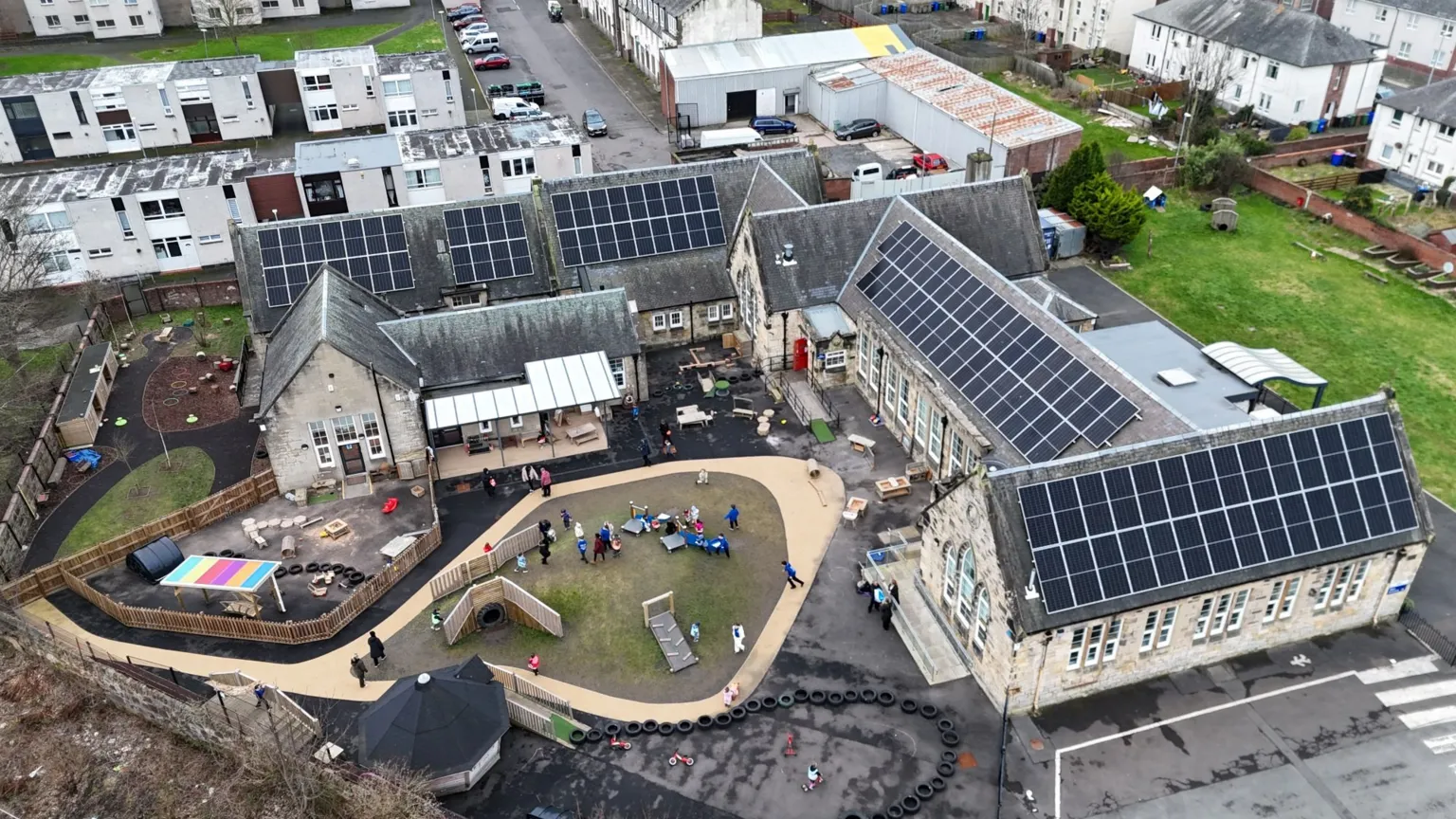
The total cost of £320,000 for purchasing and installing the panels was jointly funded by the Scottish government and Scottish Power Energy Networks. Ownership of the panels remains with the community.
The scheme operates by selling electricity to the schools at a discounted rate, with surplus energy exported to the national grid.

Electricity generation commenced in August, and profits are already being deposited into a fund managed by community representatives.
Funds will begin to be allocated to specific projects after the panels have been operational for a full year, with local residents invited to propose ideas for expenditure.
Community Engagement and Future Plans
Students at St John's Primary have started discussing potential uses for the funds. Six-year-old Liam expressed a desire for more laptops and iPads for schools, while 11-year-old Chaviva suggested allocating money towards toys, clothing, and food for families in need.
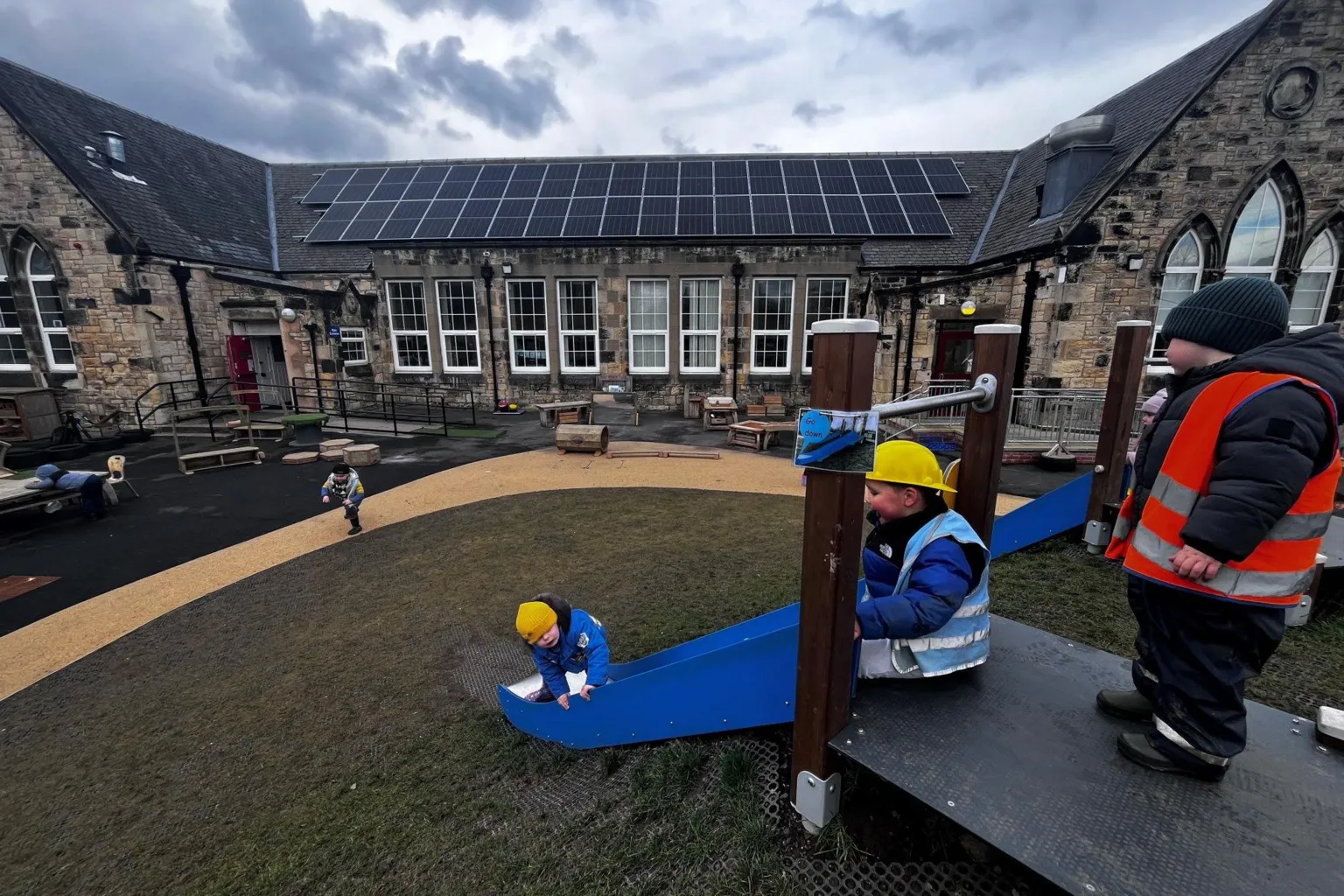
Denise Sommerville envisions establishing community allotments to educate children about sustainability and food origins.
Leadership and Vision
The concept for the community energy project originated from Alan Roseweir, a University of Strathclyde engineering lecturer residing in Ayr. Now retired as associate director of the Engineering Academy, Alan observed that previous top-down regeneration efforts had fostered community cynicism regarding promised changes.
He identified the schools as central community hubs and believed leveraging them would effectively unite the area.
Alan remarked:
"I think it's built a belief in the community. I certainly saw that with the three head teachers."
"There was an excitement when we started, to see that this could really engage the kids."
Goals and Criteria for Funded Projects
The overarching aim is to transform Wallacetown into a 'net-zero village'.
Community projects receiving funding must demonstrate contributions to carbon reduction, alleviation of fuel poverty, or environmental improvements.
Additionally, initiatives supporting learning and educational development, especially in science, technology, engineering, and mathematics (STEM), will be eligible for funding.