

Groundbreaking Genome Sequencing of Barbary Macaque
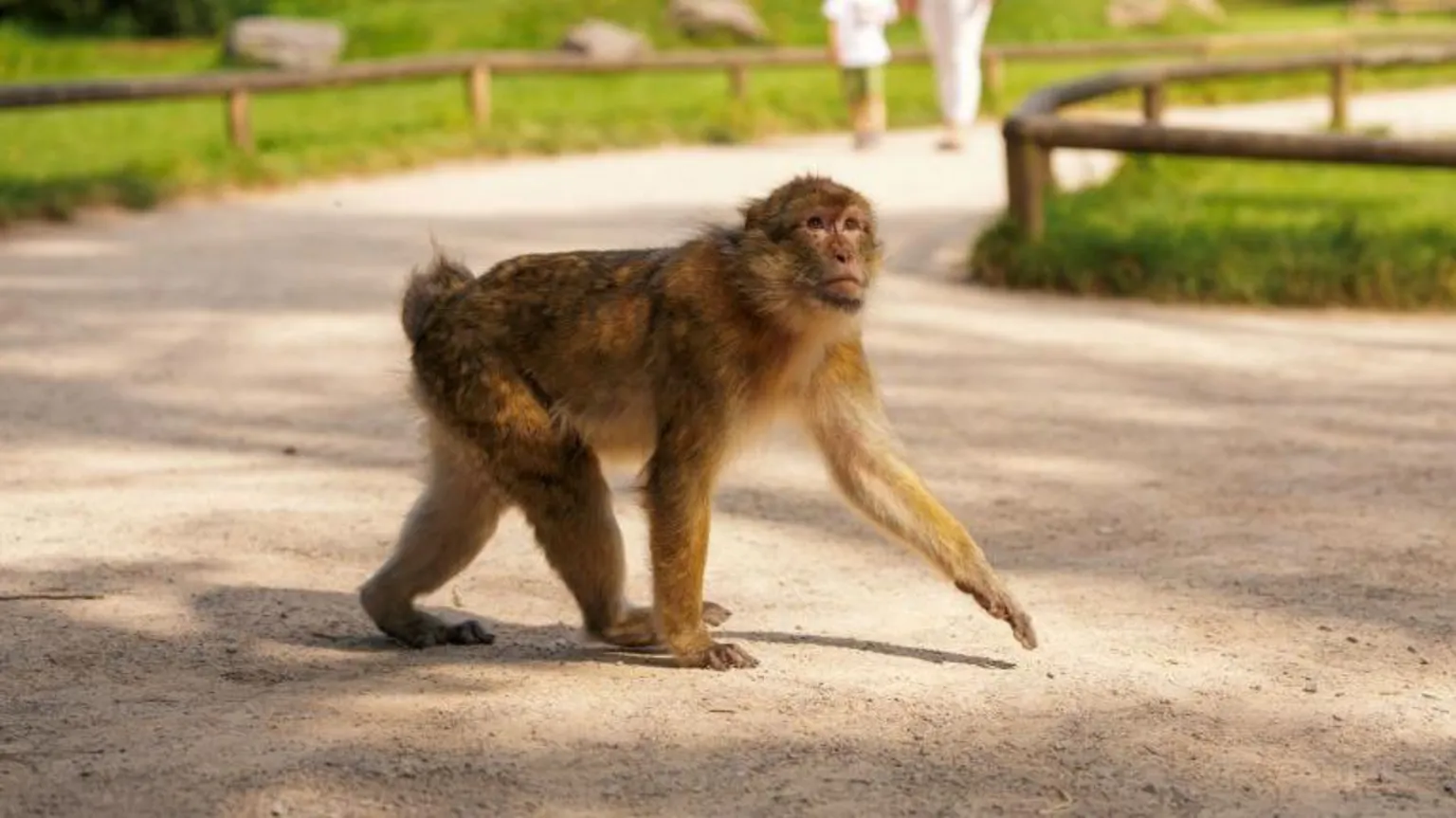
Researchers have announced a "world first" achievement by successfully mapping the complete DNA of a Barbary macaque located in Staffordshire. This pioneering genome sequencing was conducted on a Barbary macaque named Crinkle at Trentham Monkey Forest in Stoke-on-Trent.
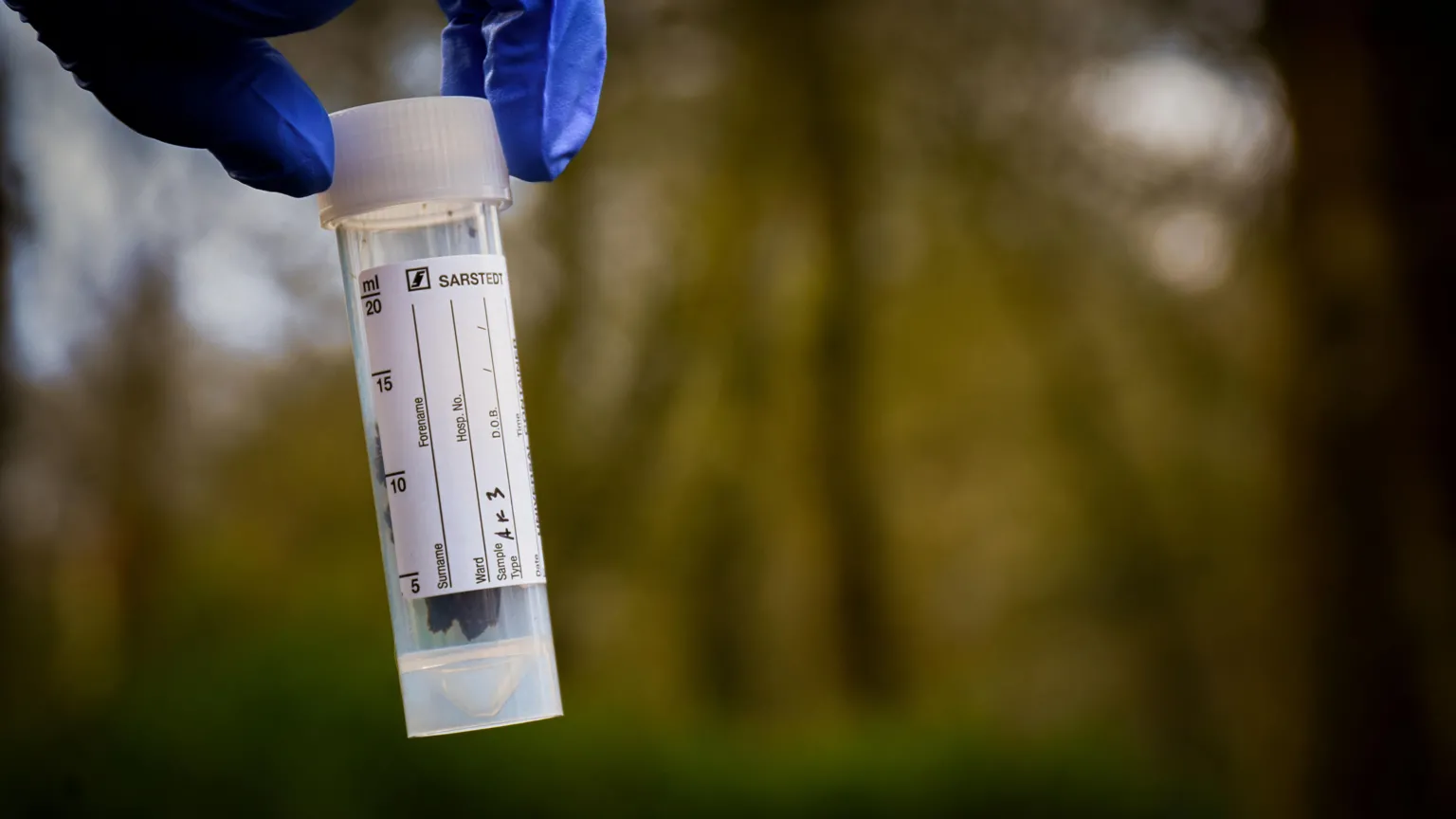
The team behind this research described the accomplishment as providing a "powerful new weapon in the fight against extinction" for this endangered species.
"Knowing that her DNA could help protect Barbary macaques from poaching and illegal trade is something truly special," said Matt Lovatt, director of Monkey Forest park.
Scientists confirmed that Crinkle is the first individual of her species to have her entire genetic code fully decoded. This milestone is significant because, until now, there was no complete genetic reference available for Barbary macaques, which has hampered efforts to monitor populations, assess genetic health, and trace the origins of trafficked animals.

Using the newly obtained genetic data, described as a "master key" by those involved, researchers have already traced Crinkle's lineage back to wild populations near Ifrane National Park and Khenifra National Park in Morocco. These areas are recognized as strongholds for the species.
"We're incredibly proud that a Barbary macaque from Trentham Monkey Forest is at the heart of such a groundbreaking scientific achievement," Lovatt added. "Crinkle represents not just our forest, but a species facing real threats in the wild."
Conservation Implications and Scientific Contributions
Dr. Patrick Tkaczynski from Liverpool John Moores University, who participated in the research, noted that Barbary macaques were once widespread around the Mediterranean but are now confined to limited pockets in North Africa and Gibraltar.
"If this kind of science can help identify where trafficked animals have been taken from, it becomes a powerful tool in the fight against wildlife crime," Lovatt stated.
"Ultimately, it gives us a better chance of protecting these incredible monkeys in the wild."
The project represents a significant advancement in conservation biology, offering new methods to combat illegal wildlife trade and enhance protection strategies for endangered species.
Stay Connected
For further updates, follow BBC Stoke & Staffordshire on , Facebook, X, and Instagram.


