

Challenging the Impossible in Fusion Energy
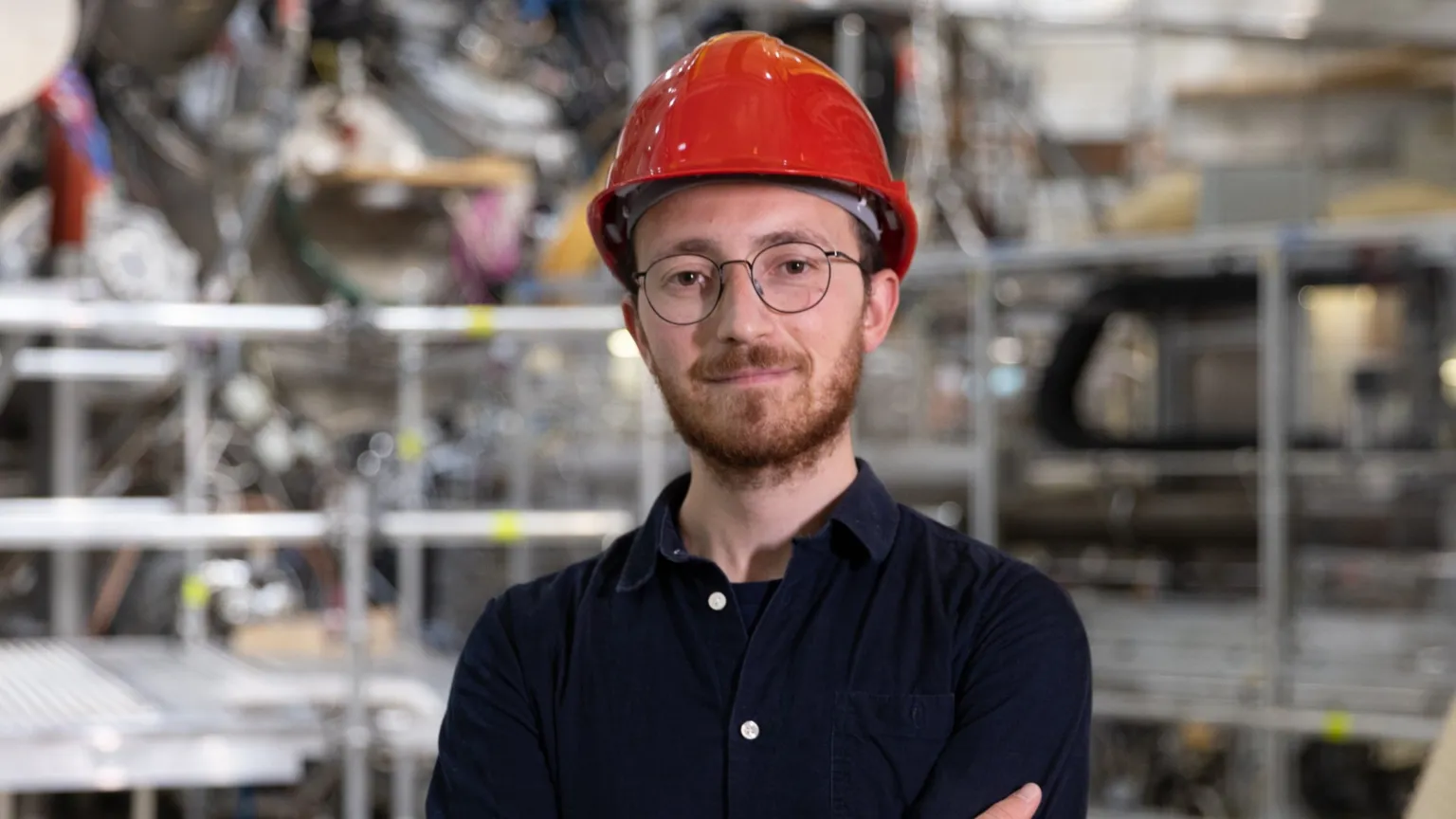
"I remember a few people said that the place where Proxima is today was impossible,"says Francesco Sciortino, the co-founder and CEO of Proxima Fusion.
Being told their goals are impossible is common for scientists and engineers working on nuclear fusion projects worldwide. They strive to replicate the Sun's energy-producing reaction here on Earth.
Success in fusion energy could provide abundant, affordable, and emission-free electricity. However, the technical challenges remain significant, and operational fusion power plants are still distant prospects.
Understanding Fusion and Its Challenges
Fusion involves combining hydrogen nuclei to release vast amounts of energy. On the Sun, immense gravitational forces sustain this reaction.
On Earth, sustaining fusion requires extremely high temperatures, far exceeding those on the Sun. Typically, a fuel mixture of hydrogen isotopes, tritium and deuterium, is heated into a burning plasma that must be controlled precisely to initiate fusion.
Proxima Fusion's Unique Approach: The Stellarator
There are multiple methods to achieve fusion. Germany's Proxima Fusion is pursuing a particularly challenging design known as the stellarator.
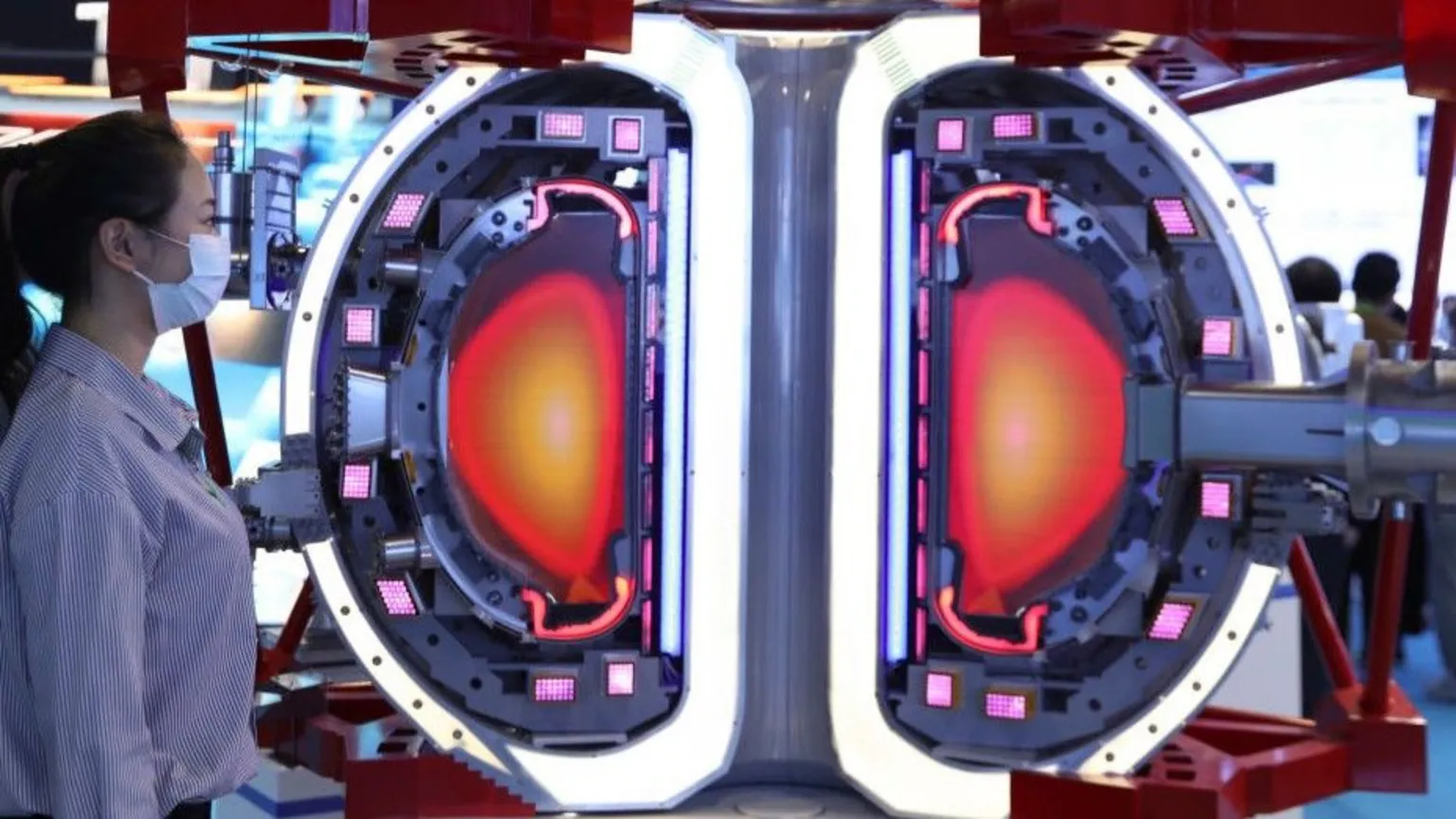
Most fusion projects use a tokamak, a doughnut-shaped device employing powerful magnets to contain plasma.
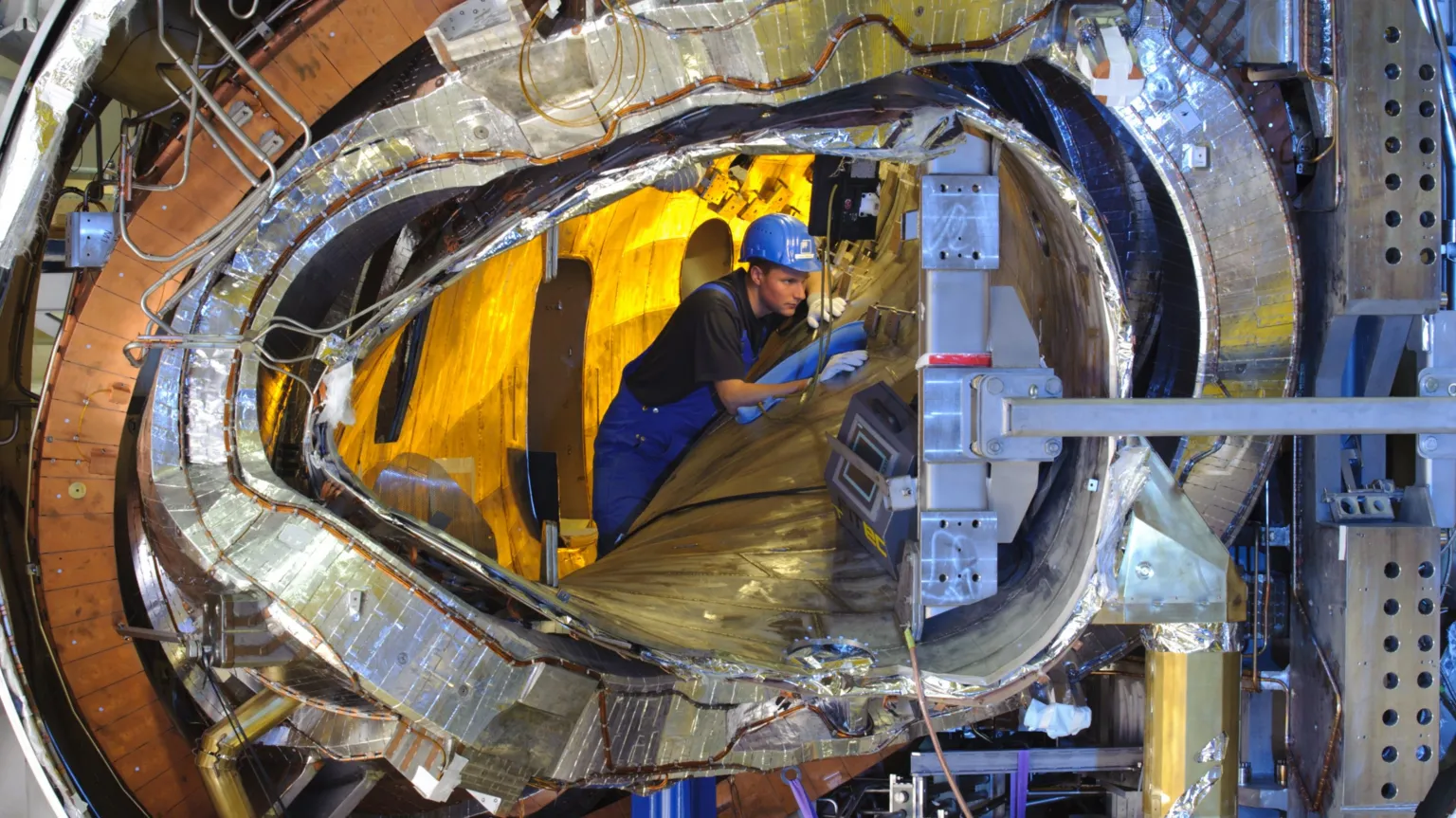
In contrast, Proxima's stellarator also uses magnets but features a more complex, twisted shape, making it more difficult and costly to construct.
"A fusion reactor should be a dumb machine,"Sciortino explains, emphasizing the simplicity of operation once built.
"A stellarator is a thing that is objectively very difficult to design, objectively very difficult to build. But if you do it, it is a dumb machine... just like a microwave oven,"he adds.
Proxima's stellarator, named Alpha, builds on decades of research by Germany's Max Planck Institute for Plasma Physics and its W7-X stellarator.
The goal for Alpha is to generate more energy than it consumes, providing insights for an advanced fusion power plant called Stellaris.
However, Alpha requires substantial funding. Proxima recently secured €400 million (£340 million; $460 million) from Bavaria and is seeking over a billion dollars from the federal government, with decisions expected next year.
Competition and Collaboration in Fusion Development
Proxima competes with 53 other fusion projects worldwide, according to the Fusion Industry Association (FIA), which tracks fusion industry progress.

One notable project using the tokamak design is the UK-based Step (Spherical Tokamak for Energy Production), supported by the UK government. Step plans to build a prototype power plant on a former coal-fired site in West Burton, Yorkshire.
"Tokamaks have the advantage of a deep experimental foundation built over decades. They have demonstrated plasma performance closer to what's required for a fusion power plant, including operation with fusion fuel,"says Ryan Ramsey, director of Organisational Performance at Step and former captain of the nuclear submarine HMS Turbulent.
Tokamaks benefit from relatively simpler magnetic geometry with fewer, more regular coils, which aids manufacturability, maintenance, and cost efficiency.
Technical and Manufacturing Challenges for Proxima
Sciortino acknowledges the difficulties ahead, particularly in manufacturing the stellarator's complex magnets quickly and affordably.
"The first magnet that we make will be very complicated and very expensive. But can we make it faster than people would expect, and can we drive down the cost?"he asks.
Germany's manufacturing expertise is an advantage. Sciortino notes the country's large workforce skilled in CNC machining, a computer-controlled process essential for shaping the expensive steel used in the magnets.
He estimates 550,000 CNC machinists in Germany compared to 350,000 in the entire United States.
Accelerating Development Timelines
Maintaining precision while accelerating development is critical. The W7-X stellarator took over a decade to become operational; Sciortino aims to have Alpha running in about a third of that time.
A prototype magnetic coil is currently under construction, with testing planned for next year. Its twisted design makes it one of the most complex magnets globally, according to Proxima.
Following successful tests, Proxima plans to produce 40 additional coils for Alpha and is building a magnet factory to support rapid production.
"In, 2028, 2029 we need to be able to make magnets at a crazy, crazy speed,"Sciortino states.
Europe's Role and Industry Perspectives
Proxima's work extends beyond Germany, with key suppliers across Europe, positioning the continent as a potential leader in fusion technology.
"We [Europeans] missed the digital wave, didn't we? But it turns out that we still have people being trained in manufacturing,"Sciortino remarks.
Ryan Ramsey emphasizes that fusion is no longer just a physics experiment but a field gaining real momentum.
"There's real momentum across fusion right now, and that should be seen as a strength rather than something to divide. This isn't a single-path race, it's a set of approaches exploring different trade-offs. The real question now is not which concept is most interesting, but which can credibly deliver a power plant."


