

Scottish Engineer Named in Forbes 30 Under 30 for Prosthetic Hand Innovation
Fergal Mackie, a 28-year-old design engineer from Scotland, has been recognized in the prestigious Forbes 30 under 30 Europe Science and Healthcare 2026 list. He is the founder of Metacarpal, an Edinburgh-based start-up that develops fully mechanical prosthetic hands.
Mackie’s journey began after a skateboarding accident in which he broke both wrists, an experience that inspired his entrepreneurial venture.

"I couldn't imagine being named on the list when I started the company six years ago and it was never something on my radar,"
he said.
Inspiration and Early Interest in Prosthetics
Mackie’s interest in prosthetics started while studying product design engineering at Strathclyde University. The summer before his final year, he planned to teach windsurfing in Greece, but a skateboarding fall resulted in broken wrists and a cut tendon in his thumb, forcing him to change his plans.
During multiple surgeries and recovery, Mackie encountered difficulties performing basic tasks, which led him to explore new methods to manage daily activities.
"I clearly found the ordeal and the intricacies of the hand very interesting,"
he explained, noting that his thumb now functions using his index tendon.
Strathclyde University’s world-leading prosthetics department and research facilities provided Mackie with an opportunity to engage deeply in the field.
He began researching upper-limb prosthetics and consulted with amputees and individuals with limb differences to understand their experiences with various prosthetic devices.
Challenges in Prosthetic Use and Industry Insights
During his research, Mackie was surprised to learn about the high rejection rates of prosthetic hands and upper-limb devices.
"The biggest shock for me was the fact that nearly half of people who use hand or upper-limb prosthetics reject them,"
he told BBC Radio Scotland Breakfast.
"Over the last 30 years, the industry has focused on robotic hands but it has not had the impact that it would have hoped for on the rejection rates.
There is still a massive need that is unfulfilled."
Common reasons for rejection include discomfort, weight, poor fit, and limited functionality.
Mackie highlighted that the most widely used prosthetic device remains a hook, invented in 1912, the same year the Titanic sank, and that robotic hands have struggled to replace this simple yet effective tool.
Founding Metacarpal and Developing a New Prosthetic
Identifying a gap in the market, Mackie founded Metacarpal in 2020 with the goal of creating a prosthetic hand powered and controlled by body motion without relying on electronics.
To fund the start-up, he worked two jobs, dedicating his time to developing the prototype.

"While robotics work for a large group of people, it was not working for the other group so we looked at what makes the hook so attractive and combined those together,"
he said.
"Our device takes the abilities of the robotic hand but it is mechanically operated so it is more practical, reliable and endurable."
Mackie designed the first prototype using a 3D printer from his student bedroom in Glasgow. Within three months, he and his co-founder had fitted their first prototype to a Glasgow-based amputee.
Although the initial prototype was not very durable, it helped define the functional requirements of the prosthetic hand.
This early success helped Metacarpal secure funding, and the company now employs 12 people.
Launch of the GEM Mechanical Bionic Hand
Earlier this year, Metacarpal launched their flagship prosthetic, the GEM, which is a mechanical bionic hand that operates without batteries, motors, or sensors.
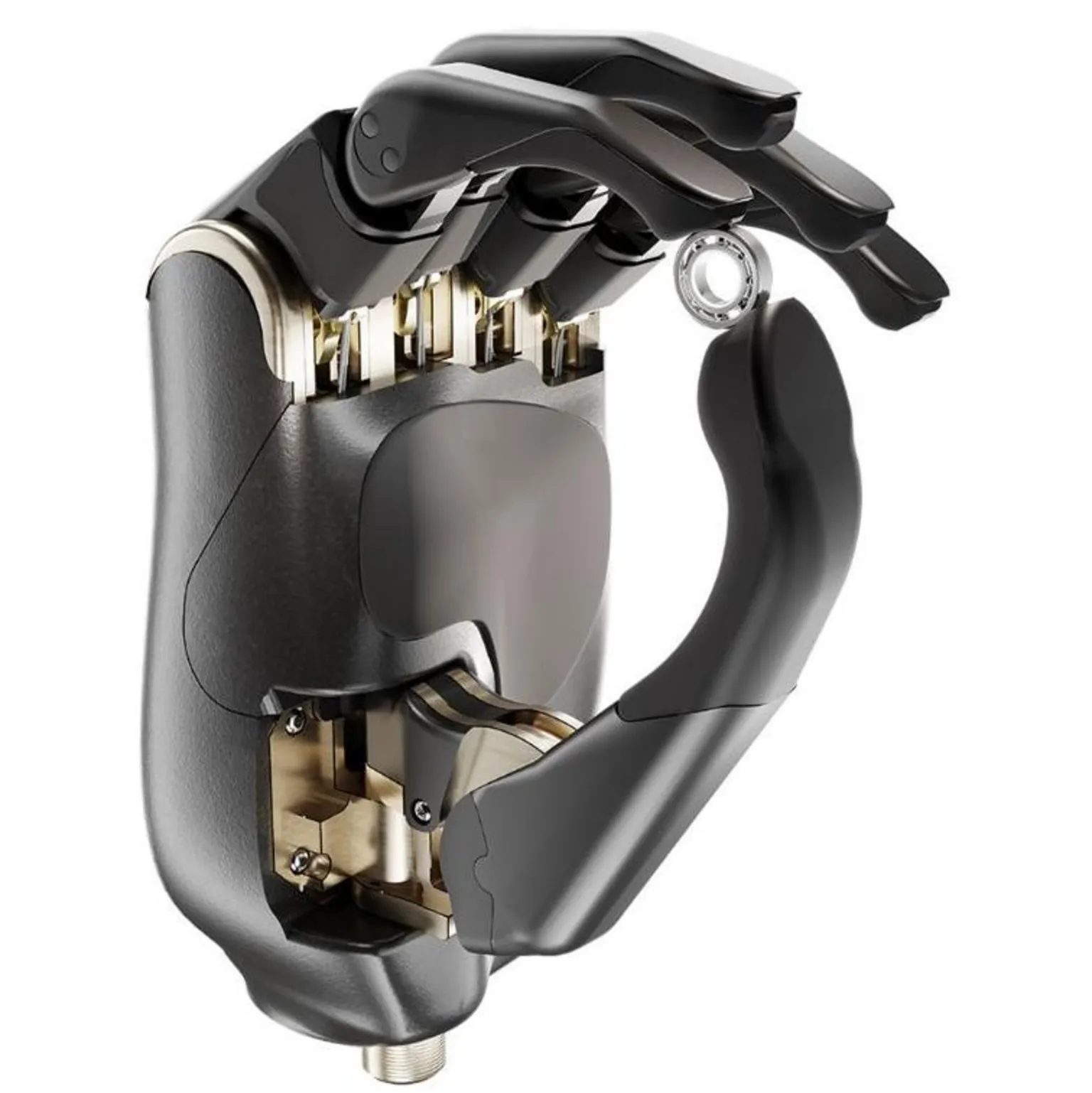
The GEM uses reactive body technology and functions through a cable system connected to a harness, activated by shoulder, arm, or elbow movements.
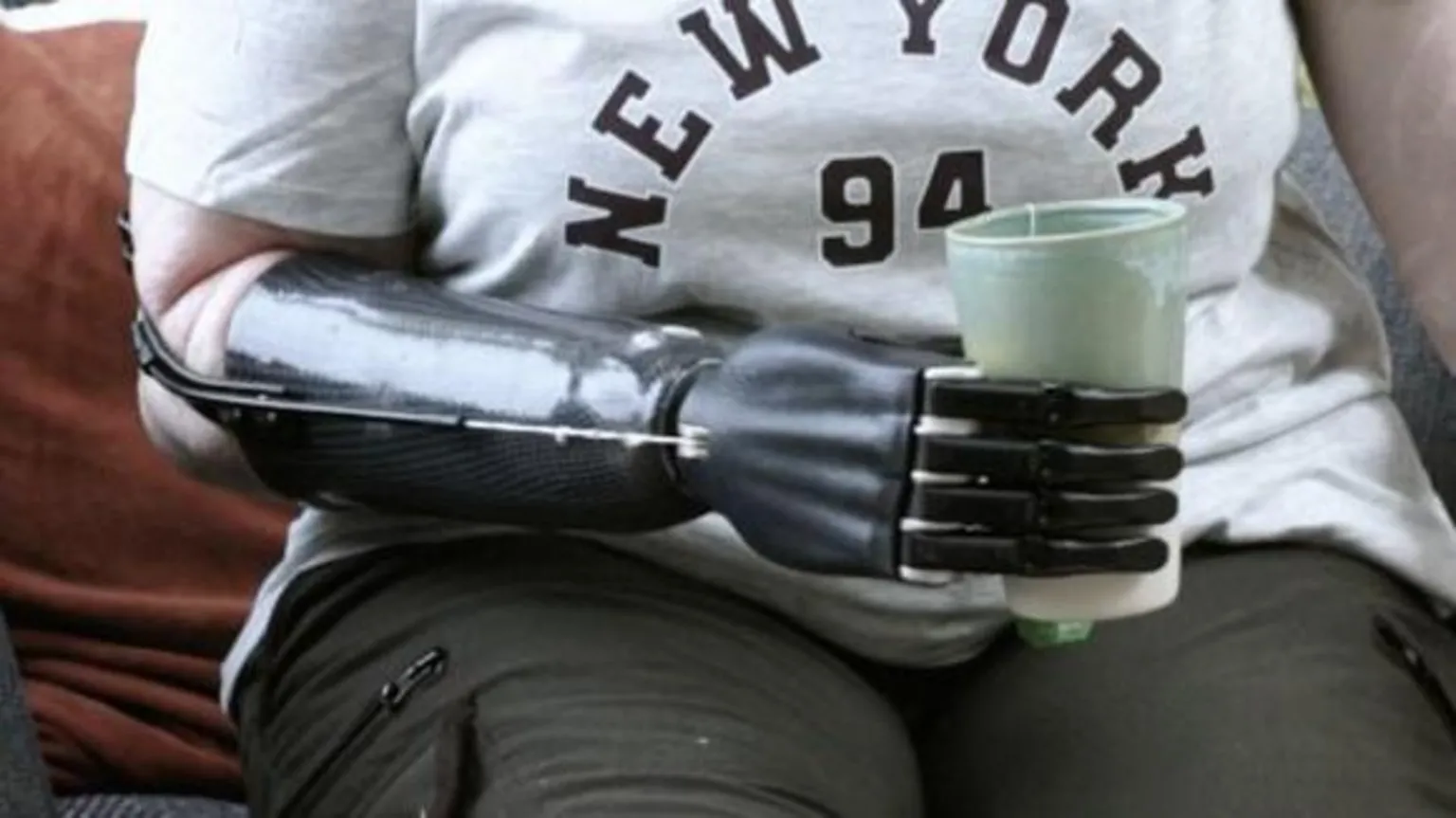
This design allows for individual finger motion, a variety of grips, and wrist positions, enabling users to perform everyday tasks such as cooking and cleaning.
Since its launch, nearly 40 individuals have received the GEM prosthetic, providing significant validation for the company.
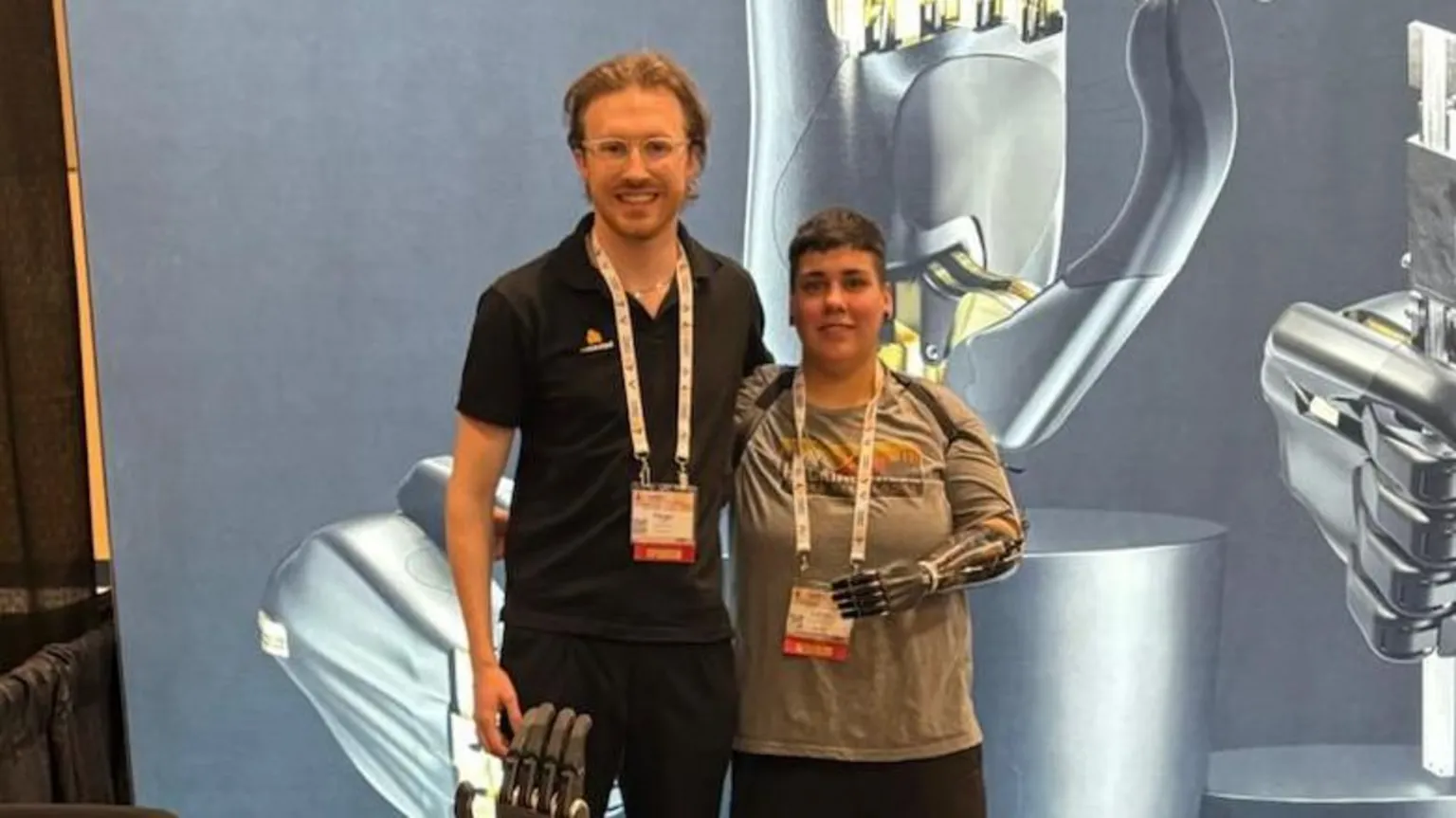
"It has given us massive validation,"
Mackie said.
Recognition and Future Aspirations
On the Forbes 30 under 30 Europe Science and Healthcare 2026 list, Mackie is featured alongside software developers, AI scientists, and founders of medical programs. He discovered his inclusion only after the list was published.
"I think it's a combination of having something out there that is helping people and building a company that is raising money and employing people in Scotland that helped me get on the list,"
he said.
Mackie has previously received recognition, including a national Young Innovator Award in 2023 and inclusion in the Sunday Times Young Power List 2024.
Metacarpal currently sells its prosthetics in the UK, US, and Canada.
Looking ahead, Mackie hopes to improve access to prosthetics in conflict zones where the need is often greatest.


