

Slug Research Aims to Protect Crops
More than 100 farms have contributed valuable data to assist in developing methods for mapping slug populations, potentially enabling arable farmers to better protect their crops from slug damage. This initiative is led by researchers at Harper Adams University in Shropshire, working alongside a group of farmers known as "slug sleuths."
Data gathered from 28 of these "slug sleuth" farmers has supported the university's efforts to create environmentally friendly slug control strategies through the use of "prediction maps." These maps are designed to forecast slug activity and distribution in arable fields, offering a more targeted approach to slug management.
This work is part of a broader three-year research programme valued at £2.6 million, funded by the Department for Environment, Food and Rural Affairs (Defra). The programme aims to reduce reliance on pesticides by enabling more precise slug control measures.

The predictive model is among several projects conducted under the "Strategies Leading to Improved Management and Enhanced Resilience to Slugs" (SLIMERS) initiative.
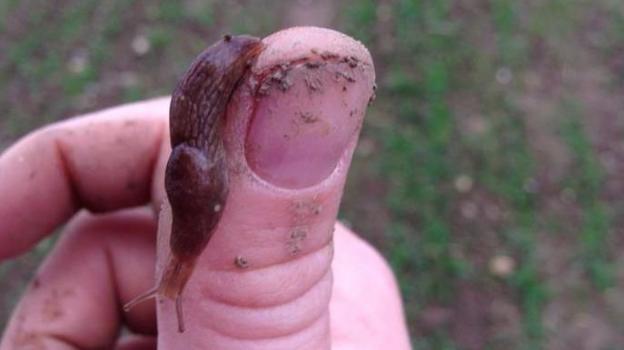
Insights into Slug Behavior and Soil Conditions
Professor Keith Walters of Harper Adams University highlighted findings from the research regarding slug behavior, particularly how slug clusters re-establish after soil experiences waterlogging.
"We have now confirmed that patches reform temporarily in places we wouldn't expect in normal conditions and then quickly return to their predicted areas once more typical soil conditions return," Walters explained.
"Despite low slug numbers over the testing period we have sufficient data to prove that the model works, and perhaps most importantly, that farmers are happy to use it and it fits in with modern commercial equipment."
Farmer Participation and Benefits
The scheme has engaged over 100 farms, including Charles Paynter, a wheat farmer based in Bedfordshire. Paynter expressed optimism about the benefits of the research for his farming practices.
"This means we will be able to use more targeted treatments which has the potential to be less damaging to biodiversity," Paynter said.
"My threshold for taking control measures is higher now because I have been able to prove to myself that I can evaluate the risks from slug activity with greater accuracy."
Community Engagement
BBC Shropshire encourages the public to suggest stories for coverage and follows the project developments through various social media platforms including , Facebook, X, and Instagram.
and Stories
- Hungry slugs returning after dry weather to munch on strawberries
- Tears and celebrations as river 'wiggle' restored


