

Personal Sacrifices for Weight-Loss Medication
When Ruth Gonzalez began taking the weight-loss drug Zepbound last year, she faced the challenge of affording its approximately $350 (£260) monthly cost. To manage expenses, Gonzalez altered her mobile phone plan, canceled all but one streaming subscription, reduced grocery spending, and stopped buying Starbucks coffee.
The 56-year-old, who is self-employed and pays out of pocket because her health insurance does not cover weight-loss medications, considers these financial sacrifices worthwhile. Her blood pressure, which had increased and prompted her to seek treatment, normalized within six weeks. Additionally, she has lost over 40lb (18kg), reducing her weight to 175lb (79kg), which she hopes will improve her conditions of sleep apnea and early-stage fatty liver disease.
Unexpectedly, some of her financial pressures have eased. In December, Eli Lilly, the manufacturer of Zepbound, reduced the price of its vials by $50-$100 (£37.50-£75), enabling her to switch to a more potent and costly dose. She is now considering new options, including a lower-cost weight-loss pill that the company plans to introduce in the near future.
"For someone on a fixed budget, it is absolutely helpful," she says.
The price reductions benefiting Gonzalez have drawn attention in the US, where prescription drug costs are infamously high.
Intense Competition in the US Weight-Loss Drug Market
These price cuts reflect fierce competition among weight-loss drug manufacturers in the US, as they aim to capitalize on a potentially lucrative market where approximately 40% of adults are obese.
Typically, such competitive dynamics occur behind closed doors, with manufacturers, insurers, employers, and other stakeholders negotiating coverage, rebates, and pricing before presenting costs to patients.
However, many private and government insurers have resisted covering weight-loss drugs, known as GLP-1s, solely for weight management due to the potential high costs.
This has resulted in millions of Americans, like Gonzalez, paying for these medications themselves, prompting pharmaceutical companies to compete for customers similarly to retail businesses.
Manufacturers have launched direct-to-consumer sales websites, established distribution agreements with major retailers such as Walmart and Costco, and engaged in legal battles against off-label competitors.
Most notably, companies have significantly lowered prices. For example, a starting dose of Wegovy is now available to self-paying patients for $149 per month, down from over $1,600 per month at its US launch in 2021. Similarly, Eli Lilly's Zepbound vials now start at $299 per month, reduced from more than $1,000 when introduced in 2023.
Although prices remain higher than in many other countries, they are expected to decline further as patents expire and new, more affordable options, including pills, enter the market.

Impact of Direct-to-Consumer Sales on Drug Pricing
The price reductions have sparked interest in whether the direct-to-consumer sales model could help reduce the US's high drug costs by increasing pricing transparency and reducing the influence of pharmacy benefit managers (PBMs), who negotiate drug prices between manufacturers and insurers.
"What it does is highlight some of the lack of transparency," says economist Alison Sexton Ward, a senior scholar at USC. "So... it is pushing this idea of direct-to-consumer."
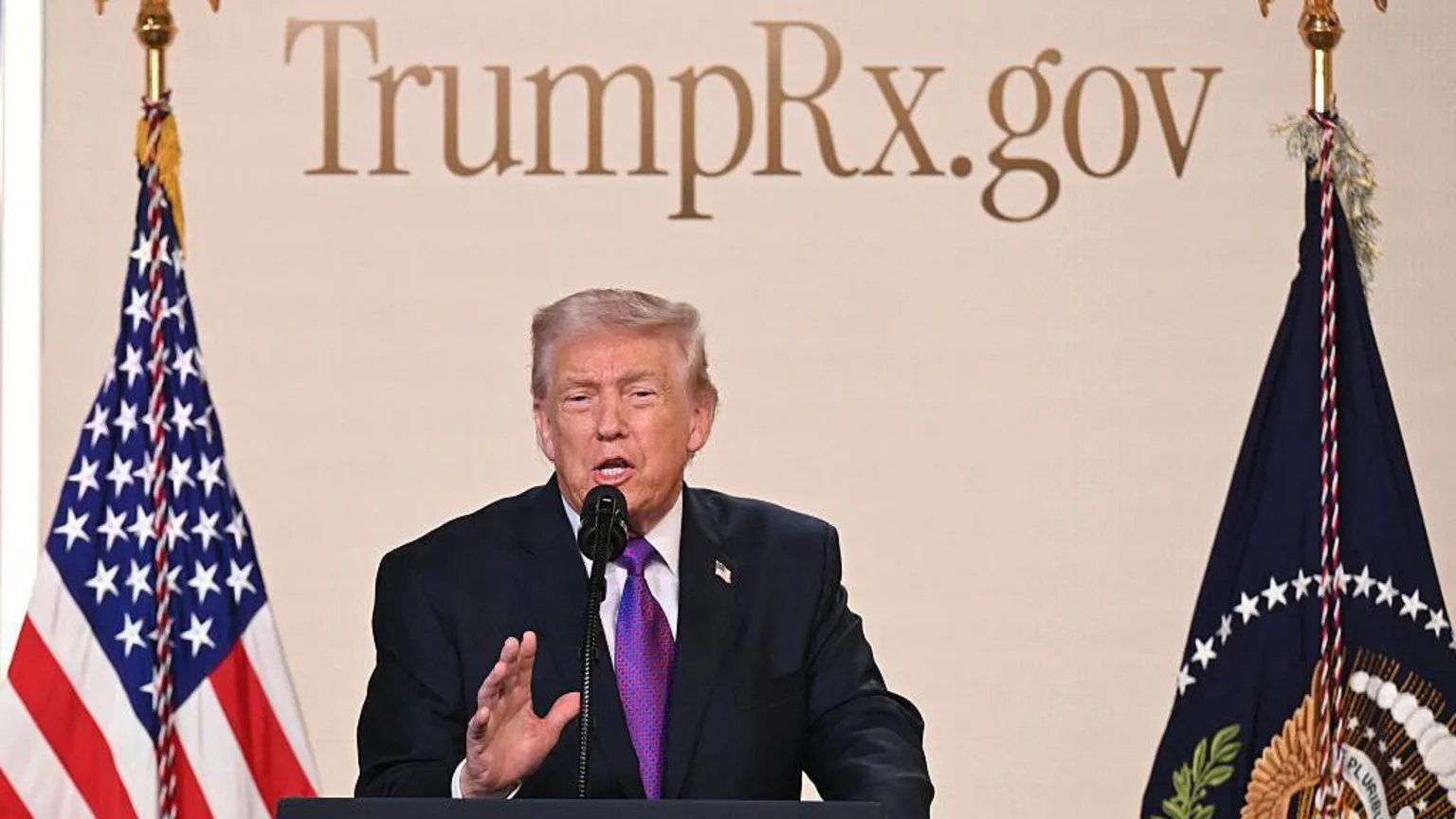
Former President Trump is among the most prominent policymakers supporting this approach. In February, the White House launched a new website, TrumpRx, which connects customers directly with drug manufacturers for a select group of medications.
Pharmaceutical companies, which have long criticized PBMs for increasing drug prices in the US, have expressed interest in expanding direct-to-consumer sales to other drug categories.
However, it remains uncertain whether the competitive forces lowering prices for GLP-1s will apply to other medications, where demand is more limited and fewer companies compete.
In the weight-loss drug sector, manufacturers also face challenges from an off-label market in the US that emerged legally due to drug shortages and has been difficult to control.
Experts note that for most patients, using health insurance to pay for medications remains financially preferable to purchasing drugs directly.
"Hopefully this will drive additional consumer awareness of the drivers of the high costs of medication," said Michael Murphy, a professor of clinical pharmacy at Ohio State University. But he added: "We need to see further, more fundamental solutions be employed to actually bring down costs overall to the system."
Access Challenges Despite Price Cuts
Despite price reductions, weight-loss drugs remain unaffordable for many individuals.
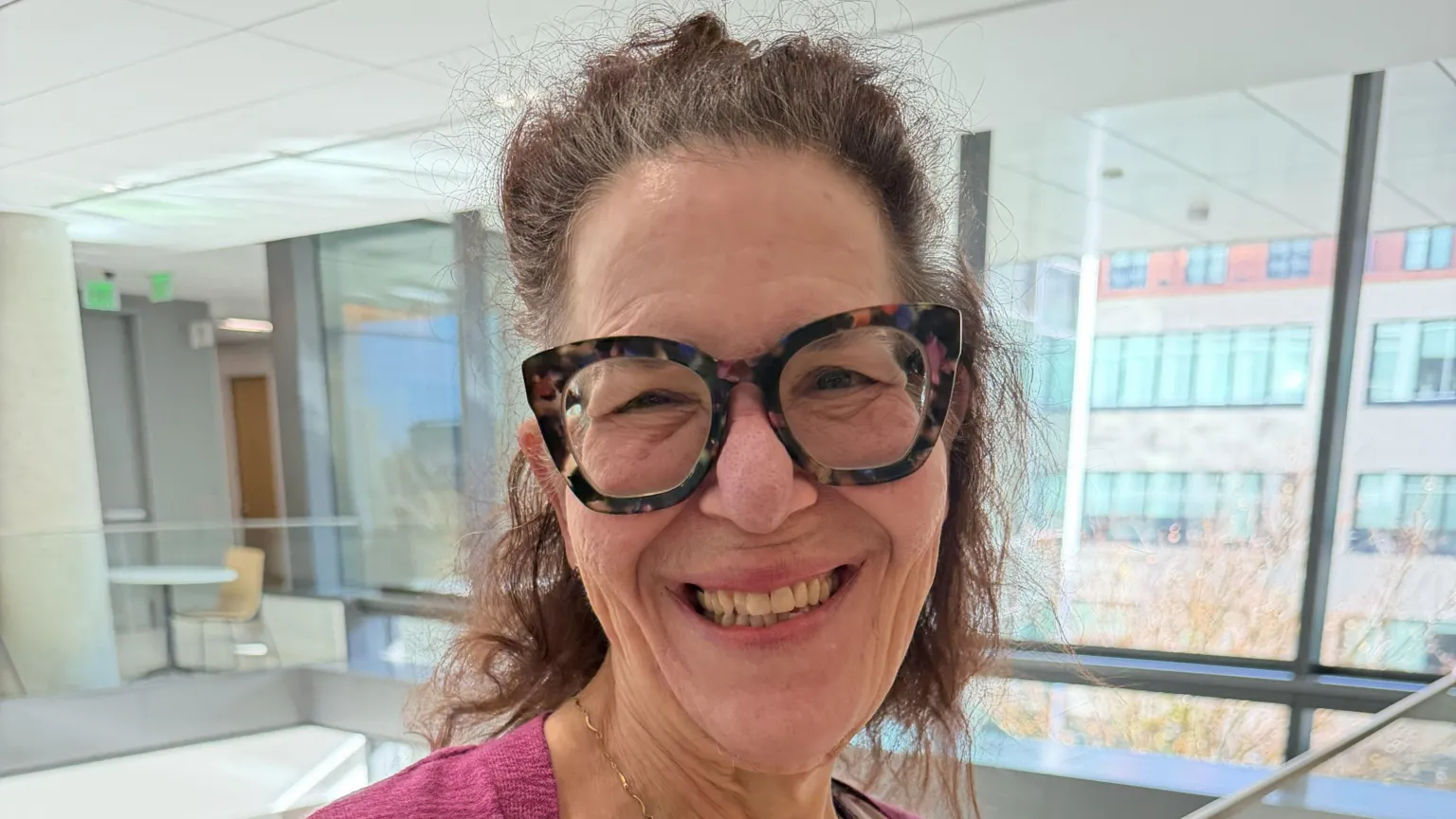
Shekinah Samayah-Thomas has been rationing her remaining supply of Wegovy since January, when California's Medicaid program ceased coverage for the drug's use in weight loss.
The 62-year-old, who underwent bariatric surgery in 2017 after reaching over 330lb (150kg), says the medication has been essential in maintaining her weight loss, which had begun to reverse post-surgery.
Her requests for insurance coverage have been denied despite a diagnosis of sleep apnea. Now, with both her and her husband unemployed, she finds it difficult to afford even the $25 monthly cost she previously paid by combining insurance coverage through her husband's former employer with a manufacturer's coupon.
Advocacy for Expanded Insurance Coverage
Health advocates continue to push insurers to broaden coverage, arguing that relying on free-market competition is not the most effective way to ensure access to medications for those in need, but rather favors those who can afford to pay.
From this viewpoint, the Trump administration's decision to have Medicare begin covering these drugs on a trial basis starting in July could have significant implications, potentially encouraging private insurers to follow.
"Direct-to-consumer options today are serving as a short-term solution," says Tracy Zvenyach, vice president for advocacy and research at the Obesity Action Coalition. "But I do not want them to deter from the overall goals of general, standard coverage of treatments for obesity."


