

Tomos Sleep's Journey with Severe ME
Tomos Sleep, 28, from Swansea, was once a fit and musical young man who enjoyed life and was studying at university. However, after being diagnosed with severe ME in 2023, he has not left his bed for nearly three years.
He is among thousands, according to campaigners, who remain "invisible"—with healthcare described as a "wasteland" for patients facing the most severe symptoms.
A Welsh Government spokesperson stated that proposals for a Wales-wide specialist, expert group, and national standards are under consideration.
ME Condition: 'Mourning the Life I've Lost'
Myfanwy Sleep described her son as appearing "paralysed" at his worst.
The onset began in 2019 with dizziness, and the family remains uncertain of the cause.
"He looked very pale," said Myfanwy. "He was struggling to process information and remember things."
"Unfortunately, things worsened over time."
Over four years, they consulted several specialists, and Tomos was eventually diagnosed with severe ME.
Current Condition and Challenges
In 2023, Tomos began experiencing significant difficulties walking and has been confined to his bed since.
"At present, he has no energy to speak much," Myfanwy said.
"If he needs anything, he stares at a glass of water or looks out the window to see if it is slightly open."
"He experiences what is called post-exertional malaise; after doing something, he suffers extreme fatigue."
"He cannot move his arms or legs, open his eyes, chew food, or speak."
Attempts to bring in various helpers have unfortunately not been successful and have worsened Tomos's condition.
What is ME?
ME, also known as chronic fatigue syndrome, is a complex, chronic condition.
The slightest physical or mental exertion can trigger post-exertional malaise, which can incapacitate a person completely.
Symptoms vary widely among individuals, with severity ranging from mild to very severe.
While research continues to identify causes, infections or other illnesses may underlie the condition in some cases.

'I'm Not the Same Person'
Fflur Evans, 39, a mother of two from Bala, was diagnosed with ME in March 2024.
She had to leave her teaching job as the condition "wore her down."
"I'm not the same person," she said. "It has confined me to this small bubble in the house."
"It can take hours to get out of bed."
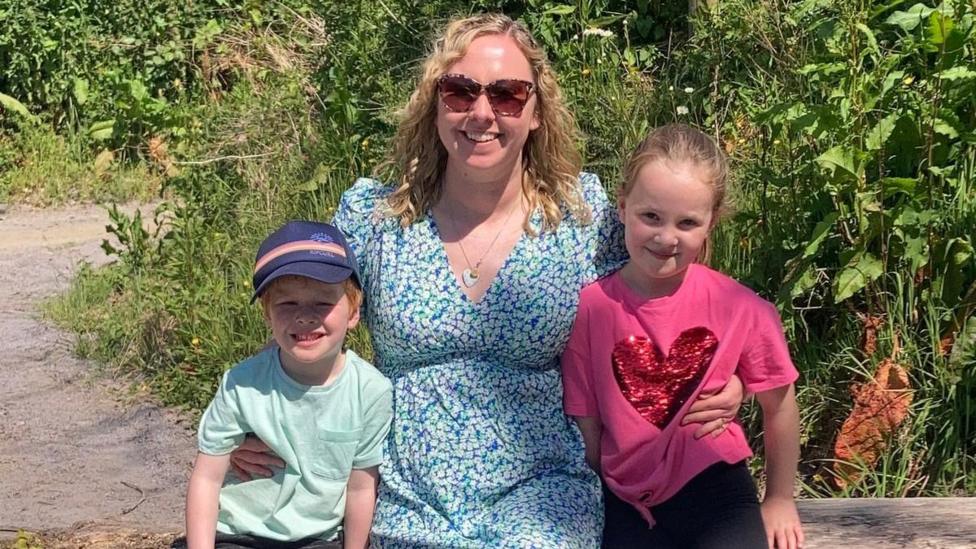
"My body feels so heavy. It feels like there's a mattress on my head and an elephant on top of that. Sometimes, I can't open my eyes."
"At first, I thought ME was just tiredness. It is so much, much more severe."
"I don't know what will happen. I could become more severe and be completely bedbound. That scares me."
'Like a Grieving Process'
Alwen Davies from Denbighshire described receiving an ME diagnosis in 2023 as a "grieving process."
"It sounds dramatic to say, but ME changes a person's life," she said.
"It affects mental health terribly."
She manages her energy levels through planning and rest—a technique called pacing—to reduce the risk of post-exertional malaise.
However, she highlights a shortage of specialists and a lack of understanding among doctors as ongoing problems.
Advocacy and Care Challenges
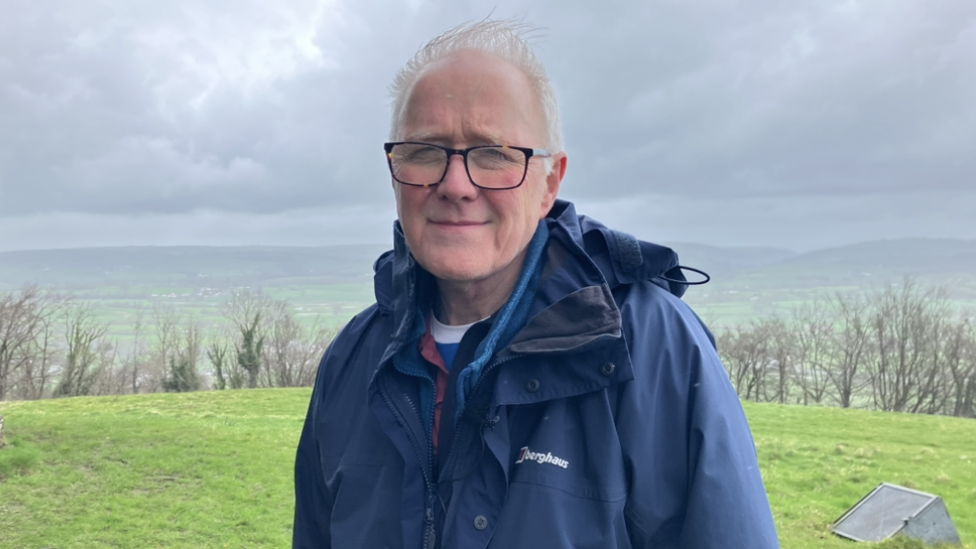
Rob Messenger from Carmarthenshire cares full-time for his son Cerith, who lives with severe ME, alongside his wife. He also campaigns on behalf of other patients in Wales, calling for improved services.
"For people with severe and very severe ME, it's worse than a postcode lottery; it's more like a wasteland," he said.
"That's why we call on the Welsh Government to establish a specialist group including healthcare workers, patients, and carers to create a Wales ME strategy, appoint a clinical lead, and invest in research."
Available Support for ME Patients
One example of expanded services for ME patients recently funded by the Welsh Government is the Living Well scheme in the north.
Nesta McCluskey, director of allied health professions at Betsi Cadwaladr University Health Board, explained that it provides "individualised care" regardless of severity.
"For those with severe or very severe ME, we can offer support at home, work with their families or carers, and create a personalised plan," she said.
Professor David Price from Cardiff University emphasized the urgent need for funding for ME research.
A Welsh Government spokesperson acknowledged "the need to do more," especially for those with more severe illness.
"Wales is the first nation in the UK to extend Long Covid services to people with other long-term conditions linked to infections," the spokesperson added.
"Proposals for a Wales-wide specialist, expert group, and national standards are currently under consideration."
Follow Cymru Fyw on Facebook, X, Instagram, or TikTok.
Send story ideas to cymrufyw@bbc.co.uk or contact via WhatsApp at 07709850033.
for the latest Wales news on your mobile device.


