

Teens Experience a Week Without Social Media
Seven teenagers from Bristol who abstained from social media for a week reported feeling "bored" but also noted improvements such as better sleep, increased family time, and enhanced focus at school.
The group, consisting of 14 and 15-year-olds all in Year 10 at King's Oak Academy, typically spend up to seven hours daily on platforms like TikTok, Instagram, and Snapchat.
They shared their experiences with the BBC amid government discussions about imposing stricter regulations on social media use for under-16s, including possible bans, curfews, and time restrictions.
Teachers observed a noticeable effect from the experiment, with students appearing "happier, more relaxed," and indicated that these insights are influencing the school's future mobile phone policies.
Liv, Elizabeth, Jai, Joel, Ella, Issy, and Joshua all agreed to refrain from their preferred social media platforms for seven days.
When asked to summarize their experience, the word "boring" was frequently mentioned.
"There's not really been much for me to do," said Liv.
"I scroll on TikTok a lot - I feel like that's what I do," Elizabeth agreed.
"I just haven't found anything as interesting because when you go on your phone it shows you stuff it thinks you would like," added Joshua.
Several teenagers admitted to opening social media apps unintentionally during the experiment, describing the action as automatic.
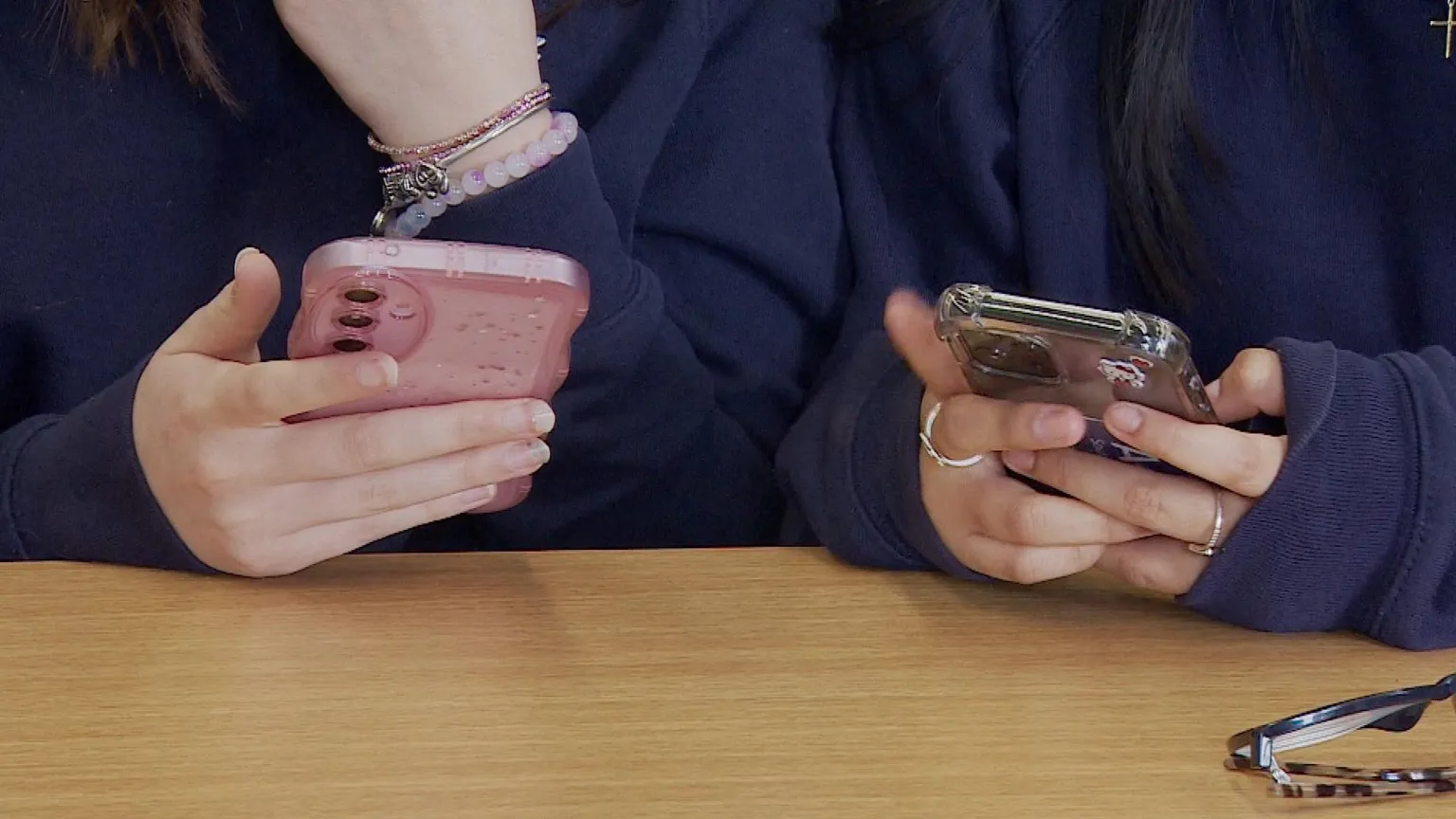
Besides boredom, some participants felt disconnected from current events during the week without social media.

"Social media is where we get all our news so I didn't know about stuff that was happening," explained Liv.
"Sixteen-year-olds can vote soon, how are we going to know everything? A lot of stuff is biased, and our family will be biased - how do we get all the information ourselves if we didn't have social media?"
With the time usually spent scrolling on phones freed up, many turned to family activities, television, reading, and walking.
"I spent more time with my little brother, and ," said Issy.
"I've spoken to my mum more," said Joel.
Elizabeth shared a similar experience: "I just speak more to my family I guess, 'cause I'm usually always in my room."
"I just went downstairs and watched TV, or went out and just walked," said Jai.
"I've been watching movies instead and going on walks," Ella said.
Benefits: Better Sleep and Increased Focus
Despite the initial difficulty adjusting, several teenagers identified clear advantages from stepping away from social media.
"I got better sleep," explained Joel.
"I actually fall asleep with my phone on, and it always plays in the background and then wakes me up in the middle of the night. I have to turn it off and then go back to sleep, and now I haven't had that," he said.
Issy said the break helped her reconnect with her grandmother.
"Me and my Nan bond over true crime, so I've been reading some of the books that she's lent me that I've kept putting off, watching videos."
Liv noted that not being on social media gave her more time to focus on her studies.
"I've been really working on my music, and locking-in on my homework," she said.
The Bristol experiment coincides with the UK government's trial of digital curfews, app time limits, and potential social media bans in the homes of hundreds of teenagers.
This initiative runs alongside a government consultation considering whether the UK should adopt measures similar to Australia, making it illegal for under-16s to access many social media platforms.
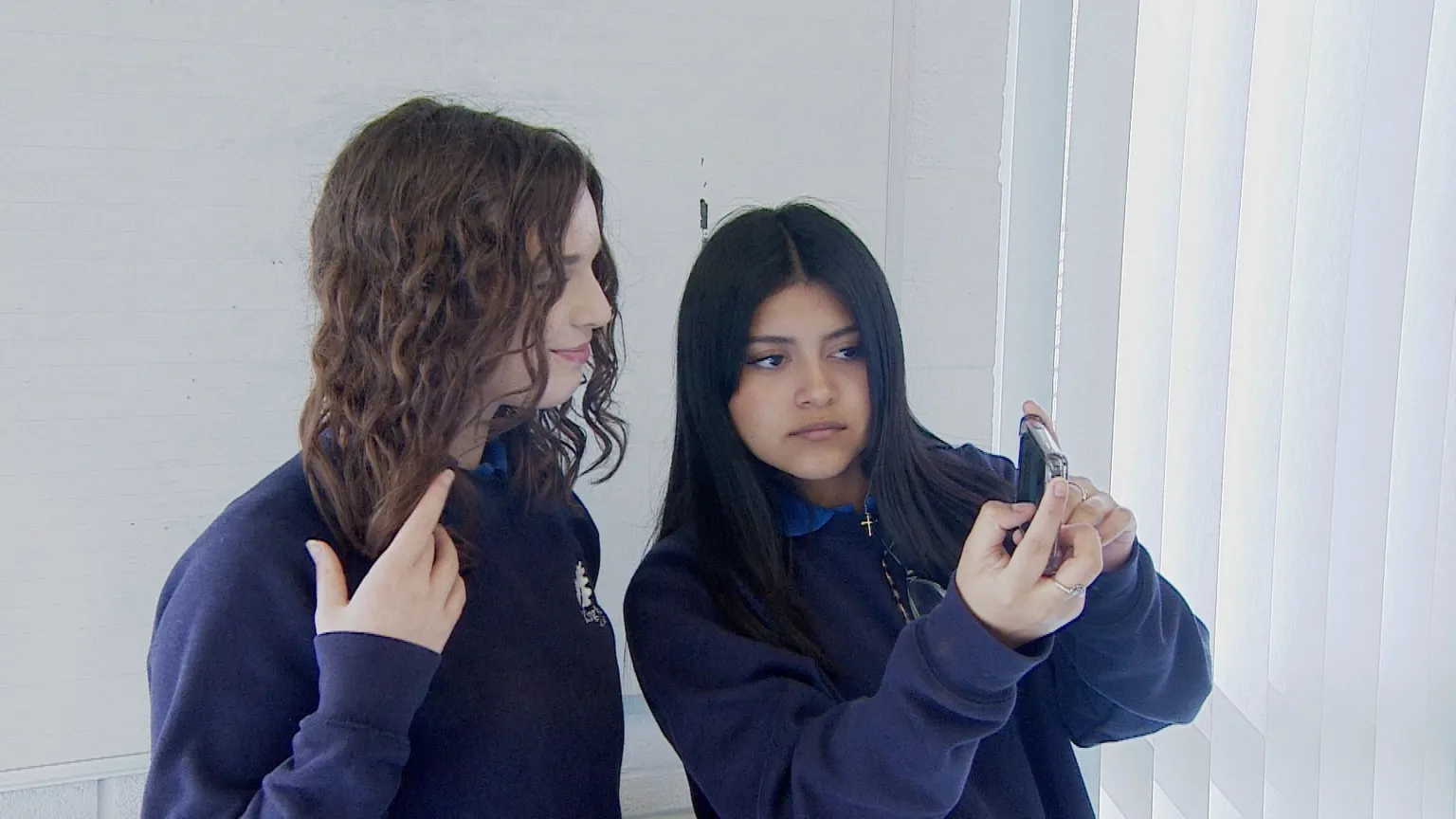
Having completed their own seven-day trial, the students at King's Oak Academy expressed reservations about such a ban.
"I'm not doing that. People don't want teenagers outside all the time, but that's what they're gonna do if you take away social media," Liv said.
"It brings people closer together," added Issy.
"Communities and people can bond over stuff. In moderation, social media can be like a really good thing."
Teachers at King's Oak Academy reported a distinct change during the week-long experiment.
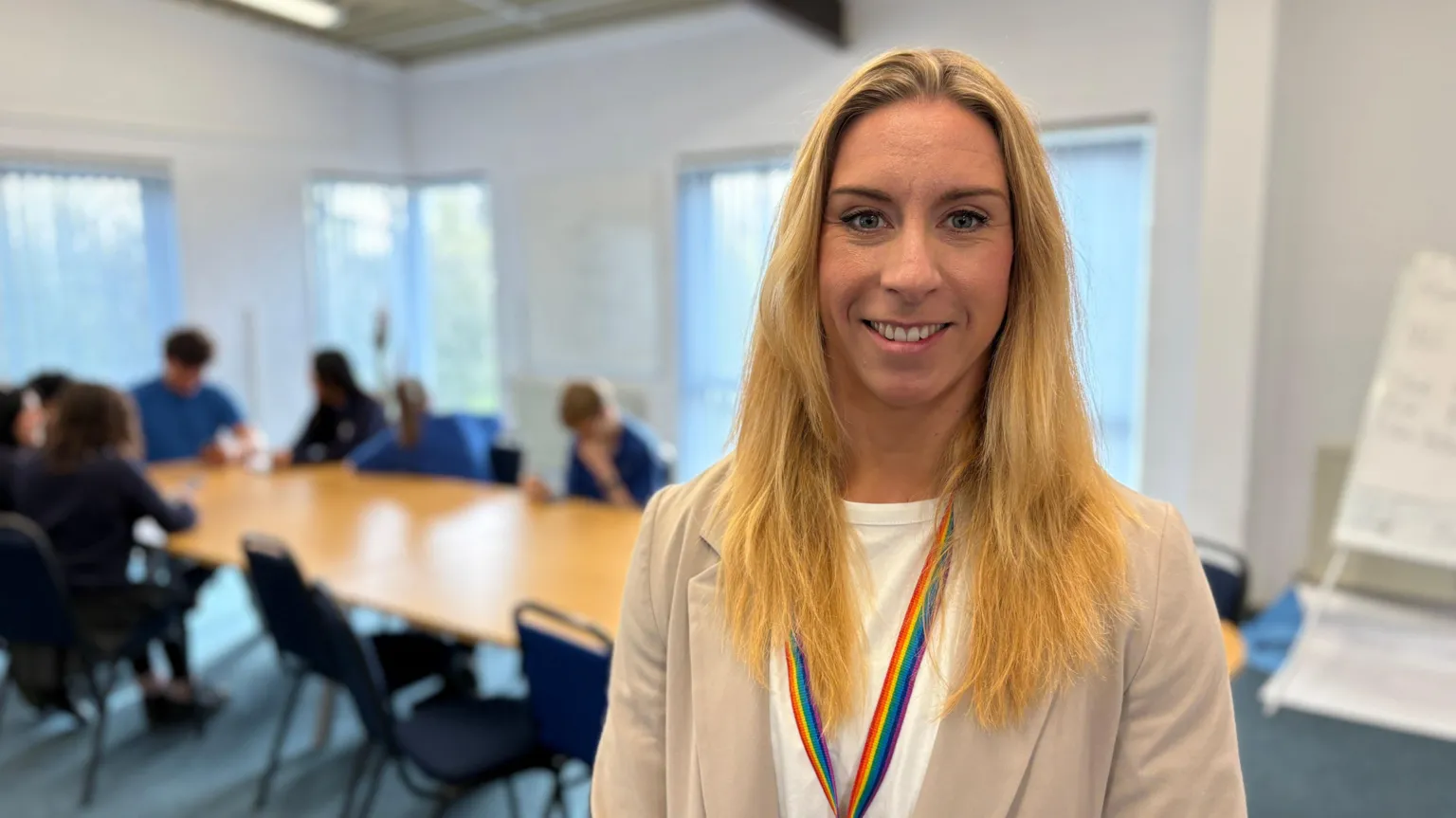
"Children just looked happier, more relaxed during the course of the week," explained Senior Principal Katherine Ogden.
"They've been socialising with their friends, and being in lessons learning and focusing. All of that has been a positive impact."
She noted that the school is now using the experience to reassess its mobile phone policies.
"We know there are addictive properties to some social media apps, so we are challenging ourselves to find the right balance, so children can access learning, enjoy their time in school, and manage their social media use."
Follow BBC Bristol on Facebook, X and Instagram. Send your story ideas to us via email or WhatsApp on 0800 313 4630.


