

Six-Year-Old Ebola Patient Located After Hospital Abduction
A six-year-old Ebola patient, who was taken from a hospital in eastern DR Congo by armed men, has been found and is reported to be "doing well," according to a local health official speaking to the BBC.
On Wednesday, Dr Lubambo Maboko Gaston stated that the girl and her mother had been forcibly removed two days earlier by "very angry" men from a hospital in the city of Butembo.
It remains unclear whether the men had any prior connection to the child, but widespread suspicion and fear surrounding Ebola treatment centres have been prevalent during the current outbreak.
By Friday, Dr Gaston confirmed that the child and her mother had arrived at an Ebola treatment centre approximately 18km (11 miles) from Butembo.
"Her condition is currently considered stable," Dr Gaston said regarding the child.
Attacks on Ebola Treatment Centres Amid Ongoing Outbreak
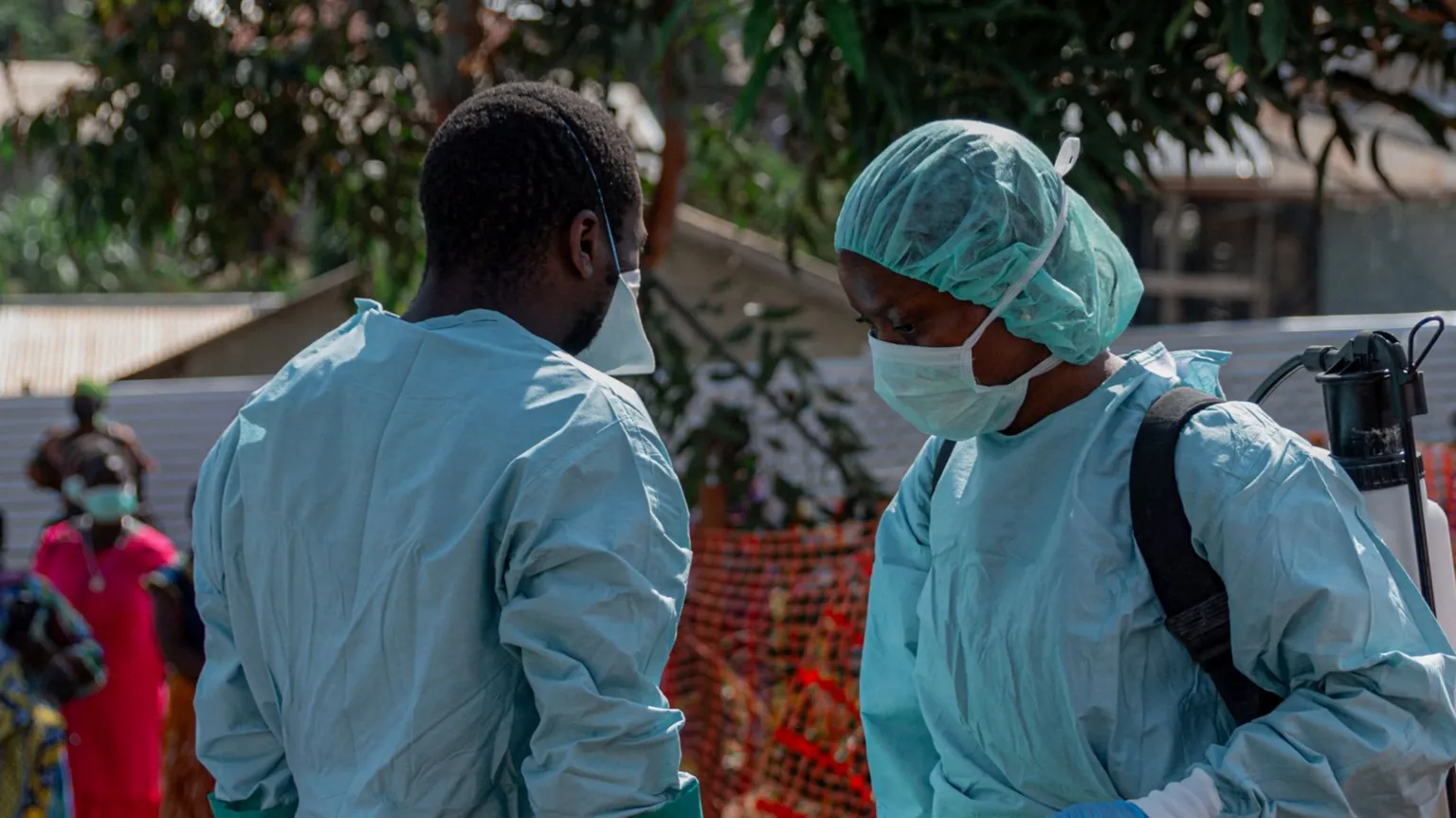
Ebola treatment facilities have been targeted multiple times during the ongoing outbreak, which has resulted in over 230 deaths and 890 confirmed cases.
Last month, police in Mongbwalu fired shots into the air after angry crowds attempted to reclaim the bodies of relatives who had died at a health facility.
Days earlier, crowds set fire to isolation tents at a hospital in Rwampara, a town 85km (53 miles) southeast of Mongbwalu, after being prevented from taking the body of a man suspected to have died from Ebola.
The bodies of Ebola victims are highly infectious and can contribute to further virus transmission during burial preparations. Ensuring safe burials is a critical concern for health officials combating the outbreak.
"People are not properly informed or sensitised about what is happening. For a certain segment of the population, especially in remote areas, Ebola is an invention by outsiders - it does not exist," local politician Luc Malembe told the BBC last month.
"They believe it is the NGOs and hospitals creating this to make money, and this is tragic."
Details of the Current Ebola Outbreak
The Ebola outbreak in eastern DR Congo was officially declared on 15 May, although transmission had been occurring undetected for some time prior.

The recent surge in cases is attributed to a rare Ebola species known as Bundibugyo. Currently, no vaccine exists for this strain, and the World Health Organization (WHO) has indicated it may take months before a vaccine becomes available.
The outbreak has the potential to become one of the largest ever recorded, according to the head of Africa's Centres for Disease Control and Prevention (Africa CDC), echoing a similar forecast from the US CDC earlier this month.
Uganda, which shares a border with DR Congo, has reported 19 confirmed cases of Ebola, including two deaths. However, the WHO has stated that Uganda has not reported any new cases since 5 June.
In DR Congo, the health ministry has enhanced surveillance systems, contact tracing, and treatment infrastructure, establishing dedicated centres in several affected towns.
The WHO has committed $3.9 million (£2.9 million) to support outbreak response efforts, while Africa CDC has announced a $319 million budget.
Cases are currently concentrated in the provinces of Ituri, South Kivu, and North Kivu, where the six-year-old girl was taken from the hospital on Monday.
Ituri remains the primary centre of transmission, accounting for over 90% of confirmed infections.
The WHO has warned that ongoing conflict in eastern DR Congo complicates efforts to control the Ebola outbreak. The M23 rebel group controls large areas of both North and South Kivu.

For more news from the African continent, visit BBCAfrica.com.
on Twitter @BBCAfrica, on Facebook at BBC Africa, or on Instagram at bbcafrica.


