Introduction to Dr Christina Mackaill's Dual Role
Dr Christina Mackaill, a Glasgow-based Accident and Emergency (A&E) doctor, is also a specialist in space medicine. Her expertise is crucial given the absence of hospitals, ambulances, and often doctors in space. She collaborates with NASA to ensure astronauts' medical safety during missions and upon their return to Earth.
In addition to her clinical work, Dr Mackaill educates emergency departments worldwide about the significant effects space travel has on astronauts' bodies, particularly concerning the immune and cardiovascular systems.
"Aviation and space medicine is a growing speciality and it is going to become bigger and bigger as more people go into space," Mackaill says.
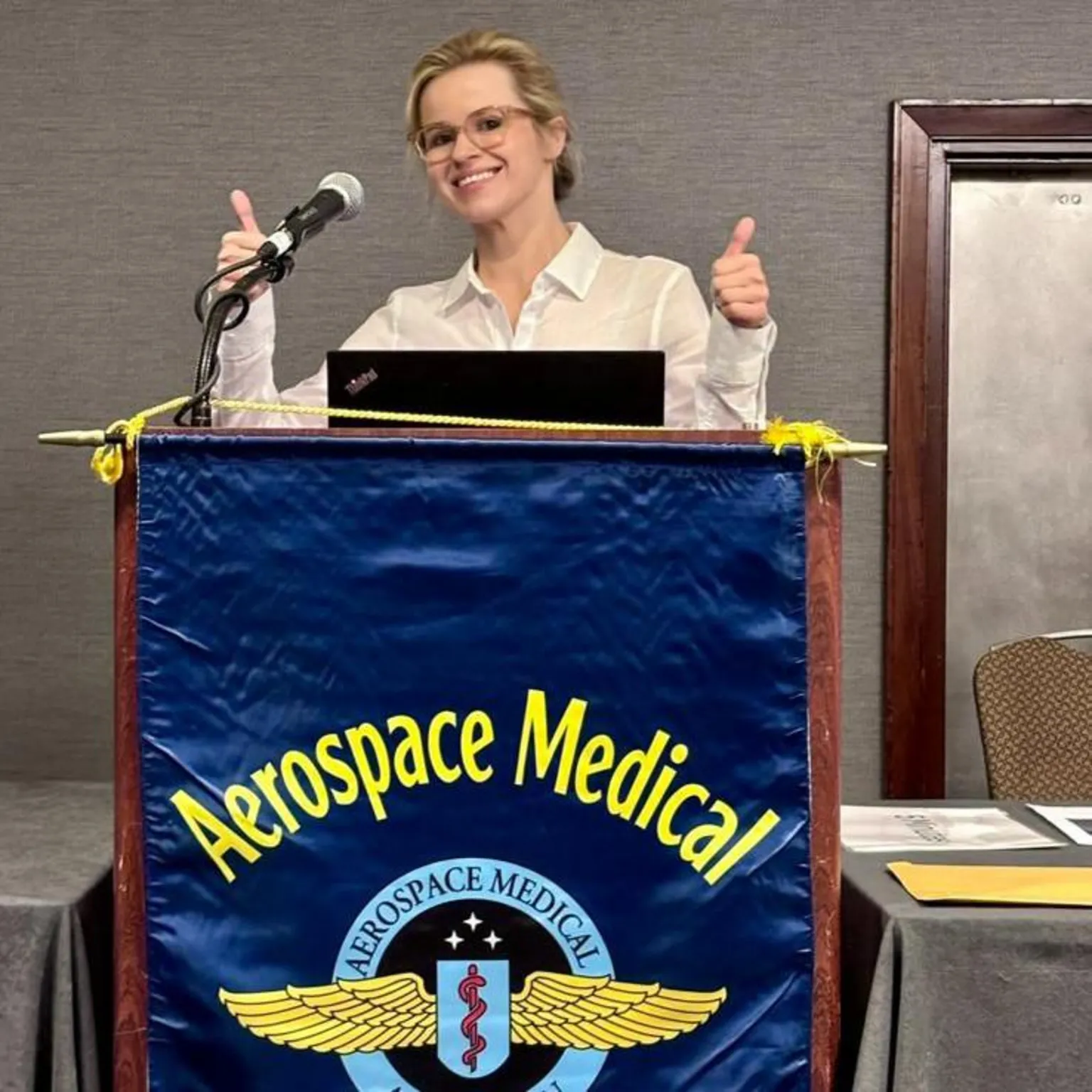
Early Interest and Contributions to Space Medicine
Dr Mackaill, originally from Edinburgh, developed an interest in space medicine during her university studies. In 2016, she founded Scotland's first space medicine society, marking a significant step in promoting this emerging field.
Her initial project involved collaborating with Dr Thais Russomano, a physician and space expert based in Brazil, to devise a gravity-adapted method for performing Cardiopulmonary Resuscitation (CPR) in space environments.
While CPR techniques had been studied extensively in microgravity conditions such as those aboard the International Space Station (ISS), there was limited research on performing CPR on celestial bodies with lower gravity, like the Moon.
Together, they developed the Mackaill-Russomano method, which instructs astronauts on how to effectively perform CPR on the Moon and Mars, where gravity is significantly weaker than on Earth. This technique enhances the rescuer's stability and positioning by allowing bent arms and compensating for reduced body weight in low gravity environments.
Dr Mackaill has presented this innovative method to both NASA and the European Space Agency.
"It is important for astronauts to be taught life-saving skills such as CPR before space missions," she emphasizes.
Challenges of Medical Care in Deep Space Missions
Dr Mackaill explains that for shorter missions or those aboard the ISS, medical evacuation might be feasible in emergencies. However, as missions extend to the Moon and Mars, evacuation is not an option, necessitating astronauts to possess broader medical and surgical skills.
She highlights the physiological changes the human body undergoes in reduced gravity environments.
"Depending on how long you are in space, there are a lot of different changes that happen to the body," she told BBC Scotland News.
"Fluid from the lower body can shift upwards during missions because there is no gravity, and muscle mass and bone density can decrease as they are not weight bearing.

If astronauts are up in space for a couple of months, the fluid shifts can even put pressure on the back of the eyes and cause visual changes."
Developing Medical Guidelines for Returning Astronauts
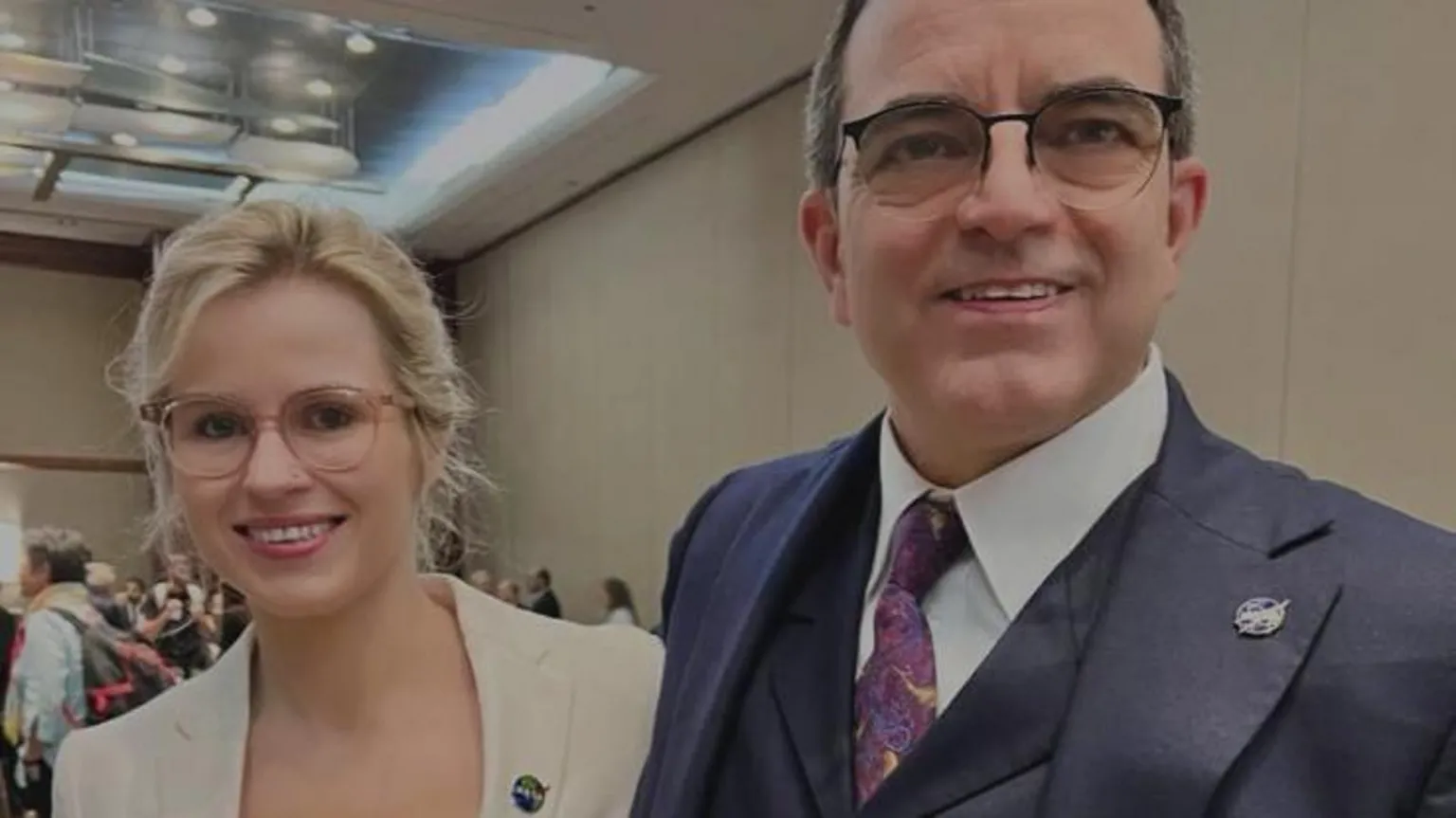
Currently, Dr Mackaill is collaborating with NASA's chief health and medical officer, Dr James Polk, to create guidelines for healthcare professionals on treating astronauts who have experienced physiological changes or trauma after space missions.
She notes that astronauts lose approximately 15% of their circulating plasma volume during spaceflight, which can result in lowered blood pressure upon return, requiring fluid replacement.
"If they had trauma coming back and came into hospital, the astronauts could require blood products quicker or be at an increased risk of fractures," she explains.
Risks of Radiation and Immune System Effects
With missions like Artemis II and future deep space explorations, the risk of radiation exposure and solar flares increases. Dr Mackaill points out that such exposure can compromise astronauts' immune systems.
"Astronauts' immune systems could be affected from the radiation, which can lead to viruses, such as glandular fever, when they come back," Mackaill says.
"It's important to know about the physiological changes because doctors could do harm if they are not aware of how astronauts physiology changes in space with the amount of fluid in their body, their immune system or their risk of fracture."
Implications for Commercial Spaceflight
As commercial space travel becomes more accessible, Dr Mackaill foresees her research gaining increased importance. Unlike astronauts, who undergo rigorous medical screening, commercial passengers may face higher medical risks due to less stringent evaluations.
"Astronauts are screened very meticulously before going to space but with commercial flights, these people are paying to go so the medical screening will likely be much less," she says.
"It is a lot about preventive medicine just now because there are limited medical supplies in space but with commercial flights, there could be a higher medical risk."
Personal Reflections and Aspirations
After nearly a decade of research in space medicine and witnessing the recent Artemis II mission's return from lunar orbit, Dr Mackaill expresses a personal desire to travel to space.
"Watching the Artemis crew, who have been to space several times, and seeing how overwhelmed they are at the images of the Earth and the moon, it's unbelievable.
I don't think I would be keen on going to Mars but the moon, definitely, I think it would be so cool."