

Research aims to reduce cervical screening barriers for autistic women
Dr Aimee Grant hopes her research will identify ways to reduce obstacles autistic women face in accessing cervical screening.
Many autistic women report that smear tests can cause distress, pain, and feelings of being dismissed, leading some to avoid the procedure due to anxiety.
Funded by Cancer Research Wales, the study will evaluate how to remove barriers to cervical screening for autistic women.
Dr Grant, an associate professor in public health at Swansea University and autistic herself, noted that evidence suggests fewer autistic women undergo smear tests or receive the HPV vaccine.
"Sometimes autistic people can find it hard to explain what's wrong and our pain responses might look muted, so they might then get missed by health professionals,"
"All of this leads to really bad health outcomes."
Smear tests, or cervical screening, assess cervical health and help prevent cervical cancer, although they do not test for cancer directly.
Women aged 25 to 64 are invited for smears every five years. For most, the procedure is not painful but may cause discomfort.
However, some individuals experience pain, especially those with vaginal dryness or conditions such as endometriosis.
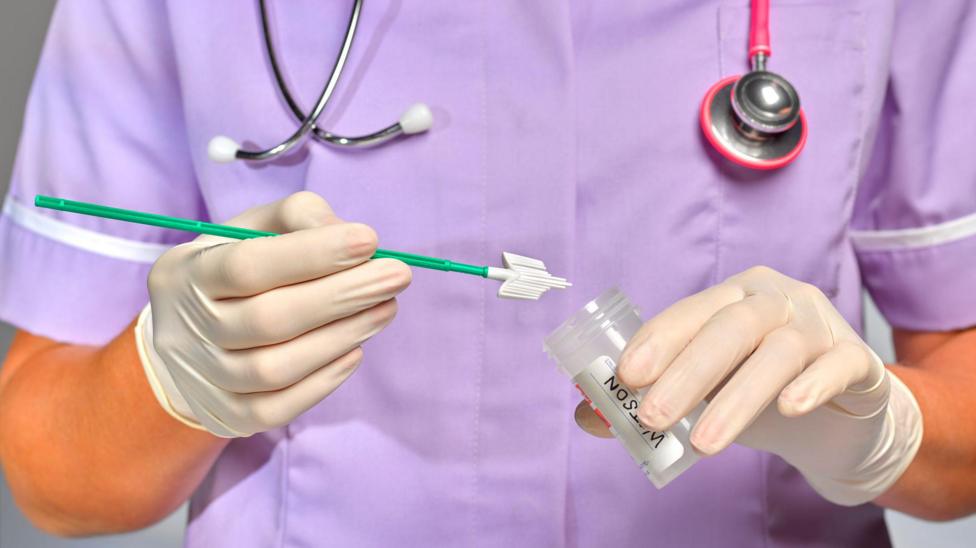
During a smear test, a soft brush collects cells from the cervix.
Personal experiences highlight challenges
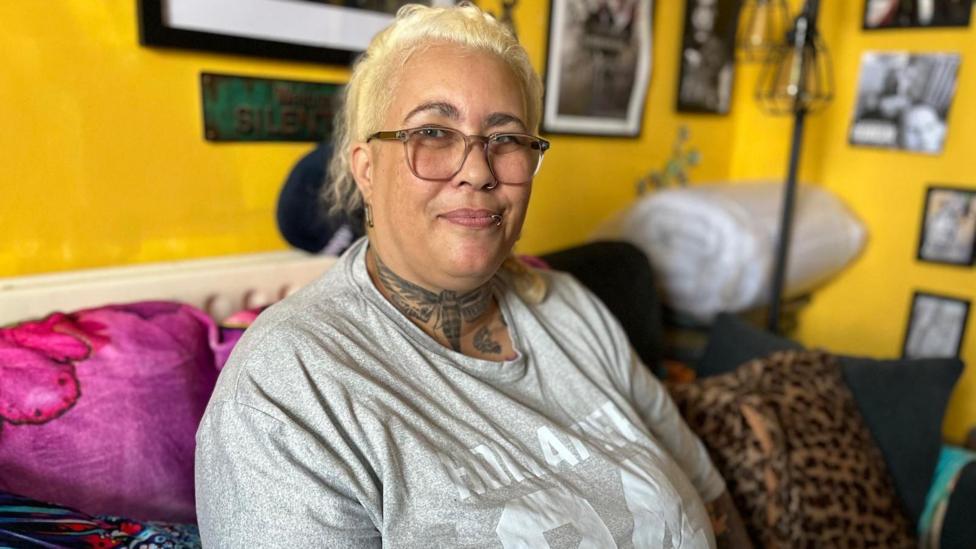
Willow Holloway, 57, from north Wales, who is autistic, shared that poor past experiences have caused her anxiety, resulting in overdue smear tests.
"What would be 'dismissed as a bit uncomfortable' to others could be 'extremely painful' for me,"
"But it wasn't even recognised that I was in distress"
She explained that the anxiety and fear of having her pain dismissed create significant barriers to attending screenings.
Holloway has collaborated with Dr Grant as part of the research project's community council.
"Research that's done about us, should include us and this is fully co-produced with autistic women with a wide demographic or experience and ages,"
Dr Grant highlighted concerns raised during the research about communication during the smear test.
"One thing that's come up in my research is people being concerned that if they need the smear to stop and they say 'stop', will it actually immediately stop? Can they even say 'stop'?"
"That worry about being out of control and unable to communicate at that point is a big worry."
The research involves Cervical Screening Wales, with NHS staff eager to improve care for neurodivergent patients.
Dr Grant noted the high prevalence of sexual assault among autistic women and its impact on their willingness to undergo smear tests.
"We know that 90% of autistic women, external have been sexually assaulted and we know that makes it harder for people to have a smear test."
Importance of communication and autonomy
Dee Dickens, 55, from Pontypridd, who has autism and ADHD and experienced sexual violence, emphasized the importance of clear communication during smears.

"I have a real thing about autonomy and when you're lying there you are vulnerable,"
She described previous smear tests as violating when staff failed to communicate effectively.
Although she has become better at self-advocacy, she has felt reprimanded by staff for expressing discomfort during painful smears.
Holloway added that autistic individuals often have their experiences dismissed throughout life.
"It's something that happens throughout our lives as autistic people, that our experiences are dismissed."
"But we also need to understand the anxiety that comes along with being autistic or having any type of communication difference - because when you're anxious that just ramps up your sensory sensitivities."
What happens during a smear test?
A soft brush is used to collect cells from the cervix, located at the neck of the womb at the top of the vagina.
The smear test screens for high-risk types of human papillomavirus (HPV), a common virus.
Almost all cervical cancer cases are caused by high-risk HPV types.
Regular screening can reduce the risk of cervical cancer by 70%.
Dr Grant explained that challenges faced by autistic people may extend to any medical appointment, such as difficulties with bright lighting or concerns about missing their name being called when using noise-cancelling headphones.
She noted that bringing a detailed list of symptoms can be misinterpreted as drug-seeking behavior.
"Sometimes autistic people really over-prepare, they're worried about leaving something out, so they might go in with 10 pages of notes, but the doctor only has 10 minutes."
"There are a lot of small things we could do that would help autistic people but would also really help the health professionals."
Holloway expressed a desire for dedicated hubs for autistic and neurodivergent individuals.
Positive experiences and potential improvements
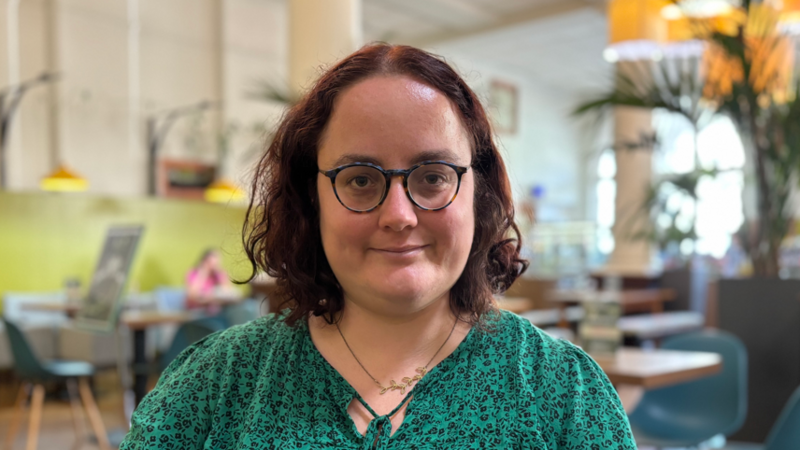
Catrin Edwards-Greaves, 35, from Llantrisant, Rhondda Cynon Taf, acknowledged that attending a smear test can be challenging.
"There's a lot of decision making involved,"
She described sensory overload caused by noisy and busy environments and confusion about where to register or queue.
However, she praised a nurse who explained the procedure step-by-step, which helped her feel reassured.
"This particular nurse who I was dealing with was great. She explained it all to me, she took her time. I felt very reassured by knowing what was going to happen and taking it one thing at a time."
"She said that if I was uncomfortable or in pain to tell her - it just made the expectations very clear."
Dr Grant anticipates that the introduction of at-home smear tests will significantly benefit many autistic women.
She also expects her research to produce training resources for healthcare staff.
"Simple pointers of you might need to use really clear language or agree a hand signal to stop if people might find it hard to speak. Simple things could make a really big difference,"
Dr Lee Campbell, head of research at Cancer Research Wales, stated that cervical screening uptake in Wales is approximately 69% among eligible women, but estimated to be around 50% for autistic women.
"If women are not participating in the cervical screening, then there's a chance that any pre-malignant conditions or early cancers - that are highly treatable when they're caught early - can actually go undetected,"
"We could end up with certain women having very aggressive cancers, which means that the treatment will be more aggressive in nature and with an increased likelihood of side effects."
"By stripping away these layers of inequality, one by one, we will hopefully close the gap and ensure that nobody gets left behind."


