

Systemic Failings at Nottingham University Hospitals NHS Trust Led to Harm and Deaths
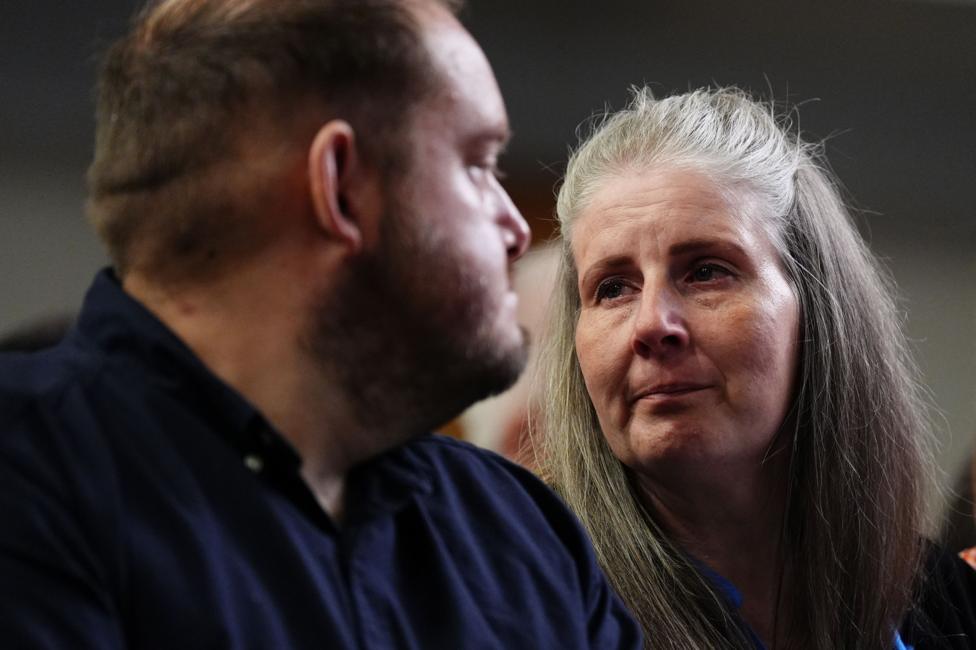
Sarah Andrews (left) and Sarah Hawkins (right) both lost their daughters due to maternity failings.
More than 500 mothers and babies experienced avoidable harm or death as a result of failings at Nottingham University Hospitals (NUH) NHS Trust, according to a landmark maternity review. The inquiry, led by senior midwife Donna Ockenden, is the largest of its kind in NHS history and revealed that leaders at NUH were aware of serious issues within the maternity department for years but failed to address them.
The review, published on Wednesday, indicated that different care might have changed outcomes for 260 babies who died or were harmed.
This is a report about how a system failed, and what it costs when it fails. It costs lives, futures and families, everything.
More on the Nottingham Maternity Scandal
- 'From excitement to emptiness': Families affected by largest NHS maternity scandal tell their stories
- Baby deaths and toxic culture - the Nottingham maternity report at a glance
- The story behind the largest maternity review in the NHS
- 'Don't be too kind': Maternity staff used offensive terms to refer to pregnant women
Approximately 2,500 families and over 800 staff members contributed to the review, which commenced in 2022. However, Ockenden noted there were gaps in information because some senior leaders declined to participate.
The report stated that 66 former and current senior colleagues were contacted by the trust's chief executive; 37 responded and 35 were interviewed.
Experts concluded that there were potentially avoidable outcomes in 444 maternity cases examined up to May 2025, along with 76 neonatal cases. All 520 cases were graded as either two or three for harm, with grade three indicating major concerns and grade two representing sub-optimal care where different management might have altered outcomes.
The refusal of some management to engage prompted the government to announce an extension of Martha's Rule to enhance accountability and safety for mothers and babies. Additional measures include compelling NHS staff, past and present, who refuse to engage with maternity reviews to provide evidence or face up to two years in prison, though enforcement details remain unclear.
Findings Presented by Donna Ockenden
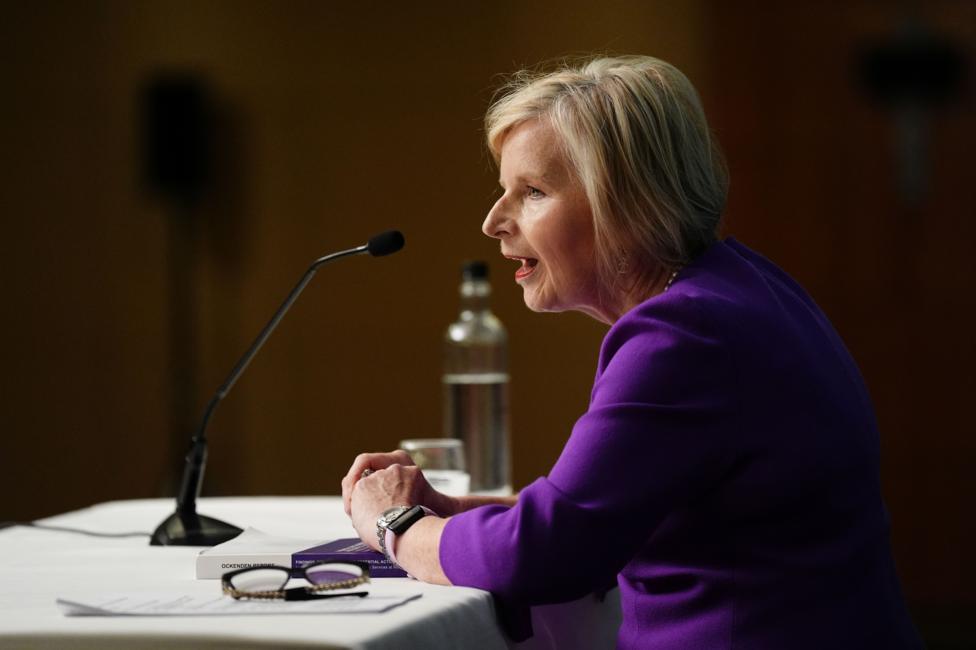
Donna Ockenden presented the findings of her maternity review on Wednesday.
Ockenden revealed the findings at the Crowne Plaza hotel in Nottingham before bereaved and affected families. Her team informed the BBC that different care might have changed outcomes for 260 babies who died or were harmed; 155 babies died and 105 suffered serious injury due to substandard care.
Ockenden stated that many problems had been known at NUH since at least 2010, including insufficient staffing and failure to complete basic mandatory training.
She also highlighted a persistent failure to listen to and believe mothers and fathers, as well as failures to investigate and learn from mistakes.
Women's consent was not sought during labour and some interactions from staff were at times cruel.
Women in labour were told to "pull themselves together," and one mother recalled being told to "wait their turn" because there were other women to attend to.
Serious failings in post-death care were also identified, including loss of dignity, poor mortuary processes, ineffective identification systems, and inappropriate communication.
The report detailed a 2019 incident where a very early gestation baby was inadvertently disposed of as clinical waste after post-mortem examination, causing significant distress to the parents. Another serious incident occurred three years later when the wrong baby was released to a funeral director.

Ockenden remarked that while the service at NUH has improved, it is not yet at the required standard.
We owe it to every mother and baby whose terrible experiences are recorded to be sure these failures here are never repeated.
Time for talking and reflecting has passed this needs collective action, sustained action and renewed confidence.
The families of Nottingham have shown extraordinary determination and courage in the face of devastating consequences which has marked their lives - they did this so what happened to them does not happen to anyone else.
Families Speak Out on the Impact and Call for Justice
Dr Jack Hawkins, whose daughter Harriet was stillborn at Nottingham City Hospital in 2016, stated during a press conference that the actions for learning identified in the review must be treated with utmost seriousness.
Some of the themes identified are ones that we had direct and personal experience of - our concerns were dismissed and not acted upon - we were not told the truth, even after death.
The hospital frequently failed to keep our loved ones safe.
Sarah Hawkins, Harriet's mother and a whistleblower in the maternity scandal, expressed feeling let down by the care she received. Both Sarah and Jack worked in the NHS as a senior physiotherapist and consultant doctor respectively.
We dedicated our careers to the NHS - I thought I would trust my colleagues - I was low risk. Then to be treated during my six-day labour like I was, I couldn't compute it.
After Harriet died - the cover-up was horrific, we knew this because we knew the system.
Gary and Sarah Andrews, whose daughter Wynter died after 23 minutes in 2019, also shared their experience.
Jack Hawkins called for a statutory public inquiry. Health Secretary James Murray said in the House of Commons that "no options are off the table" regarding the issue. Murray, who met families involved in the maternity review, described feeling numb after hearing their pain and trauma.
I felt numb after hearing the depth of their pain.
I felt even more numb when I considered how many families not in the room went through such trauma too, and the forgotten children who survived but lived with the consequences of failings in maternity care every day.
Murray said he would be speaking with NUH chief executive Anthony May and assured that the government will act.
Following the report's publication, it was announced that Martha's Rule, which guarantees patients the right to an urgent rapid review of their care, will be extended to maternity settings.
NUH Leadership Responds to the Review
NUH chairman Nick Carver (left) and trust chief executive Anthony May heard Ockenden outline her findings.
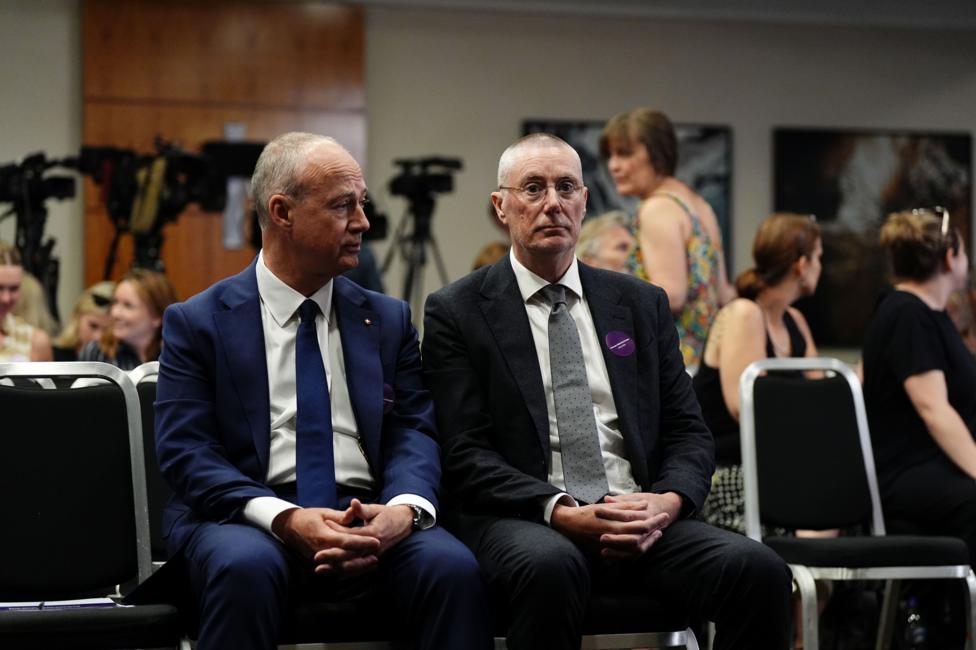
In response, NUH chairman Nick Carver and chief executive Anthony May issued an open letter to the people and communities of Nottinghamshire, apologising unreservedly to women and families who suffered harm, loss, trauma, or distress while receiving care.
The letter acknowledged that trust is earned through actions rather than words and that families and the public will judge the trust by future actions.
They recognized that while improvements have been made, more work remains and committed to reflecting on the report with humility, honesty, and determination.
The trust also pledged to work with families on a meaningful apology that reflects the review's findings and a commitment to lasting improvement.
Get in Touch
Tell us which stories we should cover in Nottingham.
Listen to BBC Radio Nottingham on Sounds and follow BBC Nottingham on Facebook, X, or Instagram. Send story ideas to eastmidsnews@bbc.co.uk or via WhatsApp on 0808 100 2210.
and Further Reading
- Hundreds of mothers and babies died or were harmed at 'toxic' hospital trust, Nottingham review finds
- Martha's Rule to be extended to all maternity units
- Calls for justice ahead of landmark maternity report


