

Hayley Pearce Faces Motherhood with ADHD
Hayley Pearce, known for her role as the tea lady on the BBC reality TV show The Call Centre, where she was portrayed as a party girl who was rarely seen without fake tan or false nails, is now expecting her first child. The 36-year-old TV personality is contemplating how her "neurospicy" brain will manage the demands of motherhood.
Diagnosed with attention deficit hyperactivity disorder (ADHD) at age 20, Hayley has struggled with time management and organisation throughout her life. She shared,
"I have no concept of time… I've been sacked from jobs because I'm always late."She added,
"I'm not an organised person... I'm overwhelmed all the time."
Her midwife informed her that having ADHD may increase her risk of postnatal depression compared to neurotypical women. Hayley hopes that by sharing her experience, she can help initiate conversations about better support for women with ADHD.
Currently residing in south Wales, Hayley's home is covered with sticky notes to help her manage her responsibilities. She explained,
"I'm overwhelmed right now with too many appointments going on."She described herself as "neurospicy," stating,
"I've always been like 100 miles an hour, some people call it scatty."
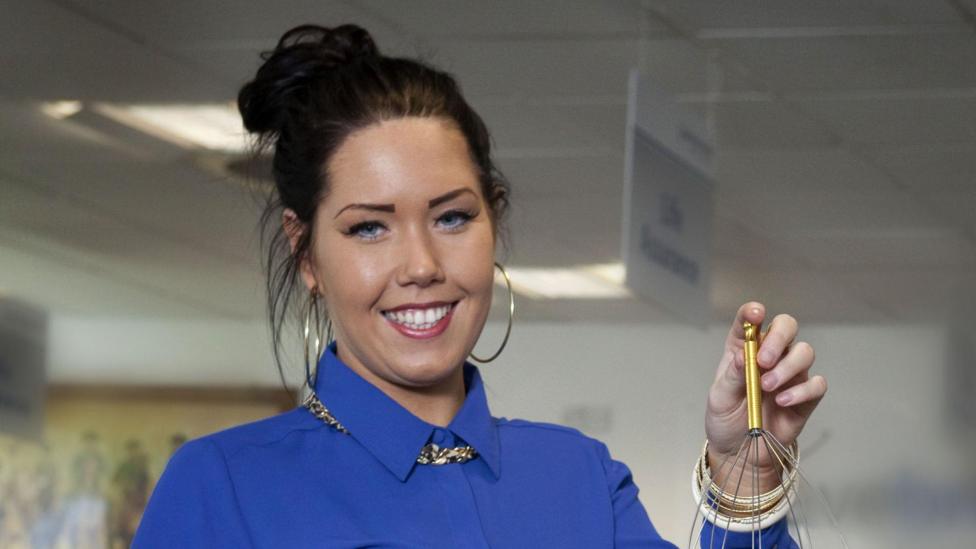
Hayley's television career began in 2013 when she appeared in the BBC Three fly-on-the-wall series The Call Centre. Since then, she has produced several documentaries and hosted a podcast.
Understanding ADHD and Its Impact
The NHS defines ADHD symptoms as including being easily distracted or forgetful, difficulty organising time, and challenges in following instructions or completing tasks. Hayley, diagnosed a year before her rise to fame in 2013, has lived with these symptoms for as long as she can remember.
Seeking Support and Advice from Fellow Mothers
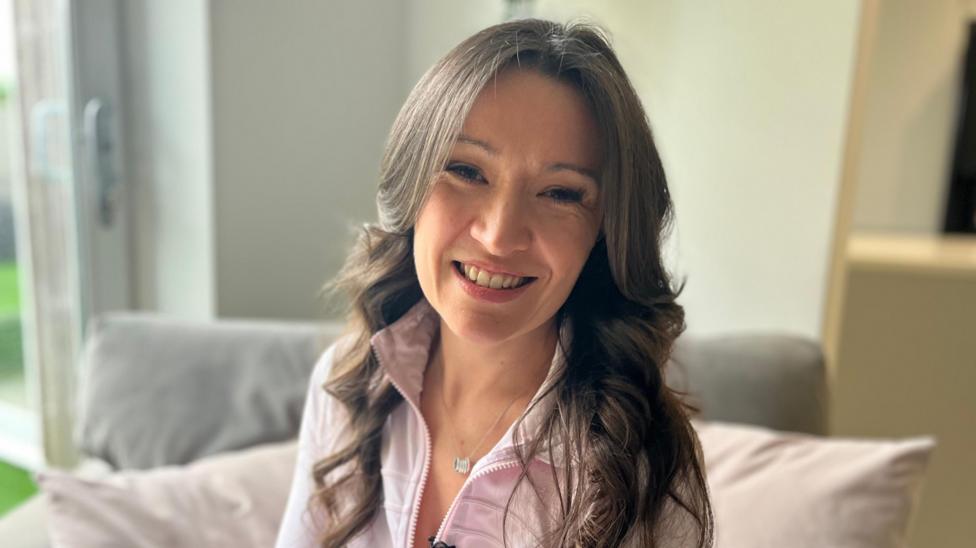
With her baby due in August, Hayley sought advice from 42-year-old Rhiannan Morgan, who also has ADHD and four children with autism aged 21, 14, 11, and nine.
Rhiannan shared her experience, saying,
"Every time I was about to have a baby I was thinking 'well if I don't get my act together now I'm in real trouble'."She spent many hours researching strategies to manage motherhood effectively.
Rhiannan, who posts on social media as Mummy of Four, creates and shares resources to support what she terms other "neurosparkly" mums and families.



She explained,
"ADHD brings lots of creativity and enthusiasm, but it also brings challenges with working memory and remembering things. Without systems and strategies, it feels like you're trying to swim uphill constantly."
Practical Strategies for Managing ADHD in Motherhood
Rhiannan shared several hacks that help her stay organised, including:
- Asking children early on to assist with household chores
- Encouraging children to contribute to the shopping list
- Setting up a comfortable feeding area with a chair, water, and phone charger
- Entering information from letters and emails directly into a calendar and paying bills promptly
- Using 'set and forget' systems, such as scheduling grocery deliveries at the same time weekly
- Utilising mobile phone alarms as reminders for tasks
- Employing screen time apps to reduce distractions
Concerns About Postnatal Depression
Hayley is also concerned about postnatal depression. A Swedish study of over 770,000 births indicated that mothers with ADHD could be up to five times more likely to experience postnatal depression than neurotypical mothers.
Dr Nicola Peek, a counselling psychologist in the Perinatal Mental Health Service at Hywel Dda University Health Board, explained that women with ADHD are more sensitive to the sharp decline in oestrogen and progesterone after childbirth, which can reduce dopamine levels. She said,
"They might present as feeling lower in mood, more fatigue, more brain fog, they might find it's difficult to focus on things in the way that they used to."
Advice for New Mothers with ADHD
Dr Peek recommends that new mothers with ADHD:
- Advocate for themselves when interacting with medical professionals
- Recognise that social media may create unrealistic expectations and that others' experiences may not reflect reality
- Communicate openly with partners, family, and friends about their feelings
- Set boundaries regarding advice from others
She emphasized,
"With ADHD you can be an incredible parent. There's going to be huge empathy, there's going to be huge creativity."

Embracing ADHD Positively
Hayley appreciates many aspects of having ADHD, including being a "fun auntie." She stated,
"If I struggle, I struggle, I'm going to be honest about how I feel."Living in Maesteg near Bridgend, she anticipates significant changes with the arrival of her baby.
"My life's going to take a massive 360 when I have this baby. It's going to be testing, it's going to be challenging and it's probably going to be the best feeling and the best thing I've ever done in my life."

Information about organisations offering support and resources for ADHD is available through BBC Action Line.


