

Systemic Failures in Nottingham Maternity Services
A review of maternity services at Nottingham University Hospitals NHS Trust uncovered that hundreds of mothers and babies experienced potentially avoidable harm or death due to systemic failures within the service.
In November 2018, over 50 staff members at the Queen's Medical Centre signed a letter alerting health executives to a "crisis in our maternity services." The letter warned that without addressing chronic understaffing, a lack of essential safety equipment, and poor leadership, mistakes would be inevitable.
Despite the urgency conveyed, the management's response was deemed "inadequate" by the letter's author and was effectively ignored at the time.
Wednesday's external review revealed the full extent of these failures, highlighting deeply embedded systemic issues that led to harm and fatalities among mothers and babies.
This marks the fourth maternity review in just over a decade, each described as a "never again" moment. The fate of the 2018 letter exemplifies why maternity care in England continues to fail many families.
The letter was addressed to the chairman of Nottingham University Hospitals trust, the chief executive, the medical director, and the head of midwifery. However, staff concerns were dismissed. This was confirmed when a new management team investigated the matter five years later.
Response to Staff Concerns and Subsequent Findings
Two weeks after the letter was sent, staff received a response outlining actions taken in previous months and an offer to meet. However, the 2023 review found "no evidence" that the trust board had discussed the letter. The new chief executive described the response as "unsatisfactory," stating:
"It did not address the concerns that were being made."
This failure to act on staff warnings highlights a broader pattern of senior NHS leaders refusing to improve maternity services despite repeated calls for change.
Previous Maternity Reviews and Family Advocacy
Prior to Nottingham, three other maternity reviews took place in Morecambe Bay, Shrewsbury and Telford, and East Kent. In each case, the NHS was aware of problems but failed to fully acknowledge or address them until families persisted in demanding independent investigations.
These families' determination compelled scrutiny that the NHS had not voluntarily initiated.
Inquiry Findings and National Response
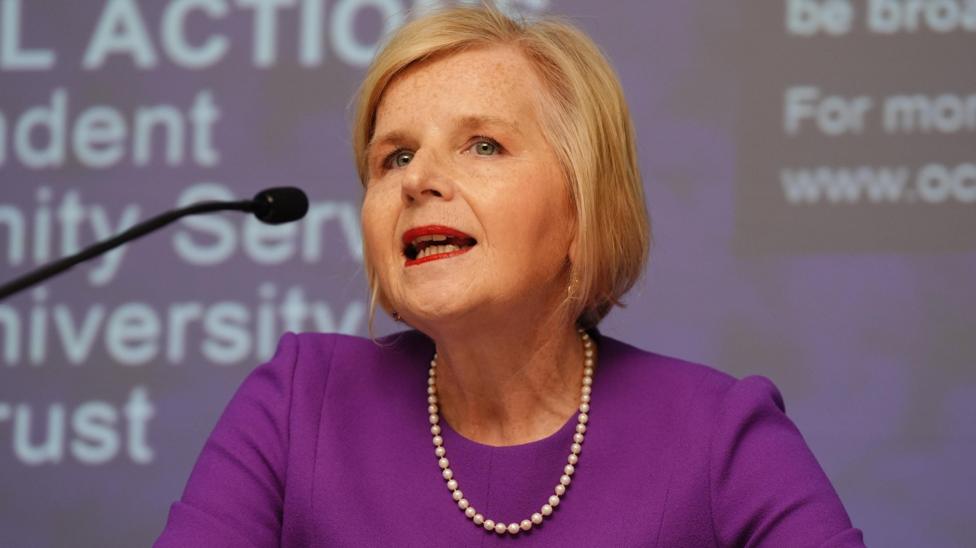
Donna Ockenden's inquiry into Nottingham University Hospitals NHS Trust maternity services found a "persistent failure to listen to mothers and fathers."
England's former health secretary Wes Streeting highlighted the existence of 748 recommendations across maternity and neonatal care, arguing that the health service needed to implement these rather than generate new ones.

In response, a national maternity inquiry chaired by Baroness Amos was established to consolidate these recommendations into focused actions, with a report expected next week.
However, many families contend that if earlier recommendations had been acted upon, further inquiries and the accumulation of such a large number of recommendations would have been unnecessary.
Accountability and Ongoing Investigations
Following the publication of the Shrewsbury and Telford maternity failures review, then health secretary Sajid Javid pledged to "go after the people responsible." Yet, four years later, no senior leaders have been held accountable.
The Shrewsbury and Telford trust stated this week that it is "fully cooperating" with West Mercia Police, which launched an investigation six years ago into the trust's maternity services. No arrests have been made, and police continue to conduct witness interviews.
Maternity Failures: The Fight for Justice
As families seek answers for maternity service failures, investigations reveal systemic neglect, insufficient staffing, and a reluctance to learn from mistakes have caused significant distress.
Many families are calling for a public inquiry into maternity care in England, citing a lack of accountability despite numerous avoidable deaths and harms uncovered by investigations.
Individuals implicated have often been allowed to retire or move to other NHS roles. For example, the former chief executive of the Shrewsbury and Telford trust left months after the trust was placed into special measures and subsequently took a position within the NHS in Nottingham.
Regulatory bodies such as the General Medical Council and the Nursing and Midwifery Council have also faced criticism for failing to intervene effectively when families reported serious misconduct.
Government Commitment and Future Inquiries
The government has pledged that recommendations from the Nottingham review will not "sit on the shelf." Additionally, NHS staff who refuse to participate in upcoming maternity reviews may be compelled to give evidence or face up to two years in prison.
Two further inquiries have been announced in Leeds and Sussex, which may prompt greater engagement from NHS executives. However, questions remain about the effectiveness of such measures. For instance, a former Nottingham leader reportedly participated in the Ockenden review but could not recall significant details about his tenure, raising concerns about the sincerity of engagement.
These maternity inquiries have often begun with grieving families compelling a reluctant NHS to acknowledge failures. The health service has struggled to adapt to a modern context where patients demand better care and challenge traditional hierarchies.
Too frequently, the NHS appears more focused on protecting its reputation than ensuring safe care.
Without a sustained cultural shift that prioritizes collaboration with patients and families, many fear that maternity services will continue to fail mothers and babies.
- Martha's Rule to be extended to all maternity units
- 'Don't be too kind': Maternity staff used offensive terms to refer to pregnant women
- 'It's unforgivable': The problem at the heart of the NHS's maternity care failures
- Mothers who helped uncover the biggest NHS maternity scandal


