

Systemic Failures Harmed Urology Patients at Southern Health Trust
Christine Smith KC, chair of the Urology Services Inquiry, has concluded that systemic failures within the Southern Health Trust created conditions that seriously harmed patients. These failures led to delays in diagnosis and treatment, including critical cancer care.
The inquiry was established in 2020 following multiple Serious Adverse Incidents (SAIs) involving consultant urologist Aidan O'Brien, who worked at the Southern Health Trust from 1992.
The report identified several factors that posed significant risks to patient safety, such as shortcomings in management, leadership, and governance. In some instances, these failures resulted in preventable serious harm to patients.
Scope and Findings of the Inquiry
Urology, the medical specialty dealing with diseases of the urinary tract in both males and females—including the kidneys, bladder, and urethra—was the focus of the inquiry. The issue first emerged publicly in October 2020 when over 1,000 patient records under O'Brien's care were recalled by the Southern Trust.
The inquiry examined O'Brien's work from January 2019 to June 2020 and reviewed the Southern Trust's management of urology services prior to May 2020. It issued clear recommendations aimed at strengthening leadership, governance, and organizational culture to prevent recurrence of such failures.
The inquiry determined that both individual and systemic failures contributed to the harm experienced by patients. While it scrutinized O'Brien's clinical practice, the report was particularly critical of the trust’s management systems, leadership, and the lack of accountability at the board level.
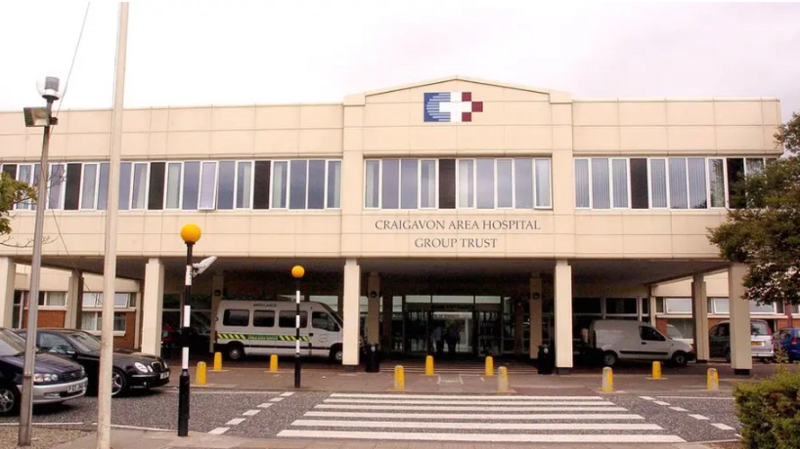
Aidan O'Brien worked at Craigavon Area Hospital before his retirement in July 2020.
Assessment of Aidan O'Brien's Practice and Trust Management
Christine Smith KC described O'Brien as a skilled surgeon who "did not set out to cause harm," but emphasised that the trust "failed to recognise that he was a doctor in difficulty and failed to manage him appropriately."

The report revealed that concerns about O'Brien's practice had been known for many years before 2016. These concerns included delays in triage, poor record-keeping, storing patient notes at home, delayed dictation, non-standard prescribing, and other clinical and administrative issues.
Medical and operational management often dismissed these issues as merely 'administrative,' failing to acknowledge their potential to cause significant patient safety risks.
The inquiry highlighted that the prolonged failure to triage referrals properly created a clear risk that urgent cases, including cancer patients, were not identified or escalated in a timely manner.
It also found that the trust should have recognised when O'Brien was a doctor in difficulty and managed him accordingly, implementing a formal support and improvement plan rather than repeatedly tolerating unresolved risks.
Consequences for Patients and Systemic Issues
- Patients suffered serious harm due to failures in diagnosis, treatment, and follow-up.
- Repeated missed opportunities to address risks associated with a doctor in difficulty.
- Weak systems failed to identify and act on risks at an early stage.
- Systemic failures in governance, oversight, leadership, culture, and Board accountability were evident.
- Patient safety must be established as the primary purpose of healthcare delivery.
- Improved use of data is necessary to identify and respond to risks effectively.
Statements from Inquiry Chair
"The report is about patients who were badly let down."
"They faced delays in diagnosis and treatment including cancer care, poor communication and too often they were left without the clear high-quality, timely intervention they should have expected."
"The inquiry makes clear that the deeper causes were systemic. Weak governance, poor oversight, ineffective escalation, and underdeveloped leadership created the conditions in which patients were seriously harmed."
Inquiry Scope and Outcomes
The inquiry did not determine criminal or civil liability, nor did it make findings regarding fitness to practise. Instead, it focused on how the harm occurred, why it was not fully recognised, and what changes are necessary to ensure safer care going forward.
Evidence gathering concluded two years ago after hearing from 75 witnesses and reviewing 650,000 pages of documentation.
Aidan O'Brien was referred by the General Medical Council (GMC) to the Medical Practitioners Tribunal Service (MPTS), where an independent tribunal will assess all evidence and make a determination regarding his fitness to practise.
Improvements and Future Requirements
The inquiry acknowledged that improvements have been made since these issues were identified, including changes within the Southern Health Trust and broader initiatives led by the Department of Health.
However, it emphasised that further, sustained, and transformational change is required to prevent similar incidents in the future.
- Consultant apologies to patients at inquiry
- Hundreds of patients 'received suboptimal care'
- 'Waiting lists greatest source of patient harm'


