Support for Miscarriage Leave in Northern Ireland
When Erin Sharkey experienced miscarriages, the emotional toll was profound, compounded by uncertainty about how much time she and her partner should take off work to cope with their loss.
Now, Northern Ireland has become the first part of the UK to grant women and their partners two weeks of paid leave following a miscarriage at any stage of pregnancy, providing much-needed support.
Erin, a volunteer with the Miscarriage Association, believes this change will
"give people the validation for their feelings, and time to process the loss together".
Although her employer was supportive, she felt societal pressure to return to work quickly.
She described her miscarriages as
"all your dreams for gorgeous happy moments come crashing down", from envisioning a future with a child to experiencing total loss.
"During the first few days, people were texting, saying they were thinking of me. But then that stopped. I thought I must have hit the point where people expect me to be OK.
My partner didn't even take a day off work - because we knew other people who'd had miscarriages and their partners didn't take time off.
If she had been there with me for two weeks, that would have reduced my trauma significantly."
Details of Miscarriage Leave in Northern Ireland
Under the new provision, both the woman and her partner are entitled to two weeks of paid leave at the statutory rate of just over £194 per week, or 90% of their weekly pay if lower.
This leave can be taken as one continuous period or split into two separate weeks within 56 weeks of the miscarriage. Parents are not required to provide medical evidence, only to inform their employer of the miscarriage.
Previously, parents in Northern Ireland were entitled only to two weeks' paid bereavement leave following a stillbirth after 24 weeks of pregnancy, provided they had been employed for at least 26 weeks. This remains the law in the rest of the UK.
The Westminster government plans to introduce a change in 2027 for England, Scotland, and Wales, granting parents the right to take at least one week of unpaid leave following a miscarriage at any stage.
Expert Perspectives on the Impact of Leave
Selina Casey, psychotherapist and founder of the White Butterfly Foundation, a baby loss counselling charity, highlighted the importance of this leave entitlement in Northern Ireland, stating it will
"save relationships".
She established the foundation after losing her baby in 2021. She recounted attending a routine appointment during her third pregnancy when she was informed there was no heartbeat.
Three days later, she was admitted to deliver her son, whom she left with the next day
"in a tiny casket and a leaflet for a support group". They proceeded directly to the graveyard for a burial.
"Then, five days on, that's when I was able to start grieving."
In her professional role, Selina observes that miscarriage trauma often strains relationships.
"Allowing couples time to spend grieving together after a loss is in itself extremely therapeutic.
Couples need to hold each other in those early stages of grief."
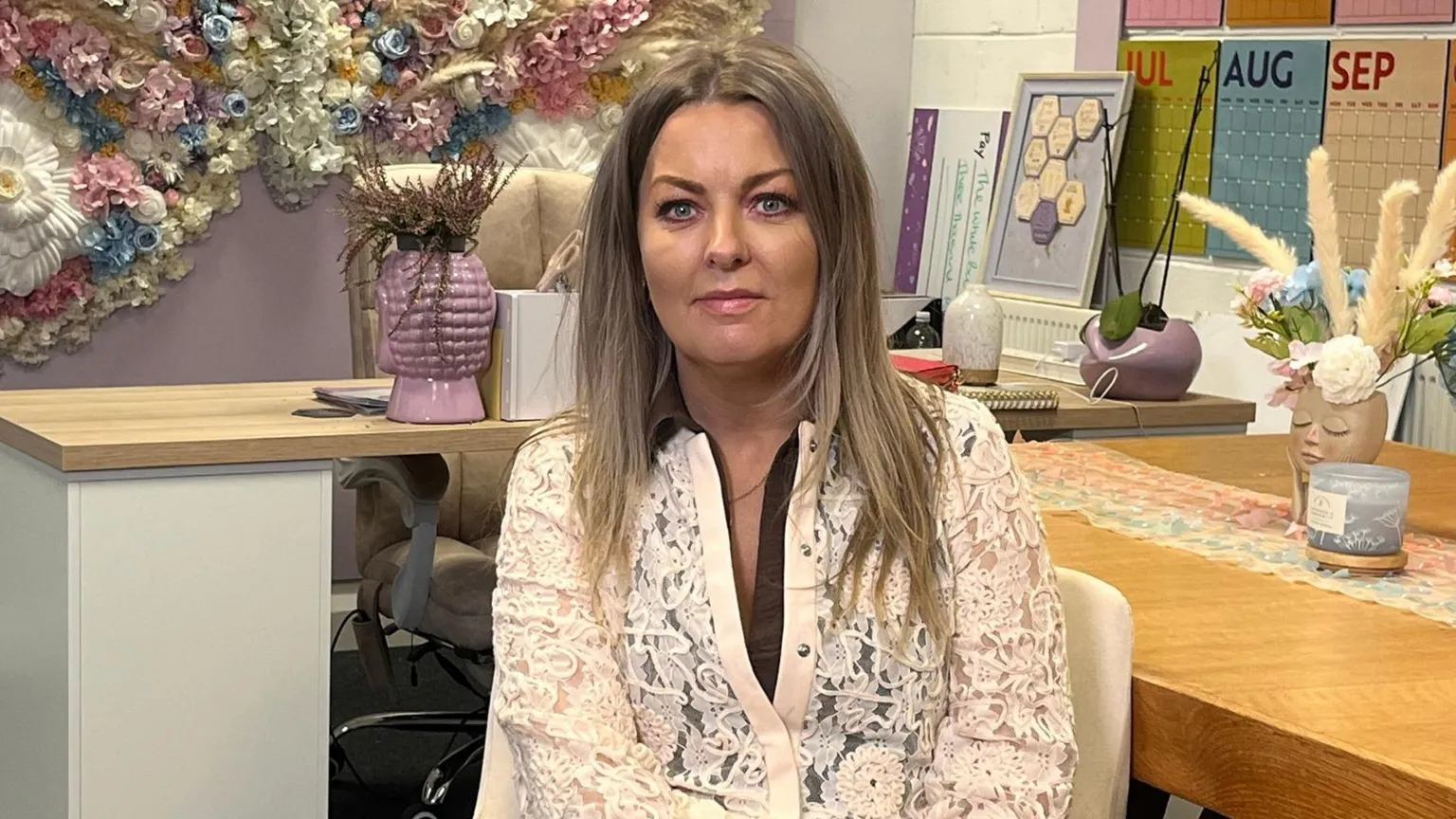
Megan Crowe, a therapist at the White Butterfly Foundation, who lost a baby at approximately 12 weeks in 2020, emphasized that the two weeks of leave will enable individuals to take control of their healing process.

"The two weeks of leave will give such an opportunity for people to take control of what they want for their own journey – as opposed to falling back into the lifestyle of who they feel they were before the loss.
They can be in the present moment to help them get support early."
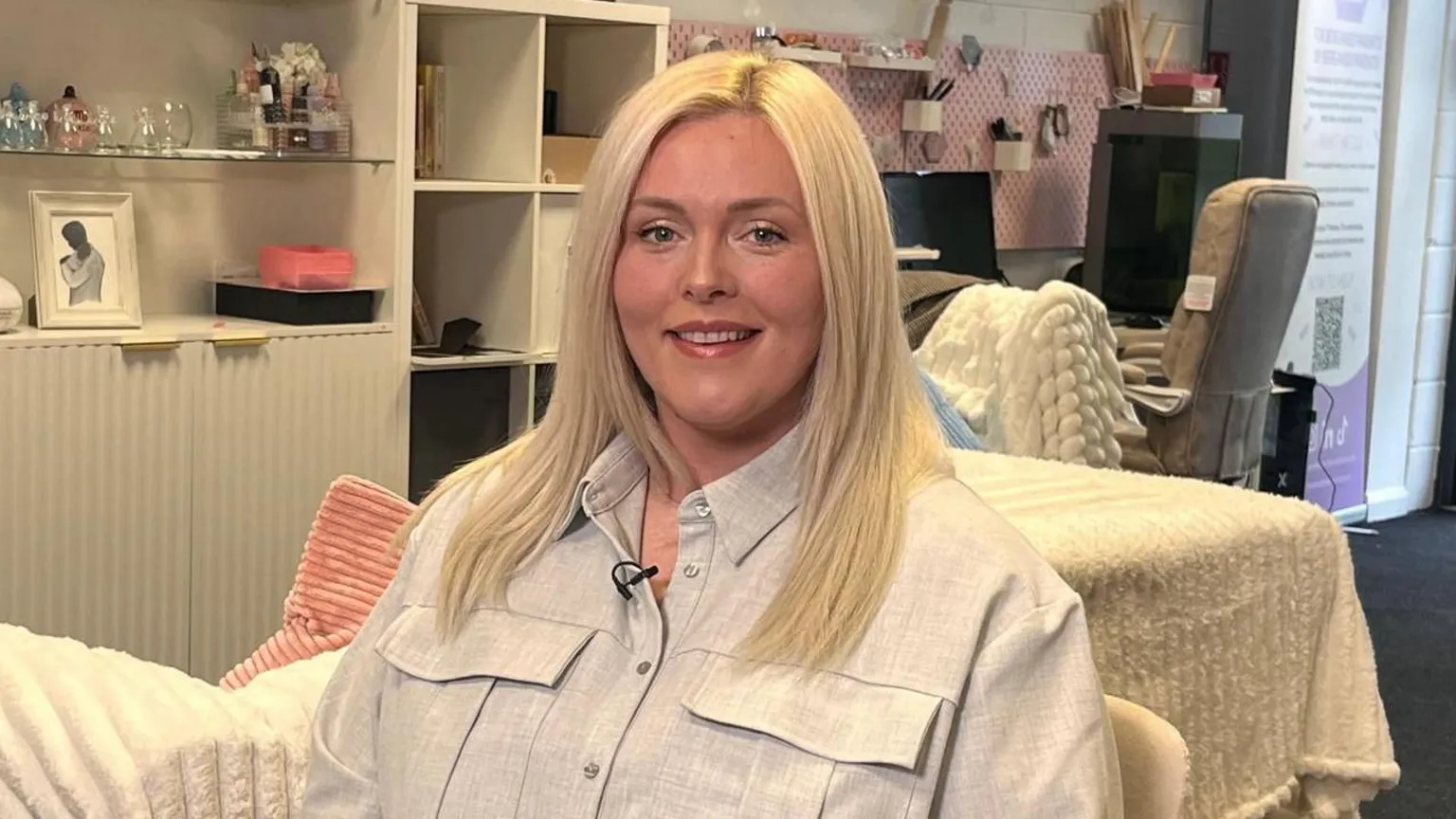
The White Butterfly Foundation and Personal Stories
The foundation, located near Portglenone, County Antrim, features a counselling room and facilities. Its walls are adorned with dozens of hand-crafted ceramic tiles, each commemorating a lost baby.

One such tile honors Freddie, the son of Rebecca Hutchinson, who she lost in 2025.
"I had just been for my 20-week scan and all was looking well.
But a week later I went into early labour."
Freddie was taken to Alder Hey hospital in Liverpool for a post-mortem examination.
"The time from when I went into labour until Freddie's funeral was exactly a week.
Looking back, it just felt chaotic, because it all happened so quickly.
It took time for the shock to hit me."
Rebecca took sick leave from work, as she had after a previous miscarriage at eight weeks, due to the absence of other provisions.
"We were lucky because our employers were so understanding and gave us space – but that's not always the case.
The fact that all parents are now entitled to two weeks' leave, from day one, is amazing – it'll make such a difference."

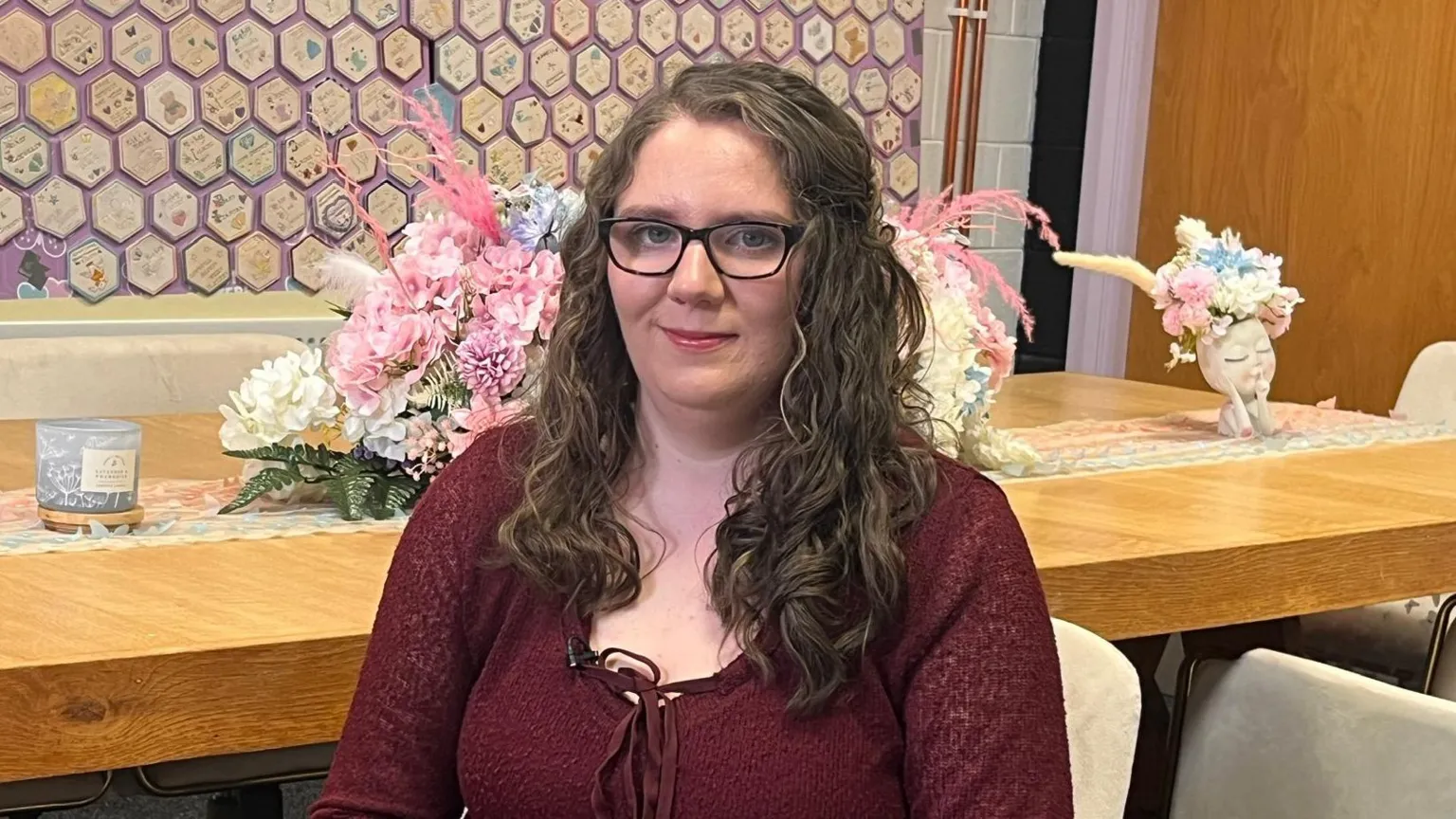
Victoria Wylie sought assistance from the foundation in 2024 after losing her son Alexander at 23 weeks. She experienced a third miscarriage in January at eight weeks.
"There was a full week of medical appointments and decisions, before I could even start truly grieving."
Victoria emphasized the importance of time off, stating it allows individuals to manage their needs, which vary greatly.
"Some days I just wanted to lie on the bed and cry.
On others, I wanted to get away from the house, where it happened.
We had a little burial for the baby at home, and planted a hawthorn tree.
Now, coming into spring, the leaves are starting to come out – which is really nice to see."
Statistics and Government Response
It is estimated that 9,000 employees in Northern Ireland experience miscarriage annually. The leave provision is expected to cost the devolved government approximately £3.5 million per year.
Parents will be eligible for this leave from the first day of employment in any job.
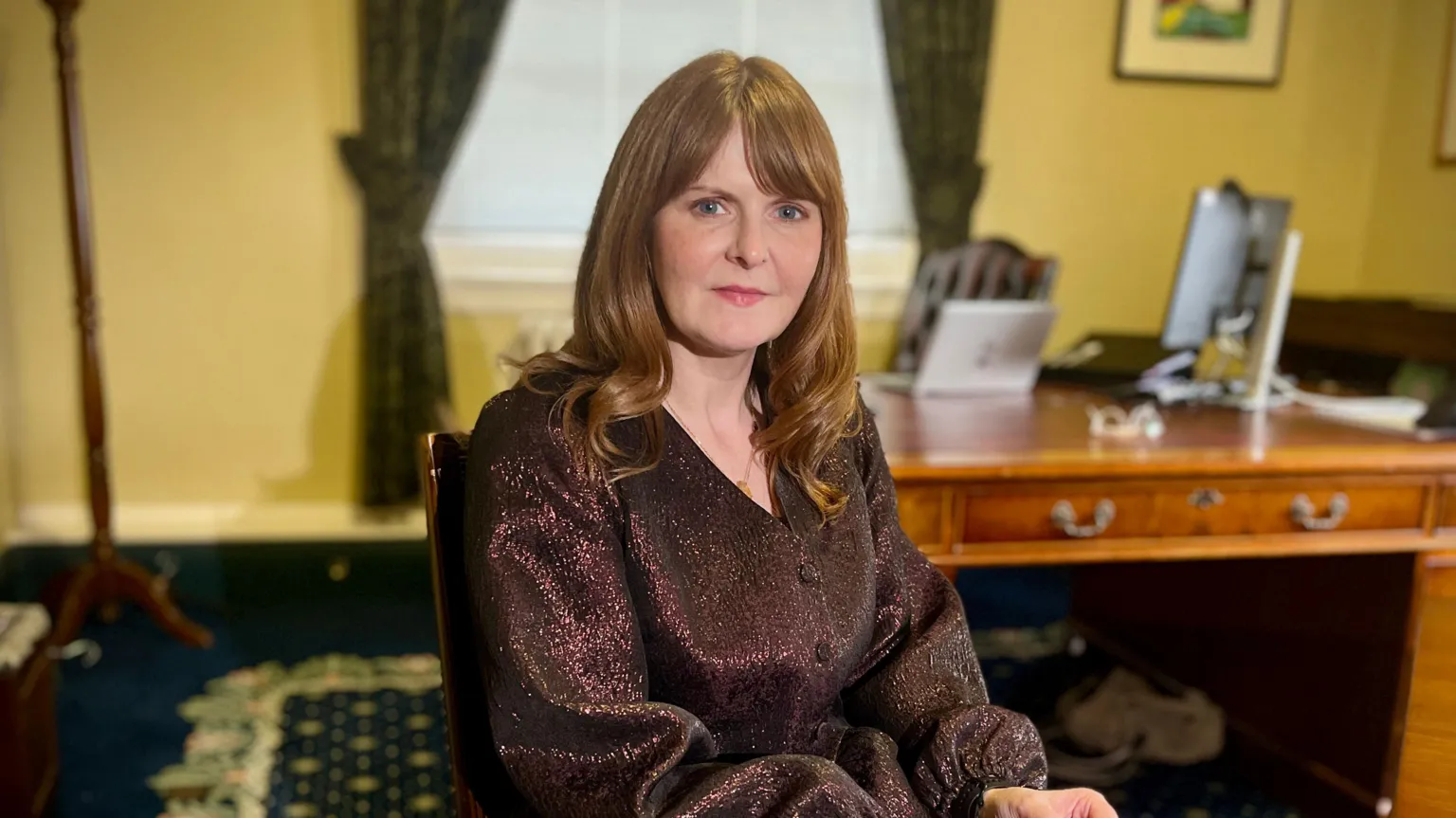
Economy Minister Caoimhe Archibald stated:
"Miscarriage is a very personal and profound loss.
It's important that women and their families are supported through such a difficult period, and that they get support in their workplace."
Ongoing Support and Commemoration
Victoria Wylie described the new leave entitlement in Northern Ireland as
"amazing".
"Some people might want to take time off for anniversaries, birthdays and important dates.
On Alexander's due date we went to the zoo, because we had got him a little otter teddy.
We took pictures of the teddy in front of the otters.
We'll take a day off in August, when my last baby would have been due.
That option will be there – and now lots of other people will have it as well."