

Experienced Male Midwife Encourages More Men to Join the Profession
A man with 21 years of experience as a midwife is urging more males to consider the profession as he prepares for partial retirement.
Fraser Morton, also a qualified nurse, has been working at Daisy Hill Hospital since 2005 and is one of only five male midwives registered in Northern Ireland.
"You can be empathetic and caring, regardless of gender or no gender, and that's just all I've ever tried to be,"he said, reflecting on his career choice.
Morton discovered his preference for maternity work over nursing during a placement in his training.
"Midwifery was more individual centred than nursing and wasn't like trying to get around the wards. It was being with the women, because that's all midwife means, and actually offering them support on a physical on a psychological level,"he added.
Originally from Wishaw in North Lanarkshire, Morton began his nursing training in 1981 and has dedicated 45 years to the health service.
After qualifying as a midwife in Scotland, he relocated to Northern Ireland with his wife in 1988.
However, he was unable to practice midwifery immediately upon moving due to the absence of male midwives at that time.
In 2004, he was encouraged to complete his return to practice qualification by Joan O'Hagan, the then Director of Nursing.
"It gradually became more accepted, and you could see a culture,"Morton recalled.
"I've not had any problems from colleagues or the women. I think they respond just to being human and being genuine.
I'd encourage men, if they feel that it's a job for them, to go for it. I don't think it's anything to do with gender. I think it's to do with how you are as a person."
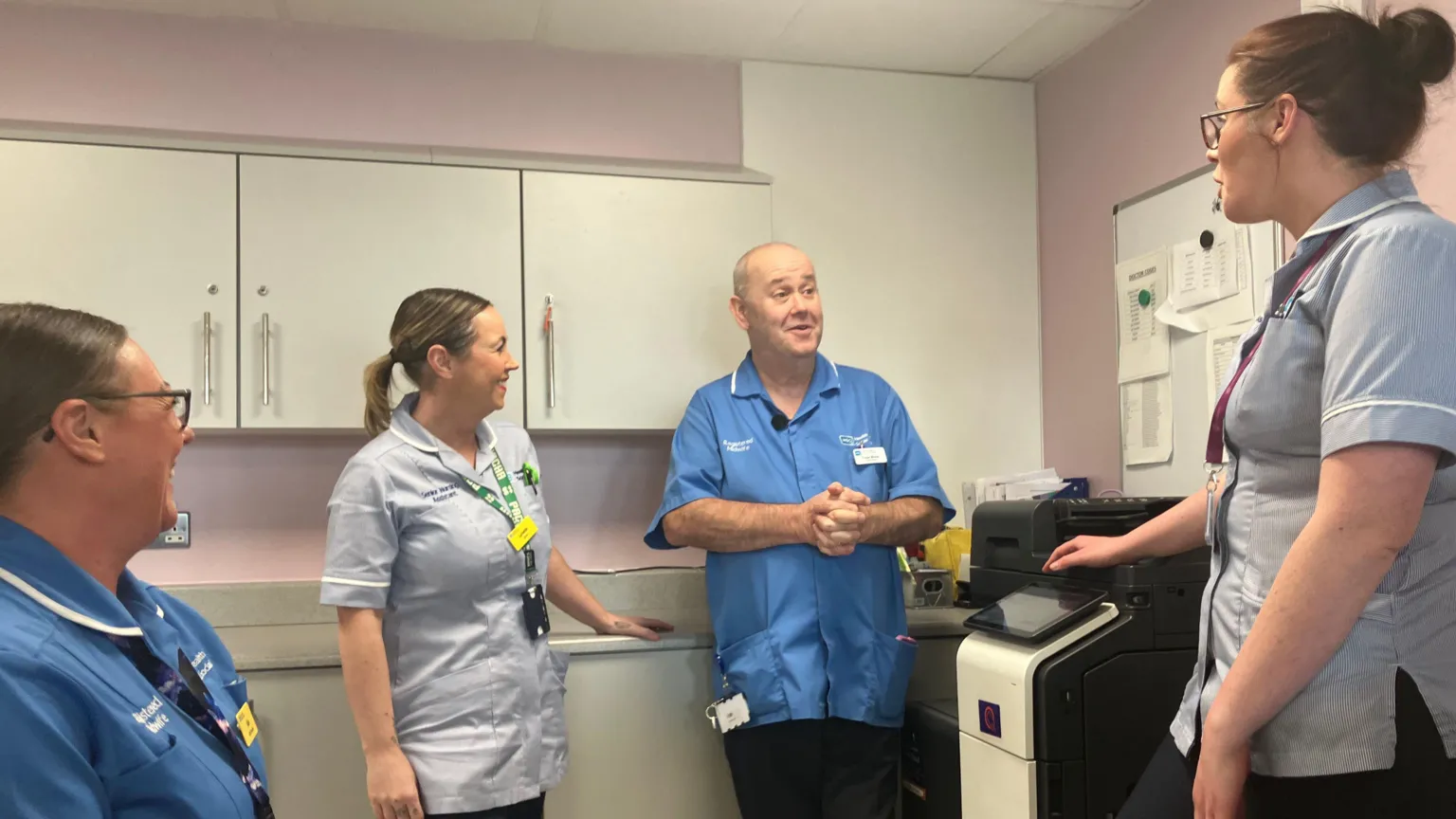
Why Are There So Few Male Midwives?
Men have only been fully permitted to work as midwives since 1982, and relatively few have pursued this path.
According to the Nursing and Midwifery Council, as of 30 September 2025, there were 144 men registered as midwives and 50 as nurse and midwives across the UK.
This contrasts with 47,337 women midwives and 6,142 nurse and midwives registered at the same time.
In Northern Ireland specifically, there were five men registered as midwives and one as a nurse and midwife, compared to 1,318 women midwives and 342 nurse and midwives.
Preparing for Partial Retirement, Reflecting on a Rewarding Career
Morton is transitioning to a part-time role after a long and varied career.

"I've worked in antenatal, intrapartum and postnatal care, and at one stage I was CTG (Cardiotocography) coordinator for the trust, it's been enjoyable."
His daughter, Rebecca McCaffery, shared news of his partial retirement on social media.
"I had over 180 comments, I had 50 direct messages and a number of phone calls from people that I knew,"she said.
"I think he's great, but to hear that so many people really thought so highly of him and stories, that obviously I would never have known, about how he went above and beyond just completely blew me away."
Former Patient Praises Morton's Compassionate Care
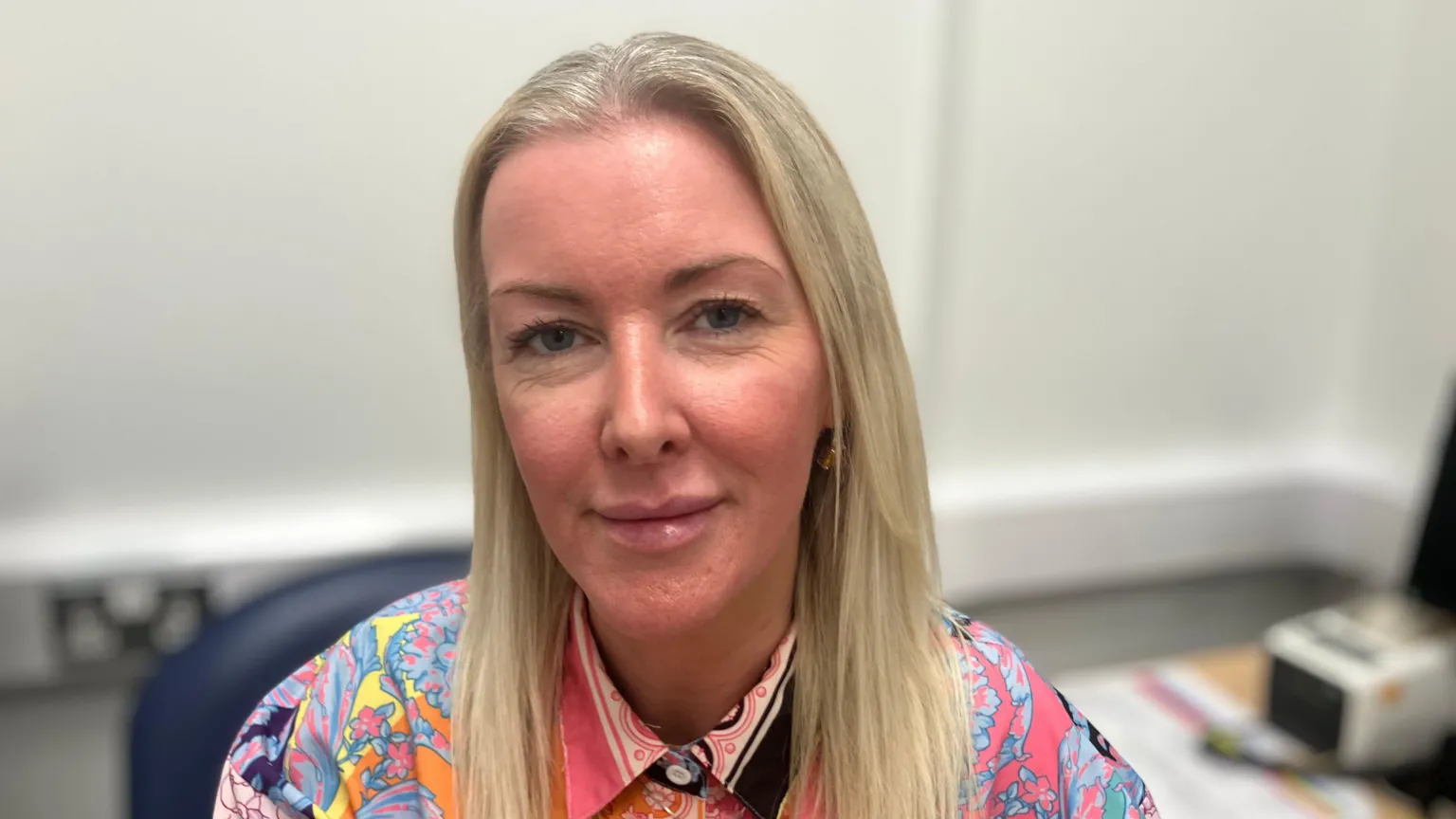
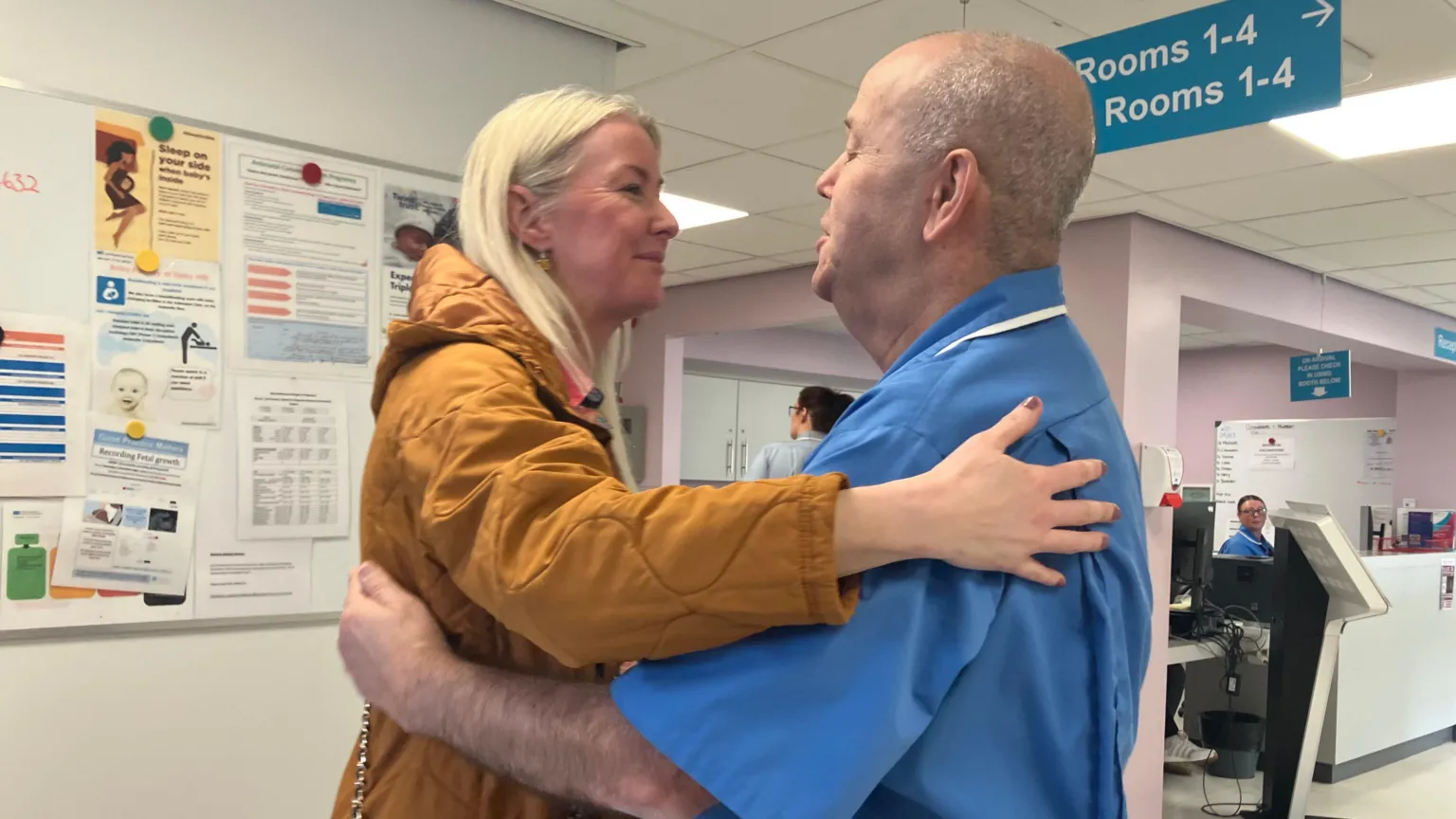
Laura Rooney, a former patient, visited Morton on his last day as a full-time midwife to express gratitude for his care.
"I came in early to Daisy Hill because I was showing signs of having my child a wee bit earlier, which I eventually did,"she said.
"So I was in the ward for about two to three weeks and without Fraser being there it would have been such a dull time for me.
He was always so lovely, so warm, his reception when entering the room didn't go unnoticed because he was so kind and caring to every woman in there, not just myself."
She emphasized the supportive role of a midwife.
"For me it doesn't have to be gender based the fact that I had not only a male - one with a loud Scottish voice, all the craic - it was just lovely,"she said.
"It was something that never put me off or made me feel anxious at all."
Midwife Means 'With Women' – A Commitment to Care
As he steps back from full-time work, Morton expressed his deep enjoyment of the profession.
"I've firmly enjoyed every minute of it and would feel lost if I went from working full-time to suddenly doing nothing.
"I don't think you'd leave completely. I'm not getting any younger, but I still feel I've got... I've got a few years left in me."
"Gender has never really been an issue to me. I'm a midwife who happens to be a man, but I'm also a midwife who happens to be Scottish, as opposed to Northern Irish.
"The thing that I've always stated, and still do to the women, is midwife just means 'with women' - my obligation is to you.
"I'm here to make sure that you have the best experience that you can."


