

Scotland's Pioneering Smoking Ban
Exactly two decades ago, Scotland became the first region in the UK to prohibit smoking in enclosed public spaces, including pubs, restaurants, and workplaces.
For some, this legislation marked the end of the traditional pub atmosphere, while for others, it eliminated the discomfort of smoky environments and, most importantly, contributed to saving lives.
It is difficult to imagine now, but much of the 20th century was characterized by widespread smoking. People smoked on airplanes, in hospitals, and in offices.
By 2006, public health concerns led to increasingly strict restrictions on smoking in public places.
The driving force behind this change in Scotland was Andy Kerr, the former health minister.
The ex-Labour MSP championed the smoking ban as part of Scotland’s effort to move away from its reputation as the "sick man of Europe."
His legislation was groundbreaking, with Wales, Northern Ireland, and England adopting similar bans the following year.
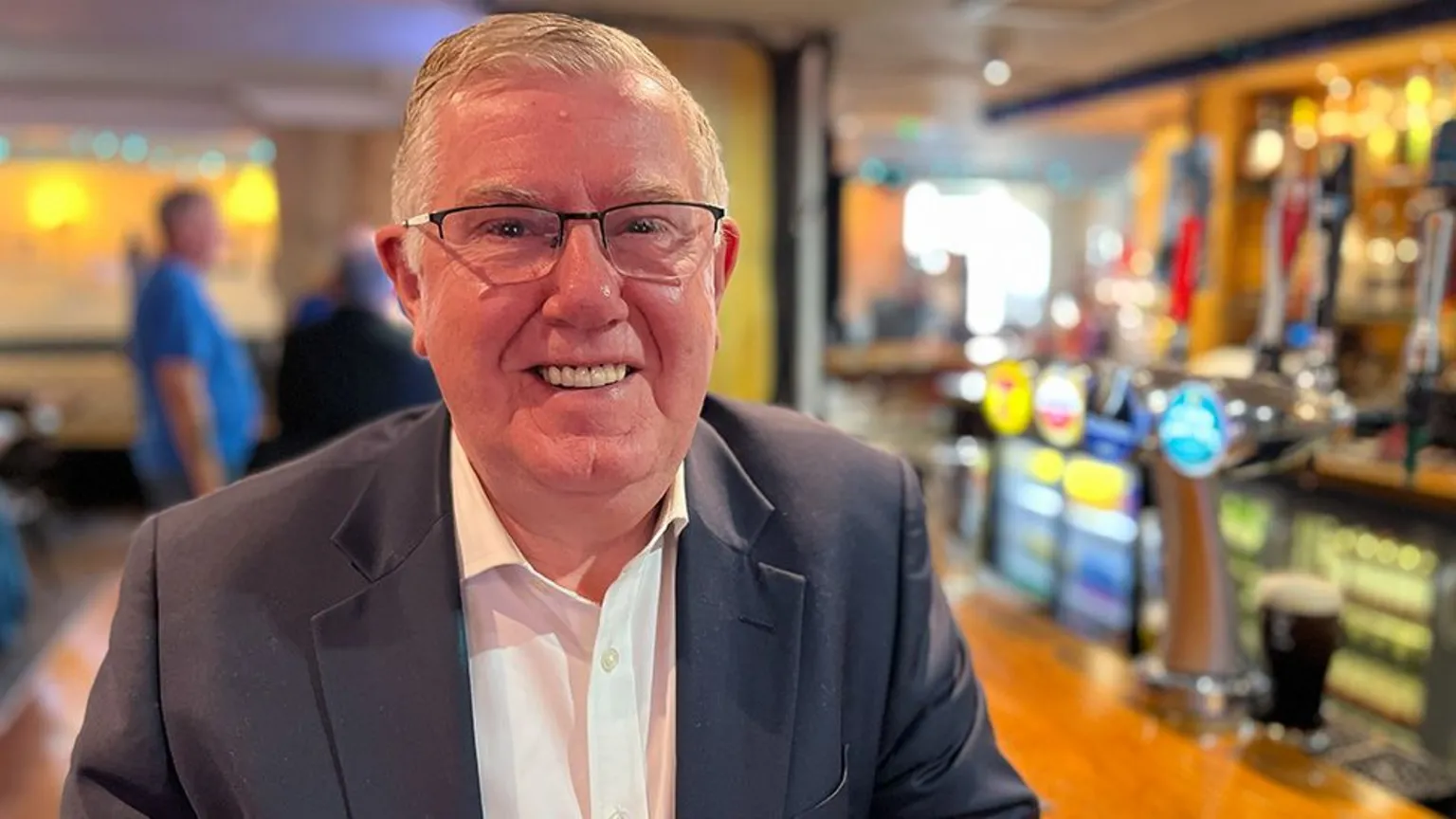
Kerr returned to the Calderwood Inn in East Kilbride, a location of personal significance as it was where he met his wife and where, on the morning of 26 March 2006, he officially launched the smoking ban.
"Sadly I had to drink an orange juice because the press were here," Kerr told BBC Scotland News.
Although Kerr considers the ban the most significant legislation of his career, it faced criticism.
Even as Kerr posed for photographs in the smoke-free pub in March 2006, a regular expressed concern that the law would "ruin" Scotland’s economy.
"It was seen as the end of the world for the pub," Kerr recalled.
Impact on Pubs and Hospitality
The years following the ban have been challenging for Scotland’s bars.
Research indicates that over 10%—approximately 700 pubs—closed within four years of the smoking ban.
Between 2009 and 2022, one-fifth of the country’s pubs shut, according to the Office for National Statistics.
Public Health Outcomes
Kerr noted that other factors such as home TV sports subscriptions and inexpensive supermarket alcohol also contributed to difficulties in the hospitality sector.
For the former minister, a former smoker whose father suffered from lung disease, the legislation was a public health imperative that has "undoubtedly" saved lives.
When the ban was introduced, about 25% of Scottish adults smoked; by 2024, this figure had decreased to 14%.
Exposure to second-hand smoke, which contains harmful toxins, has been reduced by 96% since the ban, according to analysis by Public Health Scotland and the University of Stirling.
The legislation was associated with a 17% reduction in hospital admissions for heart attacks and a 7% decrease in strokes. It also contributed to improved health outcomes for pregnant women and infants.
Opposition and Perspectives
One of Kerr’s main opponents during the campaign was Paul Waterson, former chief executive of the Scottish Licensed Trade Association (SLTA).
Waterson began working in pubs in the 1960s, when smoke was so dense that "you couldn't see your customer for smoke."

His family-owned pub, the Maltman on Glasgow’s Renfield Street, was among the first in the UK to feature a non-smoking bar.
As SLTA chief executive, a position he left in 2018, Waterson advocated for a partial ban limited to bar areas and places serving hot food.
At the time, his organization argued that a full ban would increase alcoholism, result in thousands of lost hospitality jobs, and cost the Treasury £85 million in lost revenue.
"It was a moral argument against a business argument, and a moral argument wins," he told the BBC.
"It was a war and we didn't realise it was a war - a PR war."
Although Waterson still believes some arguments against the ban had merit, he acknowledges that the opposition is now "dead."
"It shows you how it's moved. We can never go back."
Memories of Smoke-Filled Pubs
Back at the Calderwood Inn, Alexandra, 28, plays pool with her fiancé Andrew, 26.
She was a child when the ban was introduced but vividly recalls smoky pubs.
"You walked in and it was a wall of smoke. It sticks to everything - I remember it stinking," Alexandra told BBC Scotland News.
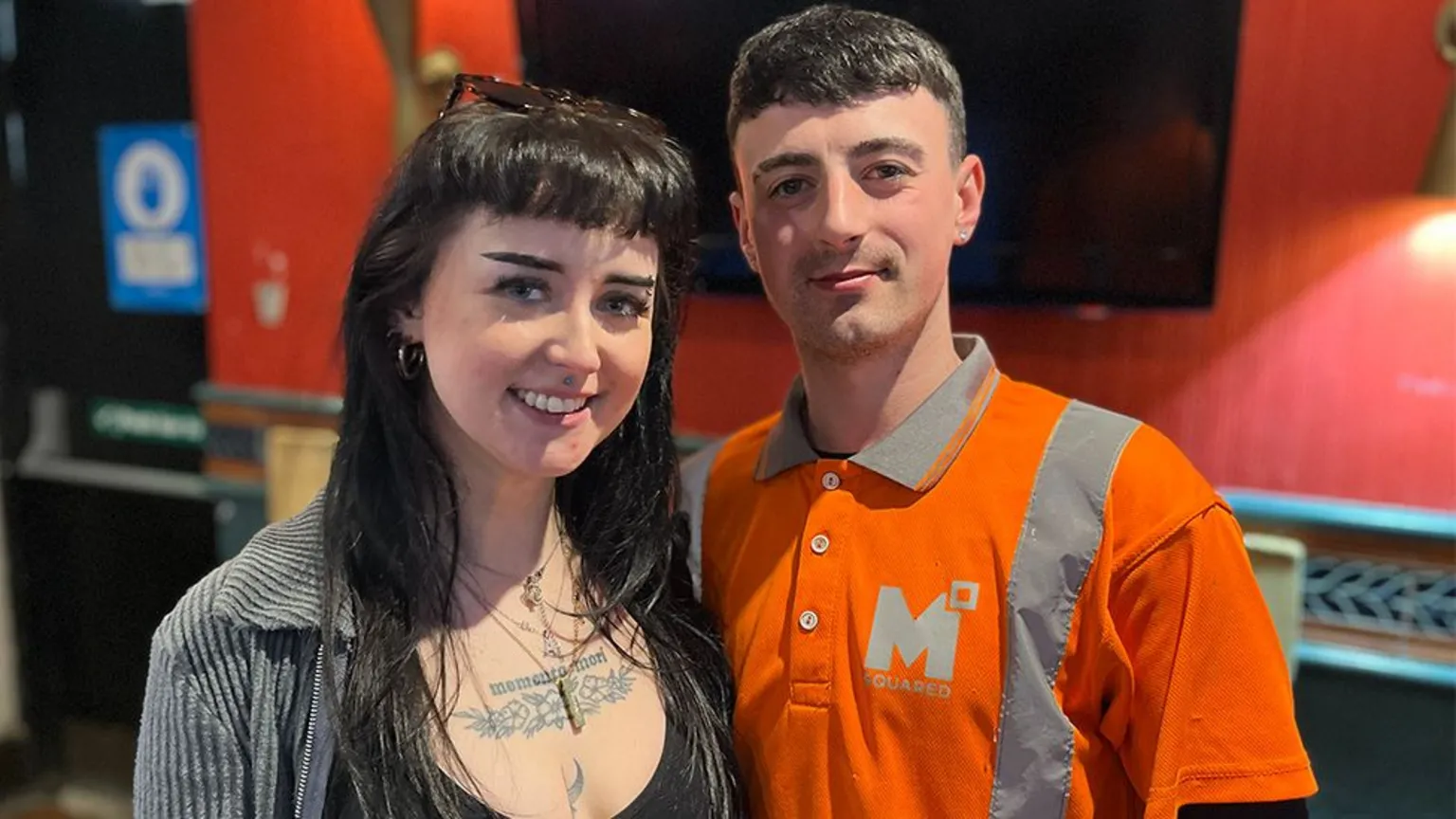
Although younger Scots find smoke-filled pubs hard to imagine, Alexandra and Andrew are not necessarily opposed to designated indoor smoking areas where food is not served.
"There needs to be a line," Andrew, a smoker, said. "But it would create a good atmosphere."
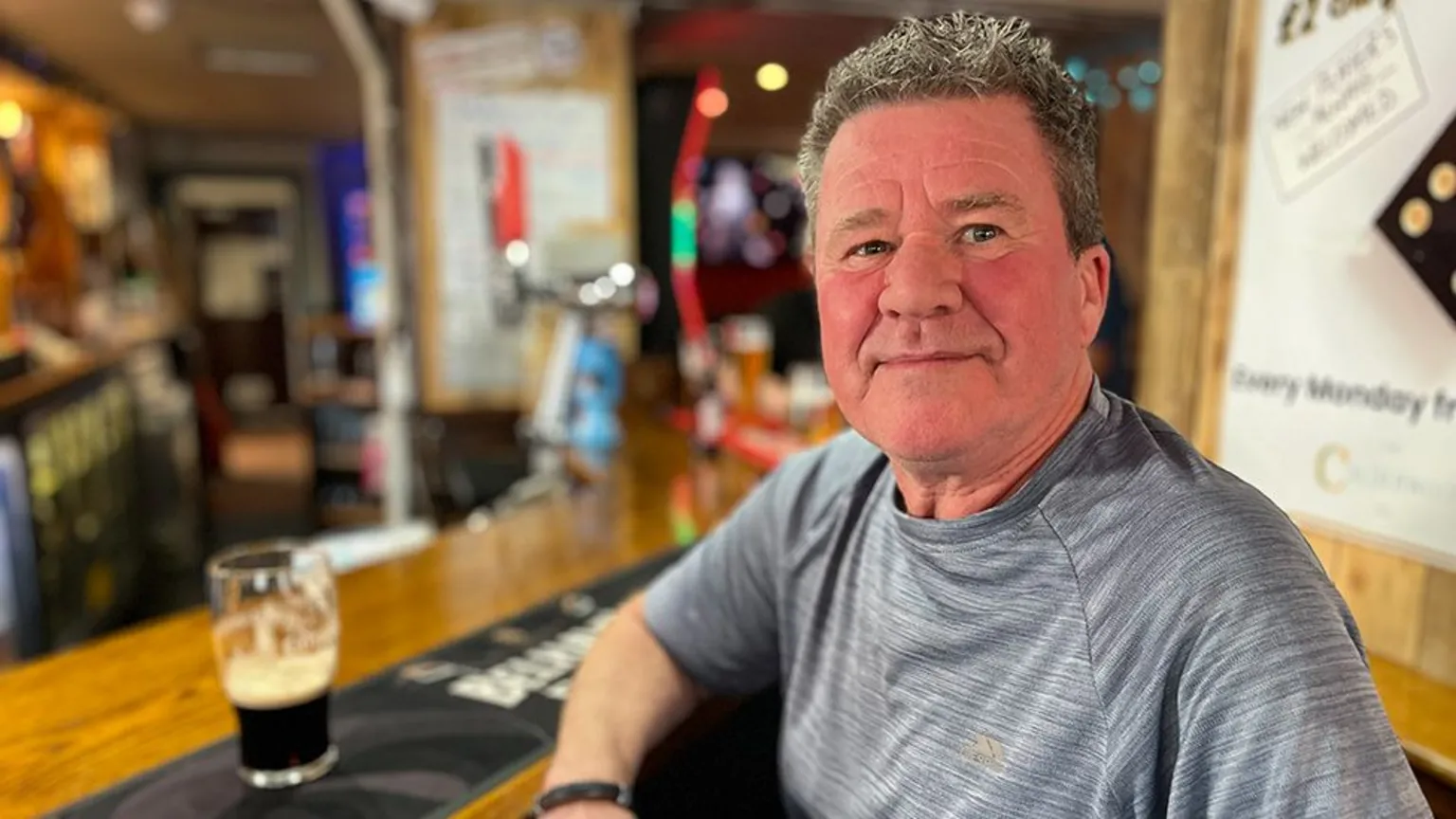
Tam Leddie, a longtime patron of the Calderwood, recalls nights when women were refused service and cigarette butts piled up on the floor.
"It used to be like fog-like," he said, adding that entering a pub without smoke felt "unreal."
As a non-smoker, Tam appreciates the change.
"It didn't seem a problem at the time - it was the done thing - but I wouldn't like someone sparking up at a table now," he said.
"And it's better for people that are trying to give up, they're not tempted in here."
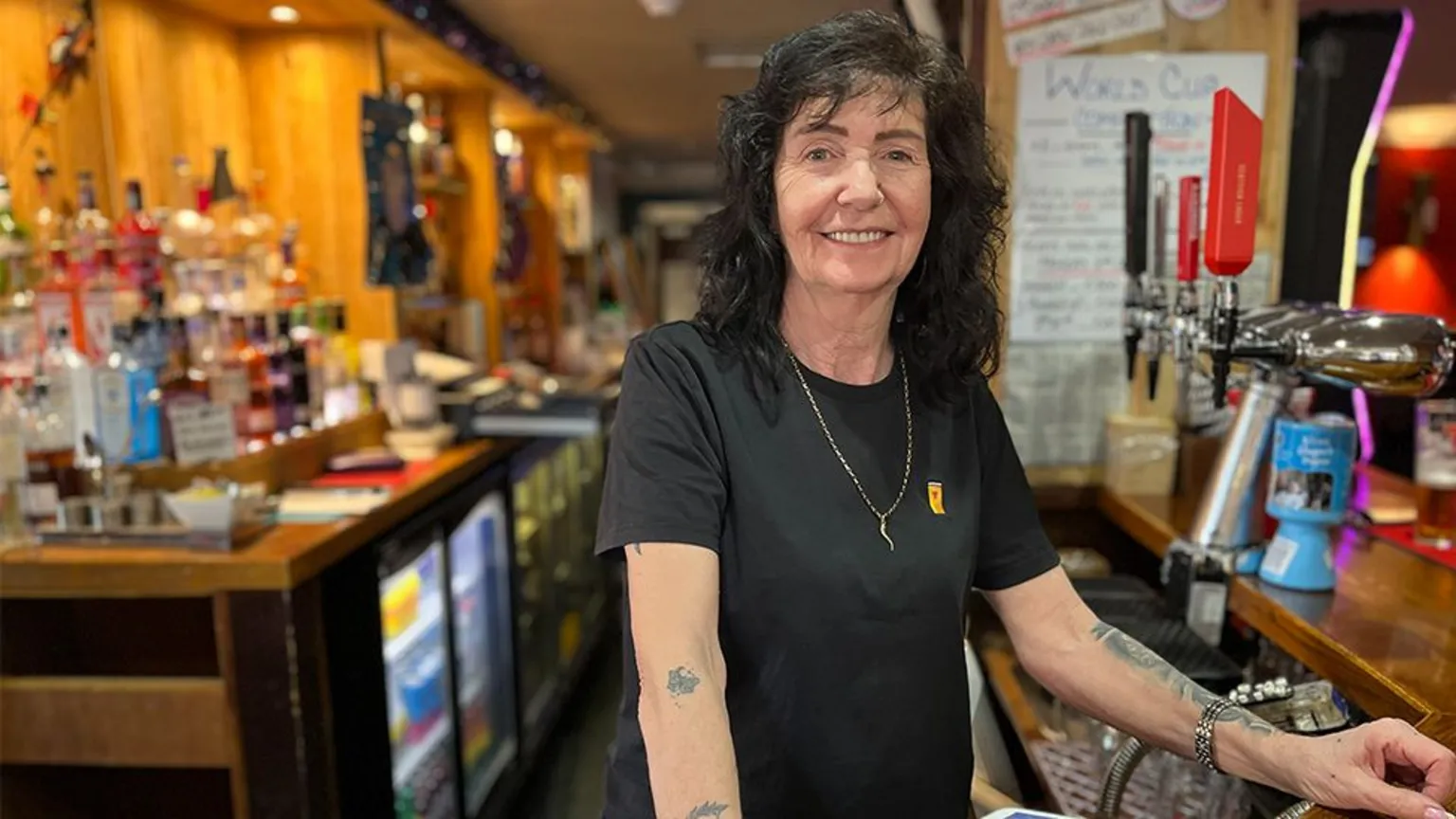
Behind the bar, Carol Graham said the ban did not persuade her to quit smoking but marked "the end of an era."
"I thought people would just stop going to pubs, that they wouldn't get the business and were going to close - and a few did," she said.
Further Tobacco Control Measures
The smoking ban was followed by additional legislation, including mandatory graphic health warnings on cigarette packets.
In 2013, the Scottish government set a goal of achieving a "tobacco-free" Scotland by 2034, defined as having no more than 5% of the population smoking.
A bill currently progressing through the UK Parliament proposes making it illegal for individuals born on or after 1 January 2009 to purchase cigarettes, along with restrictions on advertising and the sale of vaping products.
Dr Garth Reid of Public Health Scotland described the ban as a "landmark" policy.
"There are people now who have absolutely no memory of having restaurants and bars and buses that there was smoking in. So it's profoundly changed the social norms and that helps to protect the country in terms of people not starting smoking," he said.
However, Dr Reid noted that over 8,000 smoking-related deaths still occur annually in Scotland.
The Rise of Vaping
While smoking rates have declined, e-cigarette use has increased.
Health experts have expressed concerns about the chemicals in vaping products and the lack of long-term studies on their effects.
In 2024, approximately one in ten Scots reported vaping, up from about 5% a decade earlier, with e-cigarettes especially popular among young people.
The 2006 legislation does not prohibit vaping in enclosed public places, but many pubs have their own bans on vaping.
"Young ones coming to the pub now, they're all vaping," Carol said. "And half of them have never smoked in their life."
Dr Reid emphasized the importance of applying lessons from the smoking ban to address the rise in vaping, describing it as "really concerning."


