

Long Travel Times for MS Care in Wales
People living with multiple sclerosis (MS) in Wales may have to endure six-hour round trips to access specialist care, according to warnings from an MS charity.
Research conducted by the MS Society Cymru has identified a shortage of specialist NHS staff, which contributes to extended waiting times for treatment.
Nearly 7,000 individuals in Wales are affected by MS, a condition impacting the central nervous system and causing symptoms such as blurred vision and difficulties with mobility.
The Welsh government has stated its intention to "plan to ensure people with long-term conditions like MS are treated closer to home."
Patient Experience Highlights Travel Challenges
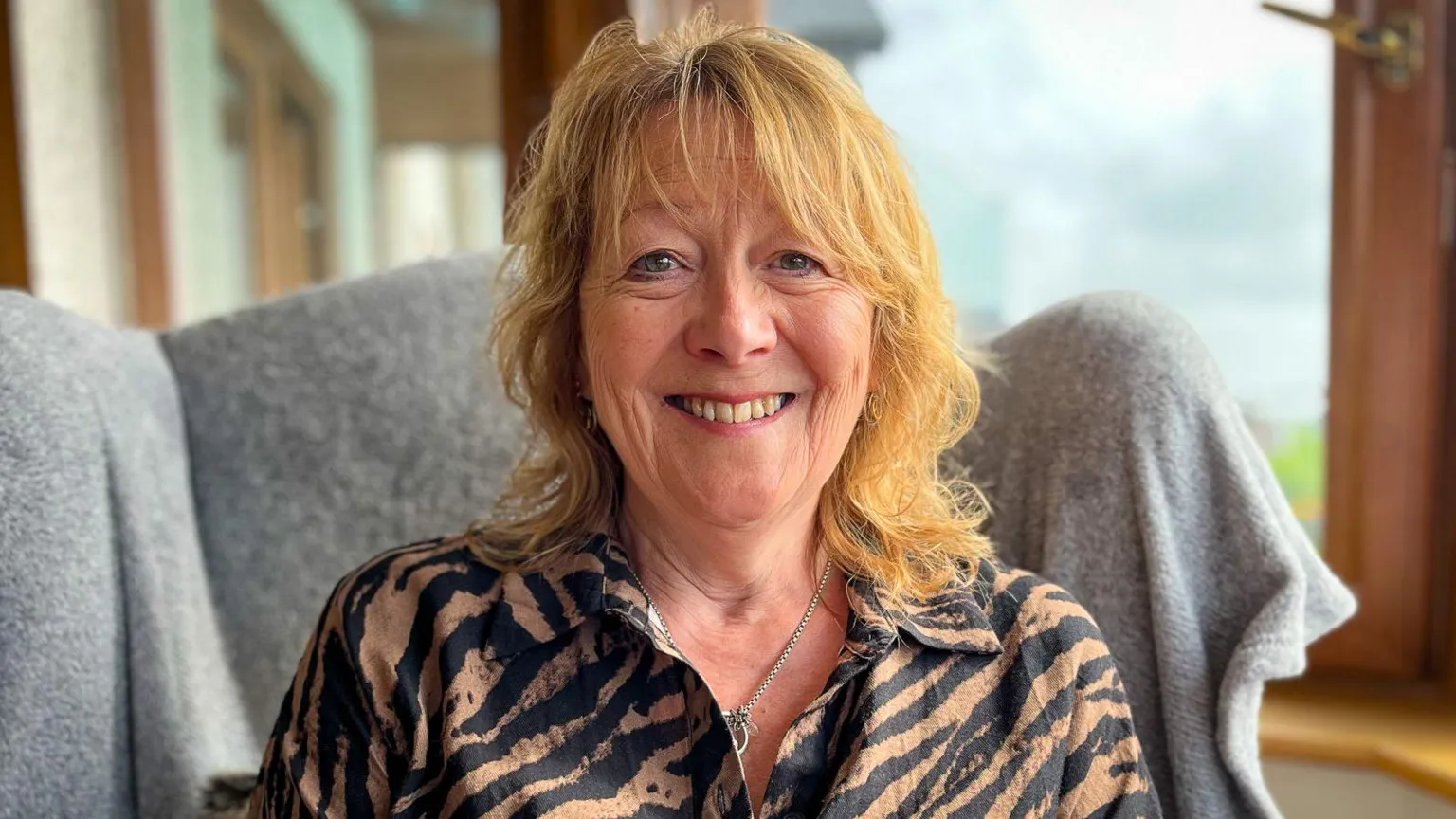
"Because you're having to make that extra effort to travel in the car for a couple of hours, that does affect the condition,"said Eirlys Ryder, 70, from Rhosmeirch on Anglesey, who was diagnosed with MS 17 years ago.
Ryder's specialist is located in Liverpool, but she arranges to meet halfway by driving an hour to Glan Clwyd hospital in Denbighshire.
"It does affect the way you are on that day, and for maybe a week or so after,"Ryder explained.
"So it's not just on that day that you might feel it can affect you for days after."
Research Findings on Specialist Availability
The latest findings from MS Society Cymru indicate that Ryder's experience is common among patients.
The research revealed that north Wales has the fewest available MS consultants, with some patients required to undertake six-hour round trips to receive specialist care. Additionally, MS nurses in the region have caseloads that exceed recommended levels by 30%.
Calls for Equal Access to Care
"There are significant health inequalities depending on where you are in Wales - north-south and east-west, rural or urban, and we think that's unacceptable,"said Ian Simpson from MS Society Cymru.
"People should be able to access the same level of care wherever they are in Wales."

Welsh Government’s Response and Campaigners’ Views
The Welsh government has expressed a commitment to "improve access to rehabilitation and tailored multi-disciplinary support" and is working to ensure patients are "supported to live their best lives."
However, campaigners such as Stuart Nixon from Newport, who also has MS, emphasize the need for substantial investment to resolve staff shortages.
"What we've got to see is the current government actually implement what they are suggesting we need,"Nixon said.
"Come and ask me - I know what it's about,"he added.
"People with lived experience can really tell you what we need to do."

Understanding Multiple Sclerosis
MS is a disease affecting the brain and central nervous system, where the immune system mistakenly attacks the fatty myelin sheath that normally protects nerves, similar to insulation around electric wires.
As this protective layer deteriorates, nerves lose the ability to transmit signals necessary for walking, talking, thinking clearly, and normal hand function.
Urgent Need for Improved Care Access
Patients with multiple sclerosis in Wales are advocating for urgent enhancements to ensure they receive the best possible care.


