

From McDonald's to Midwifery: A Decade of Skill-Building
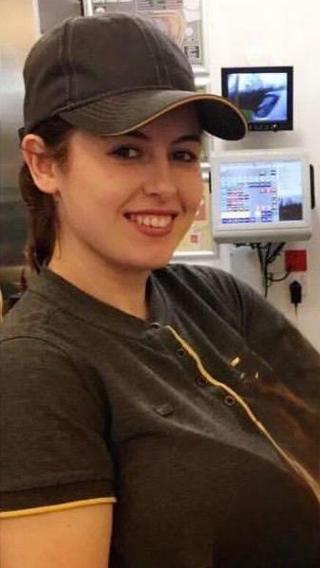
Lucy Wall began working at McDonald's immediately after finishing school, though she had always aspired to become a midwife.
A mother of twins training to be a midwife, Lucy credits the skills she developed during ten years at McDonald's as crucial to her progress.
Having dealt with a wide range of customers in the hospitality sector, Lucy Wall, 31, says she acquired "transferable skills" that helped her secure her first opportunity within the NHS.
She spent three years as a healthcare assistant on the maternity ward at Prince Charles Hospital in Merthyr Tydfil.
She is now in the first year of midwifery training, working alongside staff who supported her during the birth of her own twins.
Overcoming NHS Experience Barriers
"At McDonald's you see people of all ages and abilities and I was able to engage with everyone – from small children to the elderly and those with special needs," Lucy said.
Becoming a midwife was always her ambition but at one point it seemed out of reach.
"I was applying for jobs within the health board but kept getting feedback about lacking NHS experience," she explained.
Her response was to ask her managers at the restaurant if her role there, supporting vulnerable customers, could be formally recognised.
This led to the creation of a secondment based on that role.
"After that secondment, I applied for a new healthcare assistant position at Prince Charles Hospital," she said.
"I believe that changed my CV."
Lucy was still working at McDonald's while undertaking a foundation course at university, hoping to progress into the health sector eventually.
Exactly ten years after starting at McDonald's, Lucy joined the NHS in her hometown, helping care for women before and after childbirth.
Training and Personal Experience Aid Academic Understanding
She began her midwifery course in September, and the experience in her first role has helped her, as a person with dyslexia, better understand the academic side of the three-year course.
"It's wonderful to be able to support women," she said.
"Many people come through the door – whether at a health centre, McDonald's, or elsewhere.
"You never know what their home situation is, and family circumstances may differ from others.
"So being able to support them in a way that makes them feel special, valued, and cared for in these environments is truly lovely."
Understanding the Vulnerability of Trusting Care to Others
Lucy’s own late pregnancy circumstances were unusual.
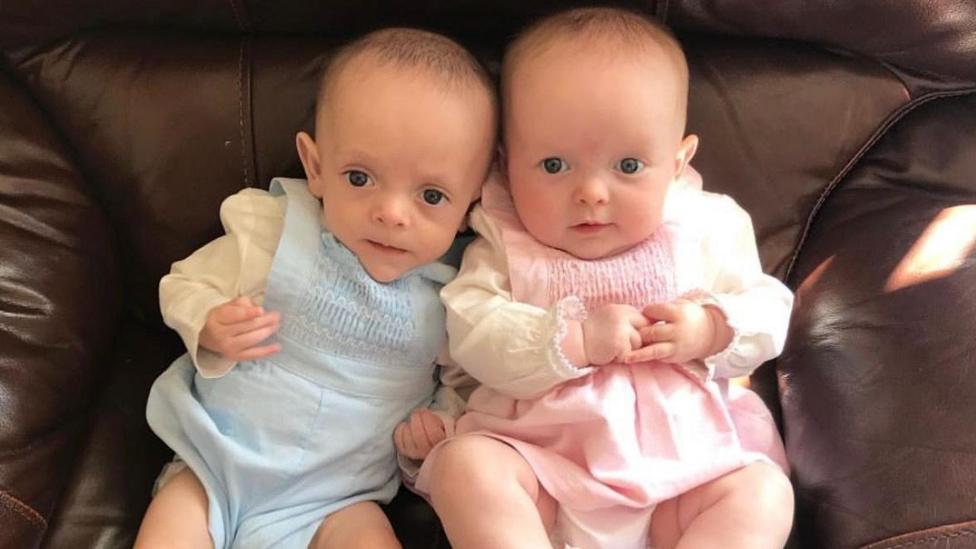
Her daughter, Aurora, was born naturally, but her twin brother, Theo, required an emergency Caesarean section due to a breech presentation.
"I've been in that vulnerable position of having to put my care in someone else's hands," she said.
"I now work with many of the people who supported me... I still get emotional sometimes when I talk to them."
The twins, Theo and Aurora, are now eight months old, and their mother works alongside some of those who helped during their birth.
Staffing Challenges in Maternity Services Across Wales
An earlier report this year on maternity services concluded that staffing levels were insufficient across Wales in response to the rapid rise in Caesarean births, with the Welsh government promising to adjust workforce plans accordingly.
During a period of nursing and paramedic shortages in NHS Wales due to financial constraints, one health board director employing Lucy said there will always be demand for midwifery.
Richard Hughes, Executive Director of Nursing, Midwifery and Patient Care at Cwm Taf Morgannwg University Health Board, explained that student midwife posts continue to be commissioned, but the wider context has changed over the past 18 months.
"Nurses and midwives continue to work longer than they traditionally did," he said, explaining that some have retired and returned to clinical roles.
"That is positive in terms of retaining experience to support new midwives, but it also means fewer places are available for new midwives."
Richard Hughes said health boards have worked with the government and Health Education and Improvement Wales (HEIW) to ensure the correct number of training posts are commissioned, but further changes may result from the recent maternity assessment in Wales.
He added that the increase in Caesarean birth rates across the UK means Welsh health boards also need to consider "what workforce is needed to support that."
"Our midwives today work in a high-risk profession – many are on call.
"That is a burden on them every day, and they manage to support families where things have gone wrong and they go through really difficult situations.
"But they are also there to help and support families and celebrate truly joyful occasions."
Additional Context
Lucy’s journey highlights the importance of transferable skills and perseverance in overcoming barriers to entering the NHS midwifery profession.
Her story also reflects broader workforce challenges facing maternity services in Wales and the UK.
For more information and updates, follow Cymru Fyw on Facebook, X, Instagram, or TikTok.
Send story ideas to cymrufyw@bbc.co.uk or contact via WhatsApp on 07709850033.
for the latest news from Wales on your mobile device.


