Global Evacuation from Cruise Ship Following Hantavirus Outbreak
Dozens of passengers and crew from various countries have been evacuated from a cruise ship involved in a hantavirus outbreak while docked in Tenerife. British nationals were among those removed during a two-day operation that started on Sunday, with chartered flights arranged to return them to their home countries for quarantine and medical observation.
British passengers and crew were flown back to the UK, where they are to undergo hospital quarantine in Merseyside. Reports indicated that at approximately 9pm on Sunday, a plane carrying 22 UK citizens landed in Manchester.
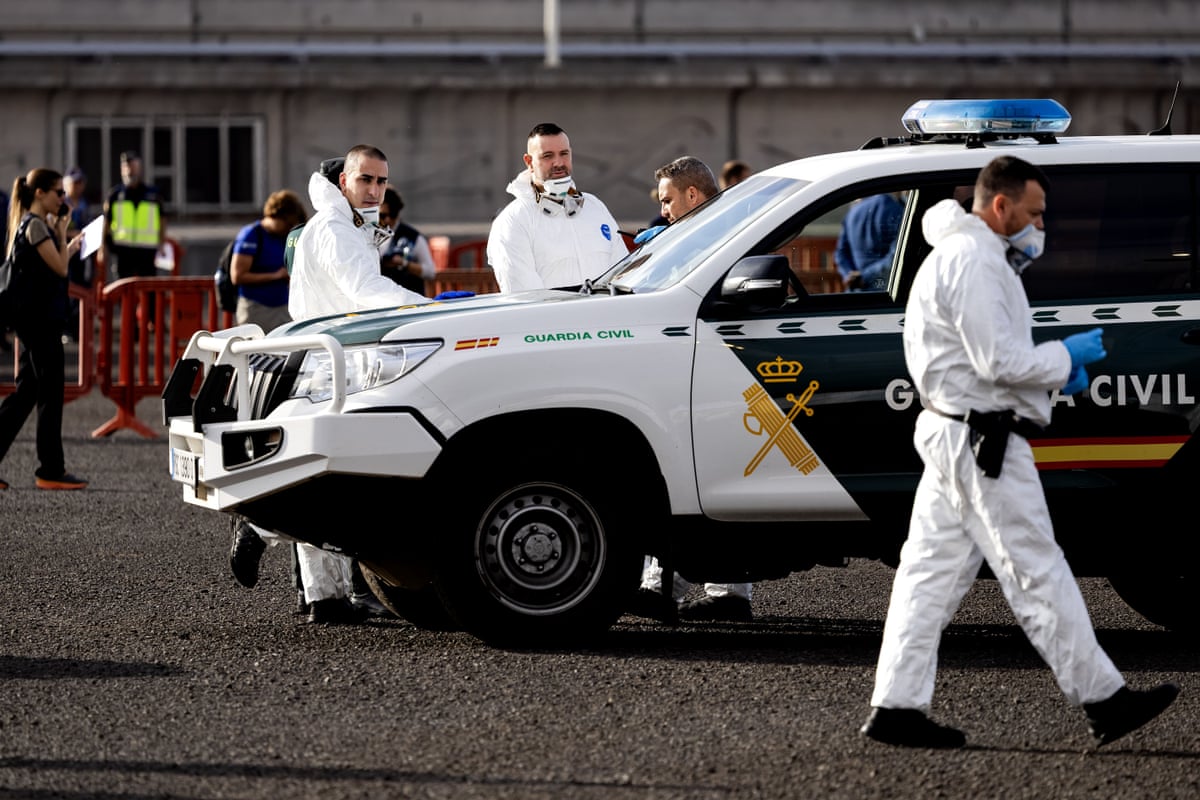
Earlier, Spanish passengers donned blue plastic ponchos and hair coverings as they were evacuated by medical teams wearing hazmat suits after being screened for the virus. These individuals were then transported by coach to Tenerife airport.
Ship Arrival and Initial Cases
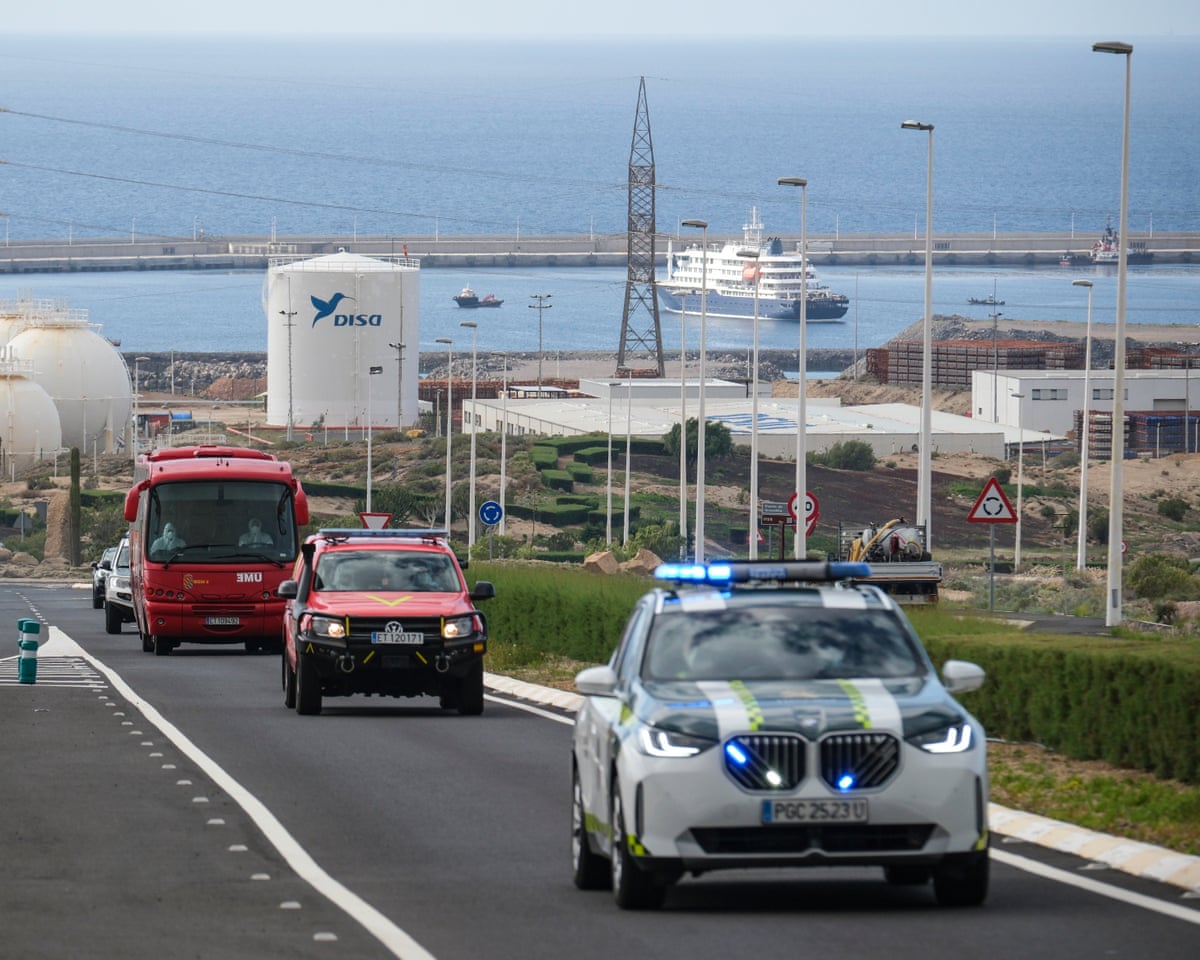
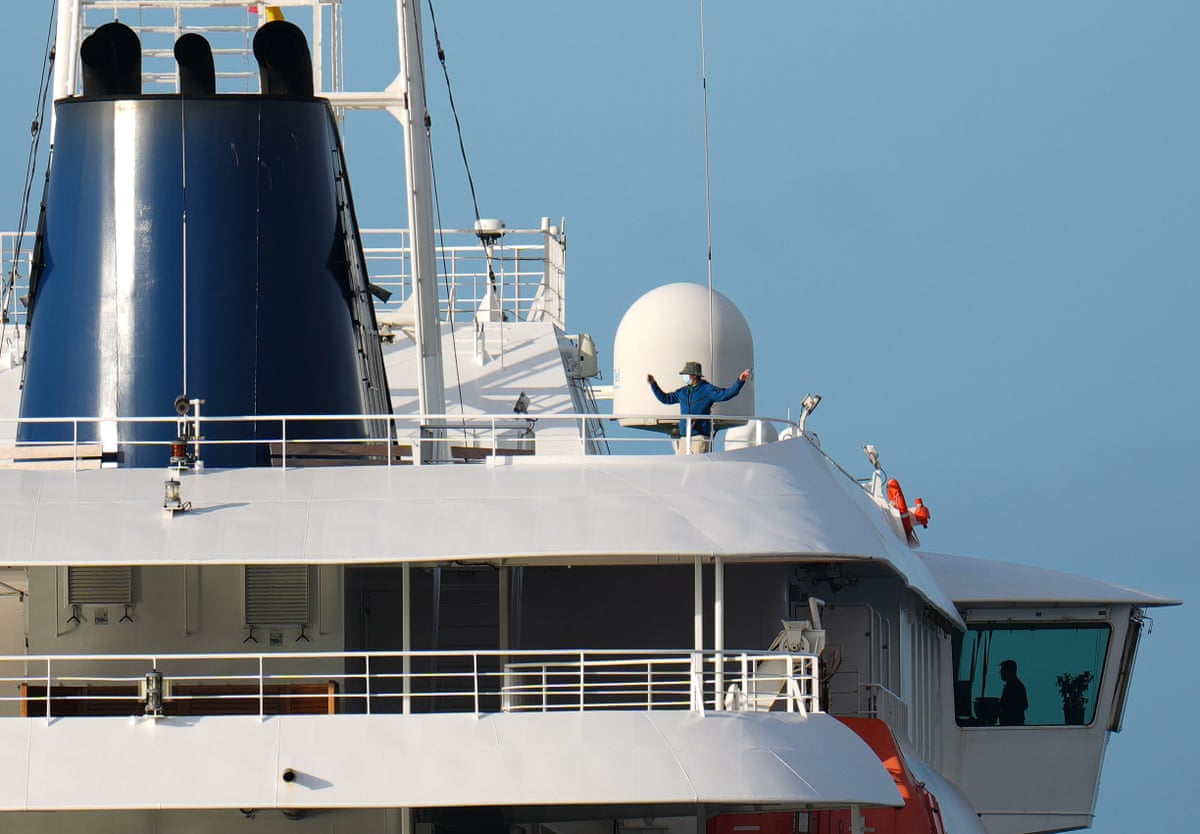
The cruise ship arrived in the Canary Islands in the early hours of Sunday with 146 people onboard, following the deaths of three individuals from hantavirus and eight additional cases of illness. Although no other passengers or crew displayed symptoms, all had been confined to their cabins in recent days to prevent further spread of the virus, which requires very close contact for transmission.
Each person onboard underwent screening for hantavirus, a disease that can cause flu-like symptoms and may lead to respiratory failure and death in severe cases.
Quarantine and Repatriation Efforts
The 19 UK passengers and three crew members were scheduled for quarantine at Arrowe Park hospital in Wirral. Separate flights were organized to repatriate individuals from other countries to their respective homelands.
Both the Spanish government and the World Health Organization (WHO) stated they would not have direct contact with individuals in Tenerife during the evacuation process.
On Sunday evening, 14 Spanish citizens arrived at Madrid airport, confirmed by the government. Subsequent flights transported passengers from the UK, the Netherlands, Germany, Belgium, Greece, Canada, Turkey, France, Ireland, and the United States.
Authorities announced that a Dutch refuelling plane would collect any remaining passengers who had not yet been evacuated on Monday. The final scheduled flight was set to Australia, carrying six people, departing Monday afternoon.
Filipino Crew and Essential Personnel
The Philippines government, representing the nationality with the largest number of people onboard, confirmed that of the 38 Filipino crew members, 24 were stewards and hotel staff. These individuals were being transferred to the Netherlands on two flights from Tenerife, where they would commence quarantine.
A spokesperson explained that the remaining 14 crew members were deck and engine operatives, essential personnel who remained onboard to navigate the ship to its home port in Rotterdam.
Isolation Period and Ship Location
Evacuated individuals were instructed to isolate for 42 days from their potential exposure date, which for most passengers was several days prior.
The MV Hondius was anchored just offshore from the southern commercial port of Granadilla. Passengers were transported to the dock in small groups of five to ten by boat only when flights were ready to receive them, according to Fernando Clavijo, president of the Canary Islands.
Flight arrangements for some countries were still pending as authorities worked to secure planes on Sunday. Winds off Tenerife’s coast were expected to increase from Monday, potentially delaying evacuation flights and leaving some passengers onboard longer.
Virus Transmission and WHO Response
Authorities emphasized that while hantavirus is serious, it does not pose a risk of causing a pandemic similar to COVID-19.
At a press conference in Tenerife late Saturday, WHO Director-General Dr Tedros Adhanom Ghebreyesus was questioned about the risk of further outbreaks due to passengers traveling globally and self-isolating without oversight.
“Based on our assessment, what you have said is not going to happen,”
he responded.
Crew Remaining Onboard and Testing Procedures
Some crew members remained onboard to collect supplies at Santa Cruz port in northern Tenerife before returning the ship to the Netherlands, its country of origin.
At the port, Javier Padilla Bernáldez, Spain’s health secretary, stated that PCR diagnostic testing was not conducted onboard the MV Hondius. Instead, individuals were monitored through temperature checks and completion of a health survey designed to detect hantavirus symptoms.
He added that the UK and US requested additional onboard testing, which was denied, but were permitted to conduct tests on passengers once they departed Tenerife airport.
Countries are conducting their own health assessments, including PCR testing in the UK and Spain. The European Commission and the European Centre for Disease Prevention and Control are coordinating efforts to minimize discrepancies in testing protocols across countries.
“But every country has its own confidences,”
Bernáldez noted.
Ship’s Prior Movements and Local Responses
The polar cruise ship had been stranded off Praia, the capital of Cape Verde, for several days before arriving in the Canary Islands. Cape Verdean authorities denied docking permission due to concerns about a wider outbreak overwhelming their healthcare system.
WHO Assessment and Incubation Period
The WHO stated that fears of a new pandemic were unfounded because hantaviruses do not spread as rapidly as COVID-19, and treatment is effective when the virus is detected early.
However, the incubation period for hantavirus can range from a few days to eight weeks, allowing infected individuals to potentially transmit the virus before symptoms appear.
Consequently, the WHO is coordinating an international response focused on tracing individuals who left the ship since the outbreak began over a month ago.
Tracing and Isolation of Contacts
Several countries are collaborating to address the logistical challenges of tracing close contacts of 29 individuals who disembarked on 24 April at Saint Helena, a remote island in the southern Atlantic.
Two British nationals are self-isolating in the UK after possible exposure prior to disembarking about a month ago; neither has exhibited symptoms.
Medical Support to Remote Territories
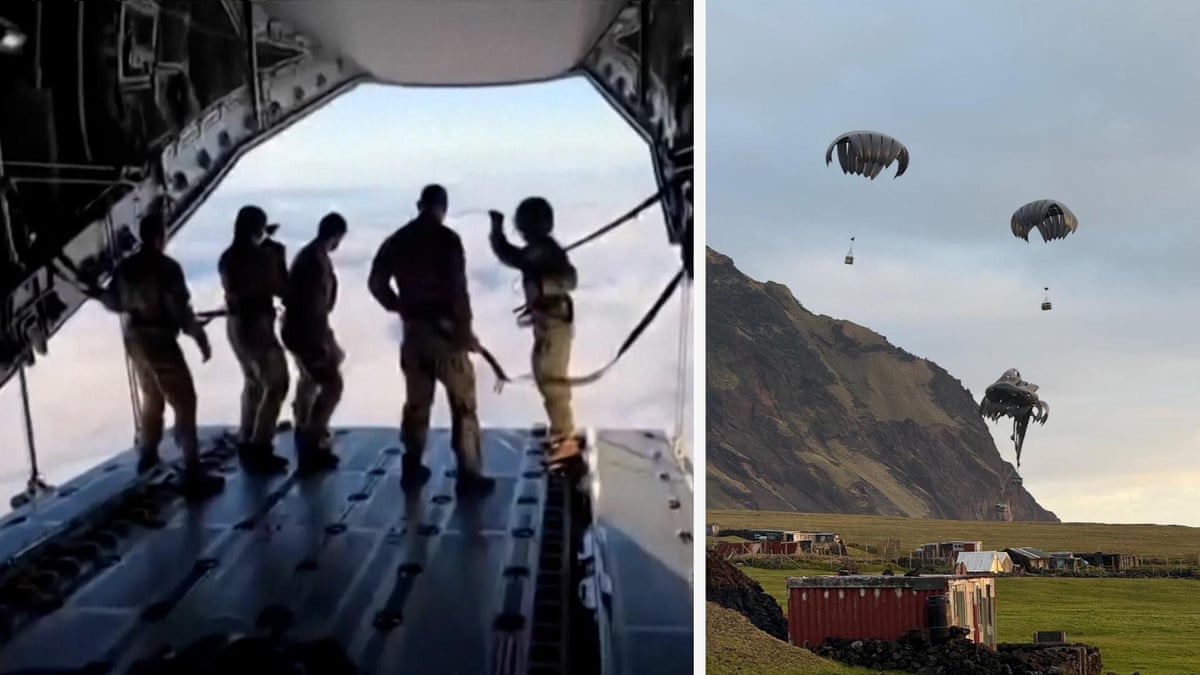
The UK Ministry of Defence reported deploying a specialist army team and medical personnel by parachute to Tristan da Cunha, a British overseas territory, to provide medical aid and equipment following a suspected hantavirus case involving a British national who disembarked there.